Zimbabwe sits on a central plateau of miombo woodland flanked by two great rivers: the Zambezi to the north, with the Victoria Falls and Lake Kariba, and the Limpopo to the south. In Hwange, the country's largest park, the absence of permanent surface water made it necessary to install artificial waterholes that now concentrate thousands of elephants in the dry season. Mana Pools, on the banks of the Zambezi, is a plain of apple-ring acacias and lagoons where walking among the wildlife without a vehicle is permitted, something rare in Africa. In the east, the Chimanimani and Nyanga mountains contribute cloud forest, heathland and waterfalls, and in the southwest the granite hills of Matobo form a landscape of stacked boulders with one of the highest densities of cliff-nesting raptors in the world.
Nature in Zimbabwe
National animal: The sable antelope, the country's national animal
Did you know?
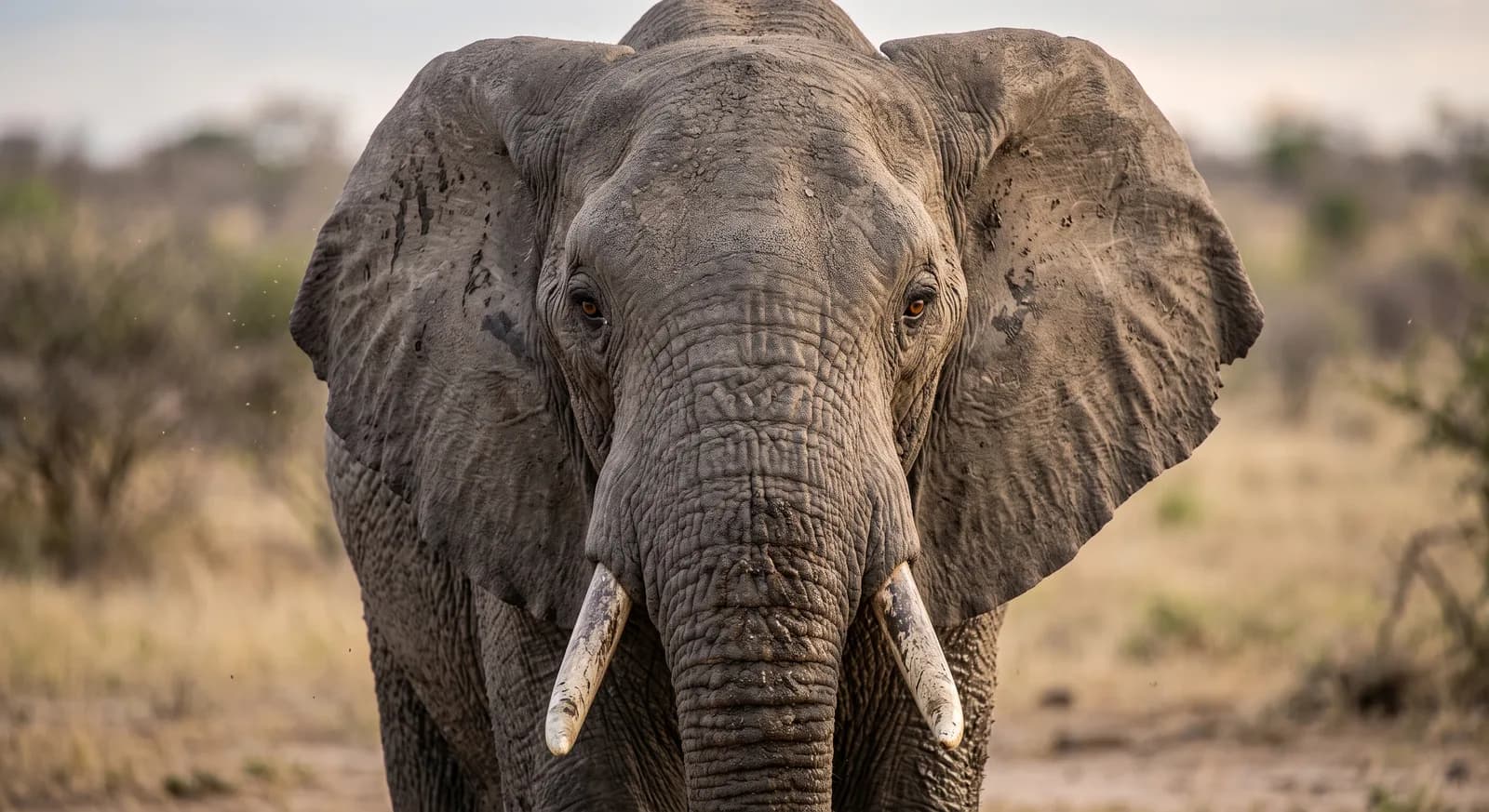
At Mana Pools, some elephants have learned to rise onto their hind legs and stretch out the trunk to reach the highest pods of the apple-ring acacias, holding their balance for several seconds with their whole mass on two legs. It is not a behaviour found throughout the species: it is passed on within the local population and has been documented in a few bulls who became famous among the park's guides.
Biodiversity profile
Conservation
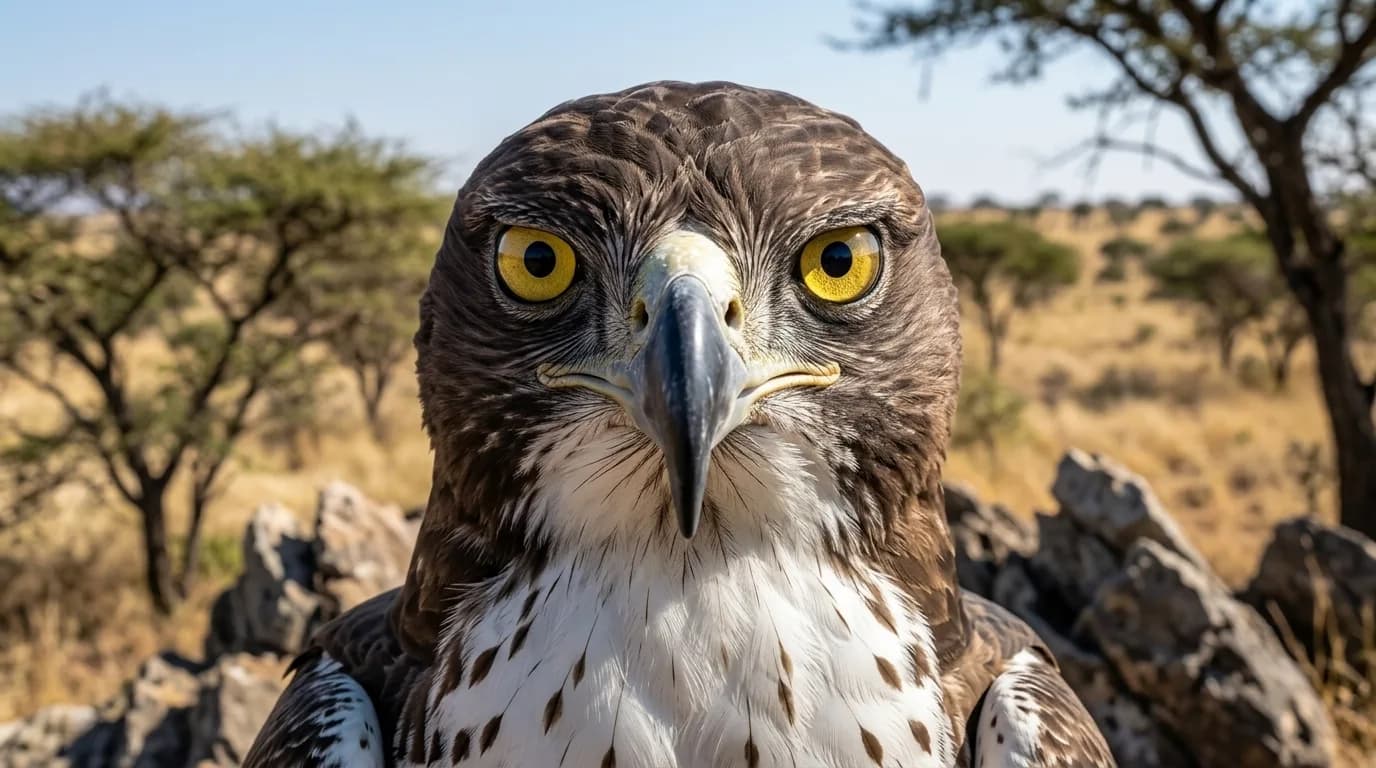
Matobo holds one of the highest concentrations of Verreaux's eagle on the planet, and its population has been studied continuously since the 1960s, in one of the longest raptor monitoring programmes in the world. The economic crisis has weakened the funding of the parks.
Where and when to watch wildlife
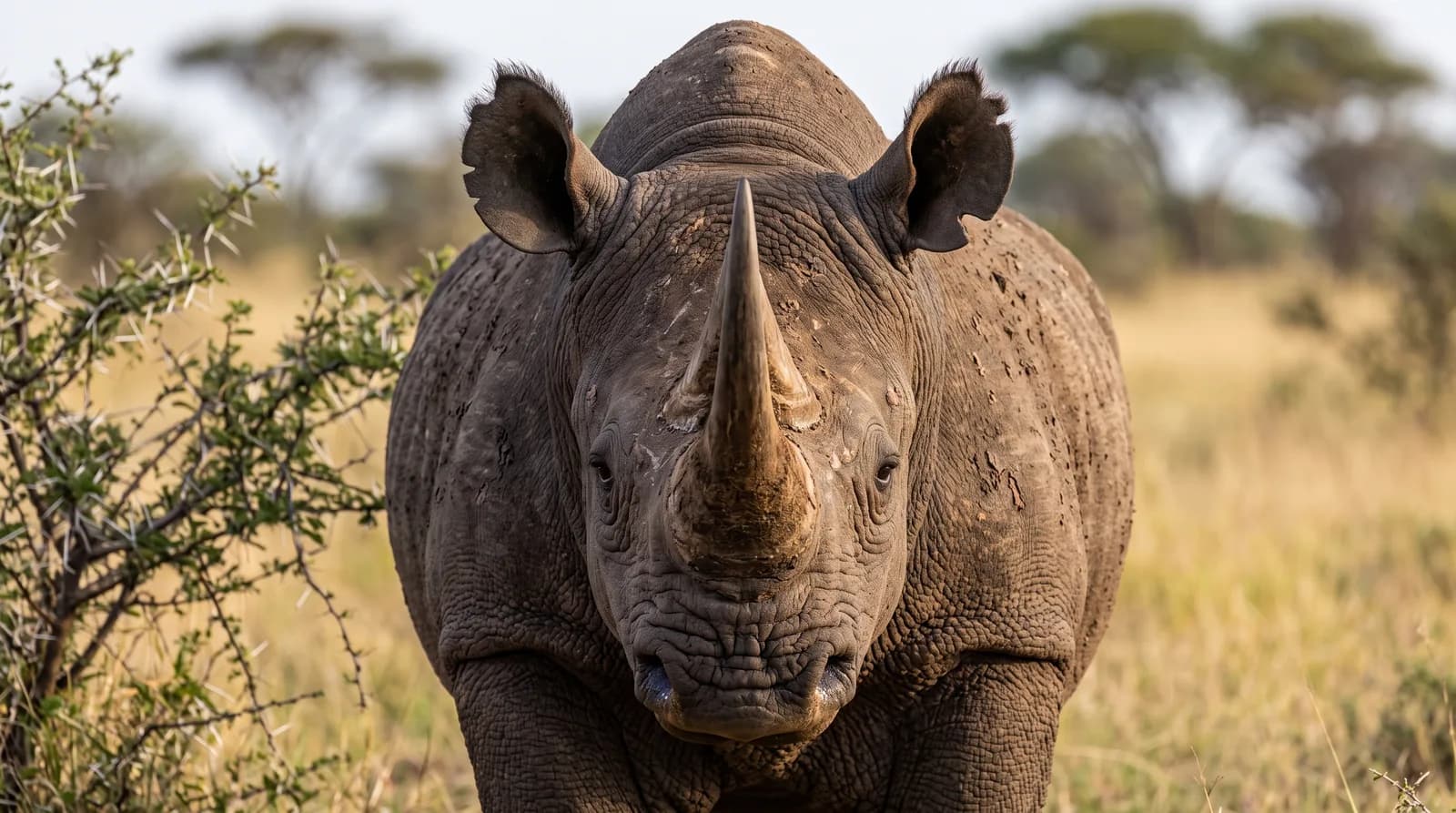
Hwange between August and October for elephants at the waterholes. Mana Pools between June and October for walking safaris. Matobo year-round for Verreaux's eagles and rhinoceroses.
Natural phenomena in Zimbabwe
Elephant concentrations at the Hwange waterholes — June to October (highest concentration August to October)
 Endangered