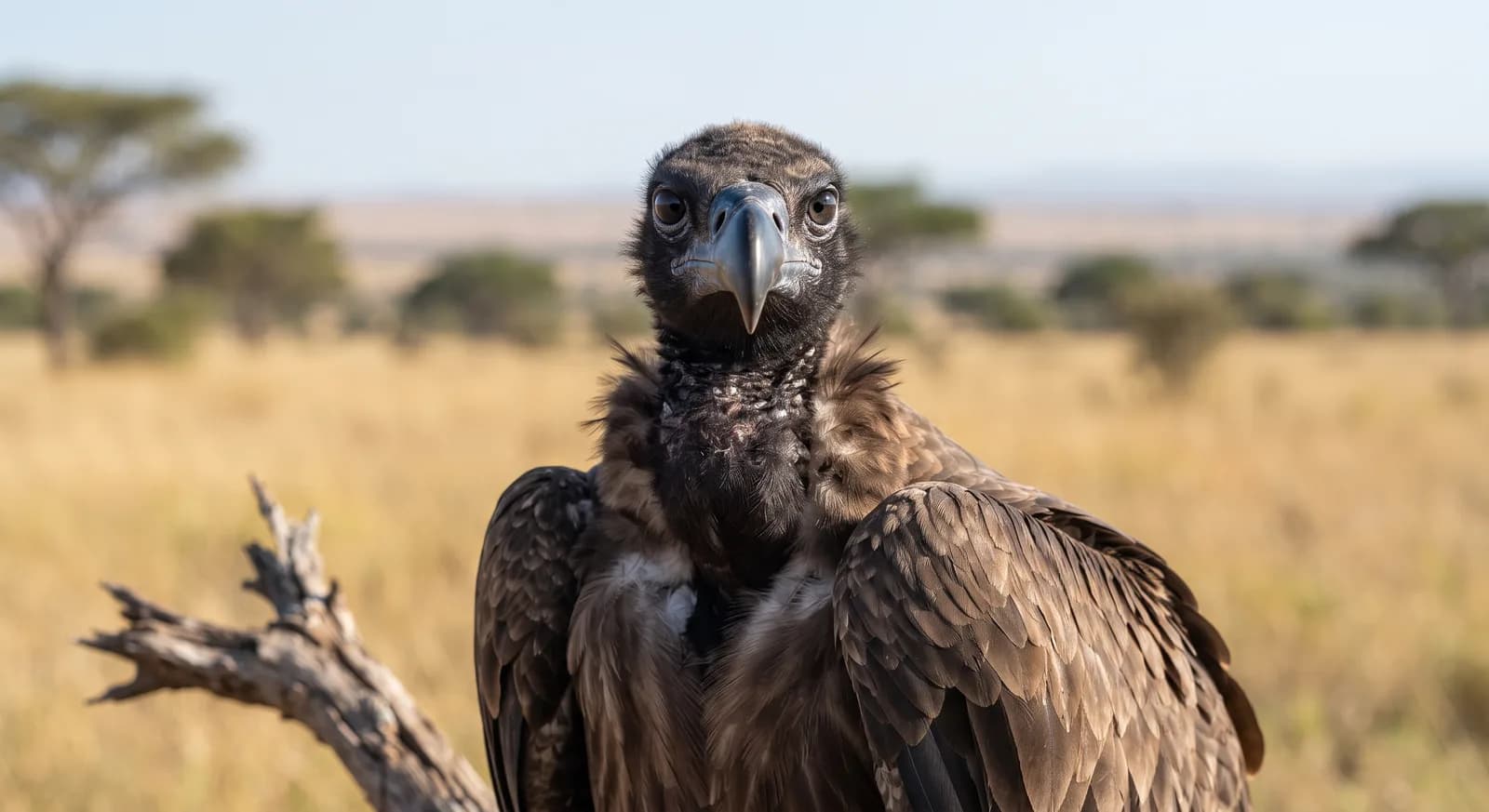
 Critically Endangered
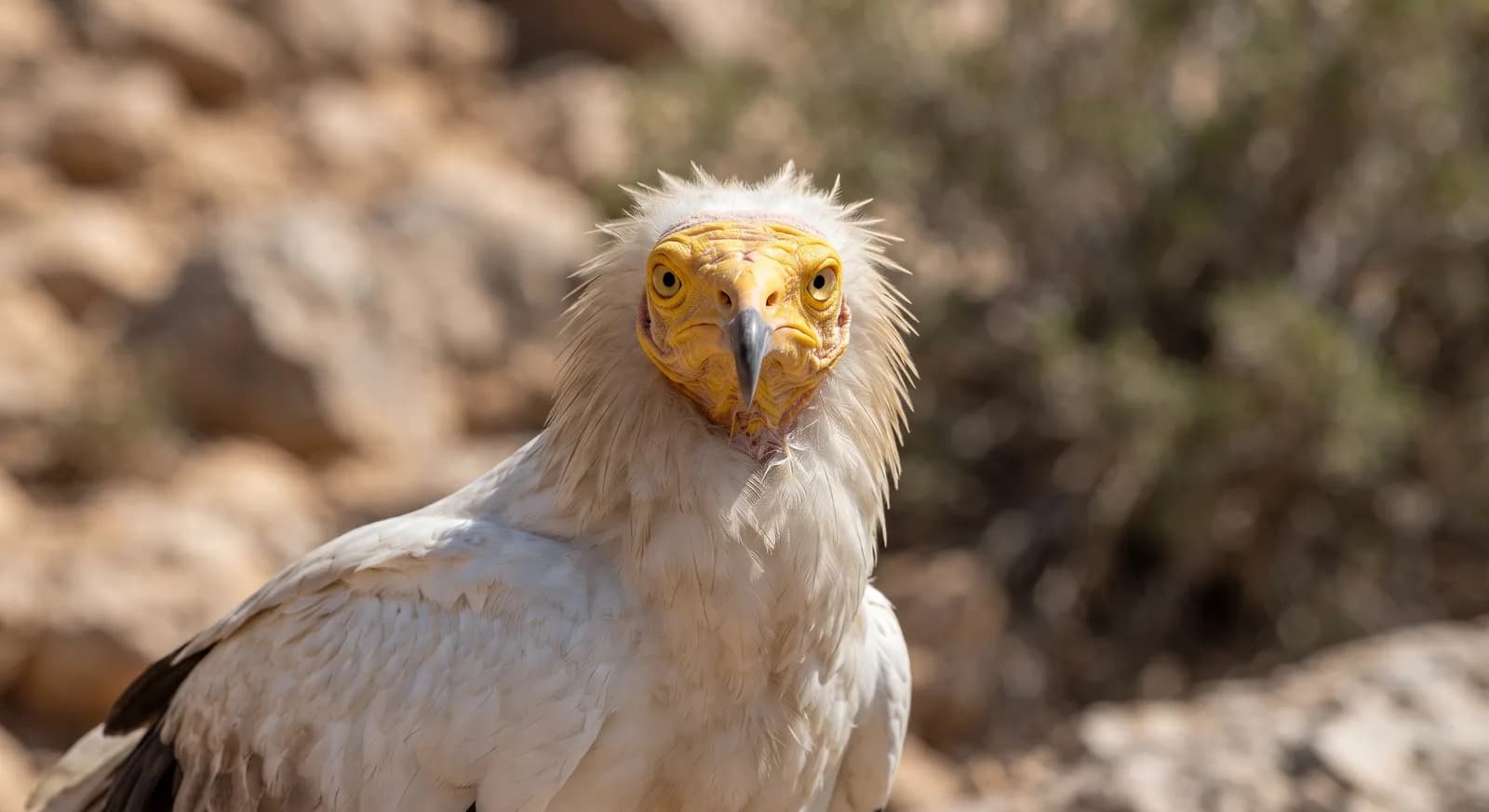
White-backed Vulture
Gyps africanus
Africa
Malawi is defined by its lake, which takes up close to a fifth of the territory and fills much of the southern arm of the Great Rift Valley. It is an ancient, deep lake of clear water, with rocky shores, sandy beaches and muddy bottoms that have generated a diversity of fish unmatched in any other lake in the world. Out of the water, the country keeps the Nyika plateau, a rolling expanse of high-altitude grassland where antelopes graze and which fills with orchids in the wet season, and the Mulanje massif, a granite inselberg that rises in isolation above the plain and holds endemic flora. The parks of Liwonde and Majete, in the Shire valley, have in a few years brought back a fauna that had almost completely disappeared.
National animal: No official national animal; the African fish eagle appears on the state coat of arms
Lake Malawi holds close to a thousand cichlid fish species, almost all of them exclusive to its waters: it is the lake with the most freshwater fish species in the world. What is astonishing is the speed of the process, since all that diversity has arisen in a geologically very short time from a handful of ancestors, in what is regarded as one of the fastest evolutionary radiations documented in vertebrates.
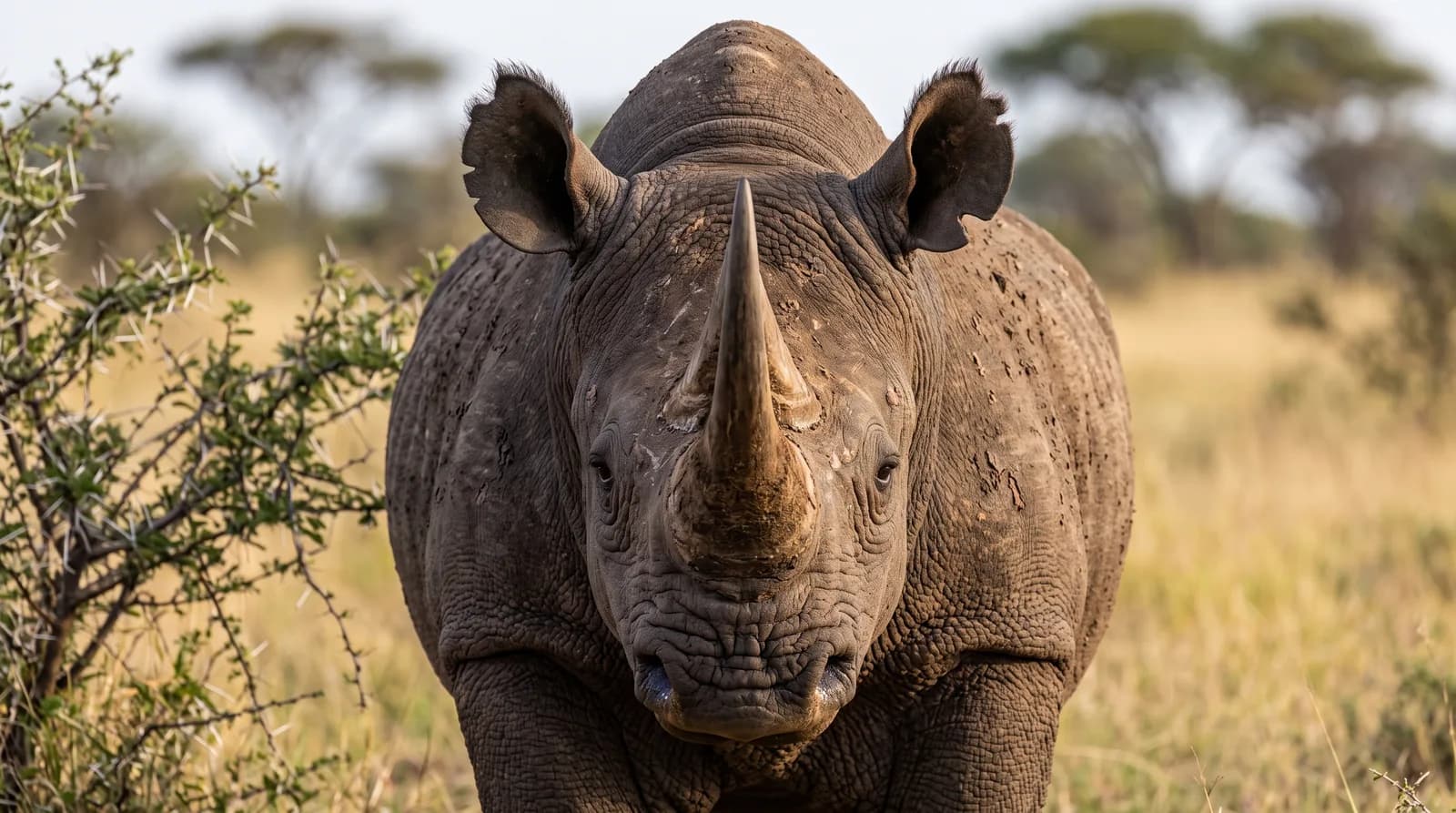
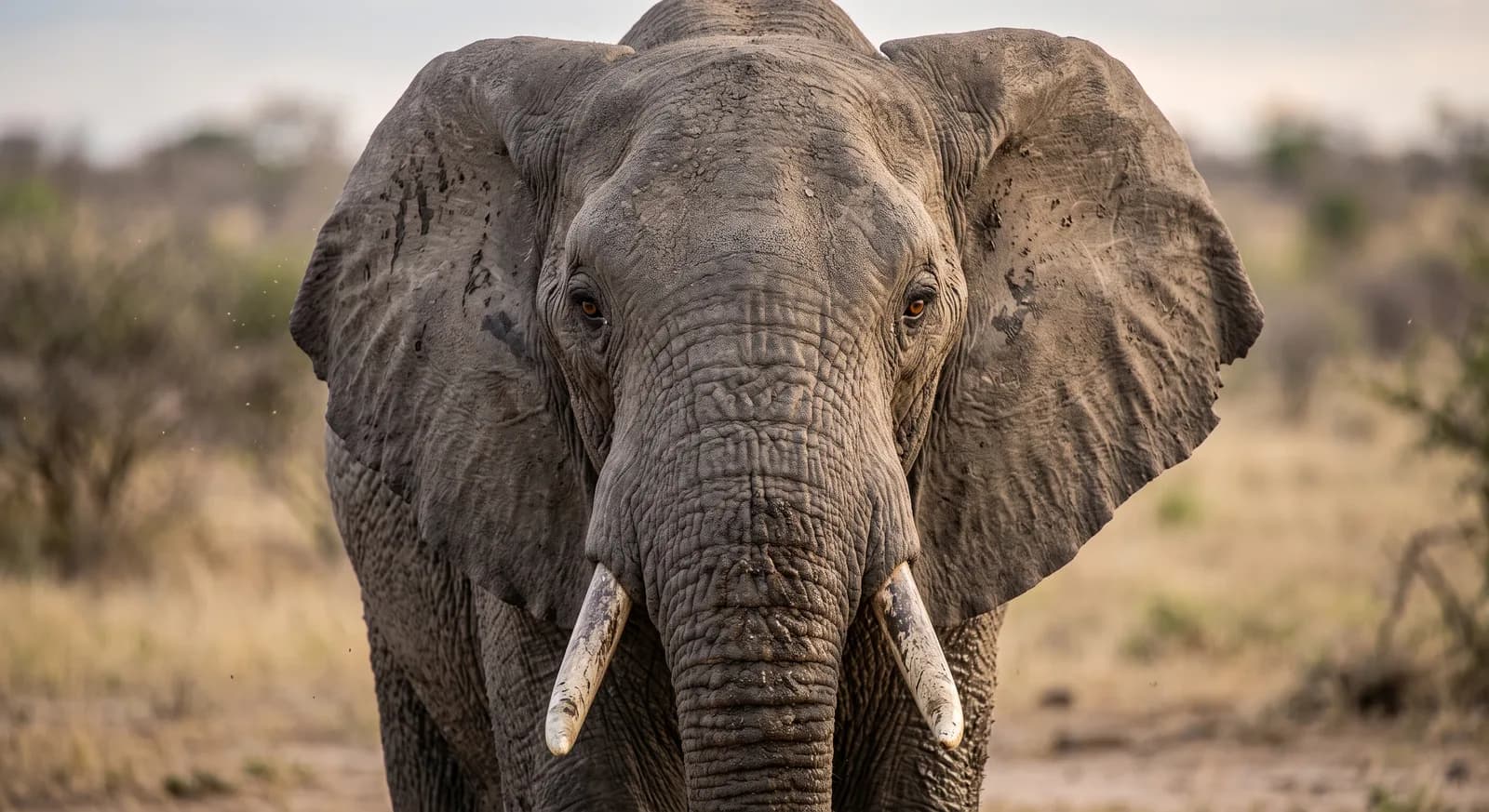
Majete and Liwonde have been the setting for reintroductions of cheetah, lion and black rhinoceros, and for one of the largest elephant translocations in history, with hundreds of animals moved between reserves. Overfishing threatens the lake's cichlids.
The rocky shores of the lake year-round for cichlids with mask and snorkel. Liwonde in the dry season for elephants and rhinoceroses. Nyika between December and April for orchids and antelopes.
Where else might I want to travel?
Same region: Southern Africa
Same region: Southern Africa
Same region: Southern Africa
Same region: Southern Africa
178 species found
Based on what we already know about Malawi.