 Critically Endangered
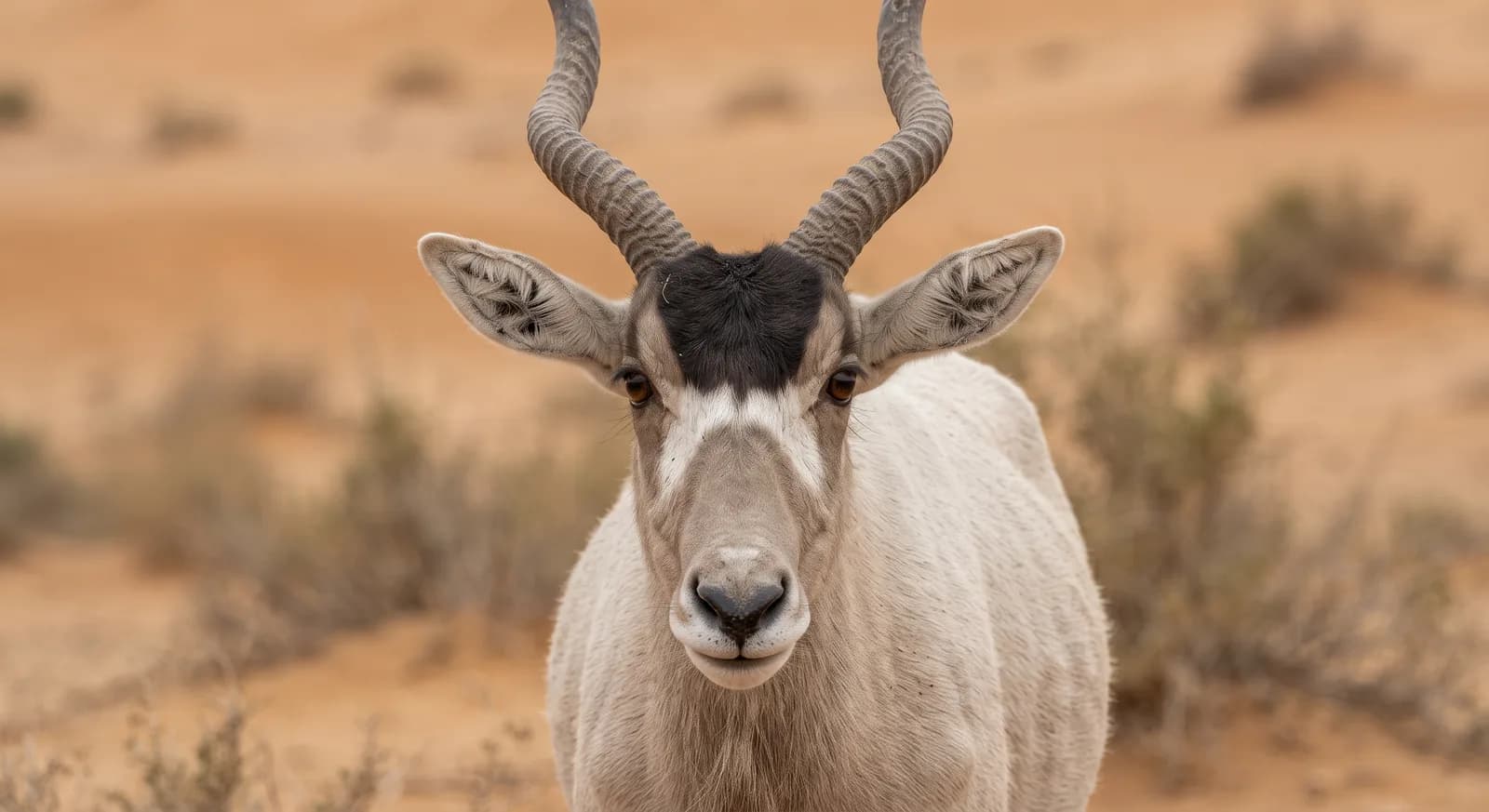
Addax
Addax nasomaculatus
Africa
Chad runs vertically through every belt of the Sahel: the absolute desert of the north, with the volcanic Tibesti massif and the sandstone plateaux of the Ennedi; the central Sahelian steppe; and the Sudanian savannahs of the south, wetter and more wooded. Lake Chad, which in the 1960s was one of the largest lakes in Africa, has lost most of its surface and become a shifting mosaic of shallows, islands and reedbeds that still sustains fisheries and great concentrations of birds. Zakouma park, in the south, protects floodable savannah where thousands of buffalo, giraffes and antelopes gather in the dry season, along with an elephant population recovered after devastating poaching. In the Ennedi, the gorges hold permanent pools where Nile crocodiles survive, isolated since the Sahara dried out.
National animal: No official national animal; the lion appears as a supporter on the state coat of arms
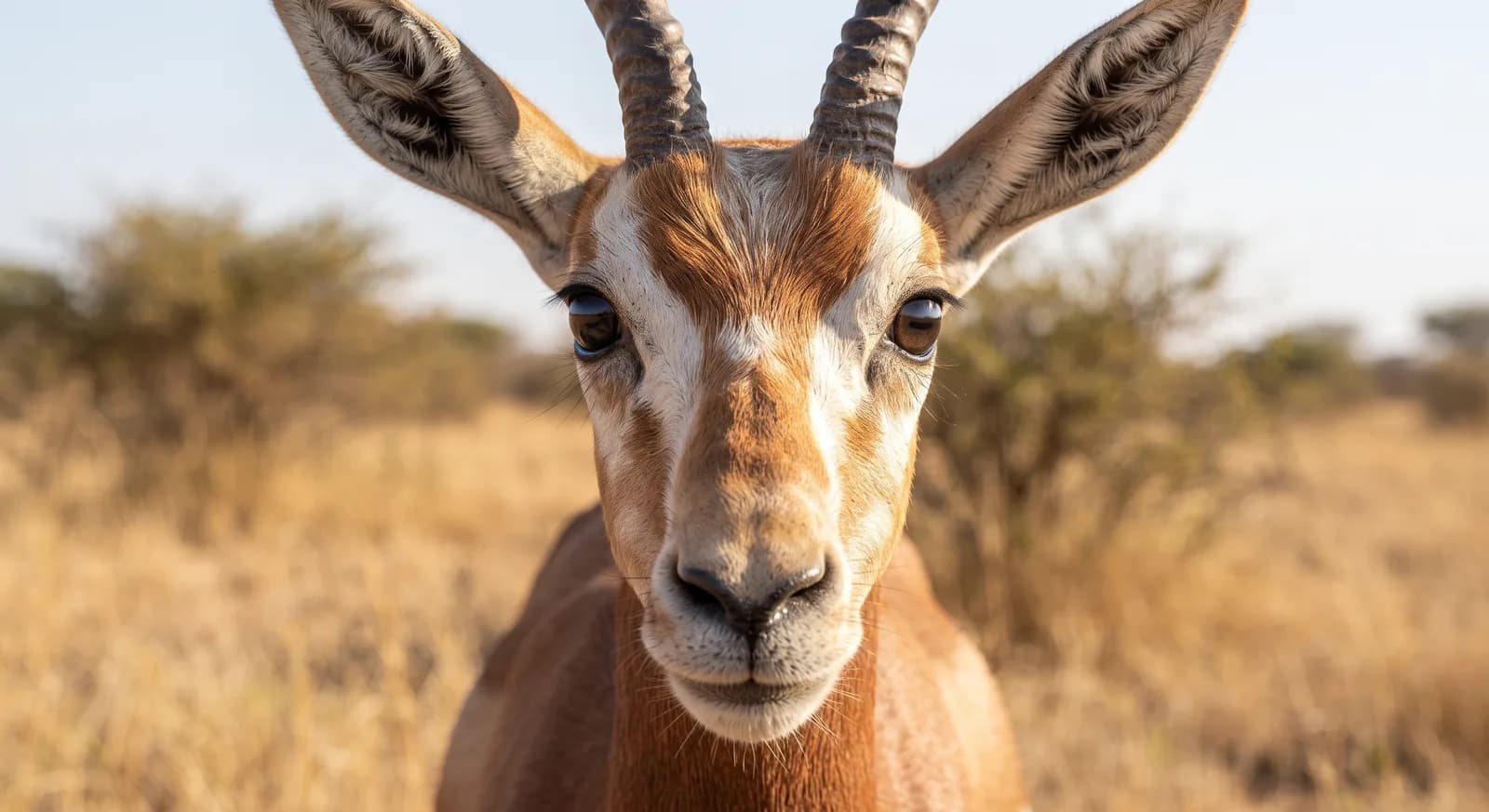
The scimitar-horned oryx disappeared completely from the wild and for decades existed only in captivity. Since 2016 herds have been released in the Chadian reserve of Ouadi Rimé-Ouadi Achim, bred from animals kept in collections, and the result has been so good that in 2023 the species stopped being listed as extinct in the wild on the international red list: one of the very few animals in the world to have reversed that category.
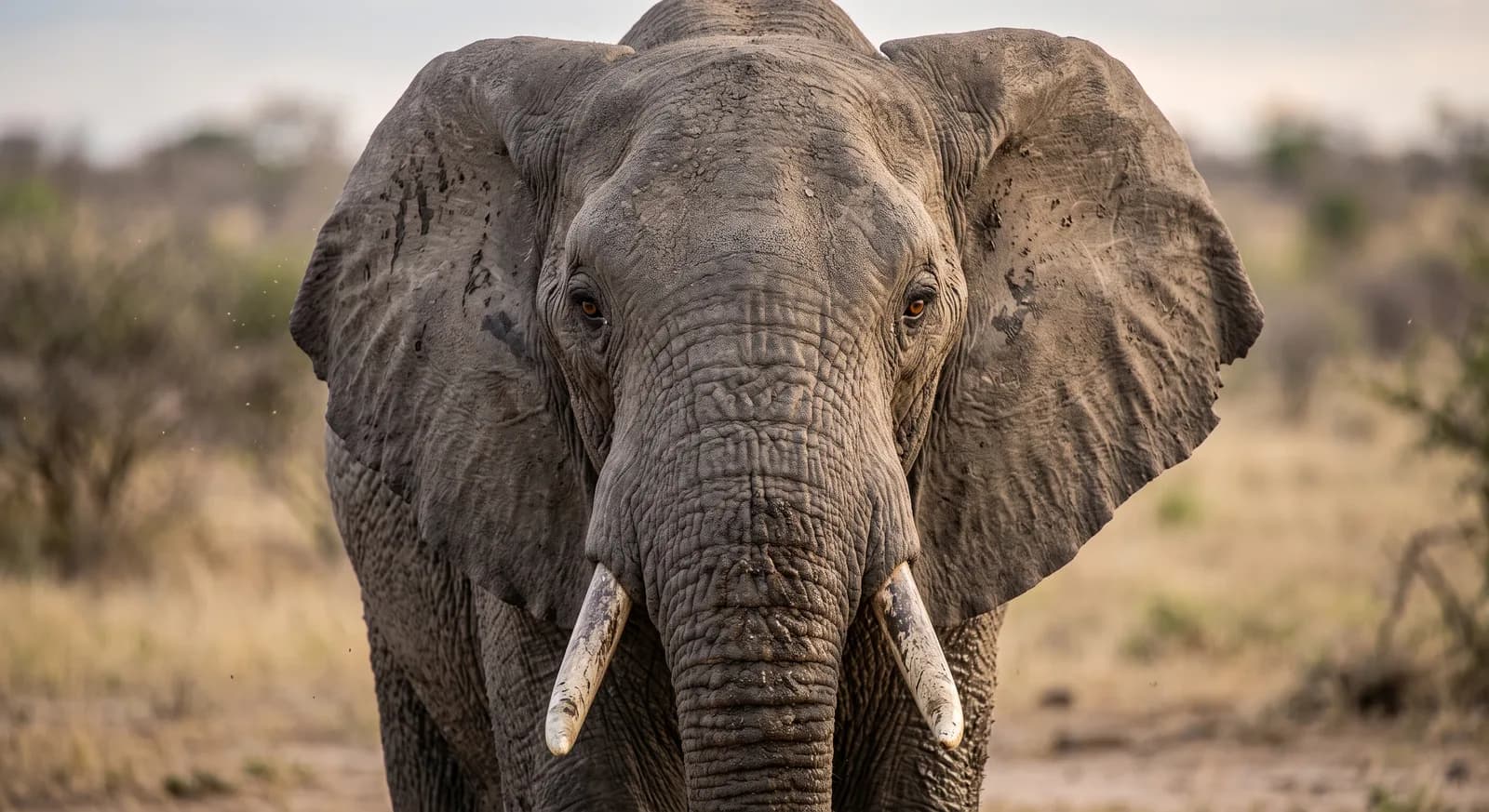
Zakouma lost around ninety per cent of its elephants between 2002 and 2010 to poaching and has recovered its population after a radical change of management and patrolling. The shrinking of Lake Chad affects fisheries, grazing and waterbirds.
Zakouma between February and April, at the height of the dry season, when wildlife concentrates at the pools. The Ennedi in winter for relict crocodiles and rock art. Ouadi Rimé for reintroduced oryx and gazelles.
Where else might I want to travel?
Same region: Central Africa
Same region: Central Africa
Same region: Central Africa
Same region: Central Africa
190 species found
Based on what we already know about Chad.