Conservation AreaUNESCO World HeritageBiosphere Reserve
Ngorongoro
East AfricaDesignated in 19598,292 km²
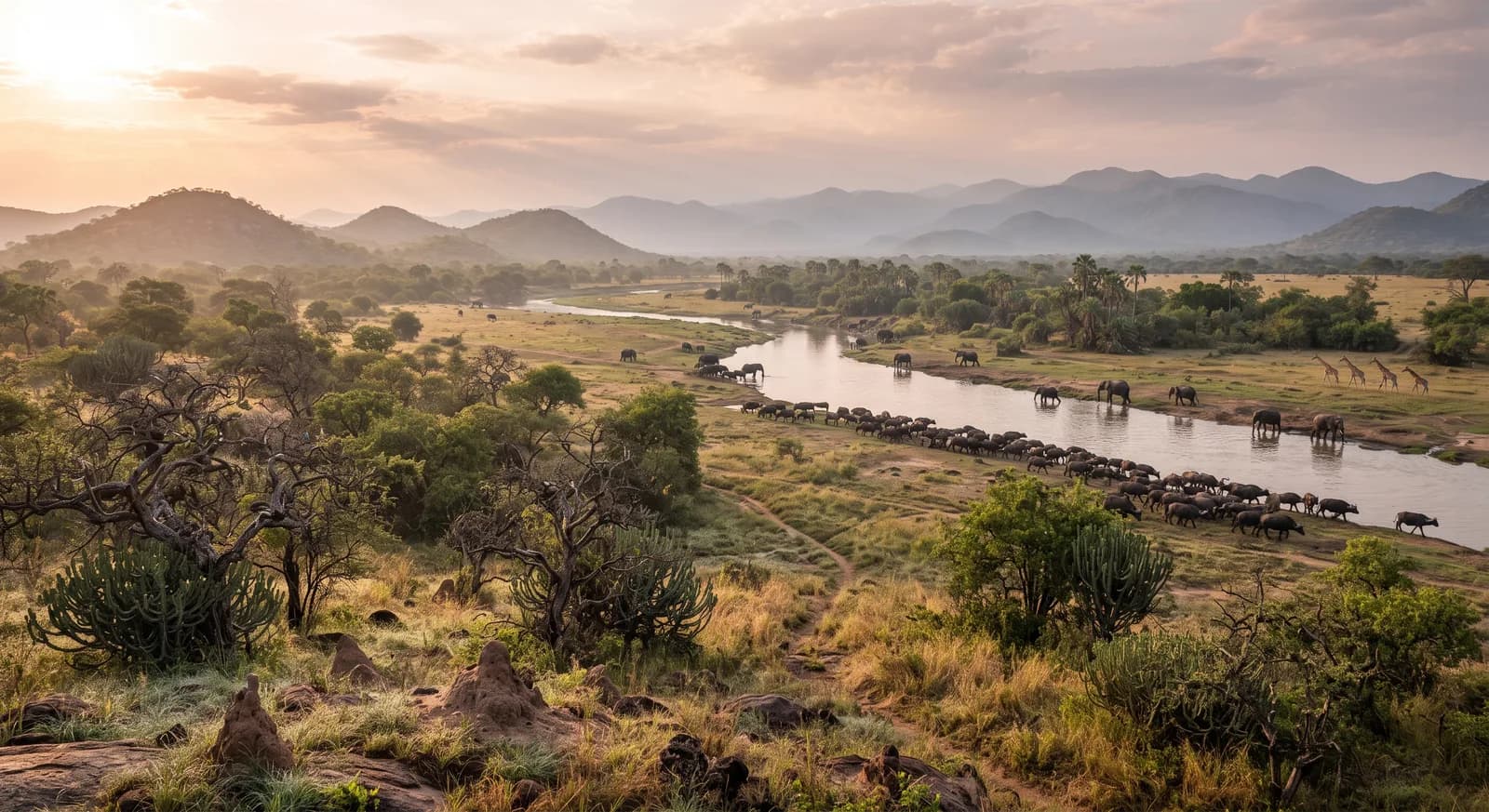
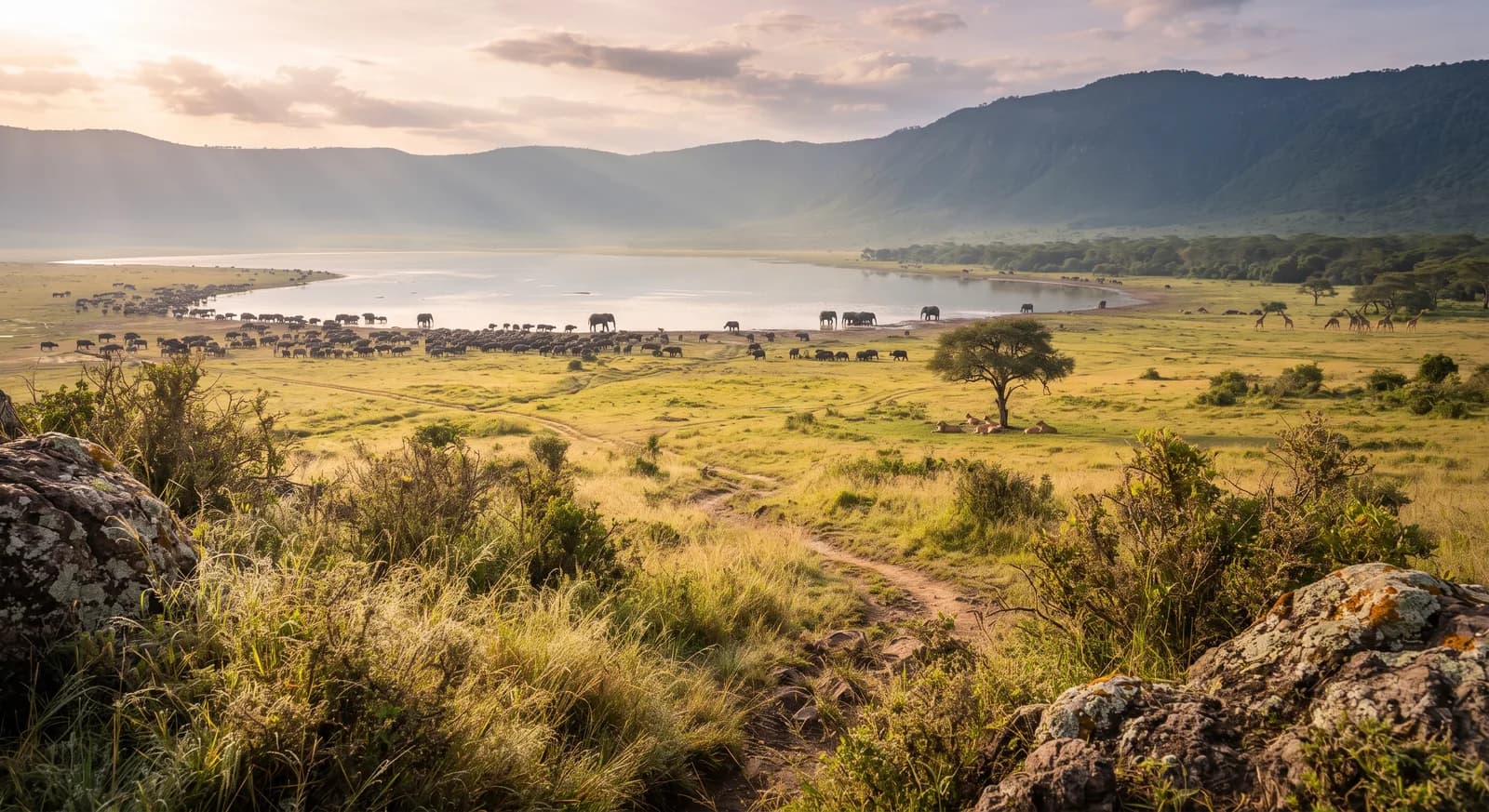
The largest intact, unflooded volcanic caldera in the world, with one of the highest densities of wildlife in Africa
Area
8,292 km²
Designated in
1959
Region
East Africa
Declared in 1959 when the old Serengeti National Park was divided, Ngorongoro represents an unusual model of protected-area management: unlike a conventional national park, it allows wildlife to live alongside the traditional herding of the Maasai, who were moved out of the Serengeti precisely so that this multiple use could be preserved here. Its crater, formed 2-3 million years ago when a volcano larger than Kilimanjaro collapsed in on itself, is the largest intact, unflooded volcanic caldera in the world, its walls rising as much as 600 metres and acting as a natural barrier that keeps much of its wildlife — including one of the greatest concentrations of predators in Africa — all but confined within the crater year-round. It is also celebrated for the nearby palaeoanthropological site of Olduvai Gorge, where Louis and Mary Leakey unearthed in the 1950s and 1960s some of the oldest human fossils ever found.
Location
Loading map…
Ngorongoro: 80 documented species
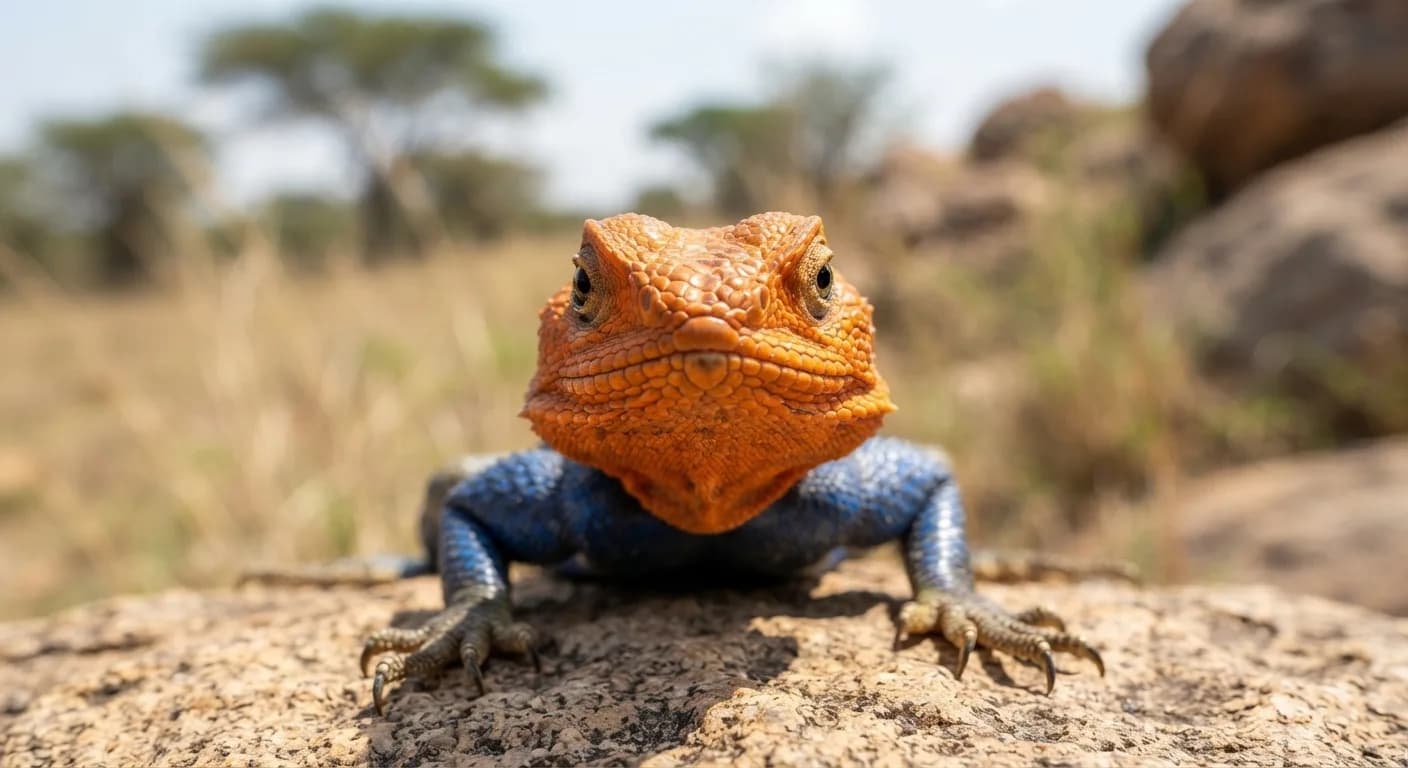
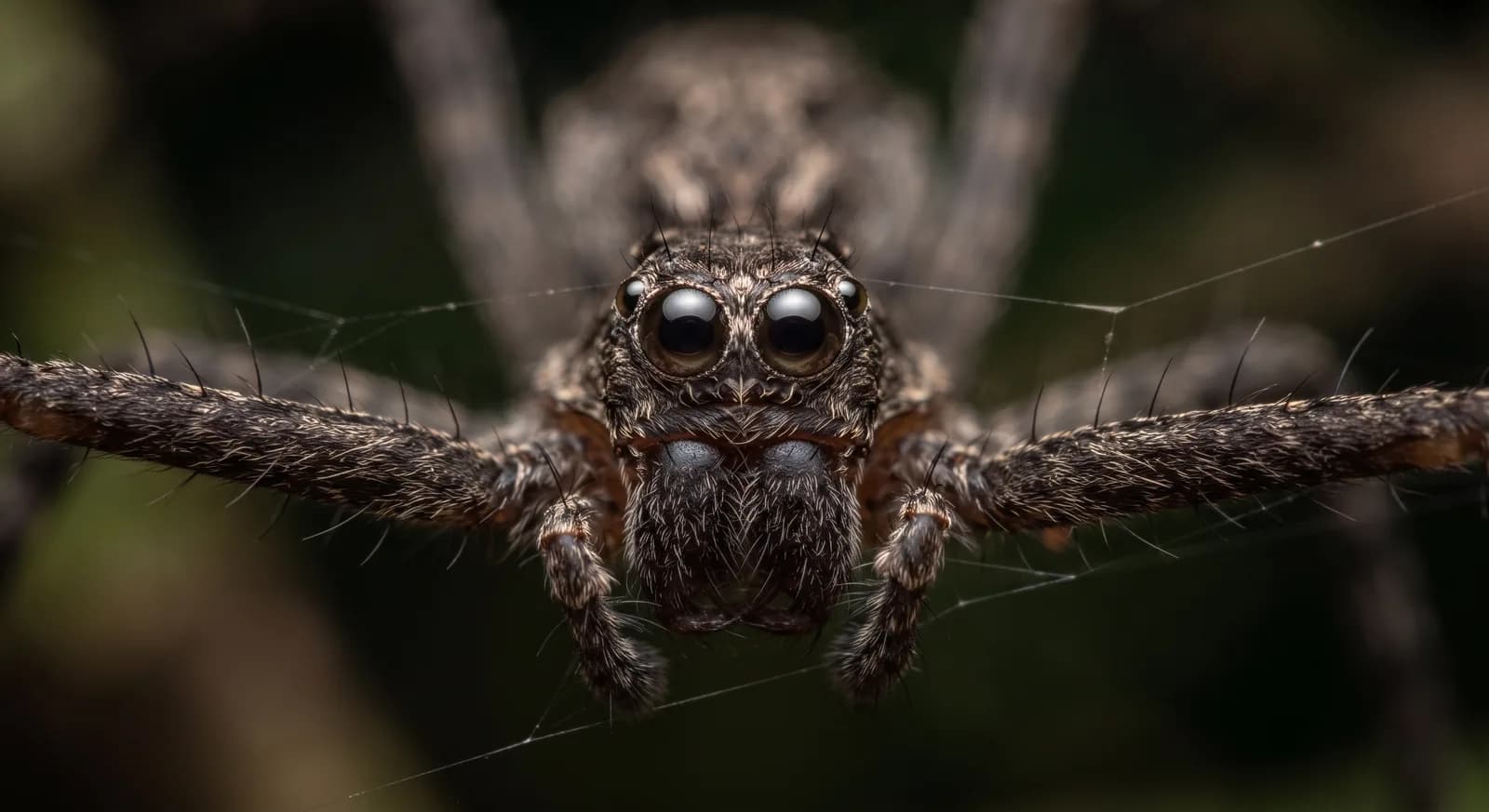
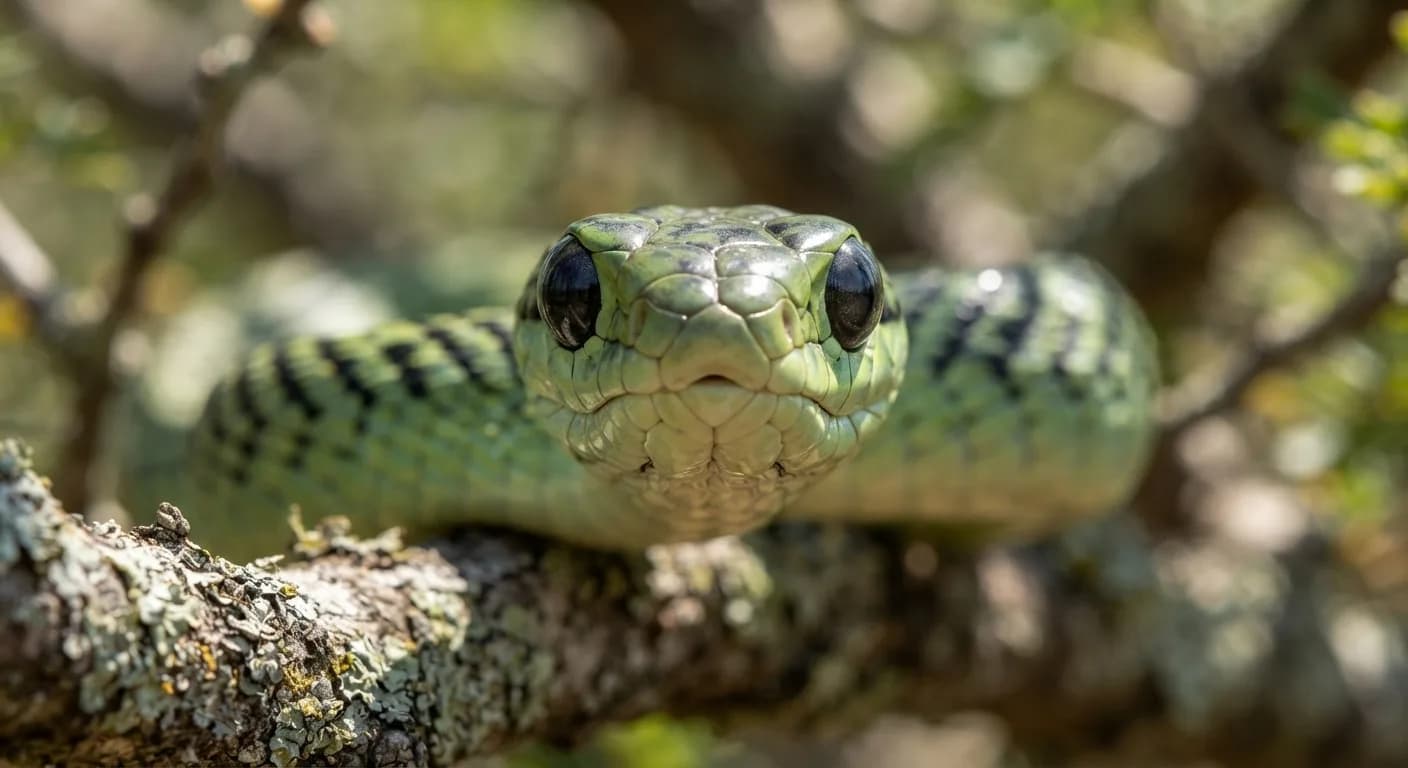
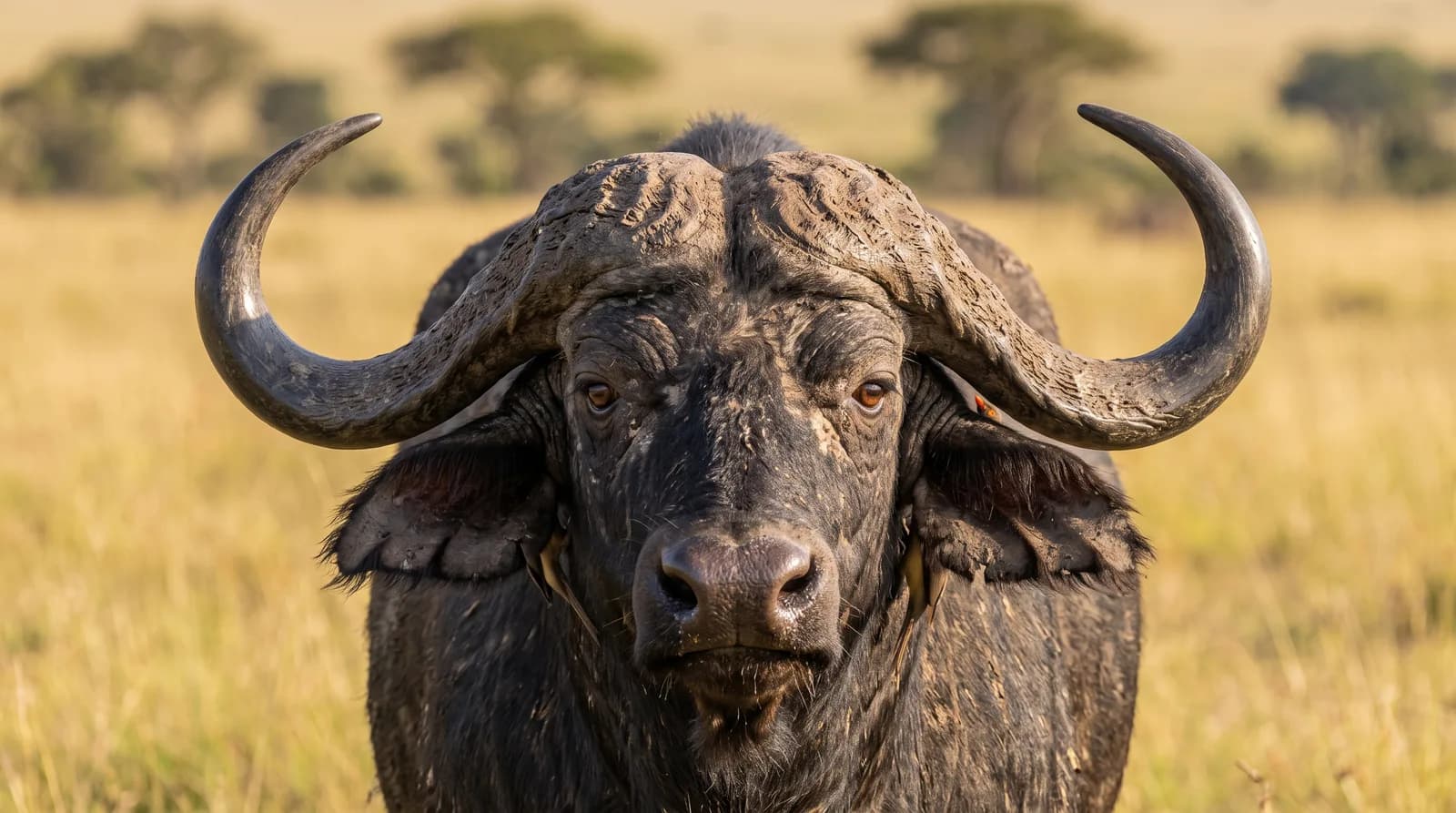
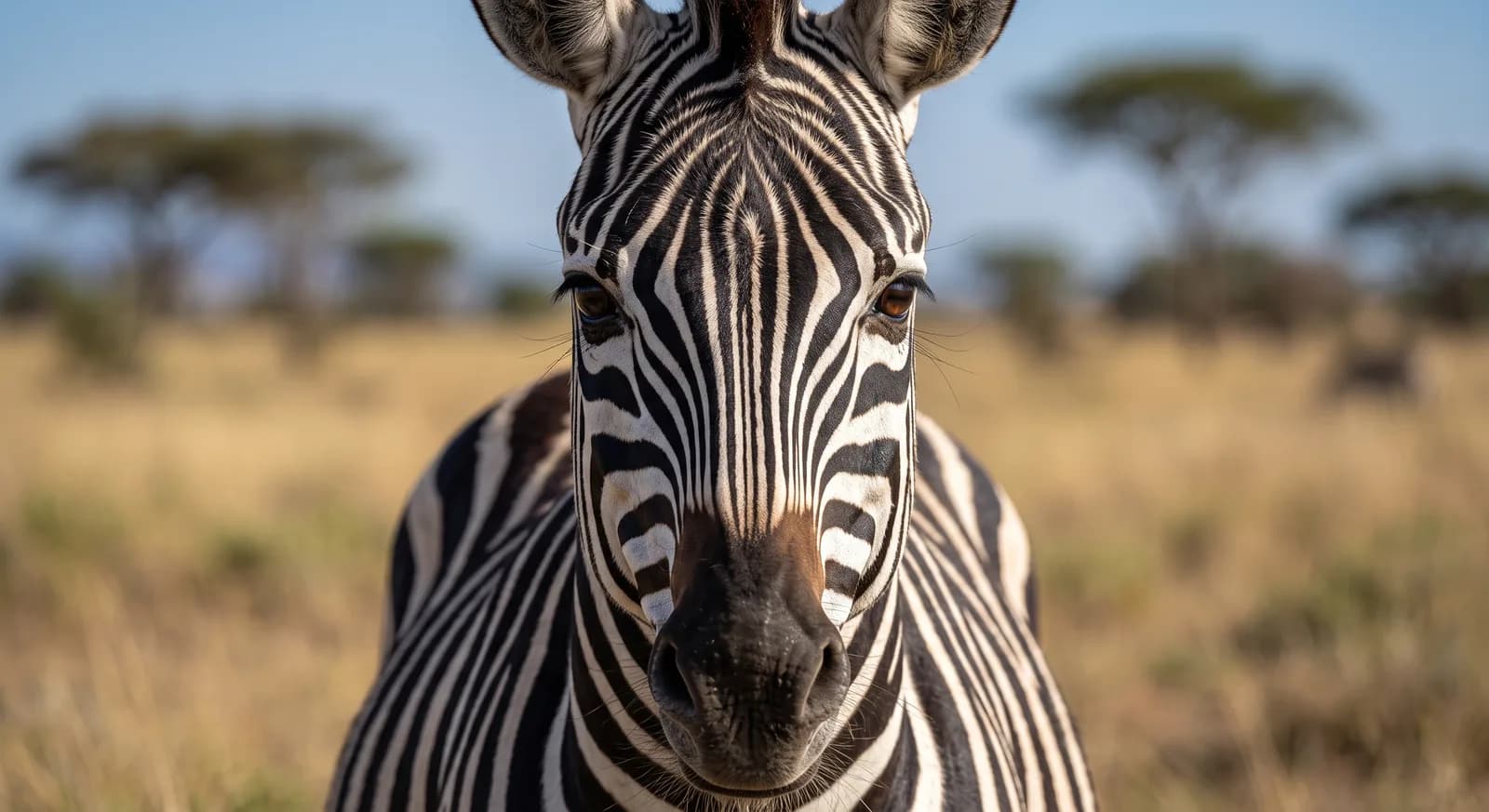
Mammals34Birds24Reptiles11Amphibians
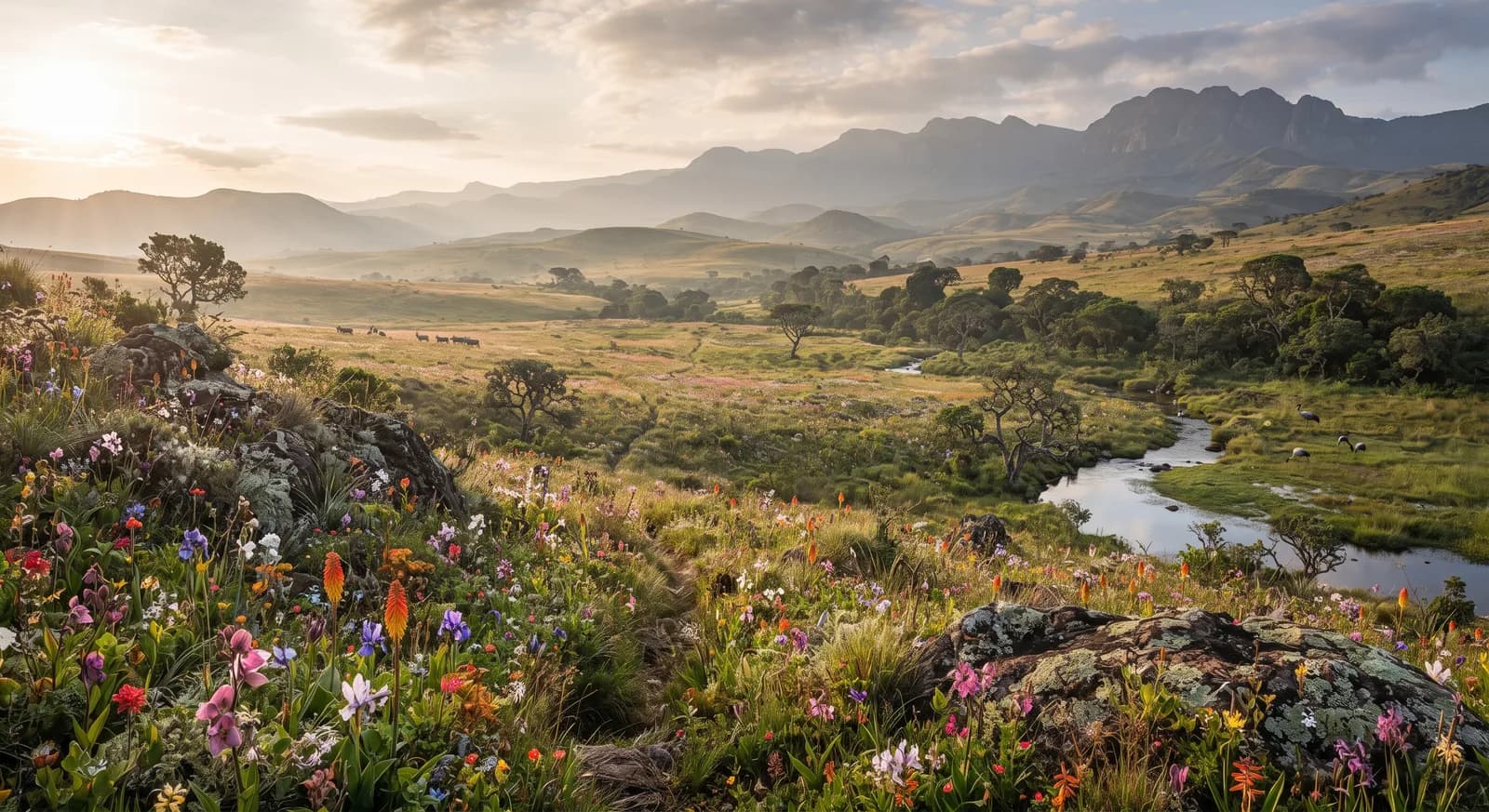
Flora and ecosystems
Ecosystems found in Tanzania, where Ngorongoro lies.
SavannahMarine / coastal
Experiences in this park
SafariBirdwatching
Wildlife you can see now
What is worth looking out for this month in Tanzania?
Now is a good time: Great Migration: the Mara River crossing (July to October)
Now is a good time: Great Migration: the Mara River crossing (July to October)
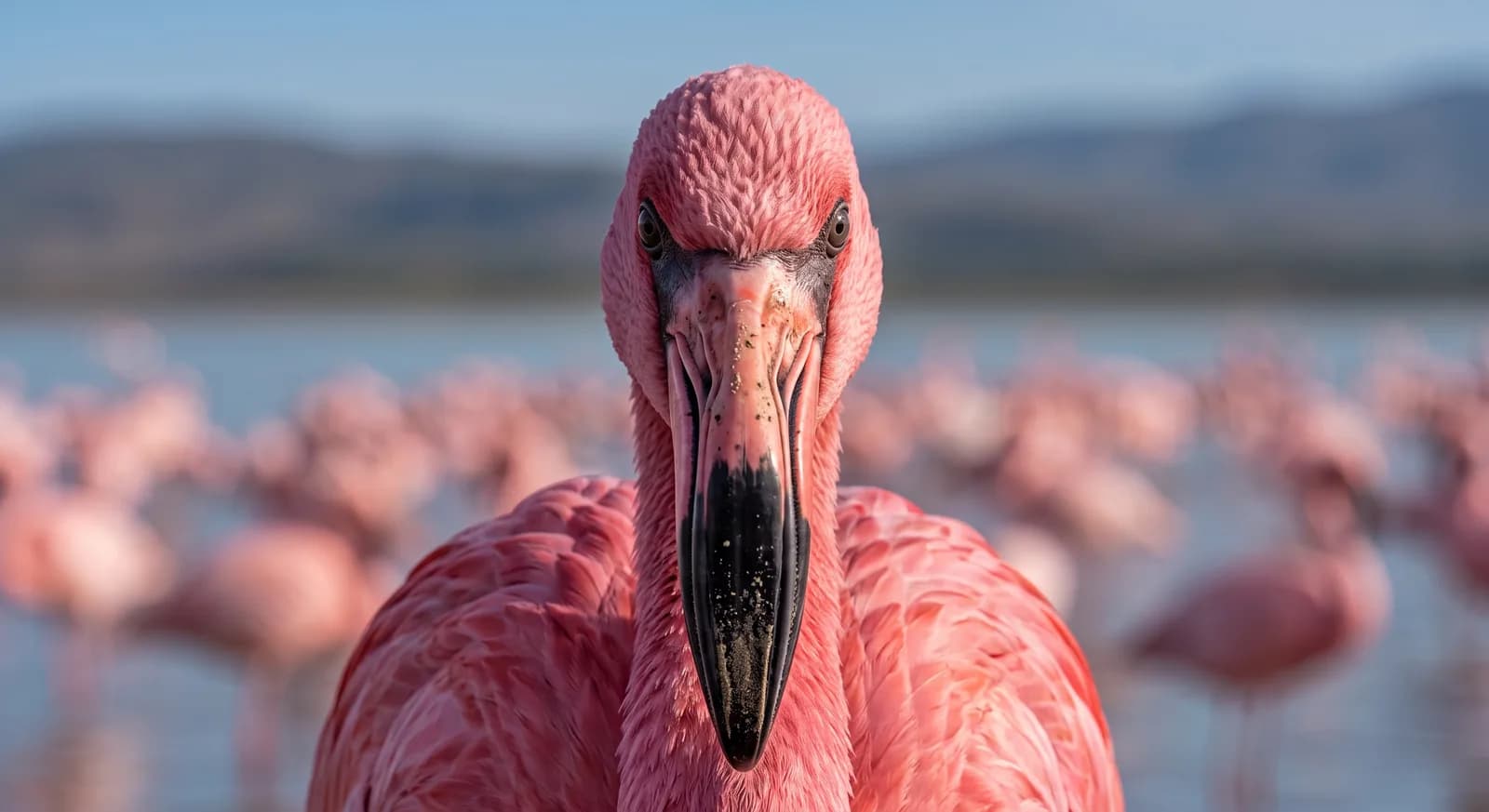
Now is a good time: Lesser flamingo breeding at Lake Natron (June to October (nesting Aug-Oct))
Similar parks
Which other parks are like this one?
Same country: Tanzania
Same country: Tanzania
Same country: Tanzania
Same country: Tanzania
Keep exploring
Based on what we already know about this park.
Comments
Share your experience visiting Ngorongoro, or a tip for other travellers.
Be the first to comment.

 Tanzania