 Vulnerable
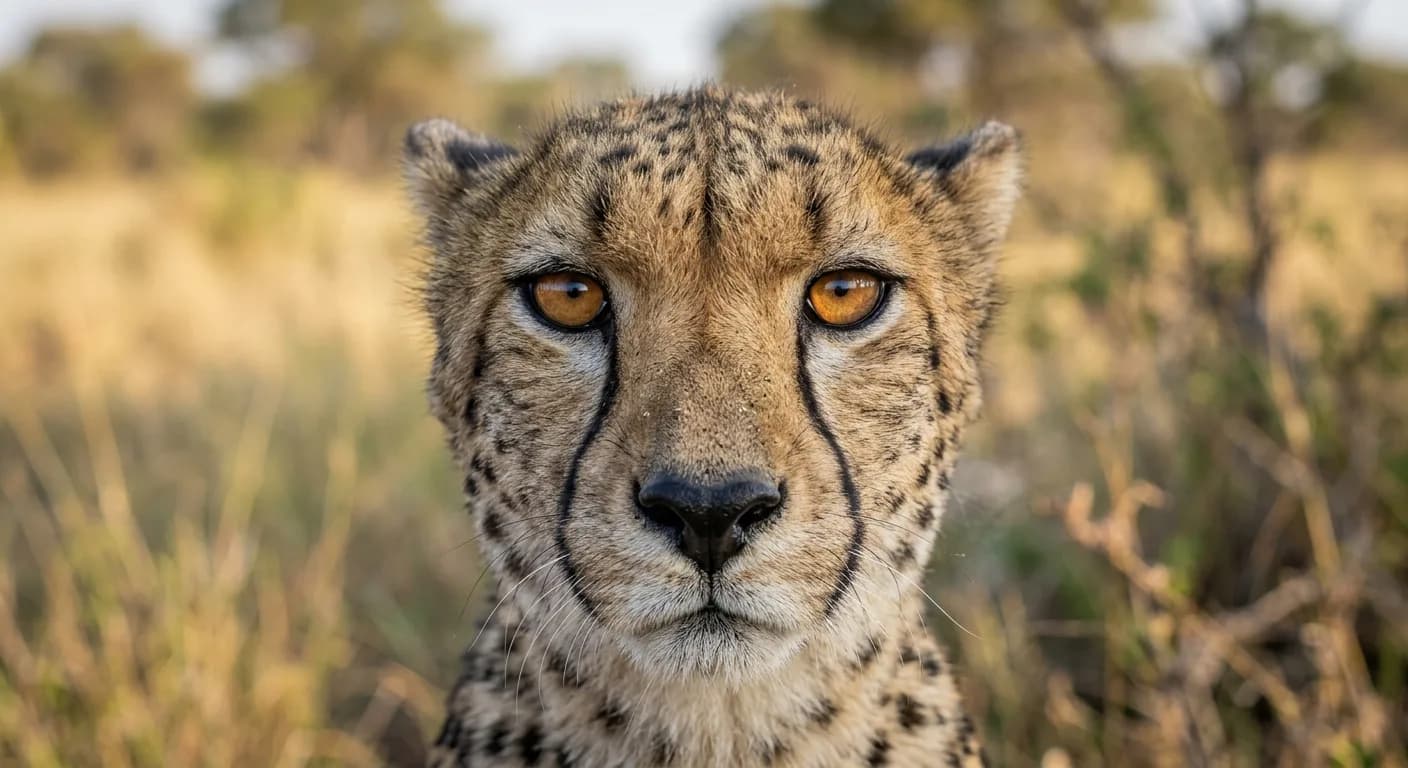
Cheetah
Acinonyx jubatus
One of the 8 hornbills on WAnimals
Birds · Bucerotiformes · Bucerotidae
Bucorvus leadbeateri
At high risk of extinction in the wild over the medium term.
The southern ground hornbill is a large black bird, the size of a turkey, with a bare face and throat of intense red. Unlike the other hornbills it lives on the ground and walks about in search of reptiles, insects, rodents and other birds. It lives in family groups with cooperative breeding and an extraordinarily slow biology: a pair raises one chick every three years, and the young do not breed until past their first decade.
Weight
3.3 kg – 4.4 kg
Size
90 cm – 1.3 m
Life expectancy
50 years
Diet
Carnivore
Feeds mainly on other animals.
Activity
Diurnal
Active mainly during the day.
Social structure
Family group
Lives in small family groups with close bonds.
Sighting difficulty
Moderate
Sources consulted: https://es.wikipedia.org/wiki/Bucorvus_leadbeateri
Best time: All year round in the savannahs of southern and eastern Africa, by day; it walks in family parties and its deep call carries for kilometres.
Parks and dive sites where this species has been documented — showing 10 of 32.
Other species in the catalogue with the most in common with Southern Ground-Hornbill — same habitat, park, country, tags or family.
The southern ground-hornbill is classified as vulnerable. Organisations such as the IUCN, WWF and the Wildlife Conservation Society work specifically on its conservation and that of its habitat; looking into their programmes is a good starting point if you want to get involved.
It's documented in 10 protected areas — one reason why protecting these places matters for its conservation.
Based on what we already know about southern ground-hornbill.
Share an experience, a fun fact or a tip for seeing the southern ground-hornbill.
Be the first to comment.
The pins mark the parks where its presence is documented.