- Skeleton type
- Vertebrate - internal bony skeleton (mammal)
- Habitat and environment
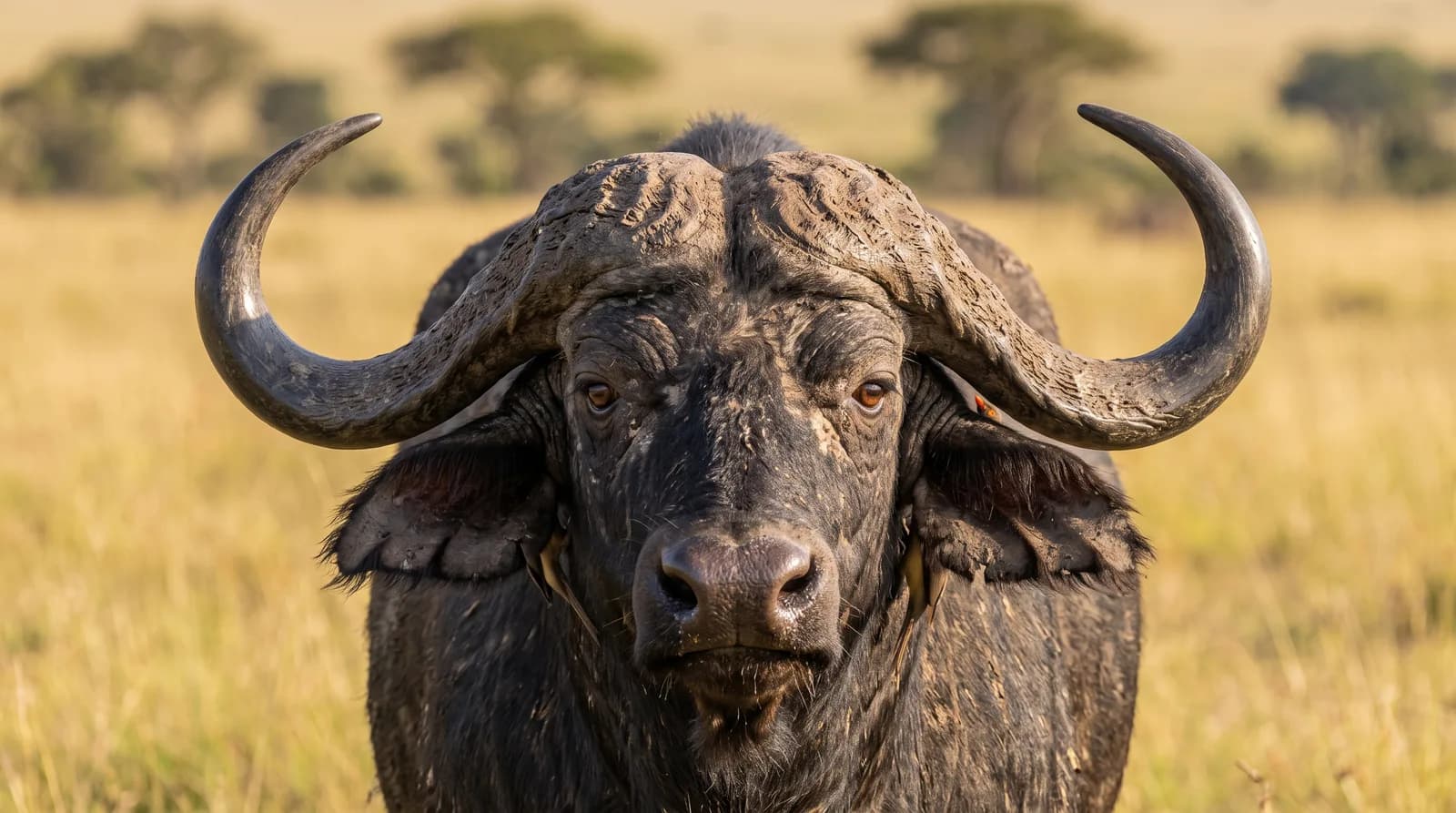
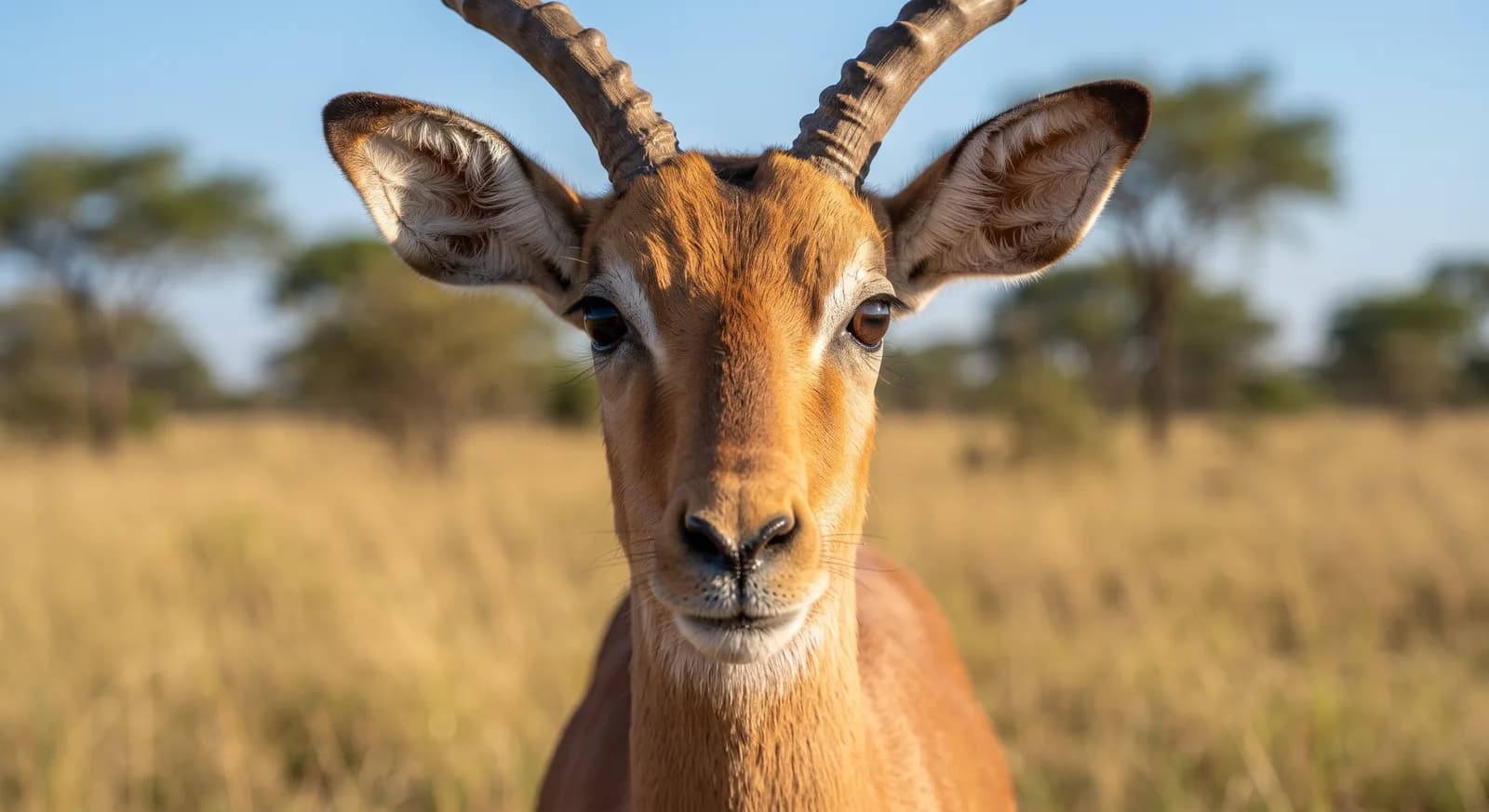
- Savannas, open woodland and tropical forest across much of sub-Saharan Africa, depending on the subspecies
- Birth weight
- 23-60 kg at birth (up to 55-60 kg in the Cape buffalo)
- Size at birth
- 23-60 kg at birth
- Sexual maturity
- Female: ~5 years | Male: ~8 years
- Gestation / incubation
- 330-346 days (~340 days)
- Litter / clutch size
- 1 calf per birth (twins very rare)
- Life expectancy in captivity
- Documented record of up to 29-32.8 years
Sources consulted: Ultimate Ungulate (detailed information) · Dimensions.com · A-Z Animals · The Animal Facts · AnAge (genomics.senescence.info) · Britannica (Cape buffalo) · Animal Corner · SA-Venues · IUCN SSC Antelope Specialist Group 2019, IUCN Red List (Casi amenazado): descenso del 18 % entre 1999 y 2014 por caza furtiva, conversión del hábitat y enfermedades · IUCN SSC Antelope Specialist Group 2019, IUCN Red List e.T21251A50195031 · San Diego Zoo Wildlife Alliance Library