Skip to content
WAnimals
  • Map
  • Species
  • Parks
  • Diving
Log inCreate account
WAnimals

The guide for travellers and animal lovers: discover, plan and share your wild adventures around the world.

Discover wildlife

  • Species
  • Ecosystems
  • Glossary
  • Tags

Explore places

  • Map
  • Countries
  • Parks
  • Diving

Plan experiences

  • Guides

Learn

  • Blog

Resources

  • Help centre
  • Contact
  • Install the app

Follow us

Account

  • Log in
  • Create account

© 2026 WAnimals. All rights reserved.

About usHow we build our profilesTerms of servicePrivacyLegal notice
MapSpeciesParksDiving
  1. Home
  2. Species
  3. Lesser Kudu

One of the 2 kudus on WAnimals
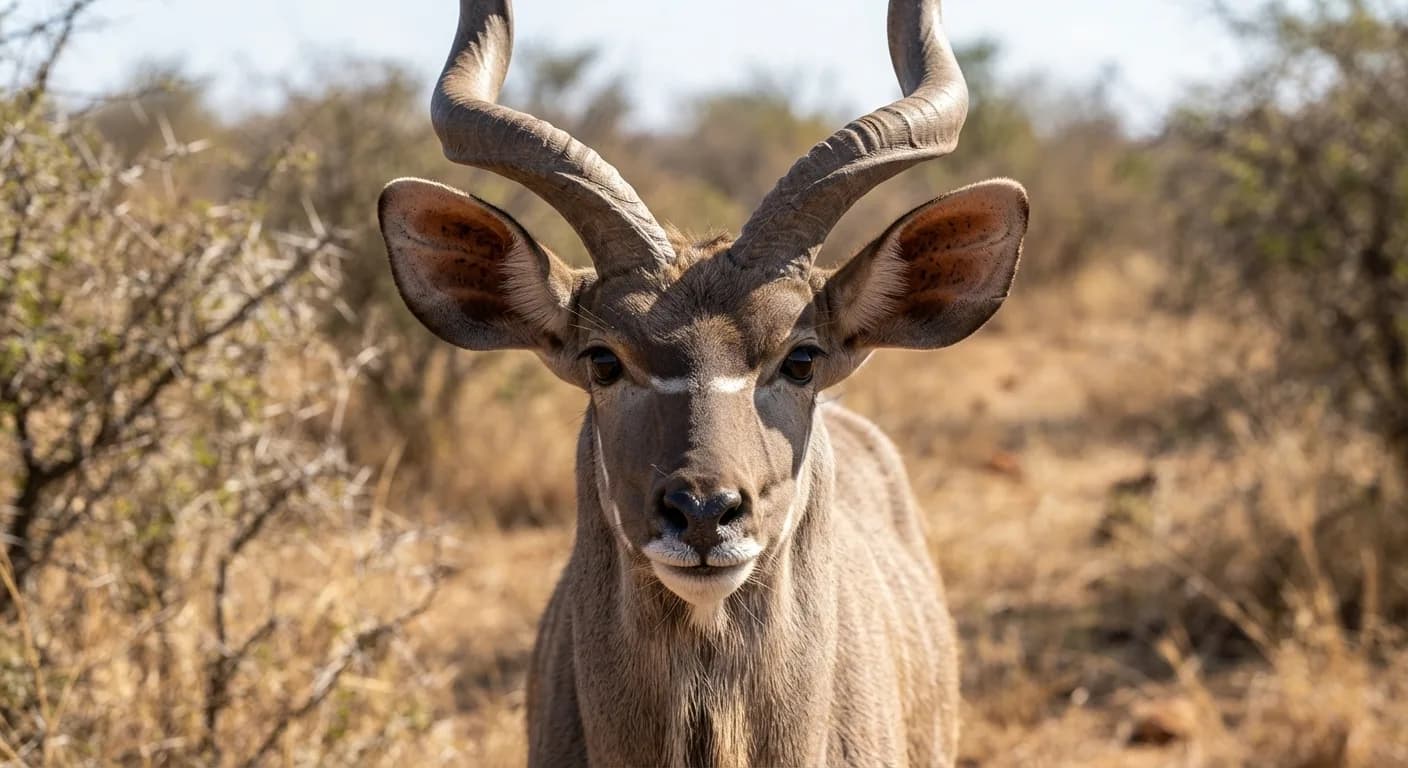
Lesser Kudu (Tragelaphus imberbis)

Mammals · Artiodactyla · Bovidae

Lesser Kudu

Tragelaphus imberbis

Near Threatened

It could become threatened in the near future if current threats go unchecked.

Spotted something wrong?

The lesser kudu is an elegant antelope of the arid scrub of East Africa, smaller and more slender than the greater kudu. It has a grey body with a dozen fine vertical white stripes, two white patches on the throat and tan-coloured legs. Only the males carry horns, in an open spiral. It is extremely unobtrusive: it stands motionless in the scrub and only bolts at the last moment, in leaps of more than two metres. It has virtually no need to drink.

Weight

56 kg – 108 kg

Size

1.1 m – 1.8 m

Life expectancy

15 years
Diet

Herbivore

Feeds mainly on plants.

Activity

Crepuscular

Active mainly at dawn and dusk.

Sighting difficulty

Moderate

SavannaDesert
43countries8parks86same family

AI-generated images: illustrations, not photographs.

Fun facts

  • GeneralVery shy: it freezes in the scrub rather than running.
  • It leaps more than two and a half metres vertically from a standing start, an ability it uses to cross thorn scrub instead of going round it.
  • It does not drink: it meets its water needs from the leaves and fruit it browses, which lets it occupy parts of the Horn of Africa where there is no surface water for months on end.

Life cycle and biology

Skeleton type
Vertebrate - internal bony skeleton (mammal)
Habitat and environment
Dense thorn scrub and dry acacia woodland of the Horn of Africa and East Africa
Sexual maturity
16.6 months
Gestation / incubation
7.7 months
Litter / clutch size
1

Sources consulted: https://es.wikipedia.org/wiki/Tragelaphus_imberbis

Where to find it

Loading map…

Where to see it

Parks and dive sites where this species has been documented.

Related species

Other species in the catalogue with the most in common with Lesser Kudu — same habitat, park, country, tags or family.

Same taxonomic family

Related guides

Keep exploring

Based on what we already know about lesser kudu.

Comments

Share an experience, a fun fact or a tip for seeing the lesser kudu.

Be the first to comment.

See full glossary
This page in other languages: Español · Deutsch · Français · Português · Italiano

The pins mark the parks where its presence is documented.

See its range on the interactive map→
TsavoKenya
RuahaTanzania
Kidepo ValleyUganda
TarangireTanzania
AwashEthiopia
OmoEthiopia
MagoEthiopia
Chyulu HillsKenya
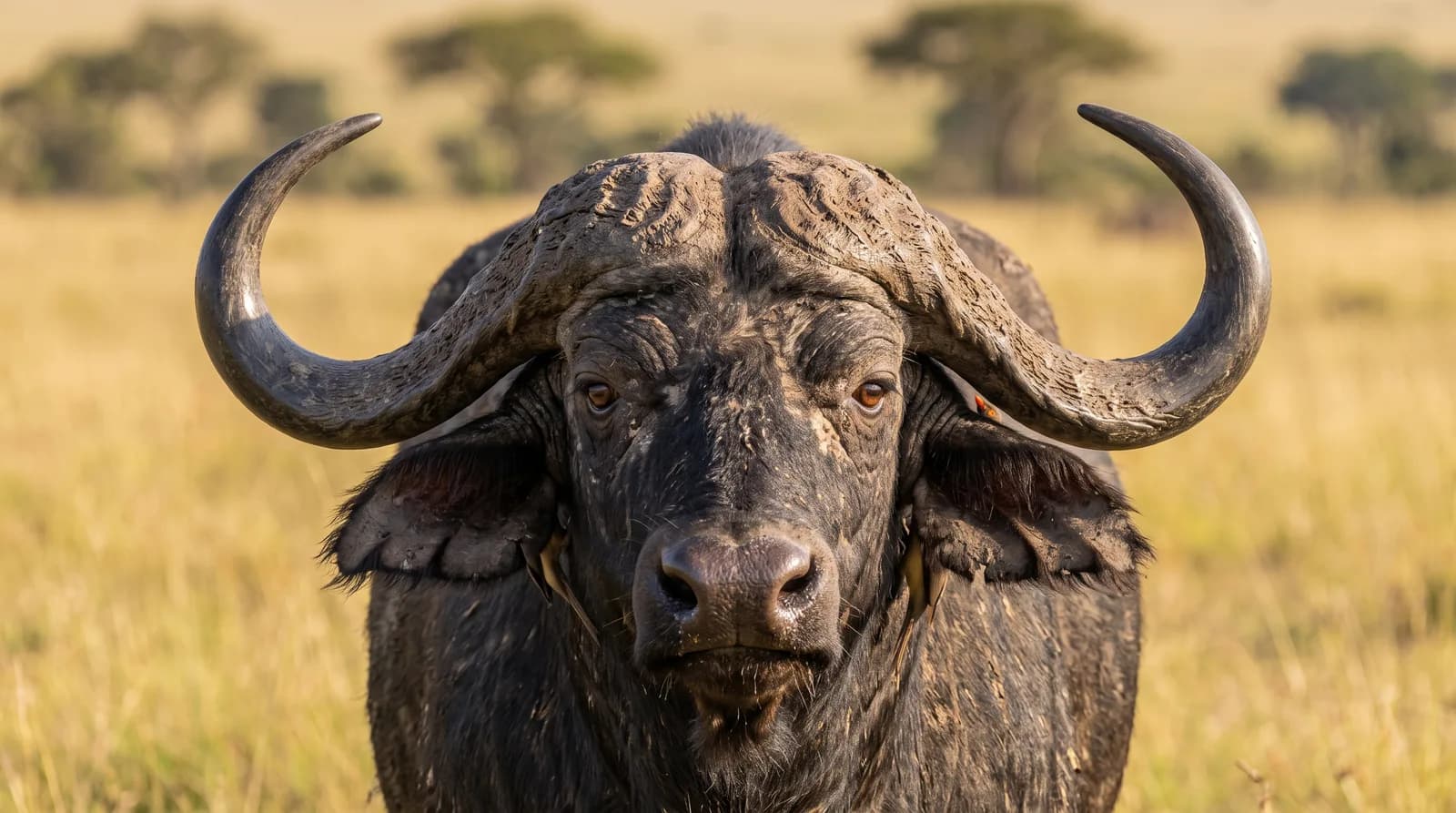
African BuffaloNear Threatened

African Buffalo

Syncerus caffer

GerenukNear Threatened

Gerenuk

Litocranius walleri

HirolaCritically Endangered

Hirola

Beatragus hunteri

Least Concern

Klipspringer

Oreotragus oreotragus

Least Concern

Kirk's Dik-dik

Madoqua kirkii

Greater KuduLeast Concern

Greater Kudu

Tragelaphus strepsiceros

Where to see Lesser Kudu8 places
CountriesEthiopia
ParksTsavoKenya
TagsHerbivore
Herbivore
Crepuscular
Near Threatened
Savanna
Desert
Mammal
Ethiopia
Kenya
Tanzania
Uganda
Angola
Benin
Angola
Benin
Botswana
Burkina Faso
Burundi
Cameroon
Central African Republic
Chad
Côte d’Ivoire
Democratic Republic of the Congo
Djibouti
Equatorial Guinea
Eritrea
Eswatini
Ethiopia
Gabon
Gambia
Ghana
Guinea
Guinea-Bissau
Kenya
Lesotho
Liberia
Malawi
Mali
Mauritania
Mozambique
Namibia
Niger
Nigeria
Republic of the Congo
Rwanda
Senegal
Sierra Leone
Somalia
South Africa
South Sudan
Sudan
Tanzania
Togo
Uganda
Zambia
Zimbabwe