Skip to content
WAnimals
  • Map
  • Species
  • Parks
  • Diving
Log inCreate account
WAnimals

The guide for travellers and animal lovers: discover, plan and share your wild adventures around the world.

Discover wildlife

  • Species
  • Ecosystems
  • Glossary
  • Tags

Explore places

  • Map
  • Countries
  • Parks
  • Diving

Plan experiences

  • Guides

Learn

  • Blog

Resources

  • About us
  • How we build our profiles
  • Help centre
  • Contact
  • Install the app

Follow us

Account

  • Log in
  • Create account

© 2026 WAnimals. All rights reserved.

Terms of servicePrivacyCookiesLegal notice
MapSpeciesParksDiving
  1. Home
  2. Species
  3. Steenbok

Mammals · Artiodactyla · Bovidae

Steenbok

Raphicerus campestris

Least Concern

The species is abundant and widely distributed; it faces no significant short-term risk.

Spotted something wrong?

The steenbok is a species of artiodactyl mammal of the subfamily Antilopinae. It is a small African antelope, similar in appearance to the oribi, distributed across the savannahs of eastern and southern Africa. It is very agile and prefers the most nutritious and tender shoots, new leaves, flowers and fruit. It is the only bovid that first scrapes at the ground with its feet, in order to defecate and urinate there. It weighs up to 11 kilograms. It may live in pairs or be solitary. Conservation status: common, low risk.

Weight

7 kg – 16 kg

Size

70 cm – 95 cm

Life expectancy

10 years

Diet

Herbivore

Feeds mainly on plants.

Activity

Diurnal

Active mainly during the day.

Social structure

Solitary

Lives and hunts alone, joining others only to breed.

SavannaDesertGrassland
42countries18parks86same family

Fun facts

  • GeneralIt scrapes the ground to bury its droppings and leave predators no trail.
  • It buries its droppings and urine by scraping a hole with its front feet and covering it afterwards, a behaviour that is uncommon among antelopes and that probably reduces its scent trail.
  • In many parts of its range it never drinks: it meets its water needs from the roots, tubers and succulent leaves it eats.

Life cycle and biology

Skeleton type
Vertebrate - internal bony skeleton (mammal)
Habitat and environment
Open savannah, grassland and dry scrub with grass cover of eastern and southern Africa
Sexual maturity
7.8 months
Gestation / incubation
6.5 months
Litter / clutch size
1

Sources consulted: Wikipedia (es): Raphicerus campestris

Where to find it

Loading map…

Where to see it

Parks and dive sites where this species has been documented — showing 10 of 18.

Related species

Other species in the catalogue with the most in common with Steenbok — same habitat, park, country, tags or family.

Same taxonomic family

Keep exploring

Based on what we already know about steenbok.

Share an experience, a fun fact or a tip for seeing the steenbok.
See full glossary
This page in other languages: Español · Deutsch · Français · Português · Italiano

The pins mark the parks where its presence is documented.
See its range on the interactive map→
Serengeti National ParkTanzania
Kruger National ParkSouth Africa
KgalagadiSouth Africa
Moremi (Okavango Delta)Botswana
ChobeBotswana
EtoshaNamibia
Namib-NaukluftNamibia
HwangeZimbabwe
South LuangwaZambia
KafueZambia
See all 18 parks
Least Concern

Klipspringer

Oreotragus oreotragus

Least Concern

Kirk's Dik-dik

Madoqua kirkii

Least Concern

Hartebeest

Alcelaphus buselaphus

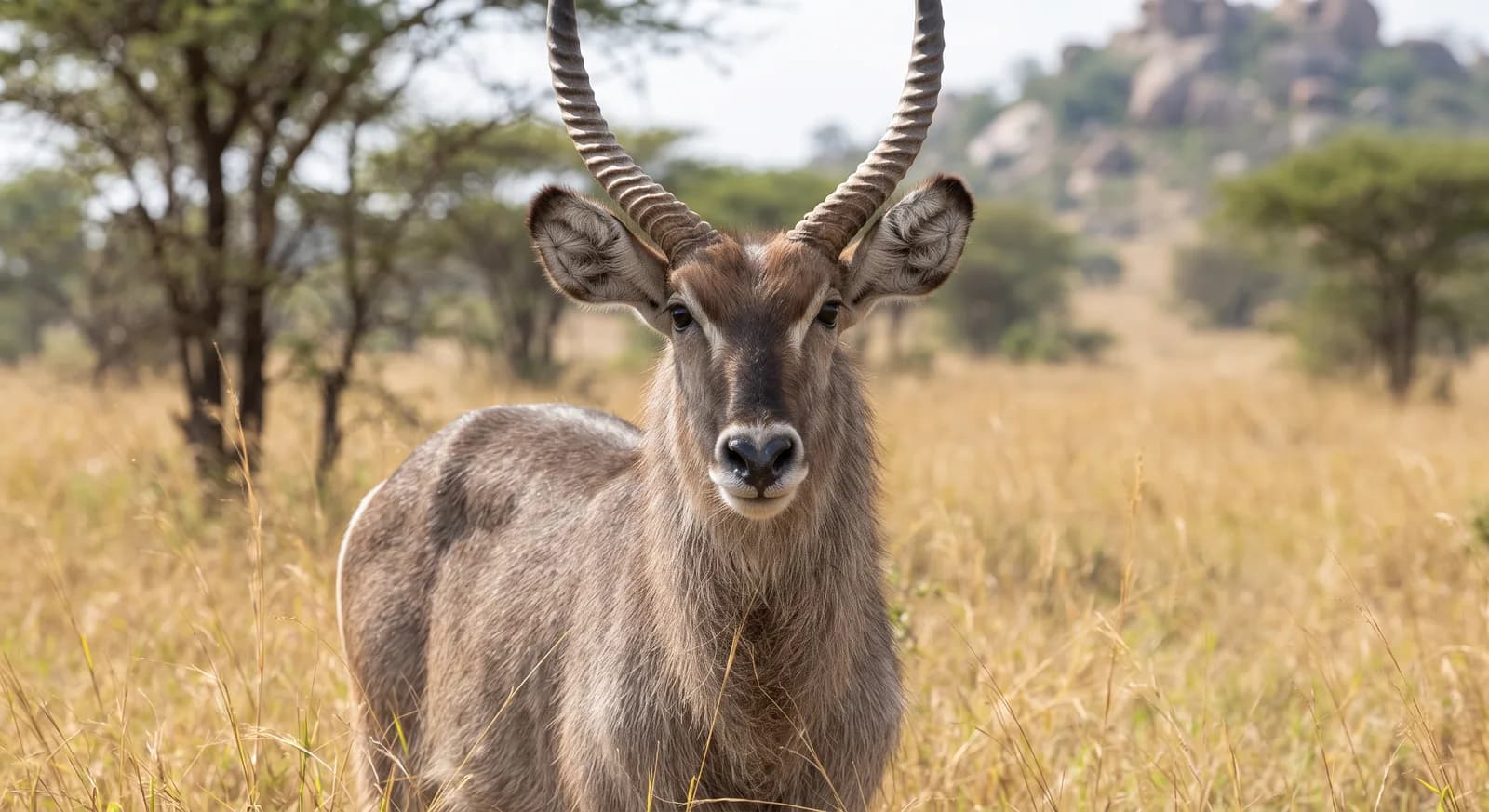
WaterbuckLeast Concern

Waterbuck

Kobus ellipsiprymnus

Least Concern

Common Duiker

Sylvicapra grimmia

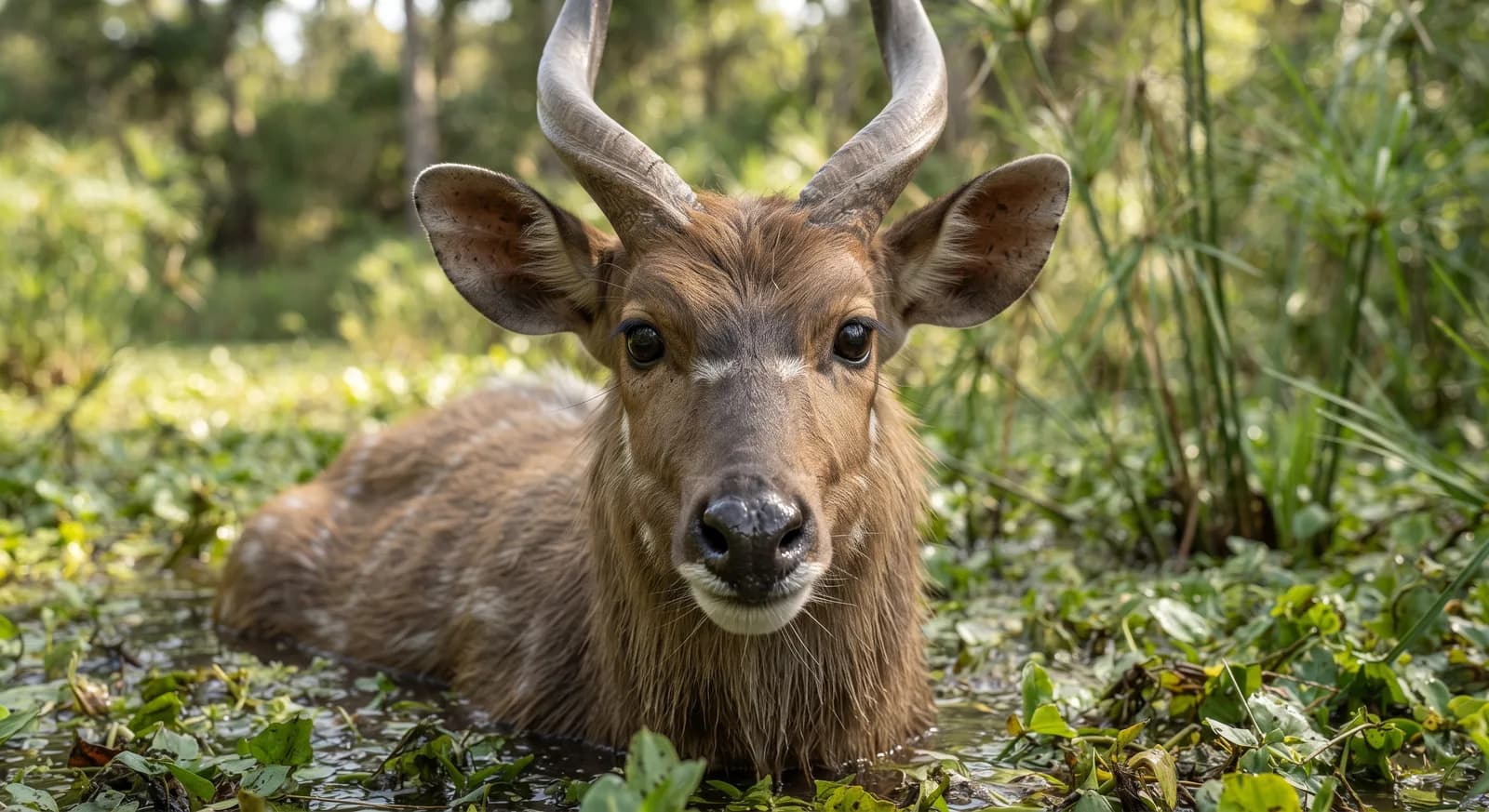
SitatungaLeast Concern

Sitatunga

Tragelaphus spekii

CountriesSouth Africa
ParksSerengeti National ParkTanzania
TagsHerbivore
Herbivore
Diurnal
Solitary
Savanna
Desert
Grassland
Mammal
South Africa
Botswana
Namibia
Tanzania
Zambia
Zimbabwe
Angola
Botswana
Burkina Faso
Burundi
Cameroon
Central African Republic
Chad
Côte d’Ivoire
Democratic Republic of the Congo
Djibouti
Equatorial Guinea
Eritrea
Eswatini
Ethiopia
Gabon
Gambia
Ghana
Guinea
Guinea-Bissau
Kenya
Lesotho
Liberia
Malawi
Mali
Mauritania
Mozambique
Namibia
Niger
Nigeria
Republic of the Congo
Rwanda
Senegal
Sierra Leone
Somalia
South Africa
South Sudan
Sudan
Tanzania
Togo
Uganda
Zambia
Zimbabwe