Skip to content
WAnimals
  • Map
  • Species
  • Parks
  • Diving
Log inCreate account
WAnimals

The guide for travellers and animal lovers: discover, plan and share your wild adventures around the world.

Discover wildlife

  • Species
  • Ecosystems
  • Glossary
  • Tags

Explore places

  • Map
  • Countries
  • Parks
  • Diving

Plan experiences

  • Guides

Learn

  • Blog

Resources

  • Help centre
  • Contact
  • Install the app

Follow us

Account

  • Log in
  • Create account

© 2026 WAnimals. All rights reserved.

About usHow we build our profilesTerms of servicePrivacyLegal notice
MapSpeciesParksDiving
  1. Home
  2. countries
  3. Réunion

Réunion

Africa

123

Documented species

0

Parks and reserves

1

Dive sites

Réunion is a young volcanic island in the Indian Ocean dominated by two massifs: the Piton des Neiges, extinct, and the Piton de la Fournaise, one of the most active volcanoes on the planet, which erupts every few months. Erosion has carved into the older massif three gigantic cirques with vertical walls — Cilaos, Salazie and Mafate — which together with the remparts form a landscape declared a World Heritage Site. Almost half the island is national park and keeps highland tamarind forests, tropical heathland and lowland rainforest. The island lost much of its original wildlife after colonisation, but it still holds endemic seabirds that nest in the mountains and come down to the sea to feed.

Nature in Réunion

National animal: The red-tailed tropicbird, the island's emblematic bird

Did you know?

Barau's petrel breeds above two thousand metres, in burrows dug into the slopes of the island's interior, and goes down to the sea to feed. Every April, the chicks setting out on their first night flight towards the ocean are disorientated by the lights of the towns and fall to the ground in their thousands. Each year the island organises nights without lights and public collection campaigns to return them to the sea.

Biodiversity profile

Conservation

Invasive species, above all rats, cats and exotic plants, and light pollution are the main threats to the endemic seabirds. The Manapany day gecko survives along a few kilometres of coast in the south of the island.

Where and when to watch wildlife

The west coast between June and October for humpback whales. The interior of the national park in April during the nights without lights. Bébour-Bélouve at dawn for endemic forest birds.

Diving and snorkelling

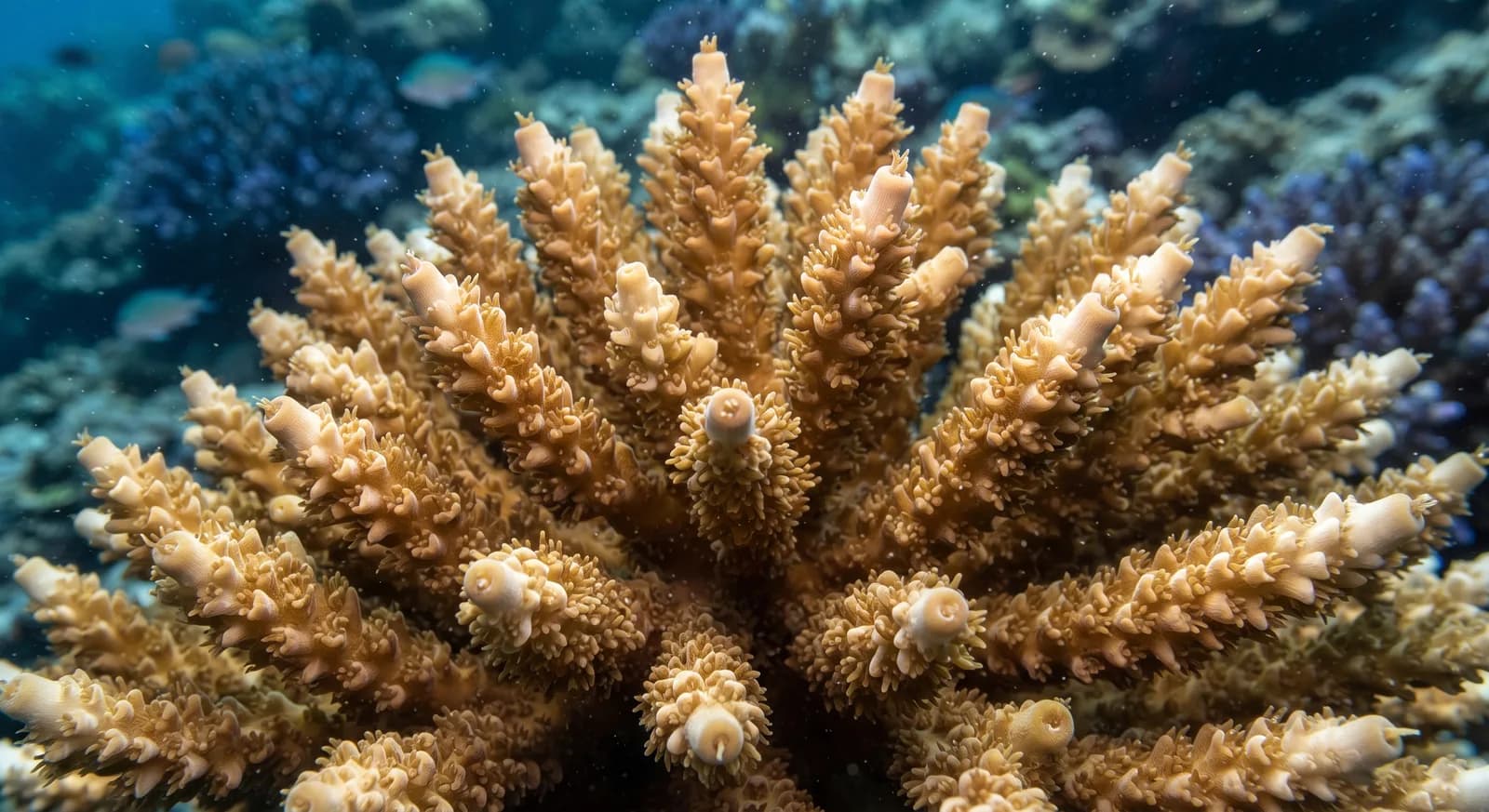
Volcanic lagoon reef

Saint-Gilles (Réunion)

A coral lagoon on an actively volcanic Indian Ocean island, with reefs reachable from the west coast.

See dive site

Similar countries

Where else might I want to travel?

Madagascar

Shared ecosystem: Tropical rainforest, Marine / coastal

Sri Lanka

Shared ecosystem: Tropical rainforest, Marine / coastal

Belize

Shared ecosystem: Tropical rainforest, Marine / coastal

Shared ecosystem: Tropical rainforest, Marine / coastal

Species documented in Réunion

Filter
Class
Family
Habitat
Diet
Conservation

123 species found

Keep exploring

Based on what we already know about Réunion.
DivingSaint-Gilles (Réunion)

Explore on the map

Interactive map

This page in other languages: Español · Deutsch · Français · Português · Italiano
Papua New Guinea
Giant ClamCritically Endangered

Giant Clam

Tridacna gigas

Staghorn CoralCritically Endangered

Staghorn Coral

Acropora cervicornis

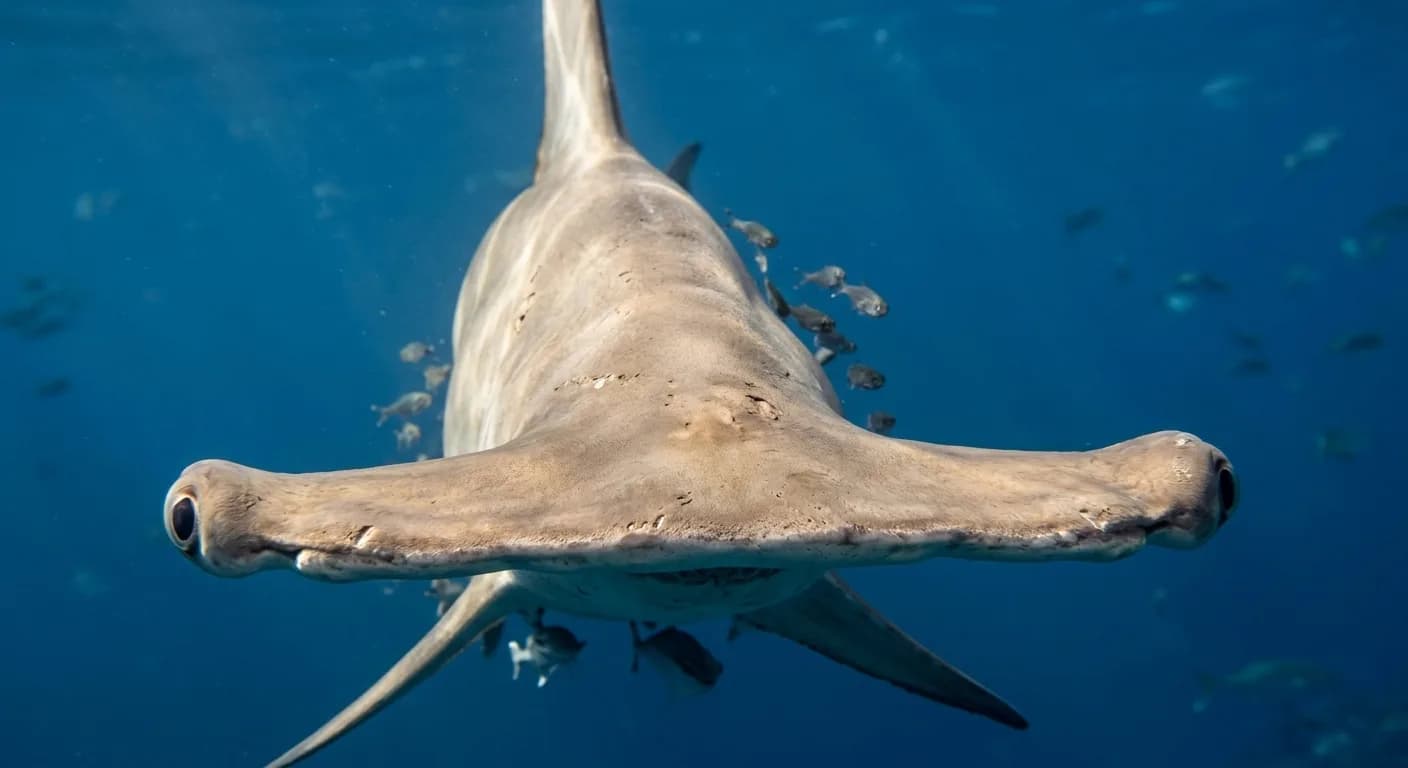
Scalloped HammerheadCritically Endangered

Scalloped Hammerhead

Sphyrna lewini

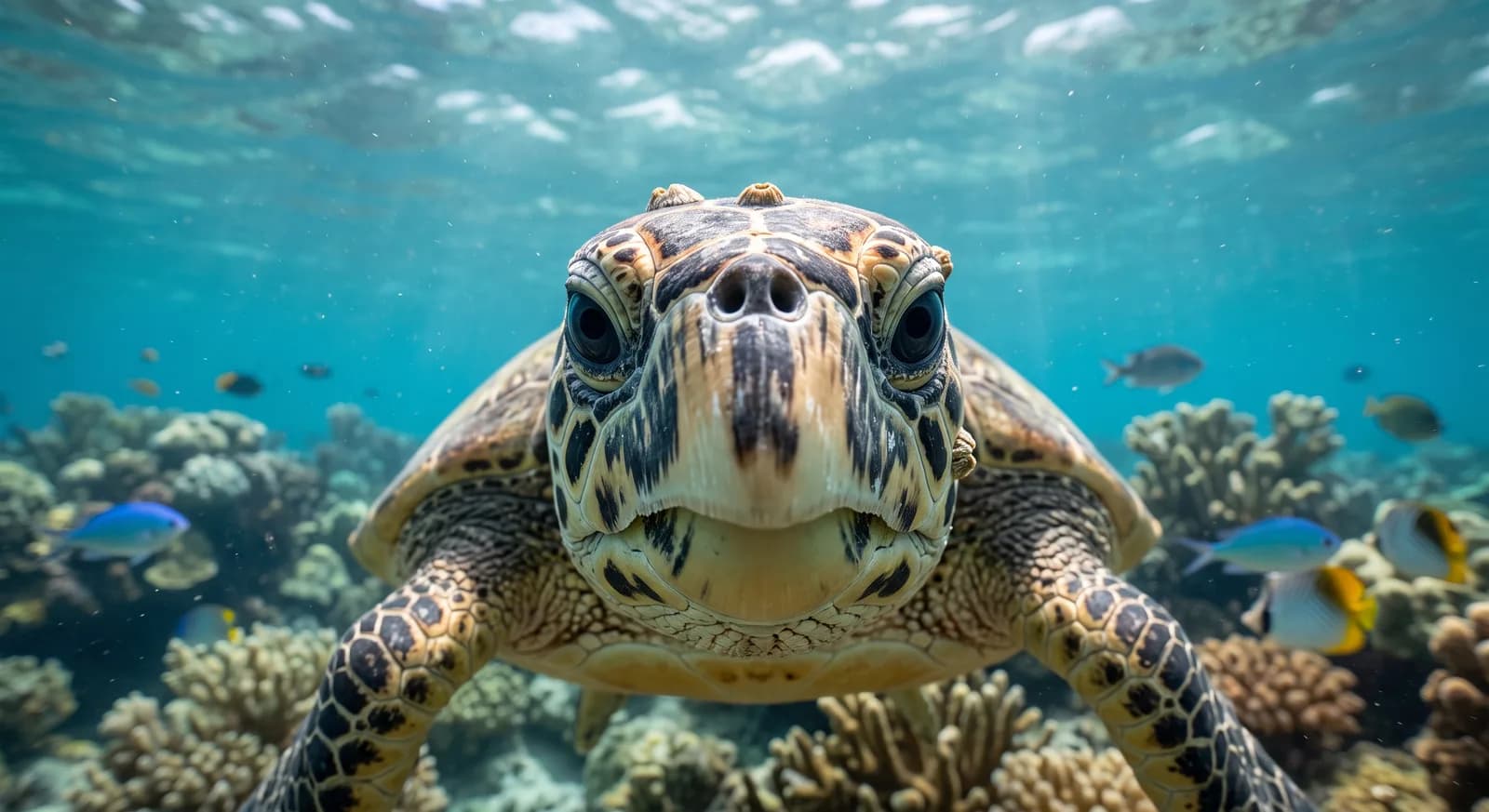
Hawksbill TurtleCritically Endangered

Hawksbill Turtle

Eretmochelys imbricata

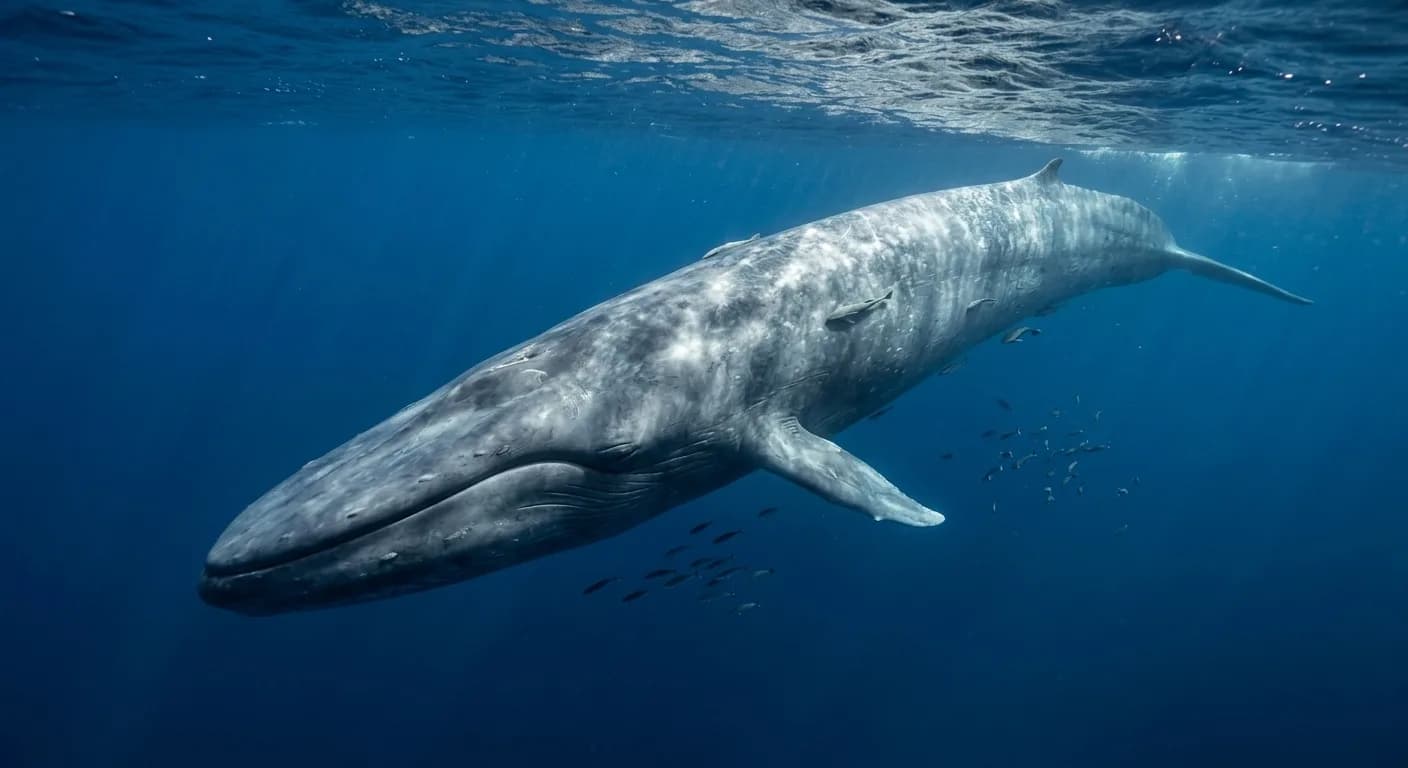
Blue WhaleEndangered

Blue Whale

Balaenoptera musculus

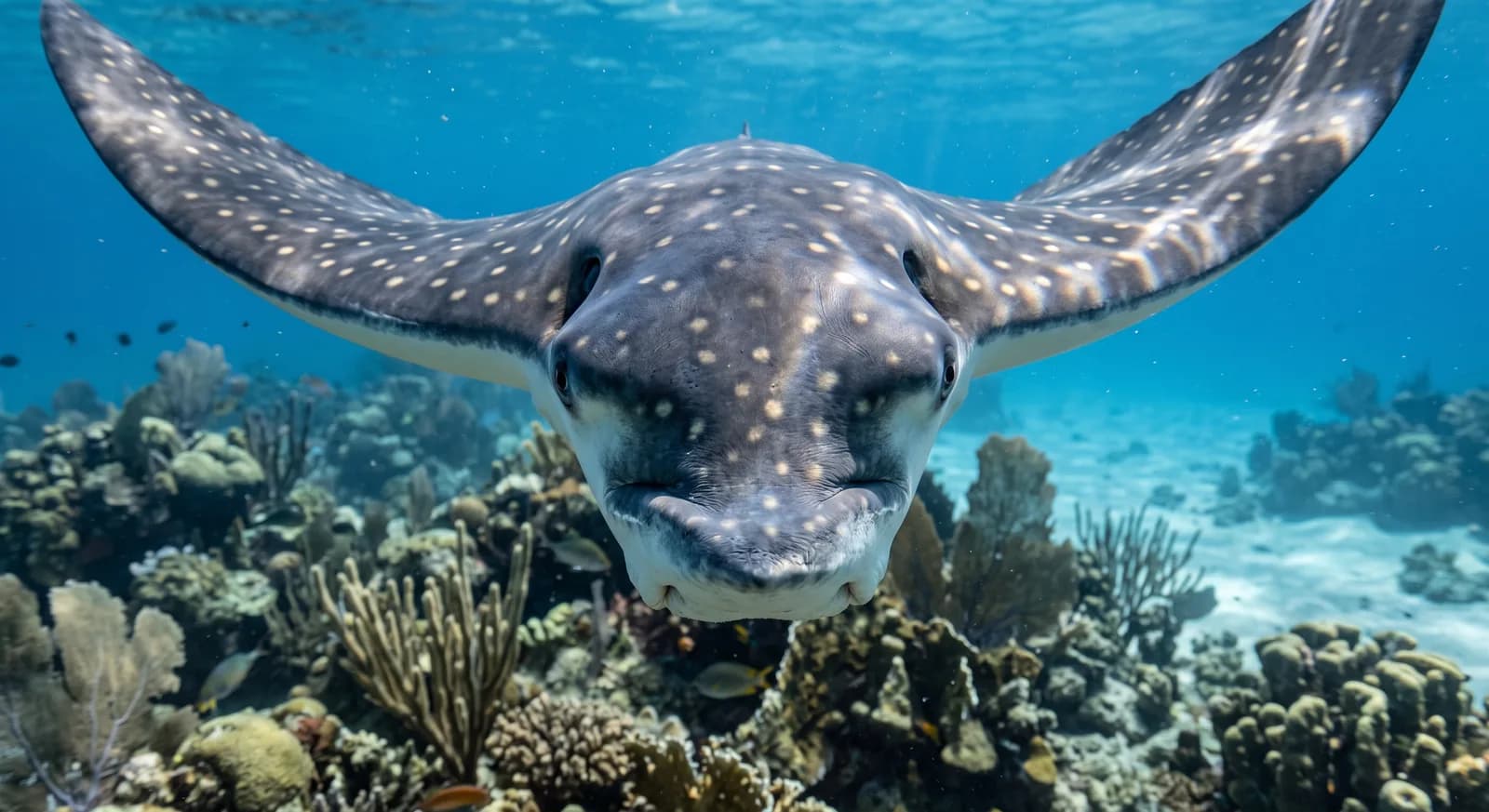
Spotted Eagle RayEndangered

Spotted Eagle Ray

Aetobatus narinari

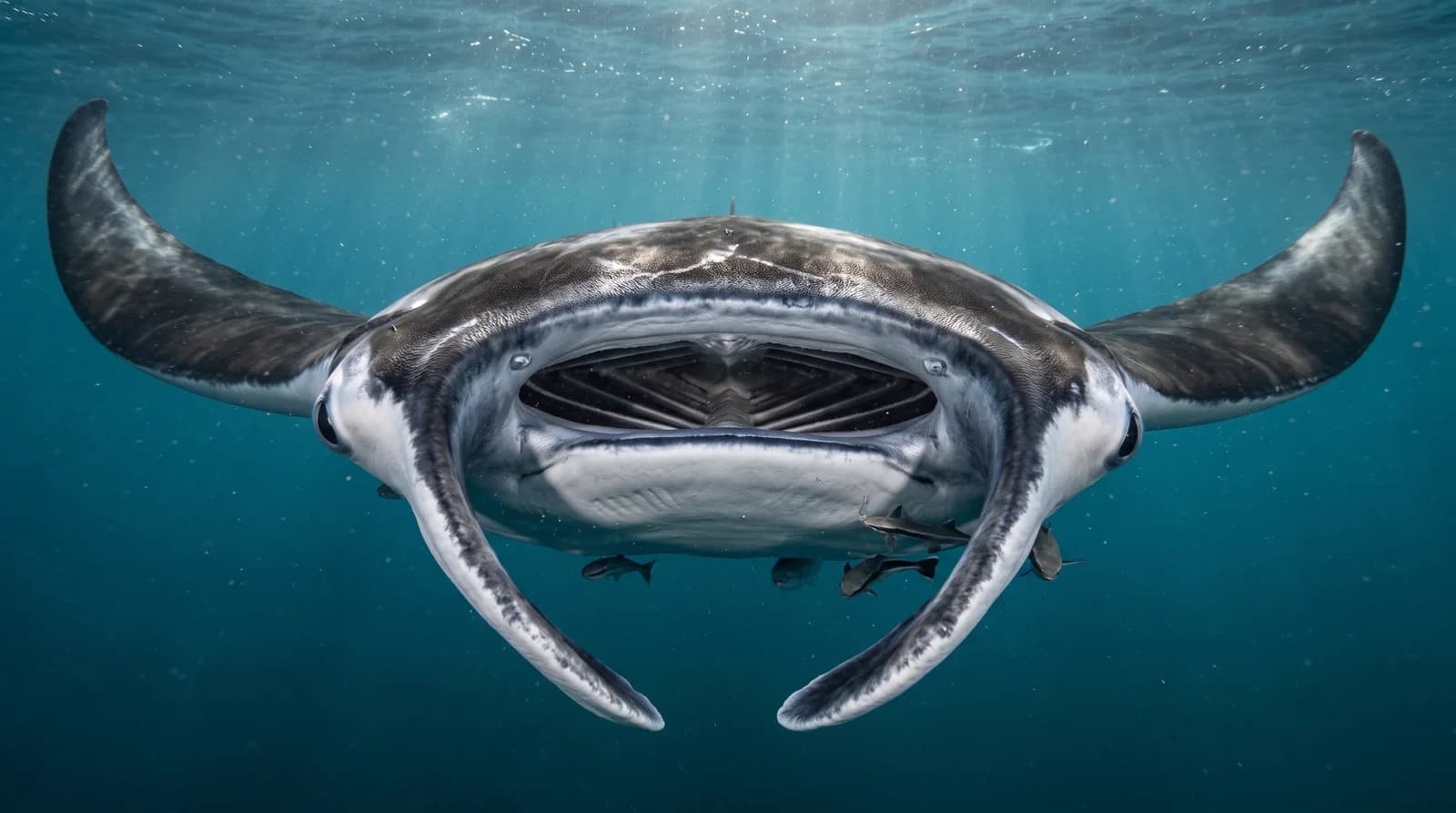
Giant MantaEndangered

Giant Manta

Mobula birostris

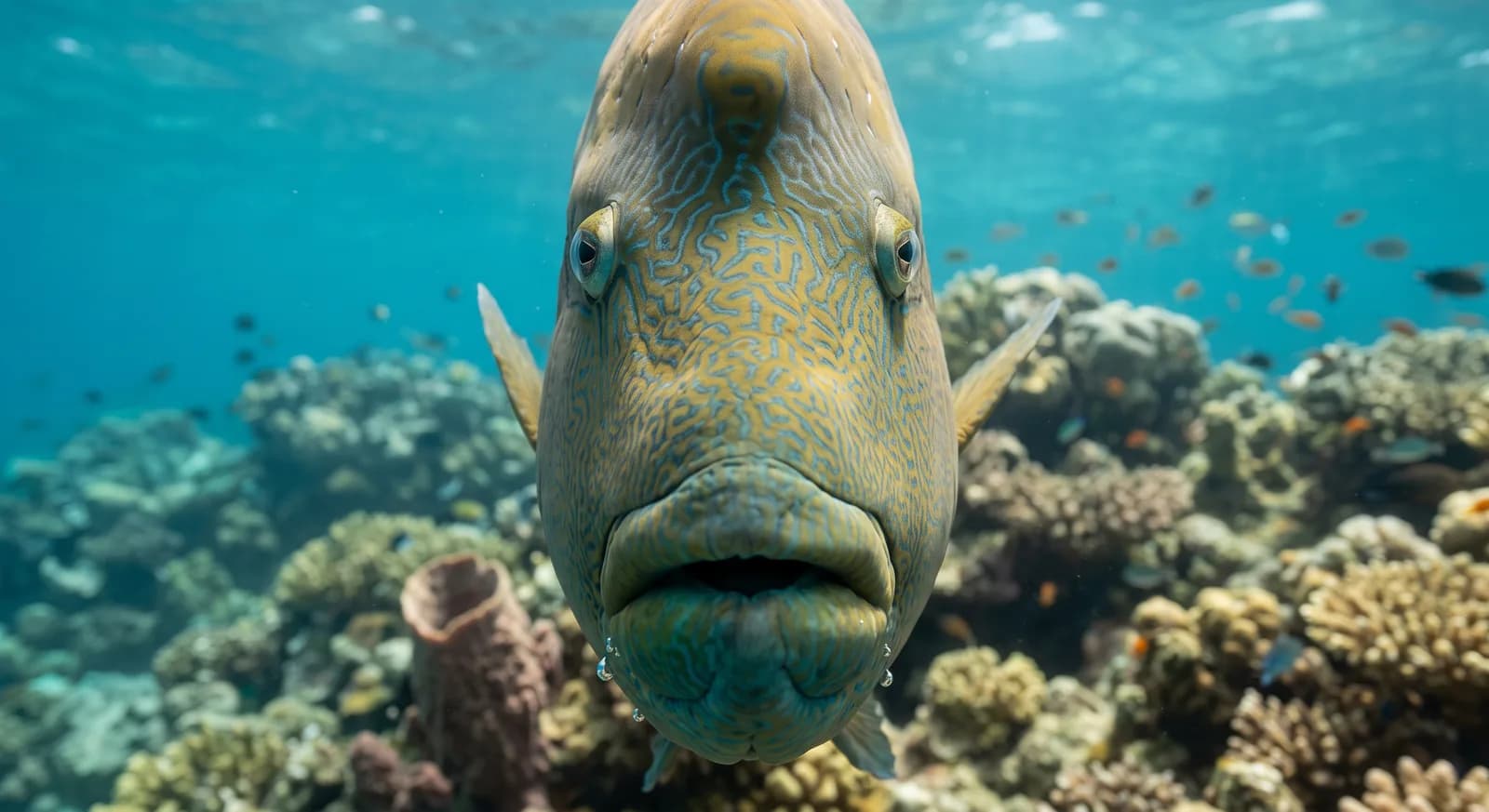
Humphead WrasseEndangered

Humphead Wrasse

Cheilinus undulatus

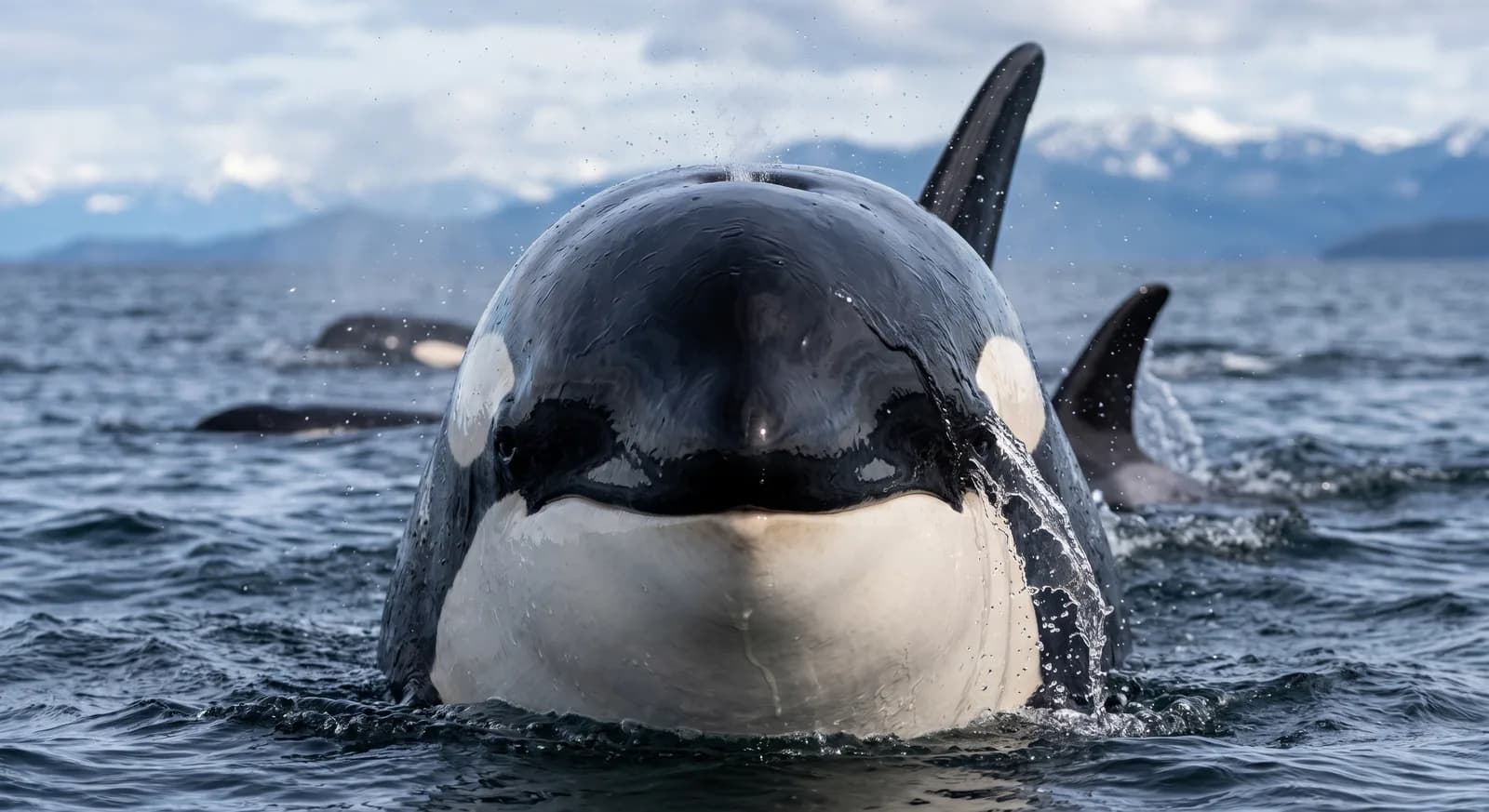
Killer WhaleEndangered

Killer Whale

Orcinus orca

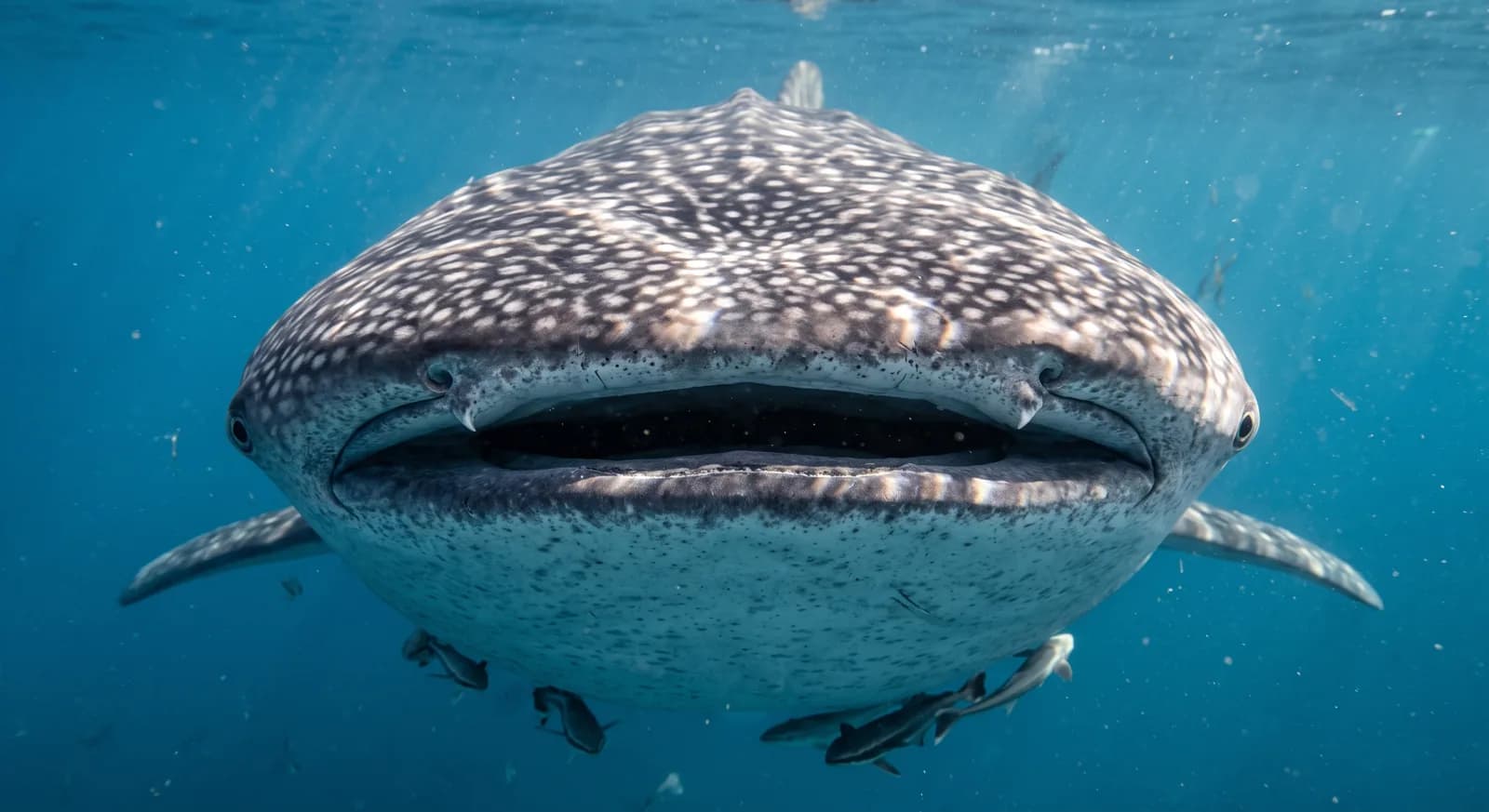
Whale SharkEndangered

Whale Shark

Rhincodon typus

Grey Reef SharkEndangered

Grey Reef Shark

Carcharhinus amblyrhynchos

Basking SharkEndangered

Basking Shark

Cetorhinus maximus

Page 1 of 11