 Critically Endangered
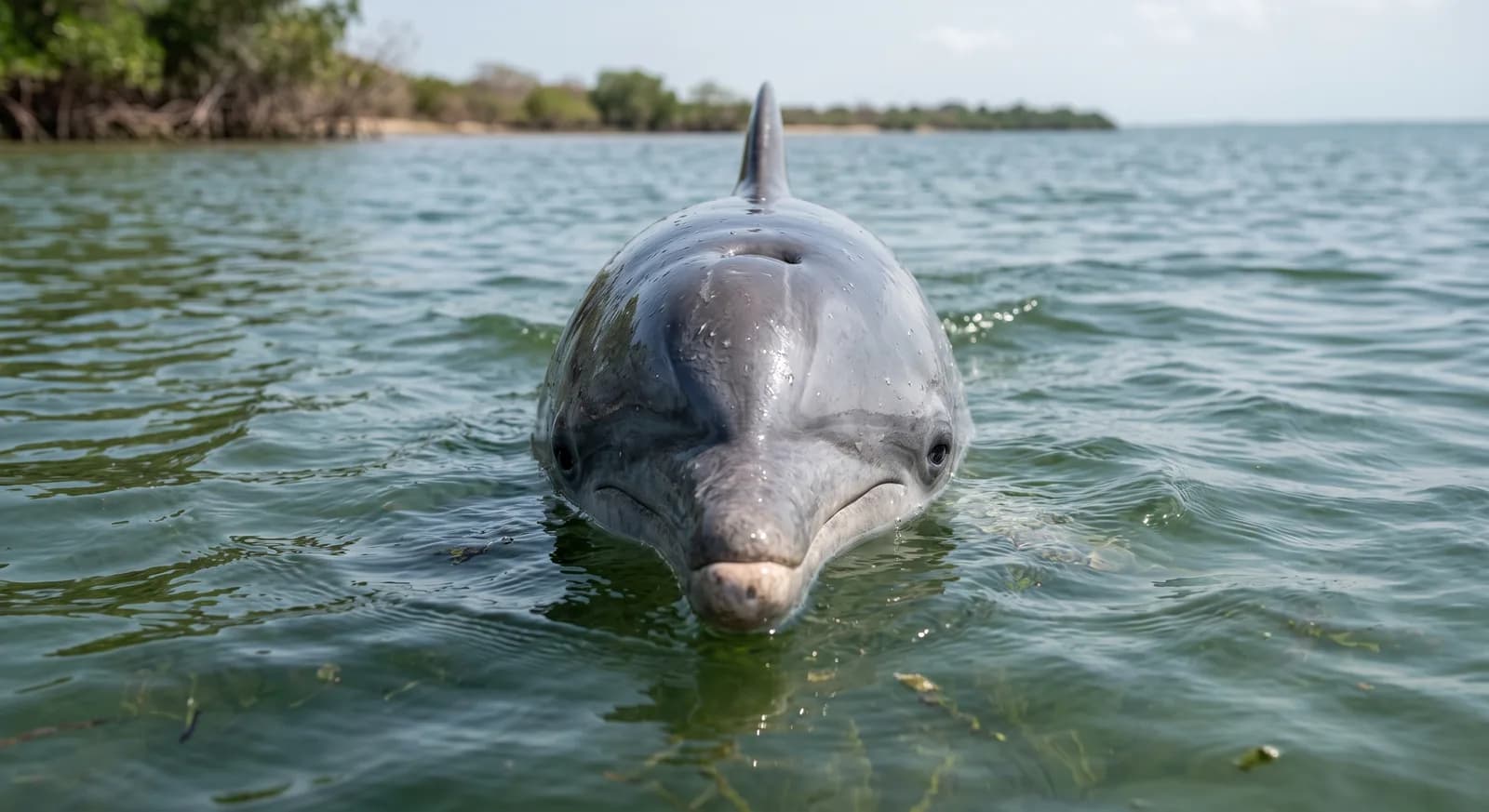
Atlantic Humpback Dolphin
Sousa teuszii
Africa
Cabo Verde is an Atlantic volcanic archipelago of ten main islands lying some six hundred kilometres off the African coast, with an arid climate tempered by the trade winds. Its landscape runs from the sandy desert of Boa Vista and Sal to the green, precipitous valleys of Santo Antão and Santiago, and culminates in the active volcano of Fogo, which rises above two thousand eight hundred metres. That oceanic isolation has produced a cast of endemic species, above all seabirds, reptiles and plants adapted to drought. The waters around the archipelago, deep and warm, are a breeding ground for humpback whales and a passage for cetaceans and turtles, and its sandy beaches receive one of the largest concentrations of loggerhead turtle nesting in the world.
National animal: No official national animal; the loggerhead turtle is the archipelago's emblematic species
The Raso lark lives only on an uninhabited islet of seven square kilometres, one of the smallest territories occupied by any bird on the planet. Its population swings sharply with the rhythm of the rains, so that it can collapse to a few dozen individuals in dry years and multiply tenfold after a good winter, which keeps it permanently on the brink of disappearing.
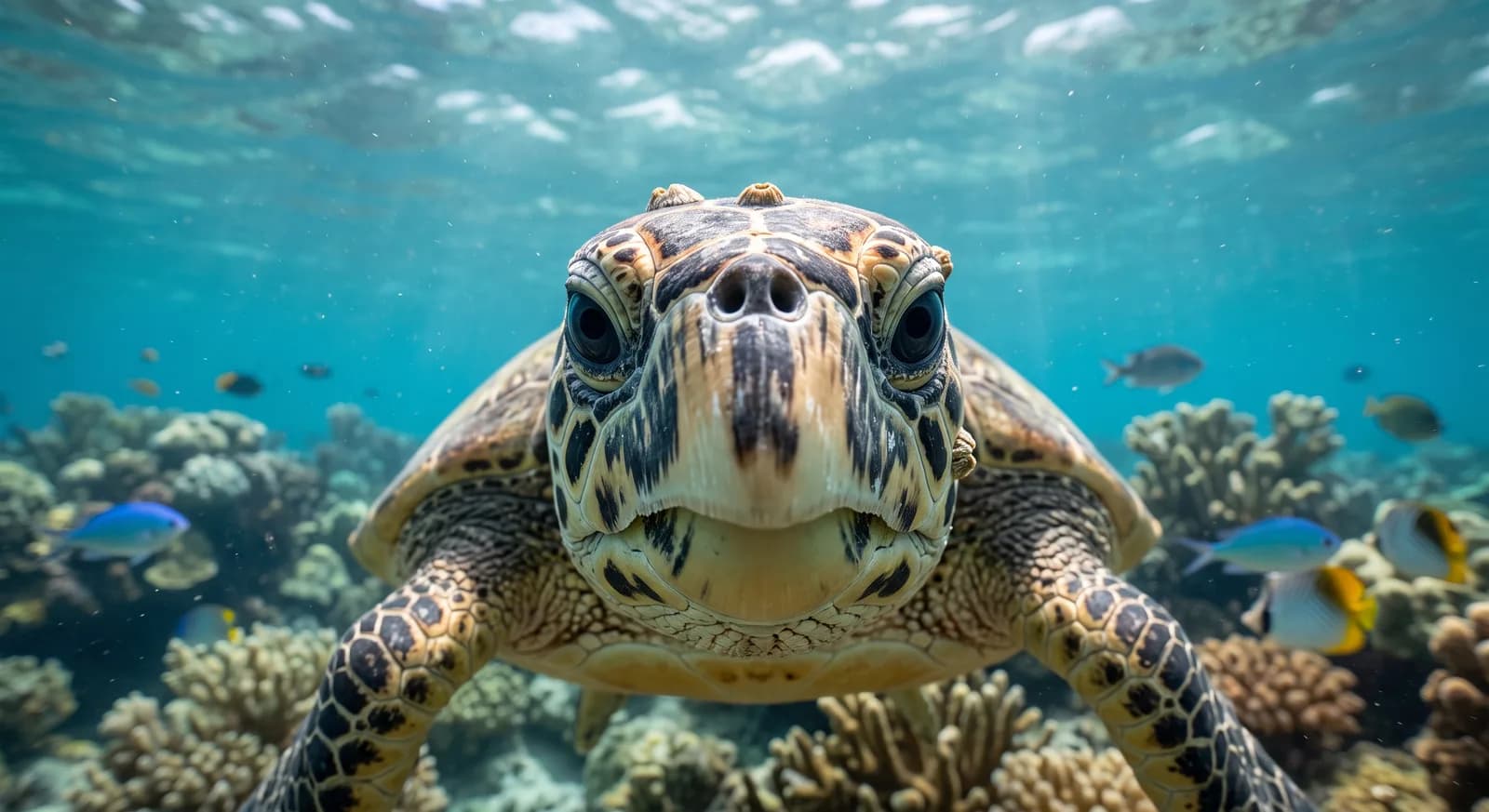
Boa Vista concentrates a very high share of Atlantic loggerhead nesting and its protection has drastically reduced the killing of females on the beach. The eradication of cats and rats on the islets is key for the endemic seabirds.
Boa Vista and Sal between June and October for loggerhead turtle nesting. The waters of Boa Vista and Sal between March and May for humpback whales. The islets of Santa Luzia and Raso for endemic seabirds.
Where else might I want to travel?
Same region: West Africa
Same region: West Africa
Same region: West Africa
Same region: West Africa
131 species found
Based on what we already know about Cabo Verde.