 Critically Endangered
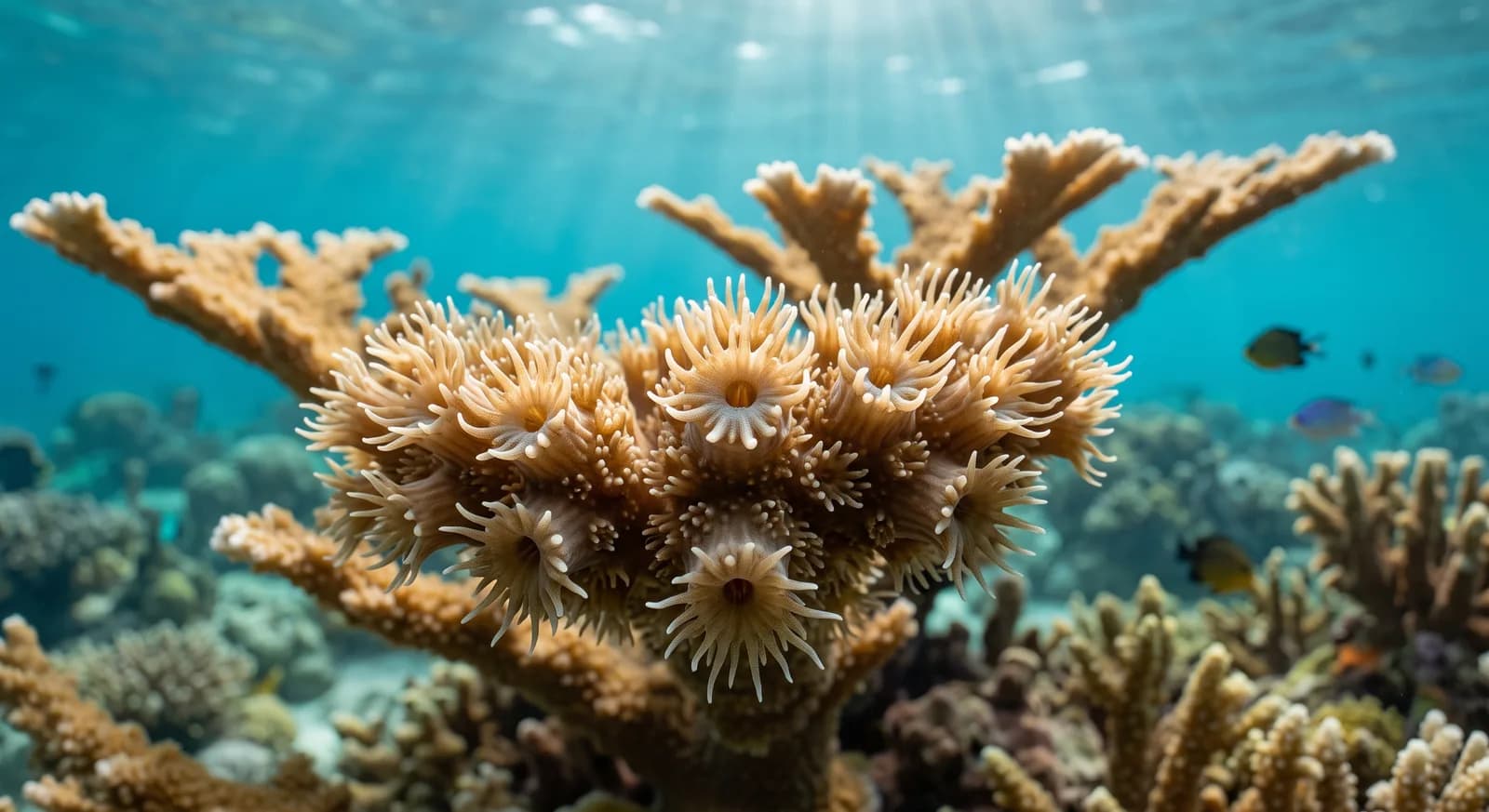
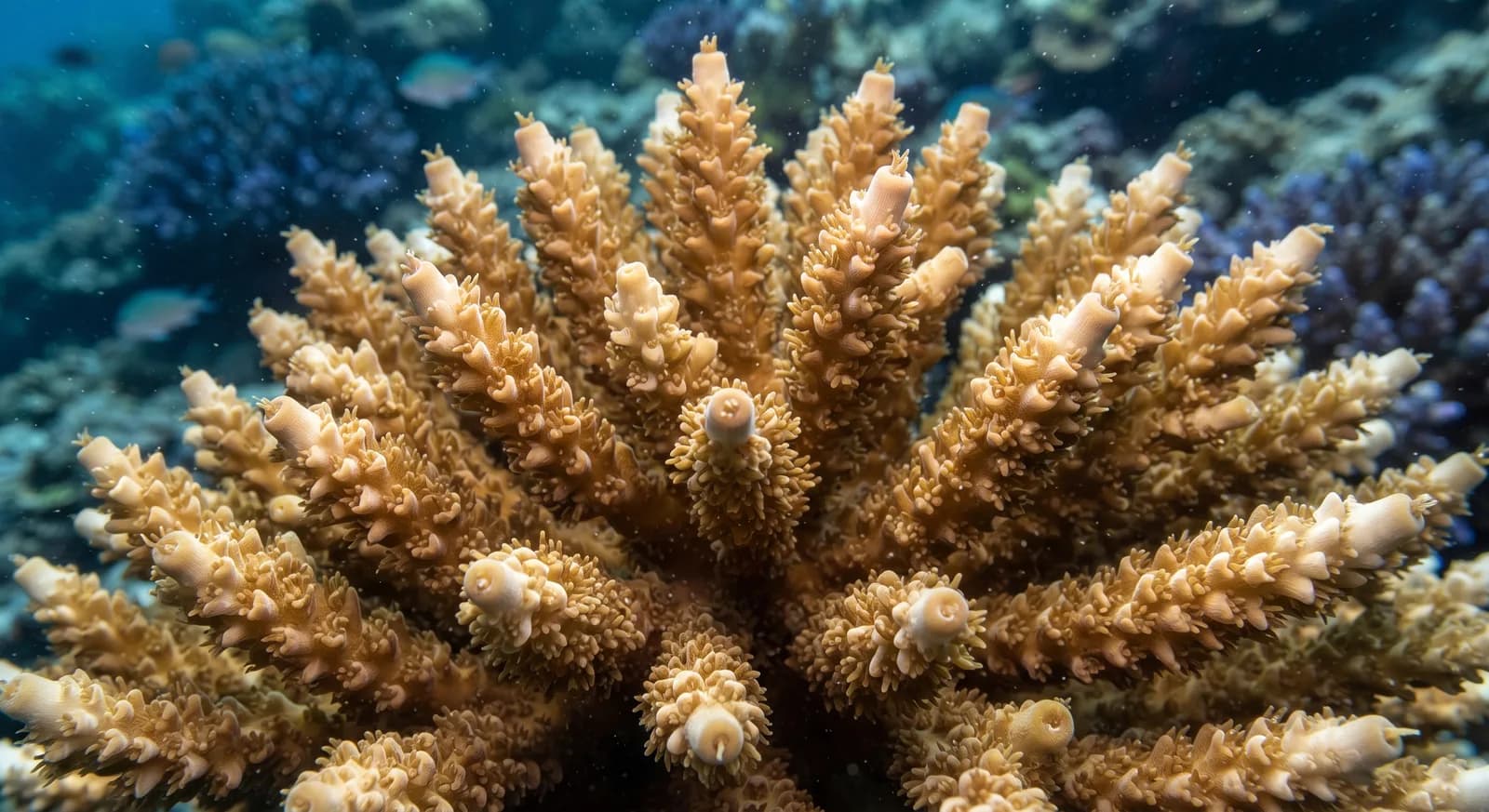
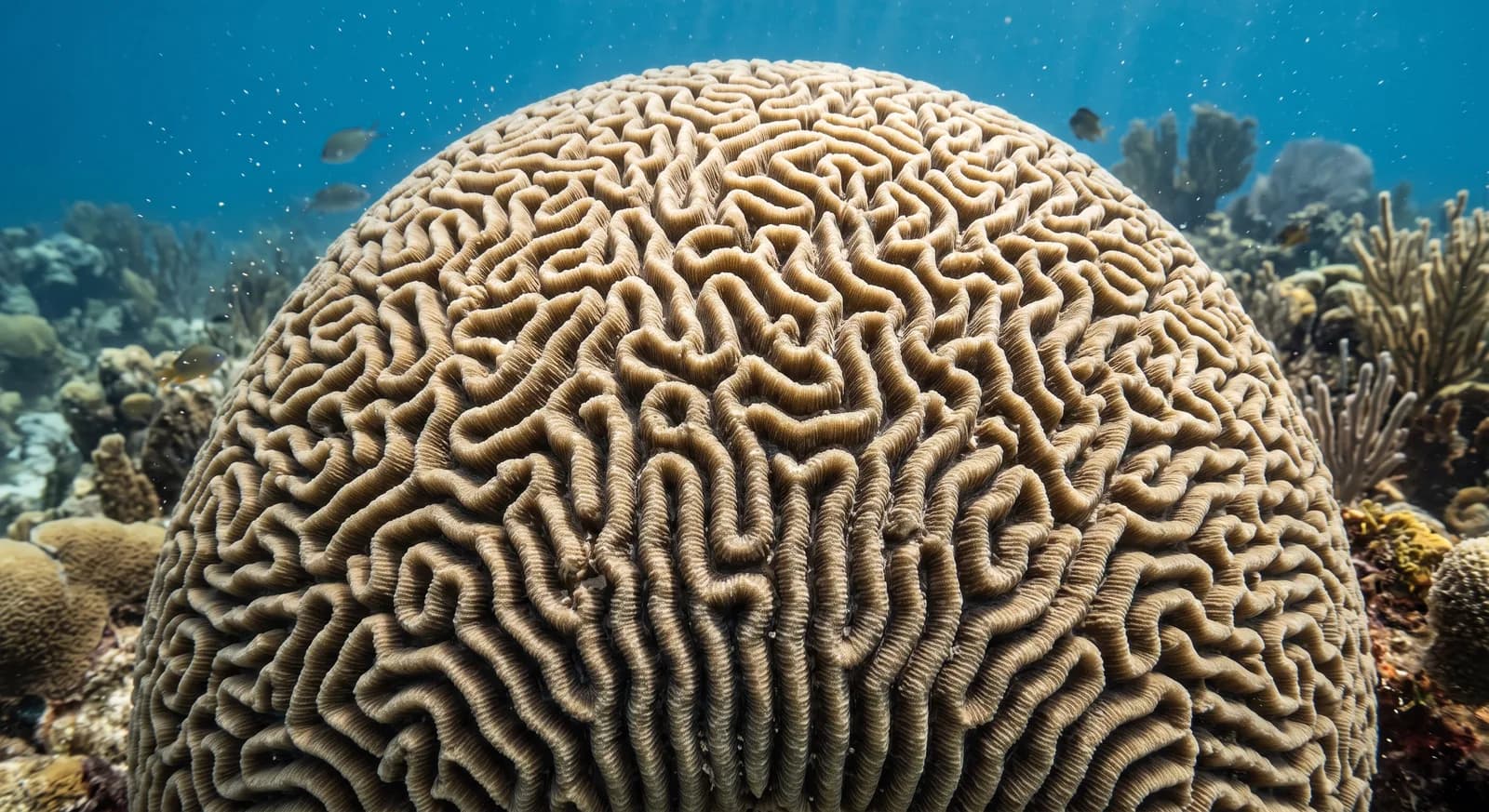
Grooved Brain Coral
Diploria labyrinthiformis
North America
Saint Lucia is a volcanic island of very rugged relief, dominated by the Pitons, two spires of solidified lava that rise straight out of the sea and that are a World Heritage Site along with the geothermal zone that surrounds them, with fumaroles and sulphurous springs. The mountainous interior keeps tropical rainforest with tree ferns and an endemic birdlife, while the coast alternates cliffs, black sand beaches and reefs protected within marine areas managed together with the fishermen. The Maria Islands, two arid islets off the south coast, work as a refuge for reptiles that disappeared from the main island after the arrival of the mongoose and rats.
National animal: The Saint Lucia amazon, or jacquot, the national bird, endemic to the island
The Saint Lucia amazon came down to barely a hundred birds in the late 1970s. Its recovery came not only from protecting the forest but from a national pride campaign that put the parrot on stamps, T-shirts, buses and school programmes until it became a symbol of the country and made its capture socially unacceptable. The population has multiplied more than tenfold and the method has since been replicated in dozens of countries.
The Saint Lucia racer is one of the rarest snakes in the world and survives on a single islet after being wiped out by the mongoose on the main island. The marine areas managed with the fishermen have restored fish biomass within a few years.
The Central Forest Reserve at dawn for the amazon. The Maria Islands in the dry season for endemic reptiles, with a permit. The west coast between December and April for cetaceans.
Where else might I want to travel?
Same region: Central America and the Caribbean
Same region: Central America and the Caribbean
Same region: Central America and the Caribbean
Same region: Central America and the Caribbean
117 species found
Based on what we already know about Saint Lucia.