Skip to content
WAnimals
  • Map
  • Species
  • Parks
  • Diving
Log inCreate account
WAnimals

The guide for travellers and animal lovers: discover, plan and share your wild adventures around the world.

Discover wildlife

  • Species
  • Ecosystems
  • Glossary
  • Tags

Explore places

  • Map
  • Countries
  • Parks
  • Diving

Plan experiences

  • Guides

Learn

  • Blog

Resources

  • Help centre
  • Contact
  • Install the app

Follow us

Account

  • Log in
  • Create account

© 2026 WAnimals. All rights reserved.

About usHow we build our profilesTerms of servicePrivacyLegal notice
MapSpeciesParksDiving
  1. Home
  2. Species
  3. Brown-headed Cowbird

One of the 2 thrushes on WAnimals

Birds · Passeriformes · Icteridae

Brown-headed Cowbird

Molothrus ater

Least Concern

The species is abundant and widely distributed; it faces no significant short-term risk.

Spotted something wrong?

The brown-headed cowbird is a passerine bird of the family Icteridae native to North America. It is a partially migratory bird that lives in the temperate and subtropical regions of North America. It is resident in the southern part of its range, while northern birds migrate to the southern United States and Mexico in winter and return to their summer range in March or April. It is an abundant and widely distributed species, gregarious in behaviour, that feeds mainly on seeds and arthropods.

Weight

30 g – 60 g

Size

16 cm – 22 cm

Life expectancy

16 years

Diet

Herbivore

Feeds mainly on plants.

Activity

Diurnal

Active mainly during the day.

Social structure

In pairs

Usually lives in pairs, sometimes for life.

Sighting difficulty

Easy

Temperate forestGrassland
3countries41parks6same family

Fun facts

  • reproducciónLike the European cuckoo, it lays its eggs in other birds' nests to be incubated and reared by foster parents, and builds no nest of its own.
  • It is a brood parasite of more than 220 different species, the widest repertoire known in any bird: a single female can lay more than thirty eggs in a season, spread among other birds' nests.
  • It used to follow the bison herds across the prairies, eating the insects they flushed: that wandering life made tending a nest impossible, and brood parasitism was the answer.
  • The chicks do not learn the song of their foster parents: they recognise their own kind through an innate password call that sends them looking for other cowbirds once they are independent.

Life cycle and biology

Skeleton type
Vertebrate - internal bony skeleton (bird)
Habitat and environment
Grassland, woodland edges, pasture with livestock and farmed areas of North America
Birth weight
Altricial: born blind, naked or with sparse down and entirely dependent
Size at birth
Born altricial in the nest of another species, which raises it as its own
Sexual maturity
12 months
Gestation / incubation
11 days
Litter / clutch size
1 egg

Sources consulted: https://en.wikipedia.org/wiki/Brown-headed_cowbird

Where to find it

Best time: From April to July in North America, when the females watch the nests of other birds in which they will lay their eggs.

Loading map…

Where to see it

Parks and dive sites where this species has been documented — showing 10 of 41.

Related species

Other species in the catalogue with the most in common with Brown-headed Cowbird — same habitat, park, country, tags or family.

Same taxonomic family
Shares a park
Shares a park

Keep exploring

Based on what we already know about brown-headed cowbird.

Comments

Share an experience, a fun fact or a tip for seeing the brown-headed cowbird.

Be the first to comment.

See full glossary
This page in other languages: Español · Deutsch · Français · Português · Italiano

The pins mark the parks where its presence is documented.
See its range on the interactive map→
EvergladesUnited States
Great Smoky MountainsUnited States
AcadiaUnited States
Mammoth CaveUnited States
Gros MorneCanada
FundyCanada
Point PeleeCanada
VoyageursUnited States
Isle RoyaleUnited States
CongareeUnited States
See all 41 parks
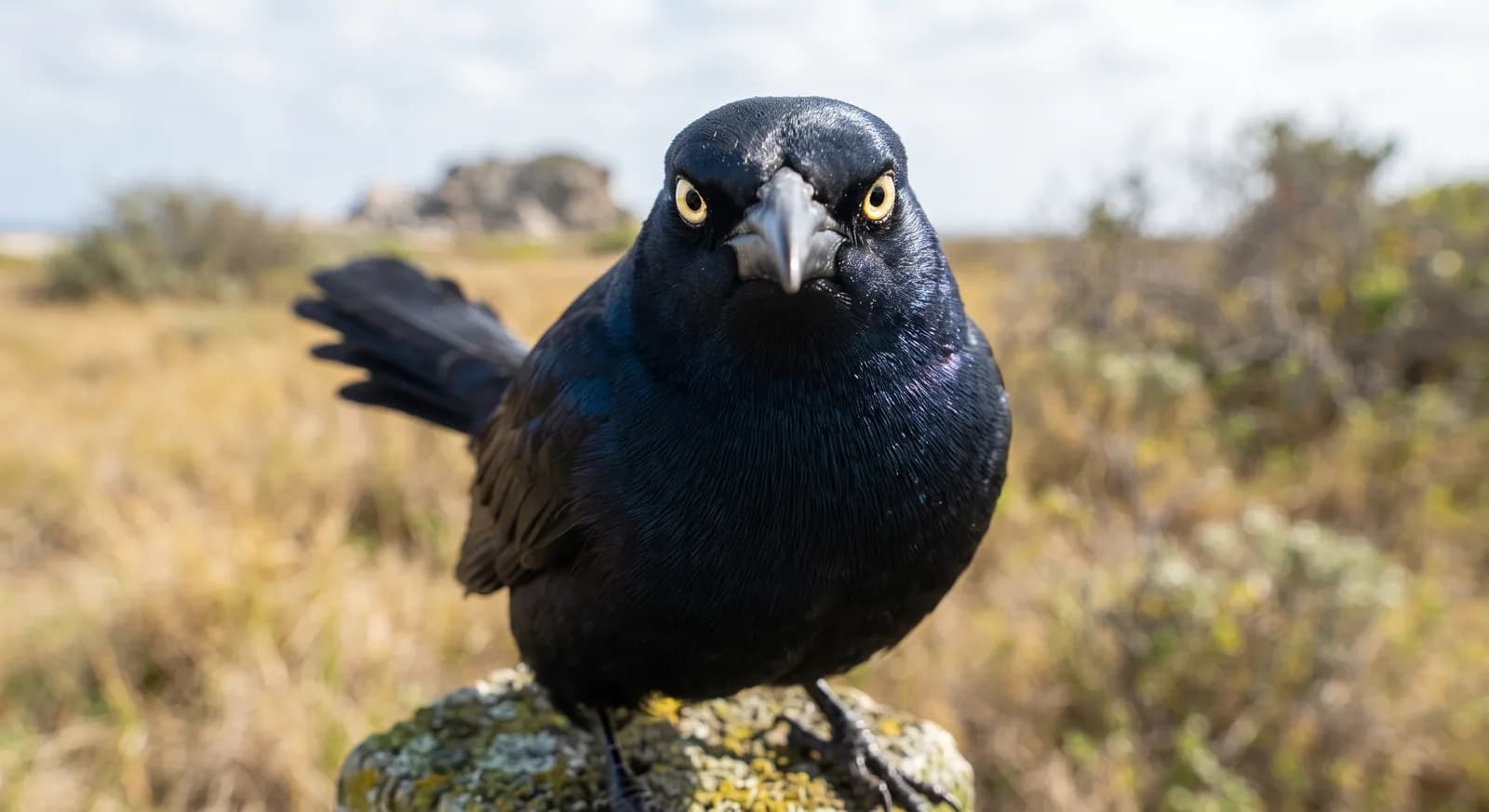
Great-tailed GrackleLeast Concern

Great-tailed Grackle

Quiscalus mexicanus

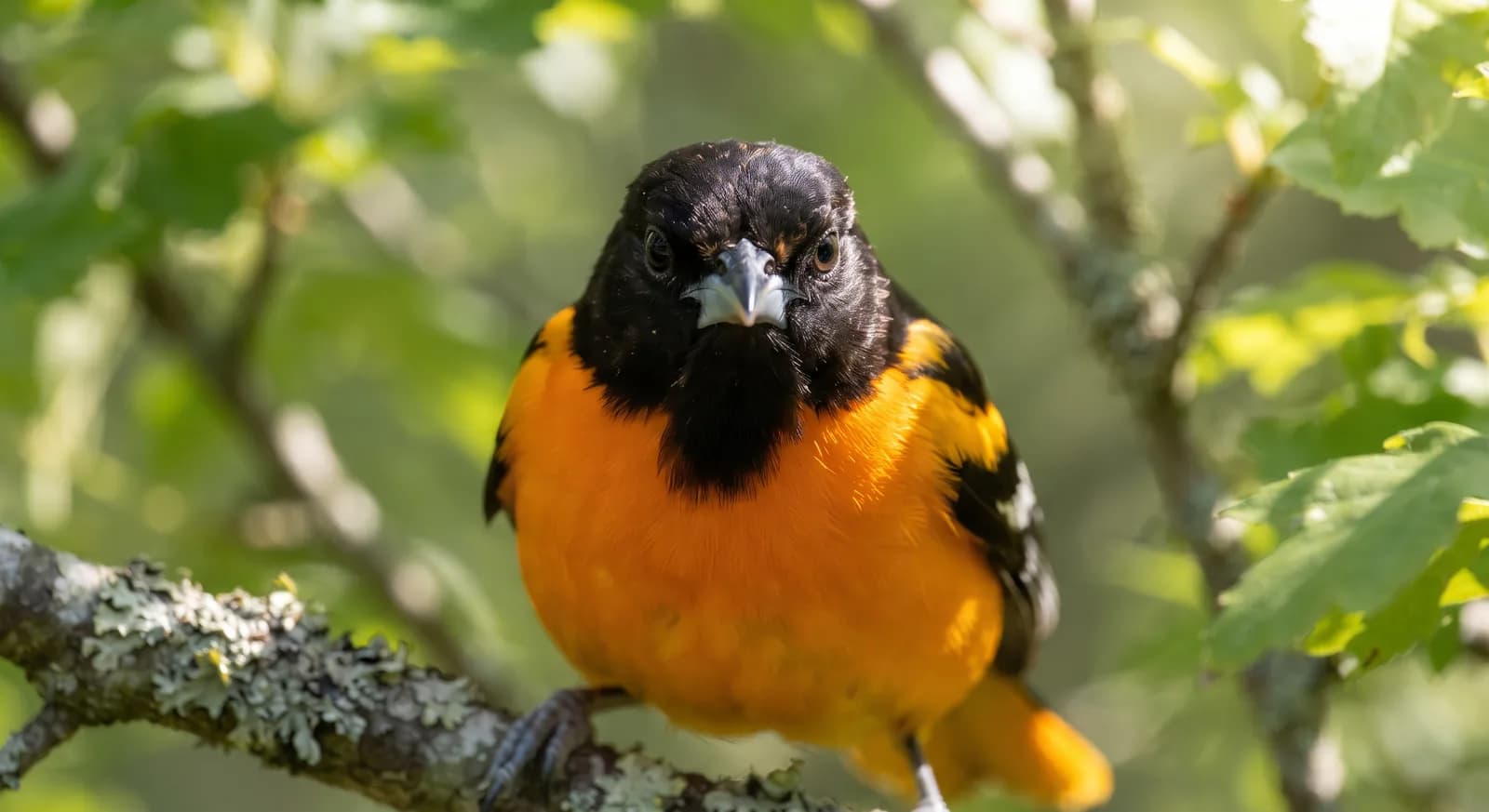
Baltimore OrioleLeast Concern

Baltimore Oriole

Icterus galbula

Least Concern

Red-Winged Blackbird

Agelaius phoeniceus

Near Threatened

Eastern Meadowlark

Sturnella magna

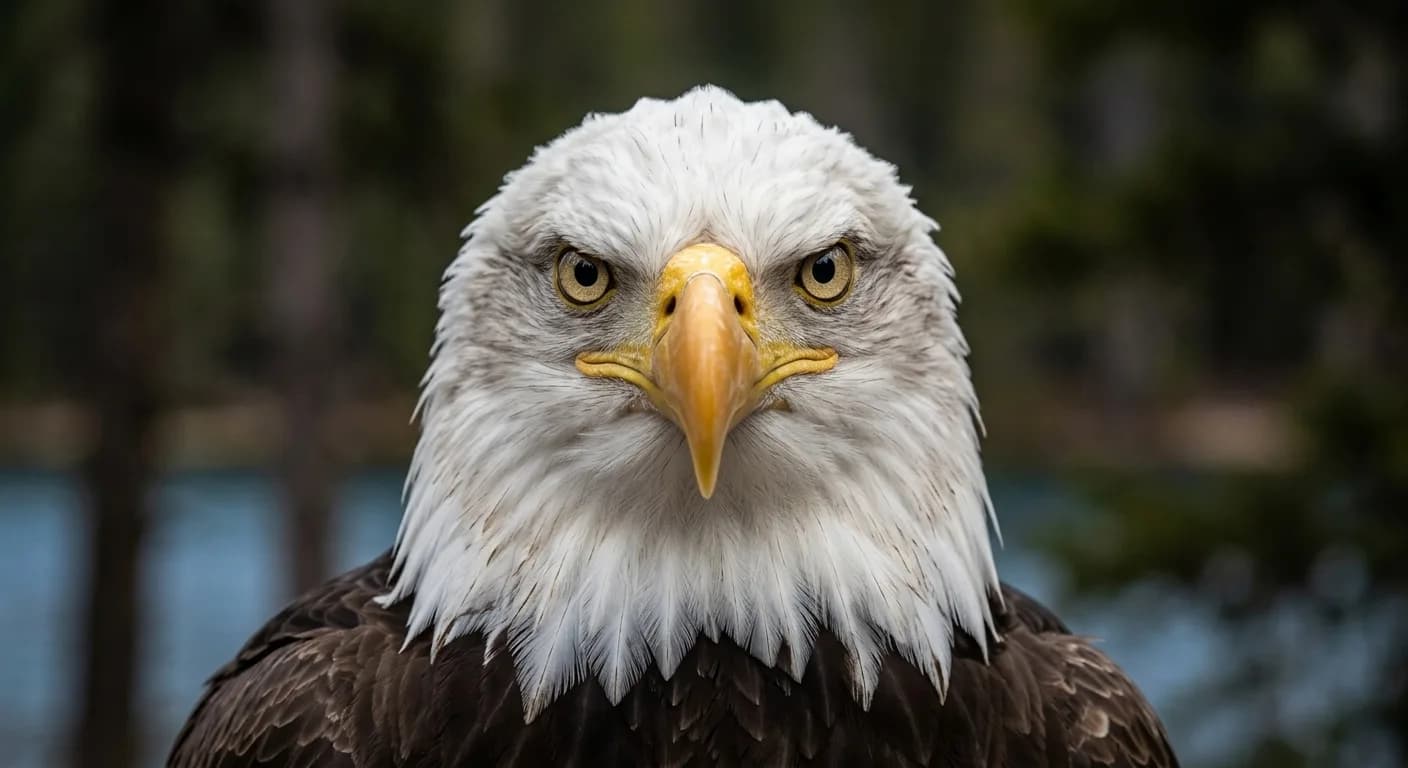
Bald EagleLeast Concern

Bald Eagle

Haliaeetus leucocephalus

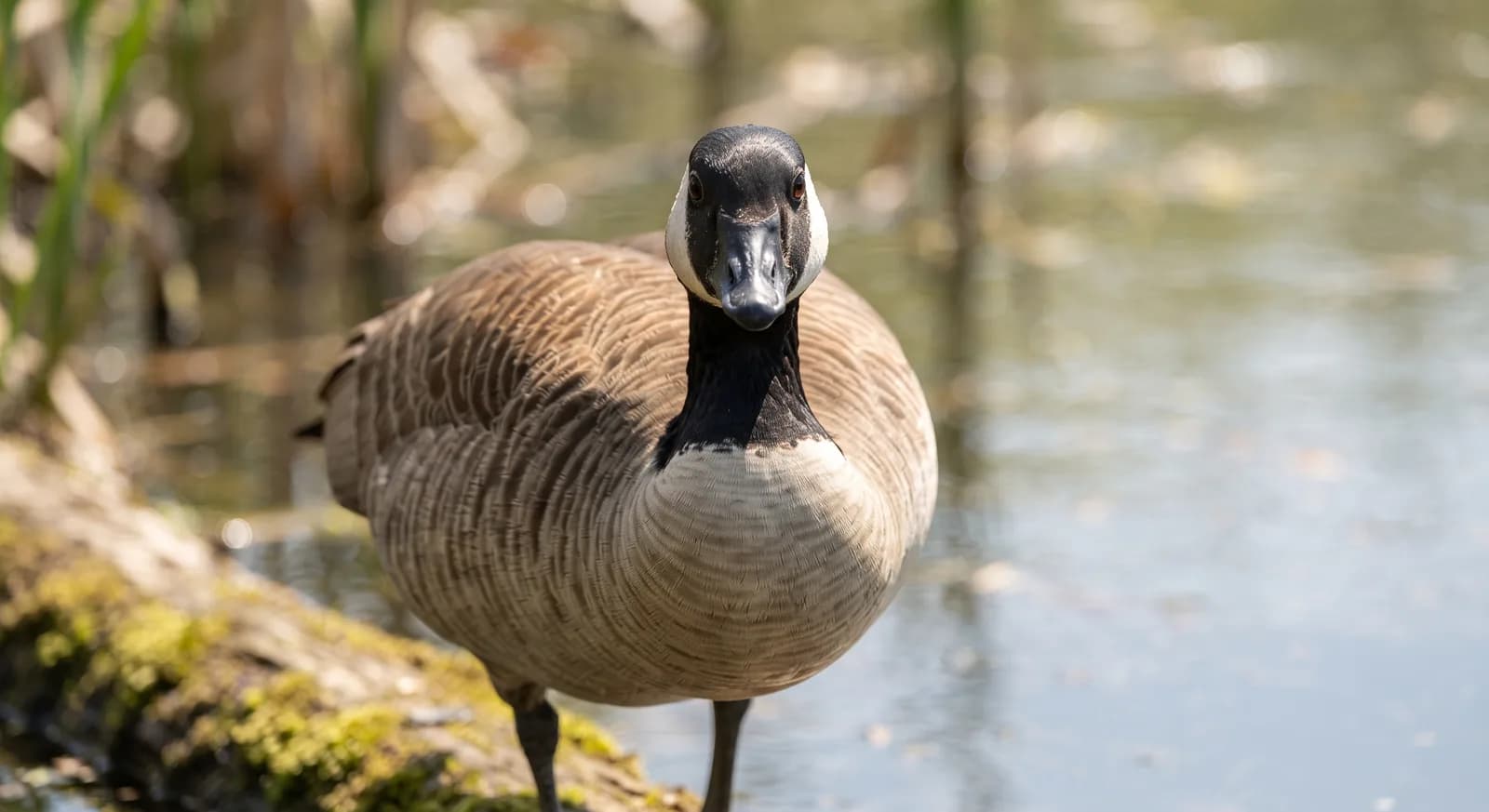
Canada GooseLeast Concern

Canada Goose

Branta canadensis

CountriesCanada
ParksEvergladesUnited States
TagsHerbivore
Herbivore
Omnivore
Diurnal
In pairs
Bird
Temperate forest
Grassland
Canada
United States
Mexico