Skip to content
WAnimals
  • Map
  • Species
  • Parks
  • Diving
Log inCreate account
WAnimals

The guide for travellers and animal lovers: discover, plan and share your wild adventures around the world.

Discover wildlife

  • Species
  • Ecosystems
  • Glossary
  • Tags

Explore places

  • Map
  • Countries
  • Parks
  • Diving

Plan experiences

  • Guides

Learn

  • Blog

Resources

  • About us
  • How we build our profiles
  • Help centre
  • Contact
  • Install the app

Follow us

Account

  • Log in
  • Create account

© 2026 WAnimals. All rights reserved.

Terms of servicePrivacyCookiesLegal notice
MapSpeciesParksDiving
  1. Home
  2. Species
  3. Wood Duck

One of the 10 ducks on WAnimals

Birds · Anseriformes · Anatidae

Wood Duck

Aix sponsa

Least Concern

The species is abundant and widely distributed; it faces no significant short-term risk.

Spotted something wrong?

A duck with marked sexual dimorphism. The male is unmistakable: red bill, a broad whitish stripe running from the bill over the eye to the tip of a swept-back crest, and a distinctive white flare down the neck. The female is far more subdued and very like the female mandarin duck.

Weight

453 g on average

Size

45 cm – 50 cm

Life expectancy

4 years

Diet

Omnivore

Combines animal and plant food depending on availability.

Activity

Diurnal

Active mainly during the day.

Social structure

In pairs

Usually lives in pairs, sometimes for life.

Temperate forestFreshwater
3countries30parks42same family

Fun facts

  • The ducklings leap from the tree hollow, sometimes from 15 metres up, and land unhurt: their tiny weight and their down cushion the impact.
  • It is the type species of the genus Aix, whose name comes from a Greek word Aristotle used for an unidentified diving bird.
  • Together with the mandarin duck it made up the group known as the "perching ducks", a grouping now regarded as artificial and whose place in the family is still unclear.

Life cycle and biology

Skeleton type
Vertebrate - internal bony skeleton (bird)
Habitat and environment
Wooded wetlands of the eastern United States. It nests in tree cavities, sometimes at a considerable height above the water
Birth weight
Precocial: born covered in down and leaves the nest within a few hours
Size at birth
Precocial: born covered in down and leaves the nest within a few hours
Sexual maturity
12 months
Gestation / incubation
31 days
Litter / clutch size
12

Sources consulted: IUCN Red List · Asturnatura · Wikipedia (Aix) · Linnaeus 1758 · Boie 1828

Where to find it

Best time: Spring and summer in eastern North America

Loading map…

The pins mark the parks where its presence is documented.

Where to see it

Parks and dive sites where this species has been documented — showing 10 of 30.

Related species

Other species in the catalogue with the most in common with Wood Duck — same habitat, park, country, tags or family.

Same taxonomic family

Keep exploring

Based on what we already know about wood duck.
Share an experience, a fun fact or a tip for seeing the wood duck.
See full glossary
This page in other languages: Español · Deutsch · Français · Português · Italiano
See its range on the interactive map→
EvergladesUnited States
Great Smoky MountainsUnited States
RedwoodUnited States
AcadiaUnited States
OlympicUnited States
Mammoth CaveUnited States
FundyCanada
Pacific RimCanada
Point PeleeCanada
VoyageursUnited States
See all 30 parks
Least Concern

Goosander

Mergus merganser

Least Concern

Common Goldeneye

Bucephala clangula

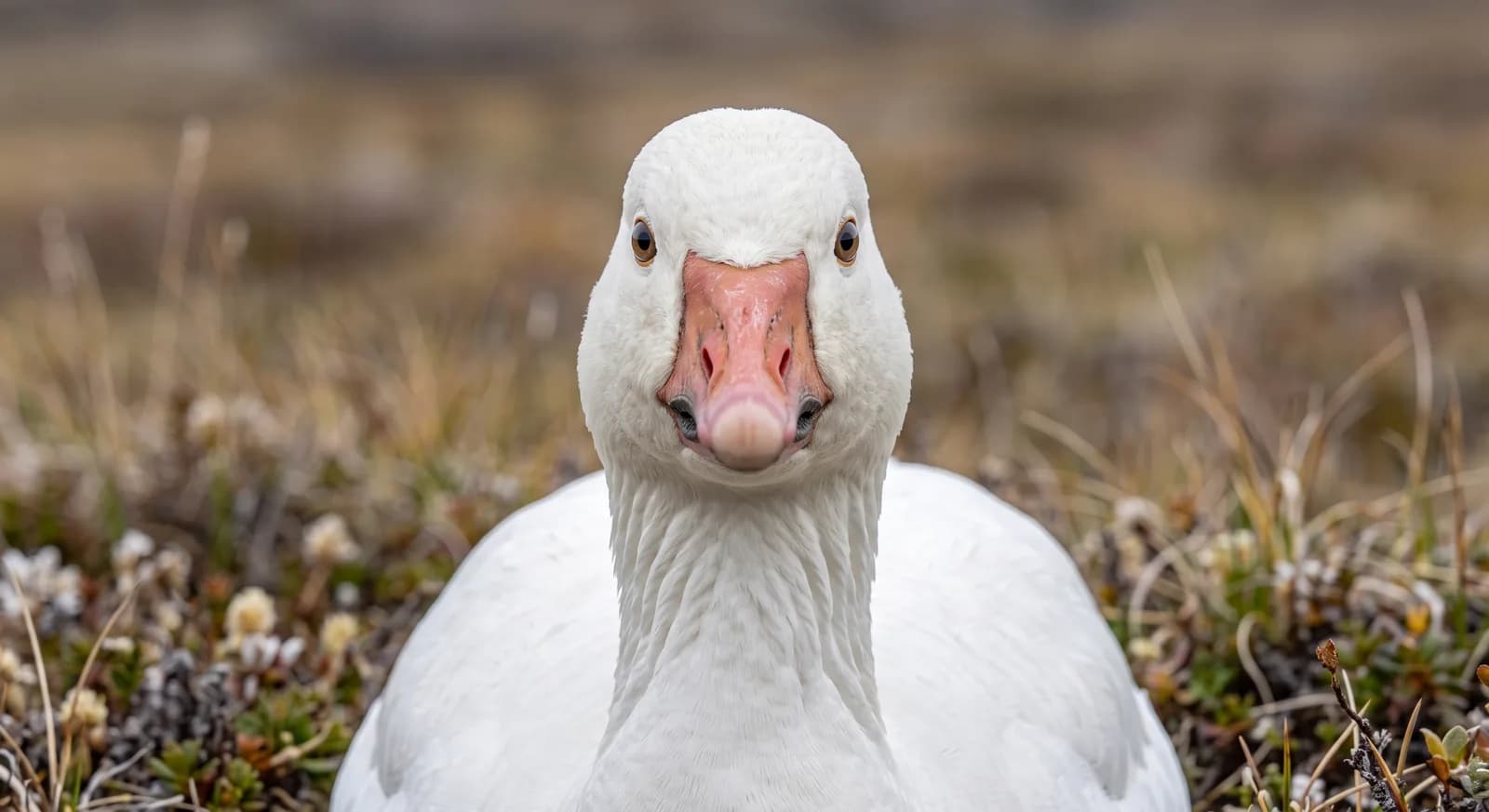
Snow GooseLeast Concern

Snow Goose

Anser caerulescens

Least Concern

Ruddy Duck

Oxyura jamaicensis

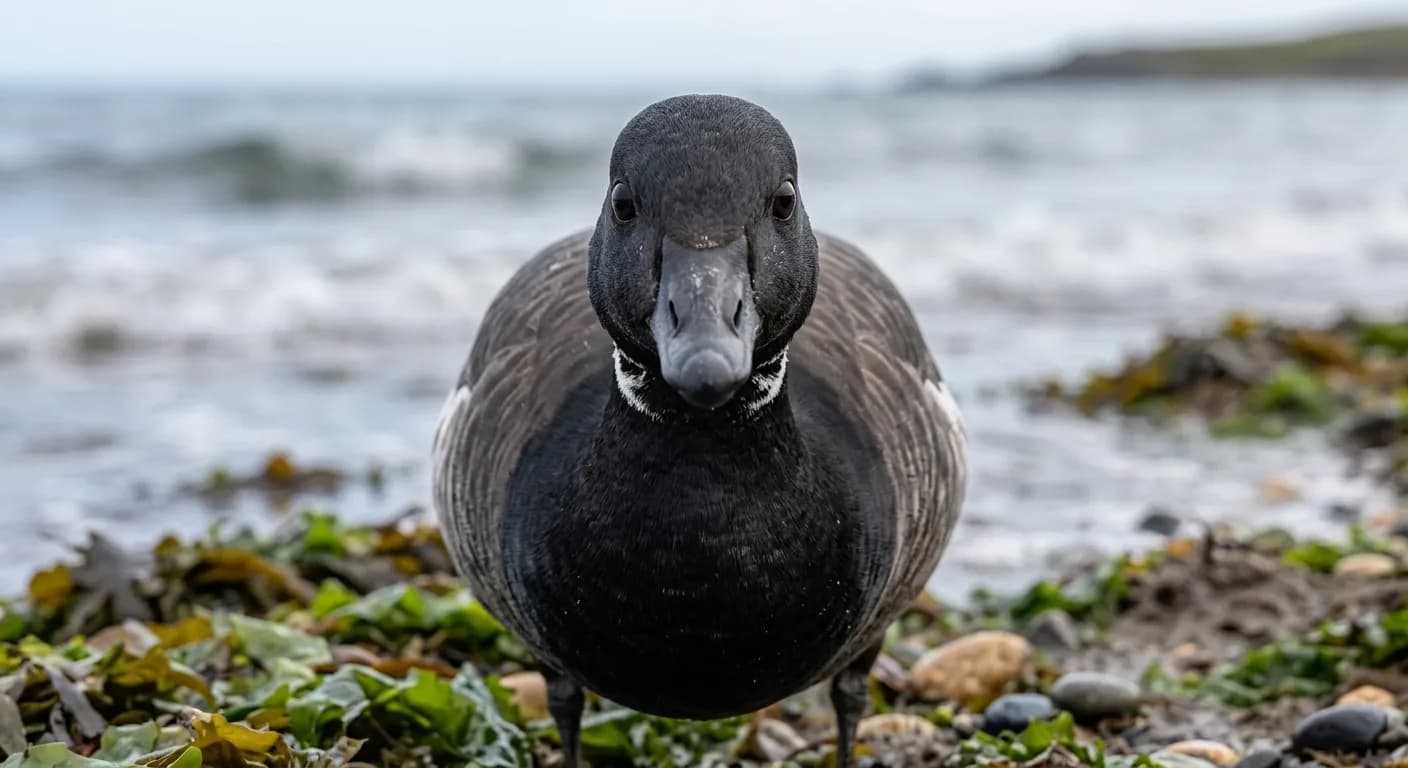
Brent GooseLeast Concern

Brent Goose

Branta bernicla

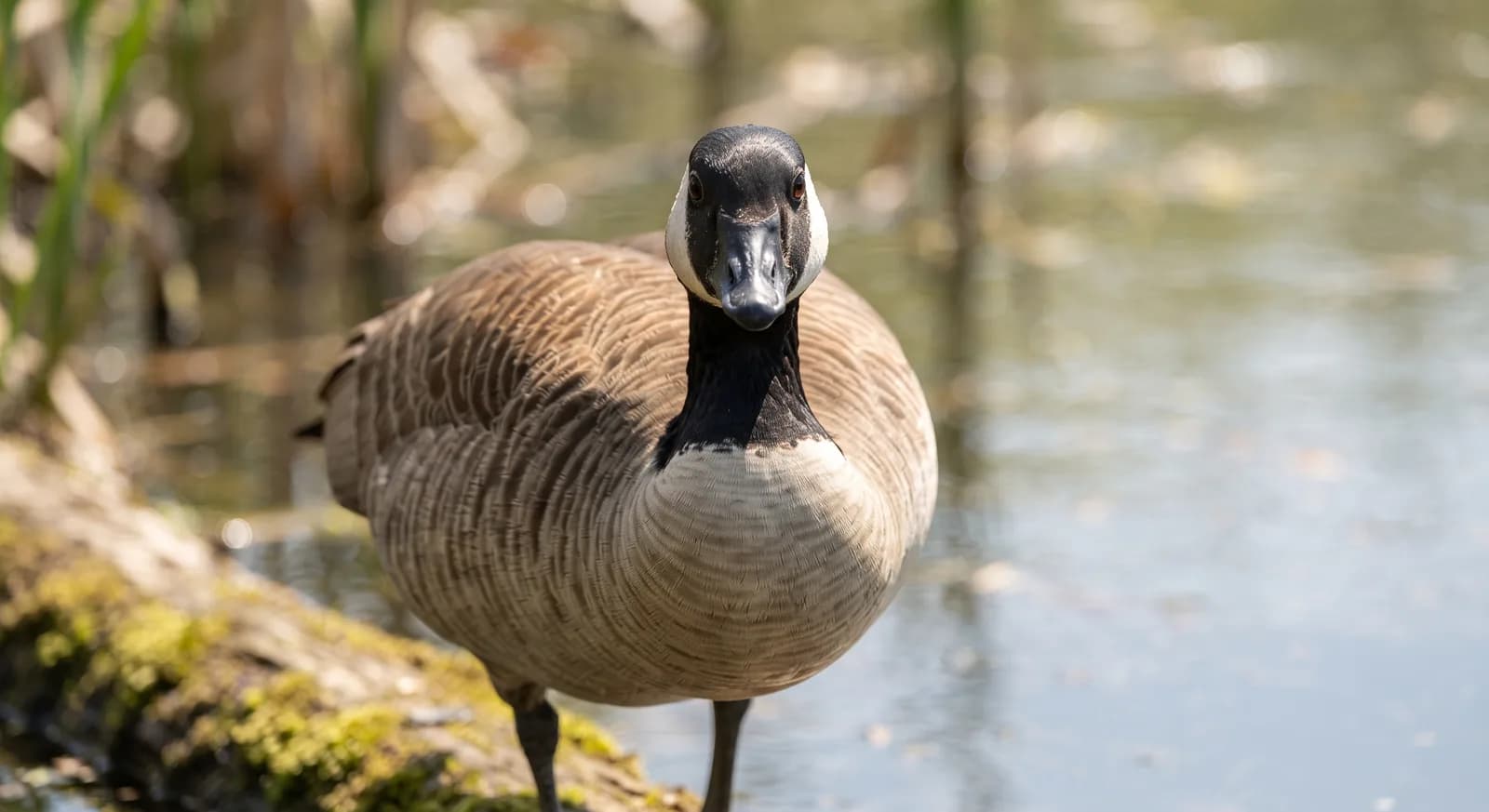
Canada GooseLeast Concern

Canada Goose

Branta canadensis

CountriesUnited States
ParksEvergladesUnited States
TagsOmnivore
Omnivore
Diurnal
In pairs
Bird
Temperate forest
Freshwater
United States
Canada
Mexico