National ParkBiosphere Reserve
Corcovado
Central America (Osa Peninsula)Designated in 1975424 km²
Described by National Geographic as "the most biologically intense place on Earth"
Area
424 km²
Protection category
IUCN II
Parque nacional —
Designated in
1975
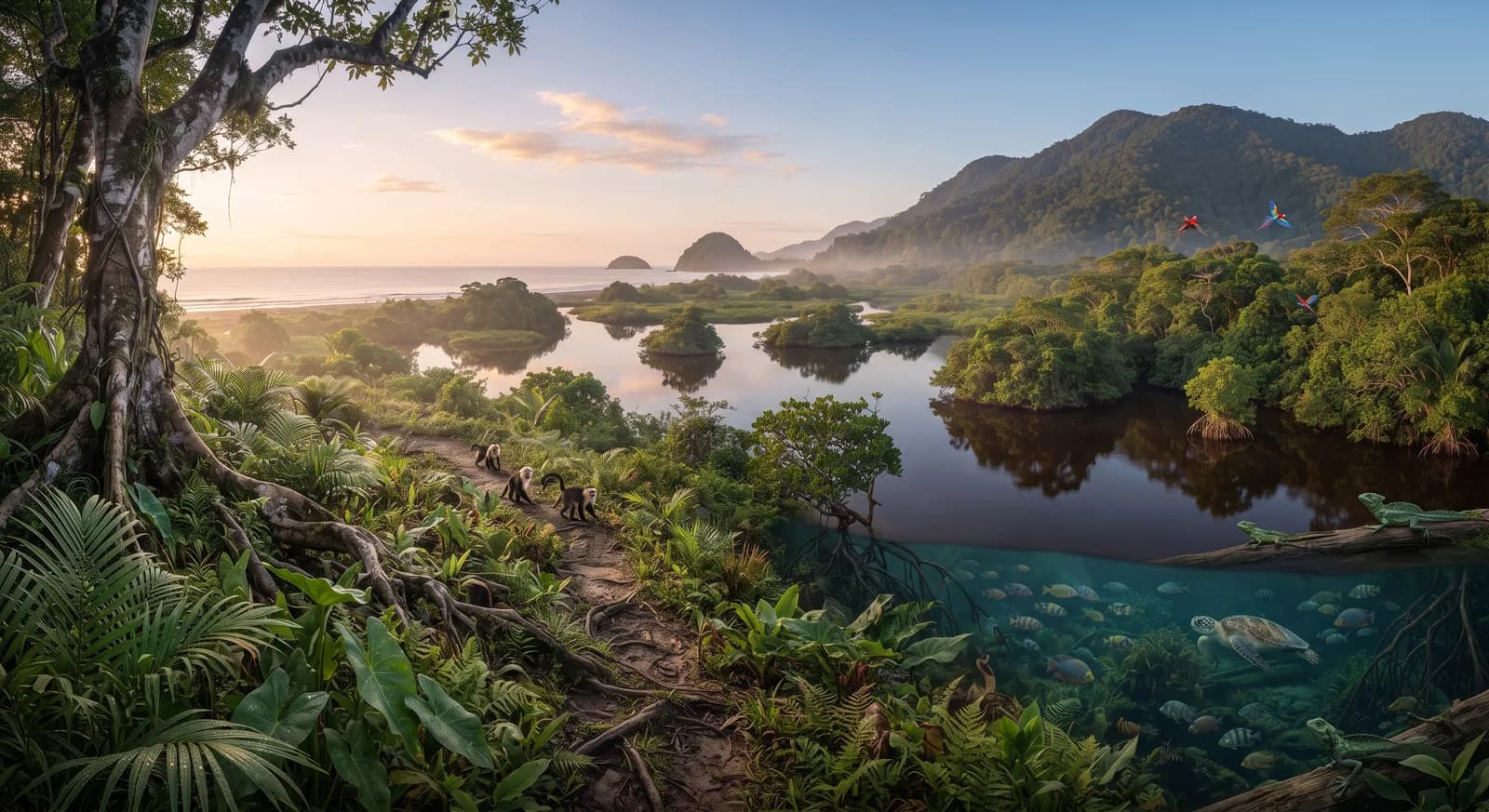
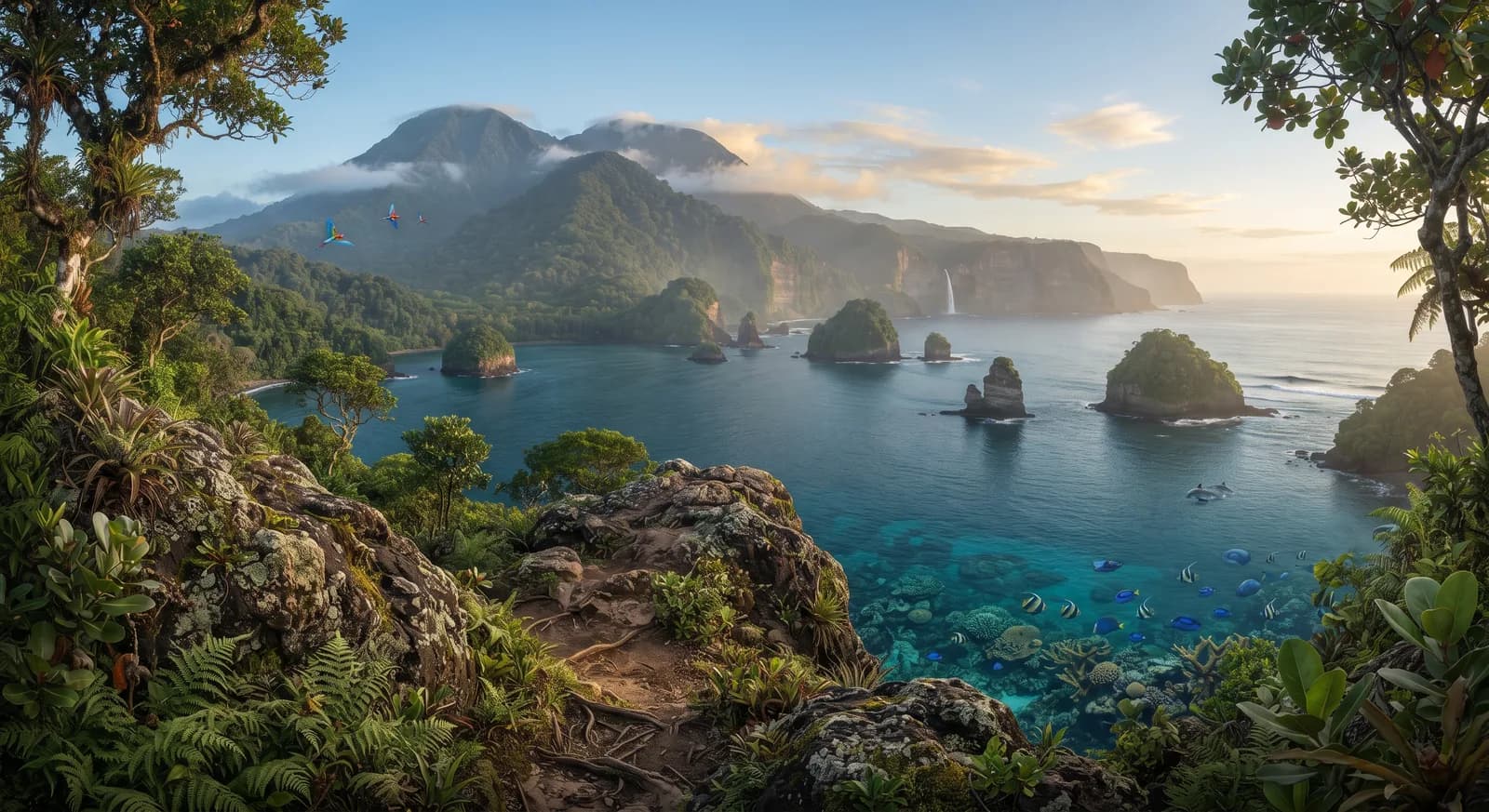
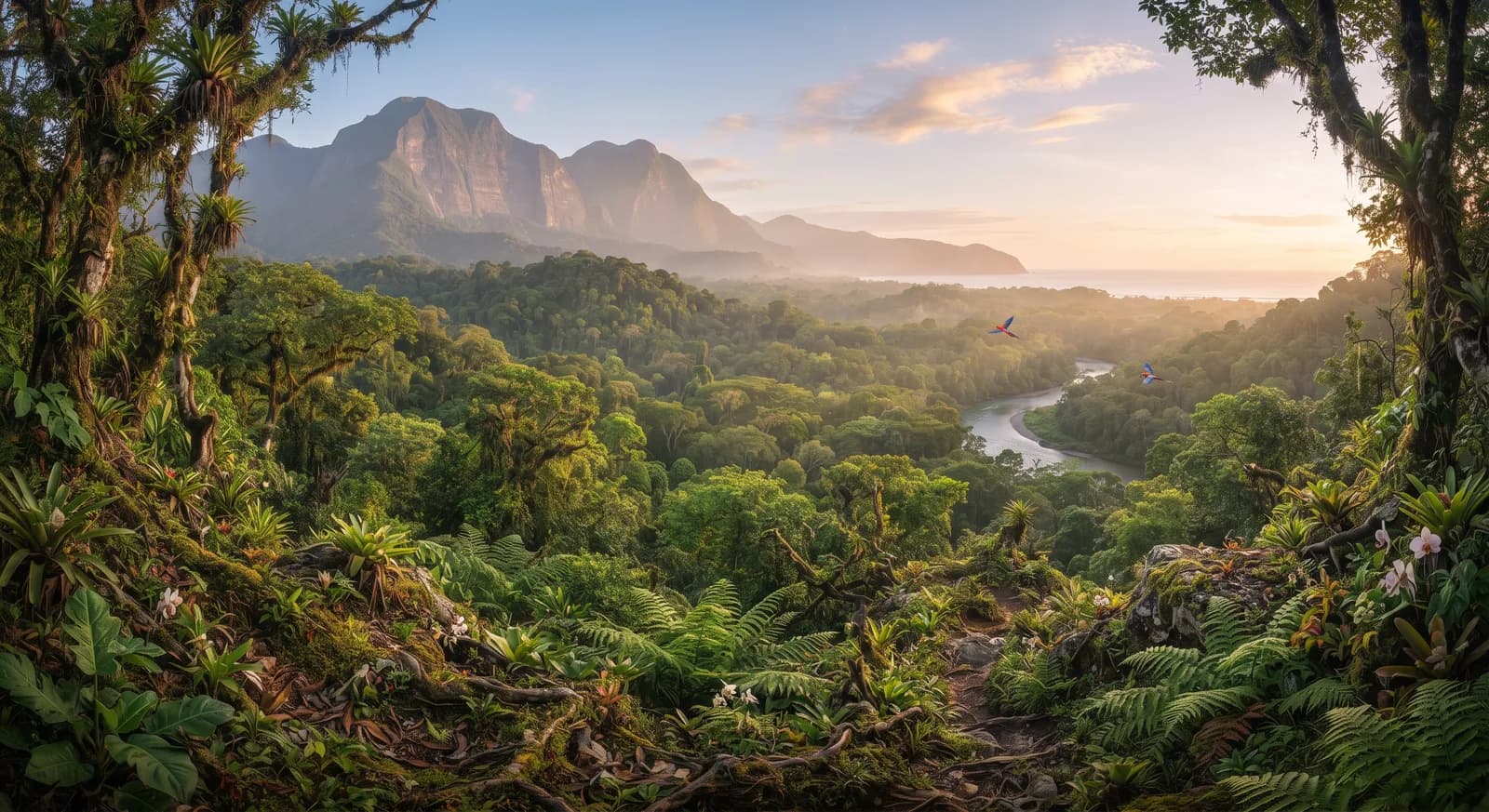
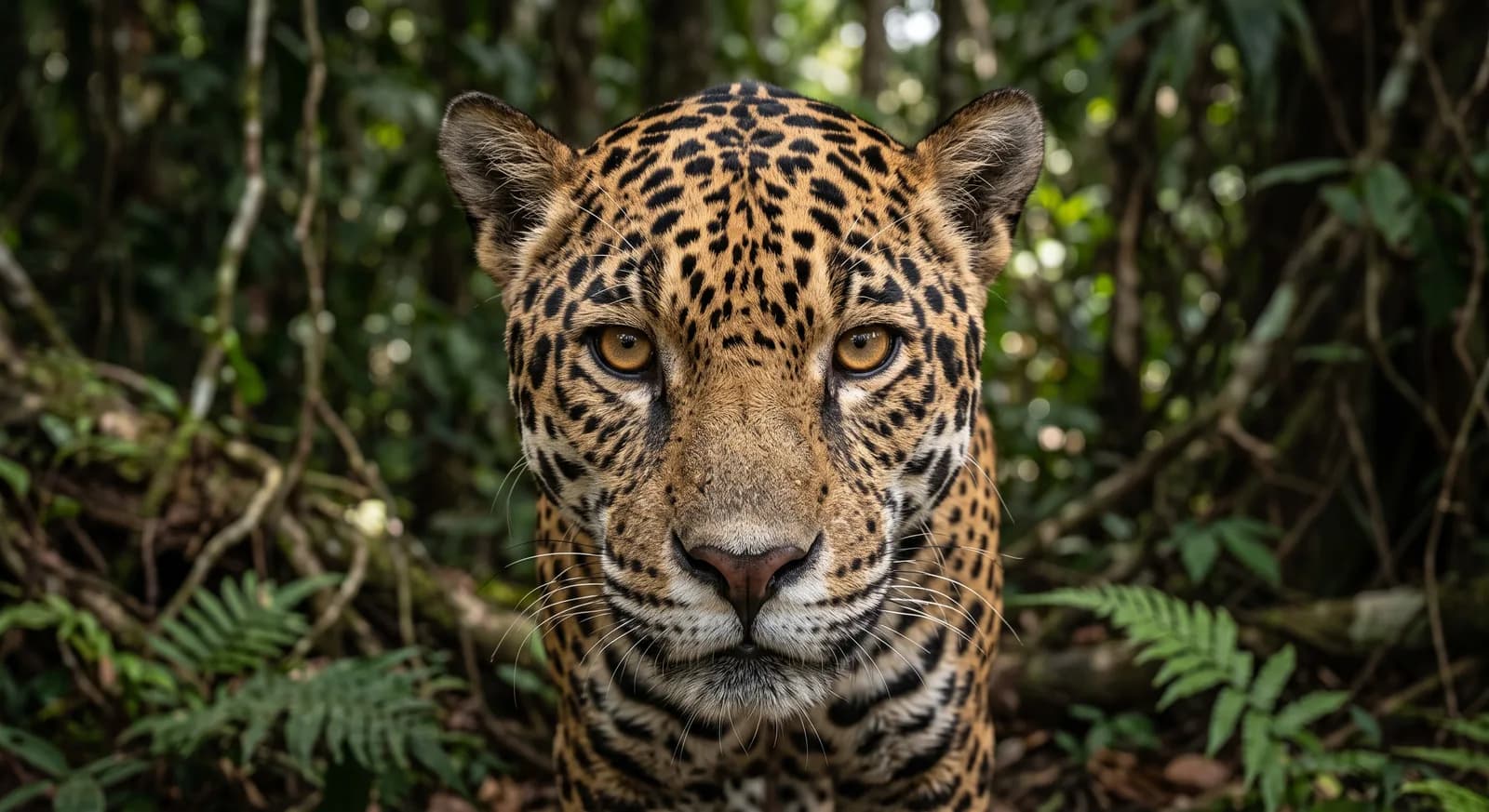
Declared in 1975 after a campaign led by the Costa Rican naturalist Mario Boza to stop logging and gold mining on the Osa Peninsula, Corcovado was described by National Geographic as "the most biologically intense place on Earth", packing an exceptional density of species into a relatively small area — including all four of Costa Rica's monkey species and one of the last viable jaguar populations in the country. It can be reached only by boat or light aircraft, with no road access, and since 2018 it has been compulsory to hire a guide to enter the park, a measure that has cut poaching markedly and improved visitor safety.
Location
Loading map…
3 dive sites within 300 km are also shown.
Corcovado: 70 documented species
Mammals31Birds15Reptiles5Amphibians
Flora and ecosystems
Ecosystems found in Costa Rica, where Corcovado lies.
Tropical rainforestMarine / coastal
Experiences in this park
HikingDiving and snorkellingBirdwatching
Nearby dive sites
Where can I dive near here?
39 km away
171 km away
233 km away
Wildlife you can see now
What is worth looking out for this month in Costa Rica?
Now is a good time: Olive ridley arribada at Ostional (July to November (largest arribadas; smaller ones occur year-round))
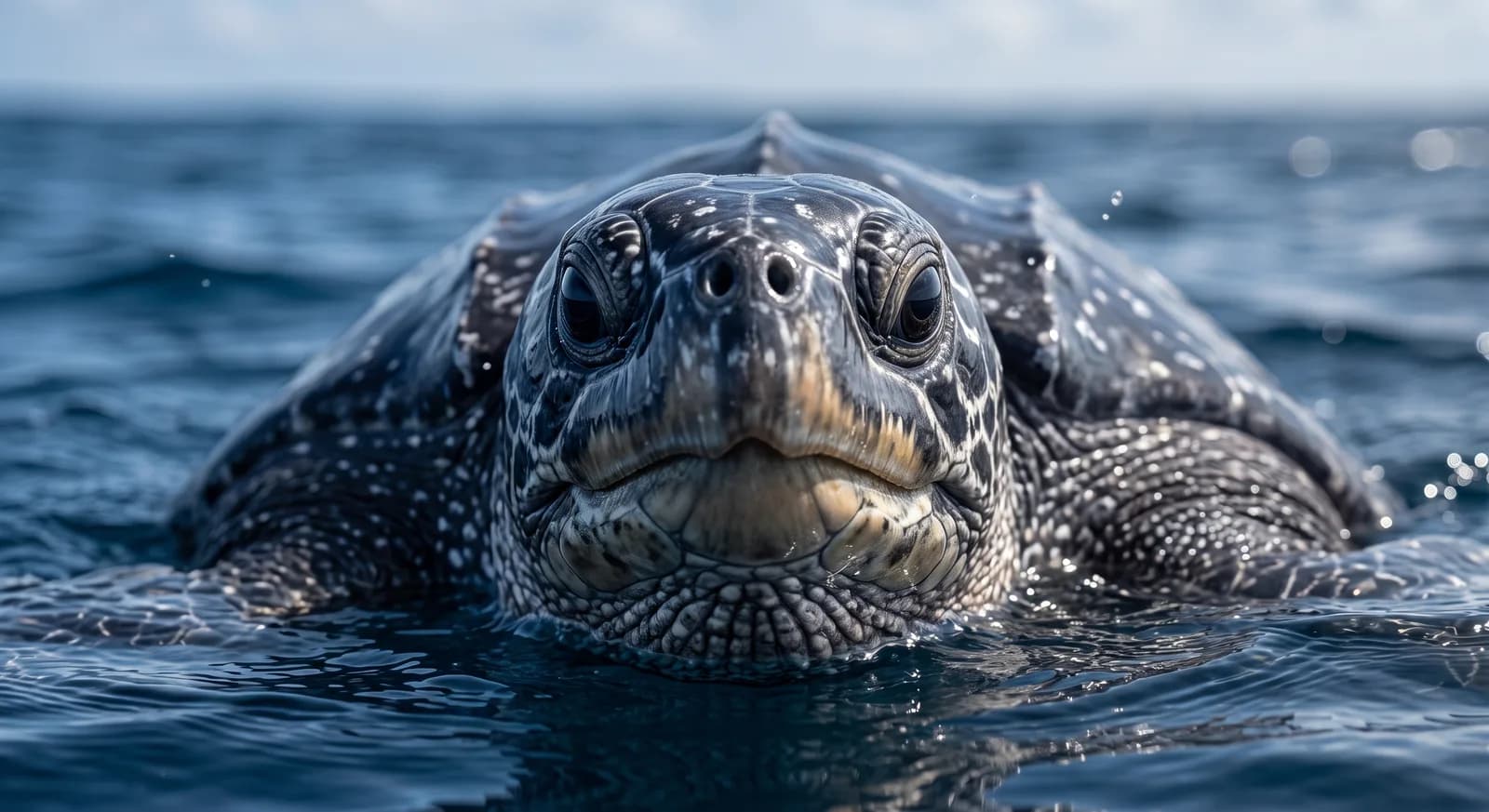
Now is a good time: Sea turtle nesting in Costa Rica (July to October at Tortuguero (peak in August and September); March to July for leatherbacks)
Now is a good time: Sea turtle nesting in Costa Rica (July to October at Tortuguero (peak in August and September); March to July for leatherbacks)
Similar parks
Which other parks are like this one?
Same country: Costa Rica
Same country: Costa Rica
Same country: Costa Rica
Same country: Costa Rica
Keep exploring
Based on what we already know about this park.
Comments
Share your experience visiting Corcovado, or a tip for other travellers.
Be the first to comment.

 Costa Rica