Mammals · Carnivora · Felidae
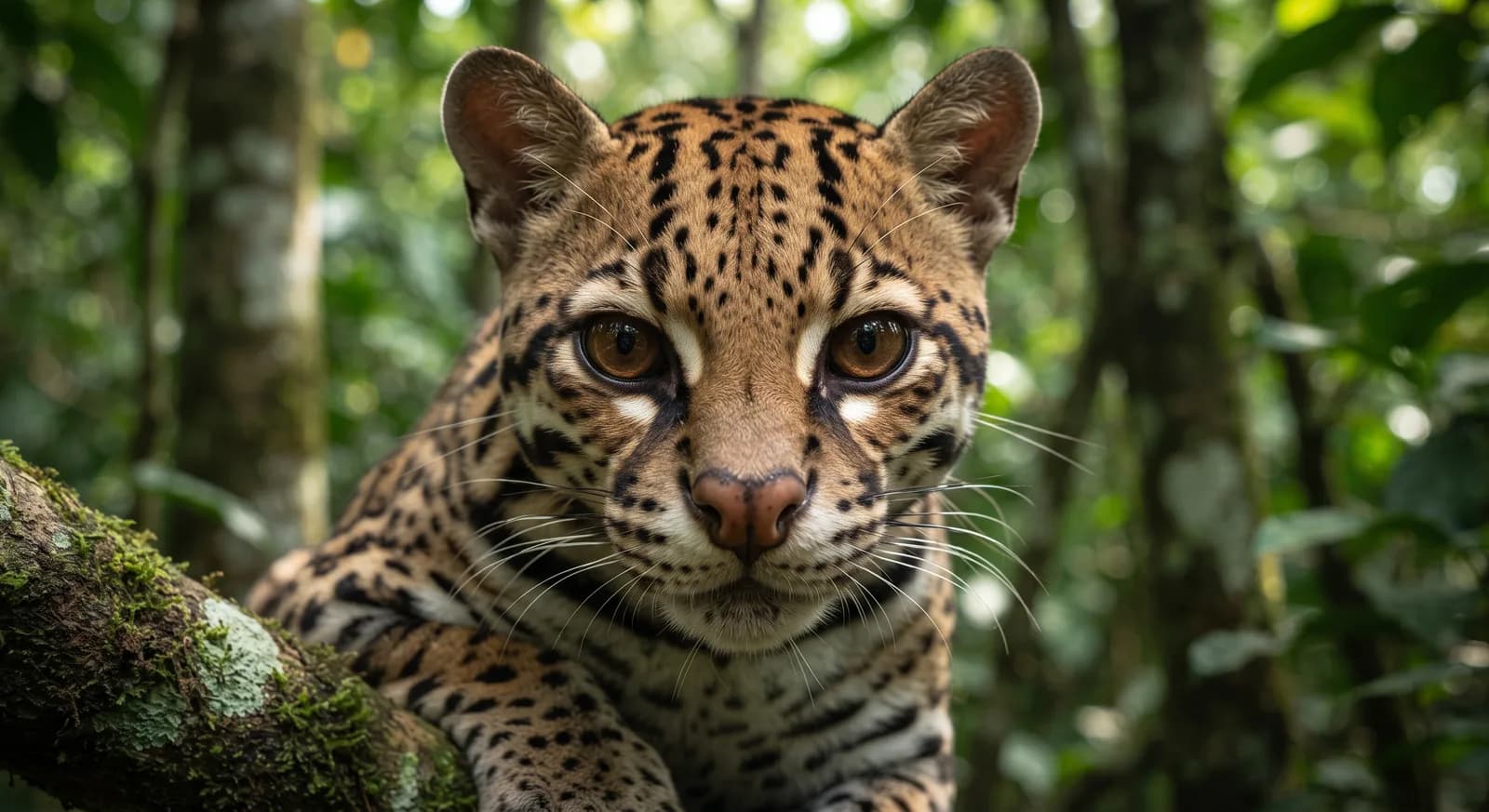
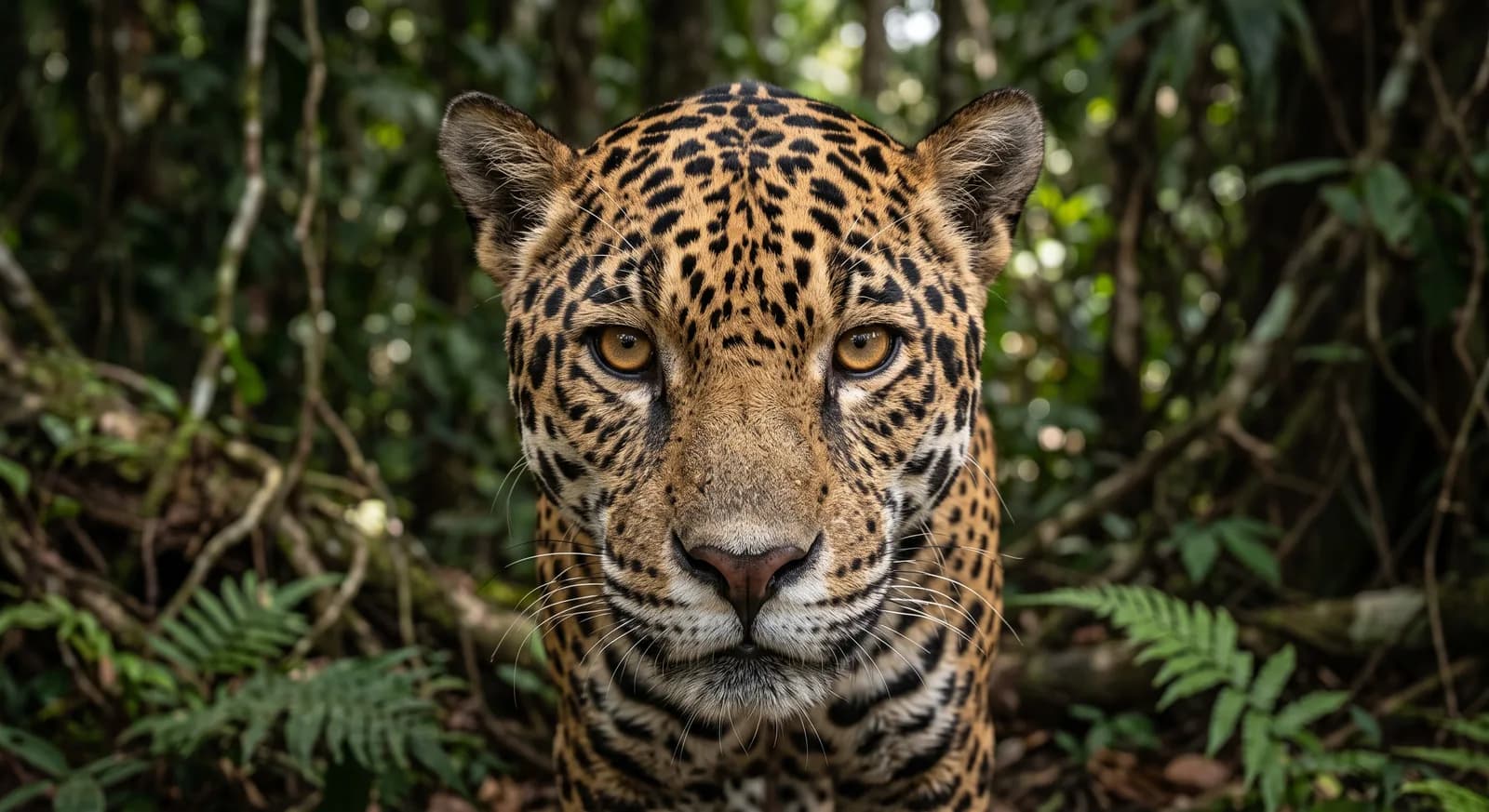
Panthera onca
It could become threatened in the near future if current threats go unchecked.
The largest cat in the Americas, with a bite powerful enough to pierce the shell of a turtle.
Weight
56 kg – 96 kg
Size
1.7 m – 2.4 m
Life expectancy
15 years
Diet
Carnivore
Feeds mainly on other animals.
Activity
Nocturnal
Active mainly at night.
Social structure
Solitary
Lives and hunts alone, joining others only to breed.
Estimated population
Some 173,000 animals across its whole range (95% confidence interval: 138,000-208,000), of which around 163,000 are in South America and 10,000 in North America; most are concentrated in the Amazon basin
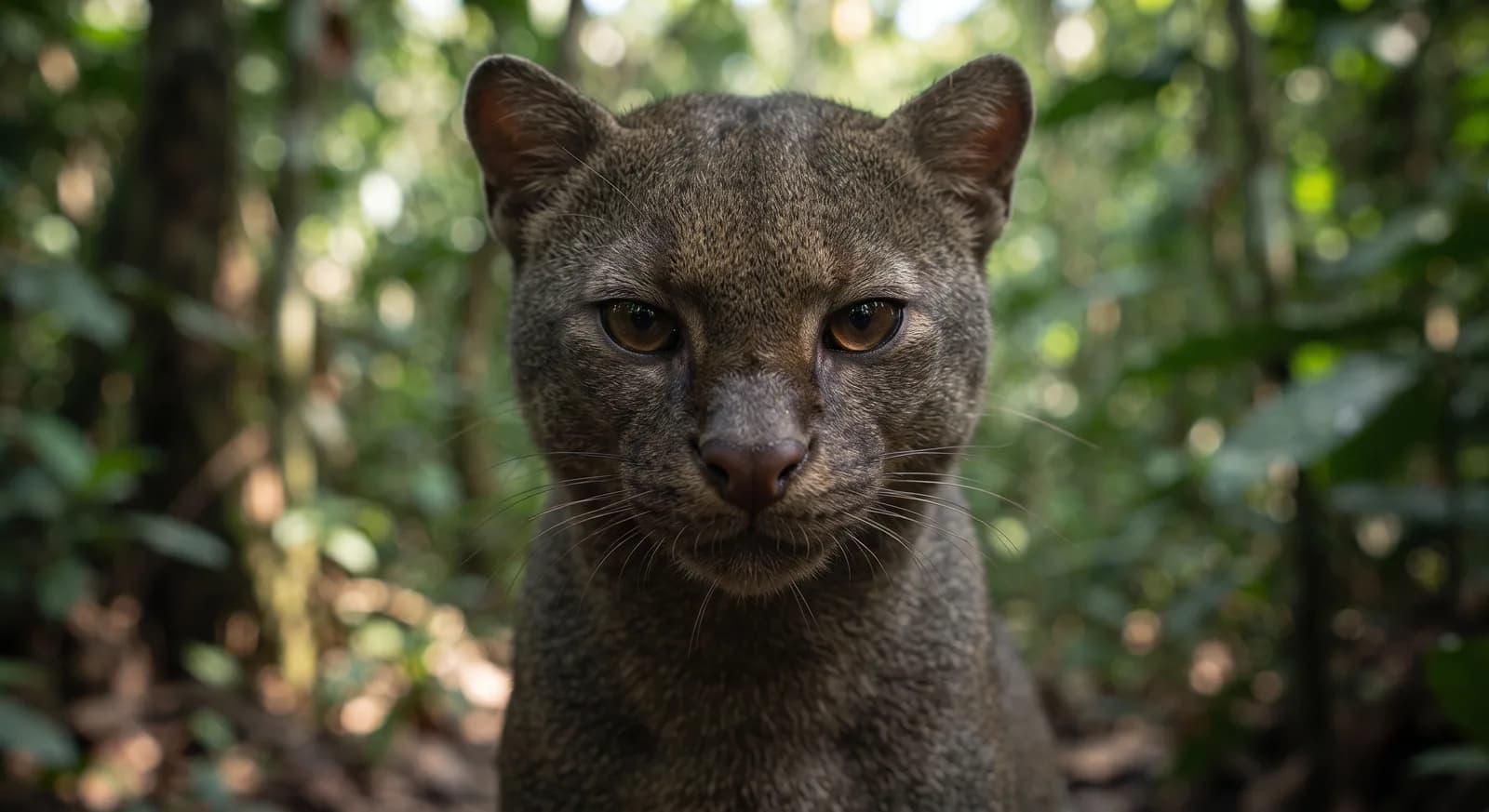
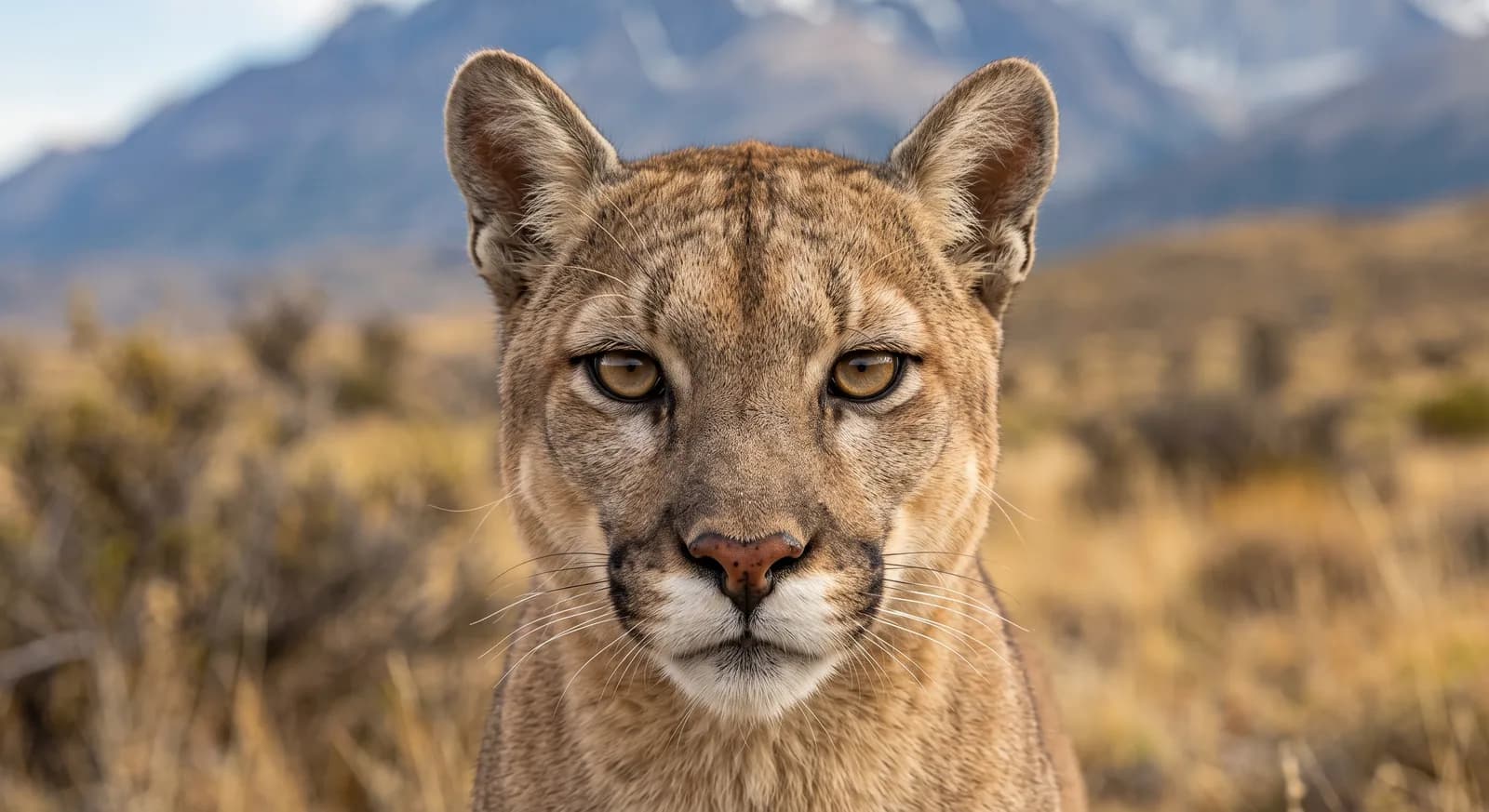
AI-generated images: illustrations, not photographs.
Sources consulted: AnAge (genomics.senescence.info) · U.S. Fish & Wildlife Service · JungleDragon · Animal Diversity Web · SDZWA Library Fact Sheet · BioDB · Fishi-pedia · Quigley et al. 2017, IUCN Red List e.T15953A123791436: pérdida estimada del 20-25 % de individuos maduros en tres generaciones (21 años) y del 20 % del área de distribución entre 2002 y 2015 · Jędrzejewski et al. 2018 · San Diego Zoo Wildlife Alliance Library
Best time: June to October in the Brazilian Pantanal
Parks and dive sites where this species has been documented — showing 10 of 58.
Other species in the catalogue with the most in common with Jaguar — same habitat, park, country, tags or family.
Based on what we already know about jaguar.
The pins mark the parks where its presence is documented.