Skip to content
WAnimals
  • Map
  • Species
  • Parks
  • Diving
Log inCreate account
WAnimals

The guide for travellers and animal lovers: discover, plan and share your wild adventures around the world.

Discover wildlife

  • Species
  • Ecosystems
  • Glossary
  • Tags

Explore places

  • Map
  • Countries
  • Parks
  • Diving

Plan experiences

  • Guides

Learn

  • Blog

Resources

  • About us
  • How we build our profiles
  • Help centre
  • Contact
  • Install the app

Follow us

Account

  • Log in
  • Create account

© 2026 WAnimals. All rights reserved.

Terms of servicePrivacyCookiesLegal notice
MapSpeciesParksDiving
  1. Home
  2. Species
  3. Ocelot
Ocelot (Leopardus pardalis)

Mammals · Carnivora · Felidae

Ocelot

Leopardus pardalis

Least Concern

The species is abundant and widely distributed; it faces no significant short-term risk.

Spotted something wrong?

It was one of the cats most heavily exploited by the twentieth-century fur trade — Brazil alone exported some 80,000 skins a year.

Weight

7 kg – 15.5 kg

Size

40 cm – 50 cm

Life expectancy

10 years
Diet

Carnivore

Feeds mainly on other animals.

Activity

Nocturnal

Active mainly at night.

Social structure

Solitary

Lives and hunts alone, joining others only to breed.

Rainforest
20countries55parks39same family

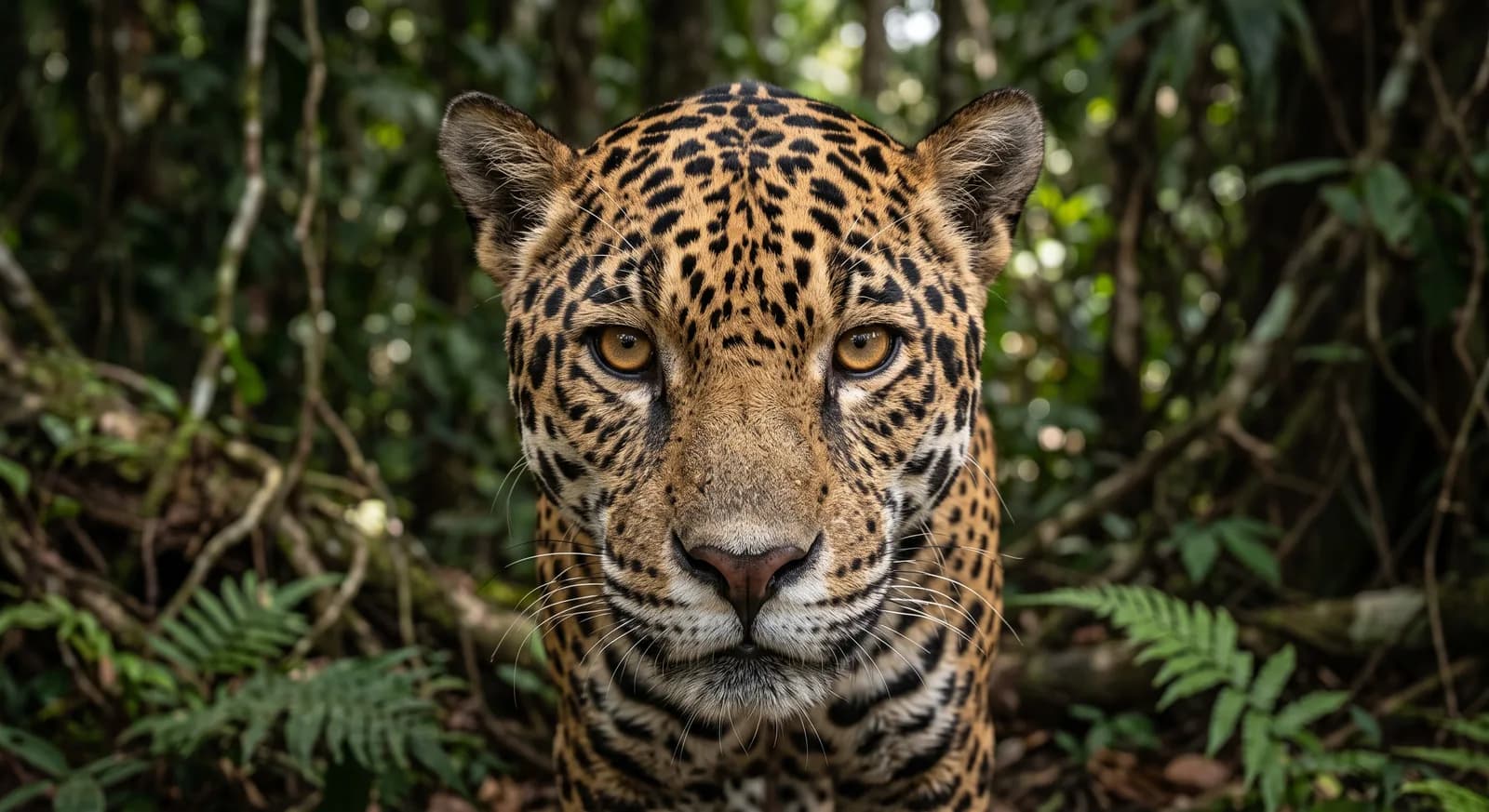
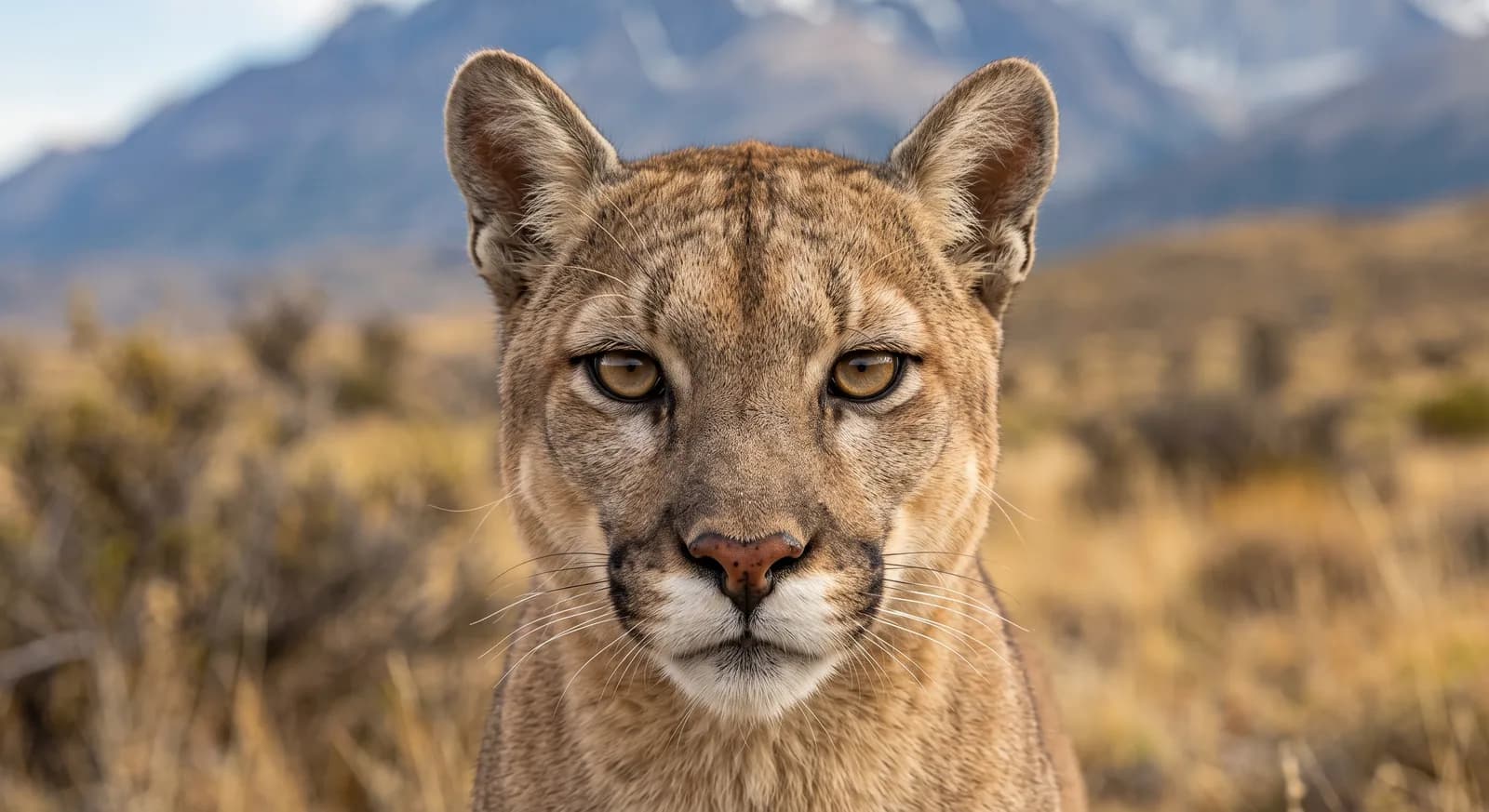
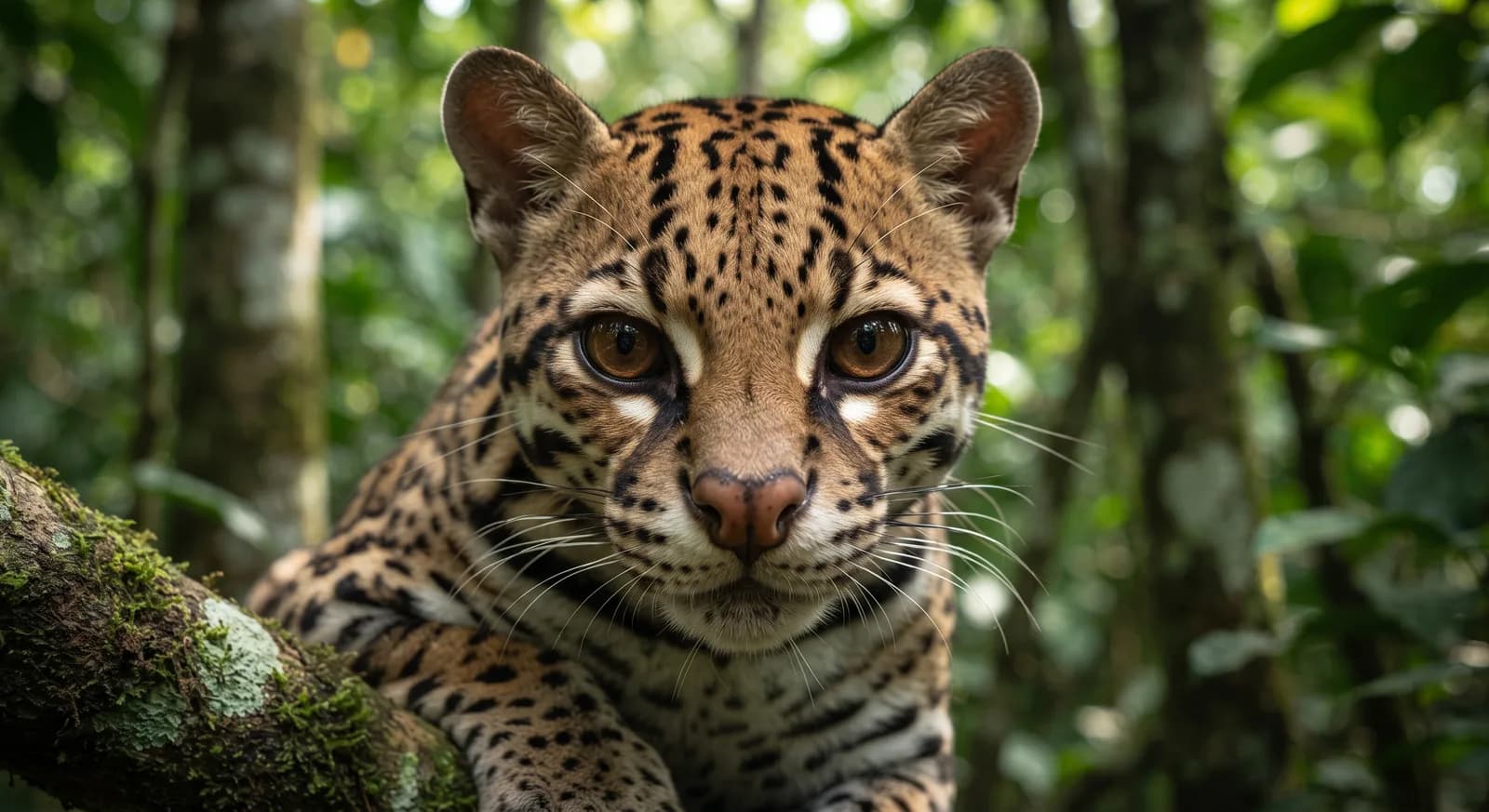
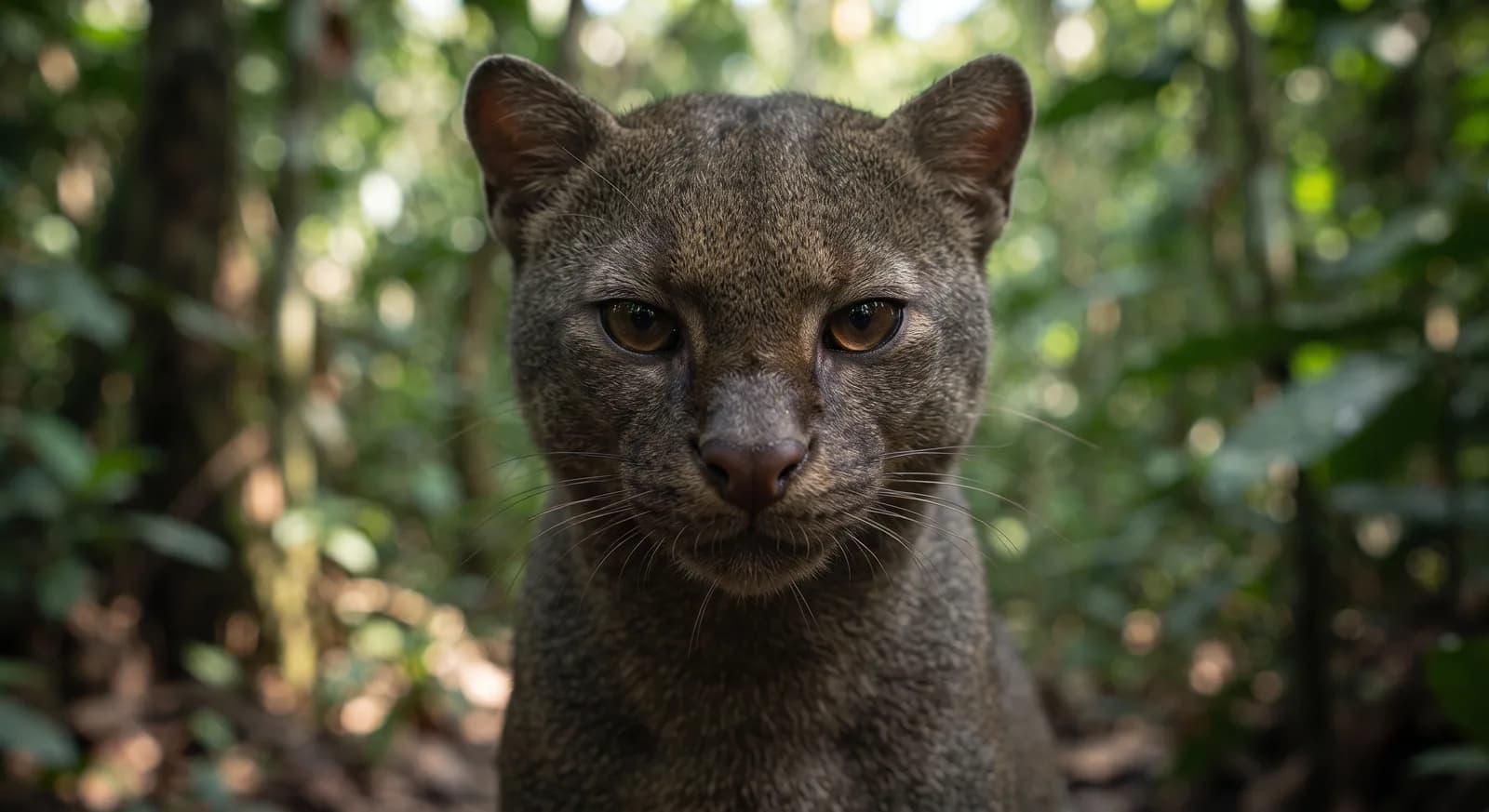
AI-generated images: illustrations, not photographs.

Fun facts

  • It feeds on small mammals such as rodents, along with birds, reptiles and amphibians.
  • It lives in rainforest, thorn scrub, mangroves and dense secondary forest from the south-western United States to Argentina.
  • The fur trade is now banned, which has allowed the population to recover somewhat.

Life cycle and biology

Skeleton type
Vertebrate - internal bony skeleton (mammal)
Habitat and environment
Rainforest, thorn scrub, mangroves and dense secondary forest from the south-western United States to Argentina
Birth weight
Born blind and helpless
Size at birth
Born blind and helpless
Gestation / incubation
70-85 days
Litter / clutch size
1 to 3 young per litter (most commonly 1)

Sources consulted: A-Z Animals · Pró-Carnívoros · Wikipedia (Ocelot) · PMC (Trypanosoma infections Pantanal study, comparative reference)

Where to find it

Loading map…

Where to see it

Parks and dive sites where this species has been documented — showing 10 of 55.

Related species

Other species in the catalogue with the most in common with Ocelot — same habitat, park, country, tags or family.

Same taxonomic family

Keep exploring

Based on what we already know about ocelot.

Share an experience, a fun fact or a tip for seeing the ocelot.
See full glossary
This page in other languages: Español · Deutsch · Français · Português · Italiano

The pins mark the parks where its presence is documented.

See its range on the interactive map→
Sian Ka'anMexico
CalakmulMexico
Sumidero CanyonMexico
Sierra GordaMexico
CorcovadoCosta Rica
MonteverdeCosta Rica
Arenal VolcanoCosta Rica
La AmistadCosta Rica
Volcán BarúPanama
DarienPanama
See all 55 parks
JaguarundiLeast Concern

Jaguarundi

Herpailurus yagouaroundi

JaguarNear Threatened

Jaguar

Panthera onca

Least Concern

Geoffroy's Cat

Leopardus geoffroyi

MargayNear Threatened

Margay

Leopardus wiedii

PumaLeast Concern

Puma

Puma concolor

Vulnerable

Northern Tiger Cat

Leopardus tigrinus

CountriesCosta Rica
ParksSian Ka'anMexico
TagsCarnivore
Carnivore
Nocturnal
Solitary
Feline
Rainforest
Mammal

South America11

North America9

Costa Rica
Brazil
Panama
Argentina
Colombia
Honduras
Argentina
Bolivia
Brazil
Colombia
Ecuador
French Guiana
Guyana
Paraguay
Peru
Suriname
Venezuela
Belize
Costa Rica
El Salvador
Guatemala
Honduras
Mexico
Nicaragua
Panama
Trinidad and Tobago