Skip to content
WAnimals
  • Map
  • Species
  • Parks
  • Diving
Log inCreate account
WAnimals

The guide for travellers and animal lovers: discover, plan and share your wild adventures around the world.

Discover wildlife

  • Species
  • Ecosystems
  • Glossary
  • Tags

Explore places

  • Map
  • Countries
  • Parks
  • Diving

Plan experiences

  • Guides

Learn

  • Blog

Resources

  • About us
  • How we build our profiles
  • Help centre
  • Contact
  • Install the app

Follow us

Account

  • Log in
  • Create account

© 2026 WAnimals. All rights reserved.

Terms of servicePrivacyCookiesLegal notice
MapSpeciesParksDiving
  1. Home
  2. Species
  3. Carolina Sphinx

One of the 4 hawk-moths on WAnimals
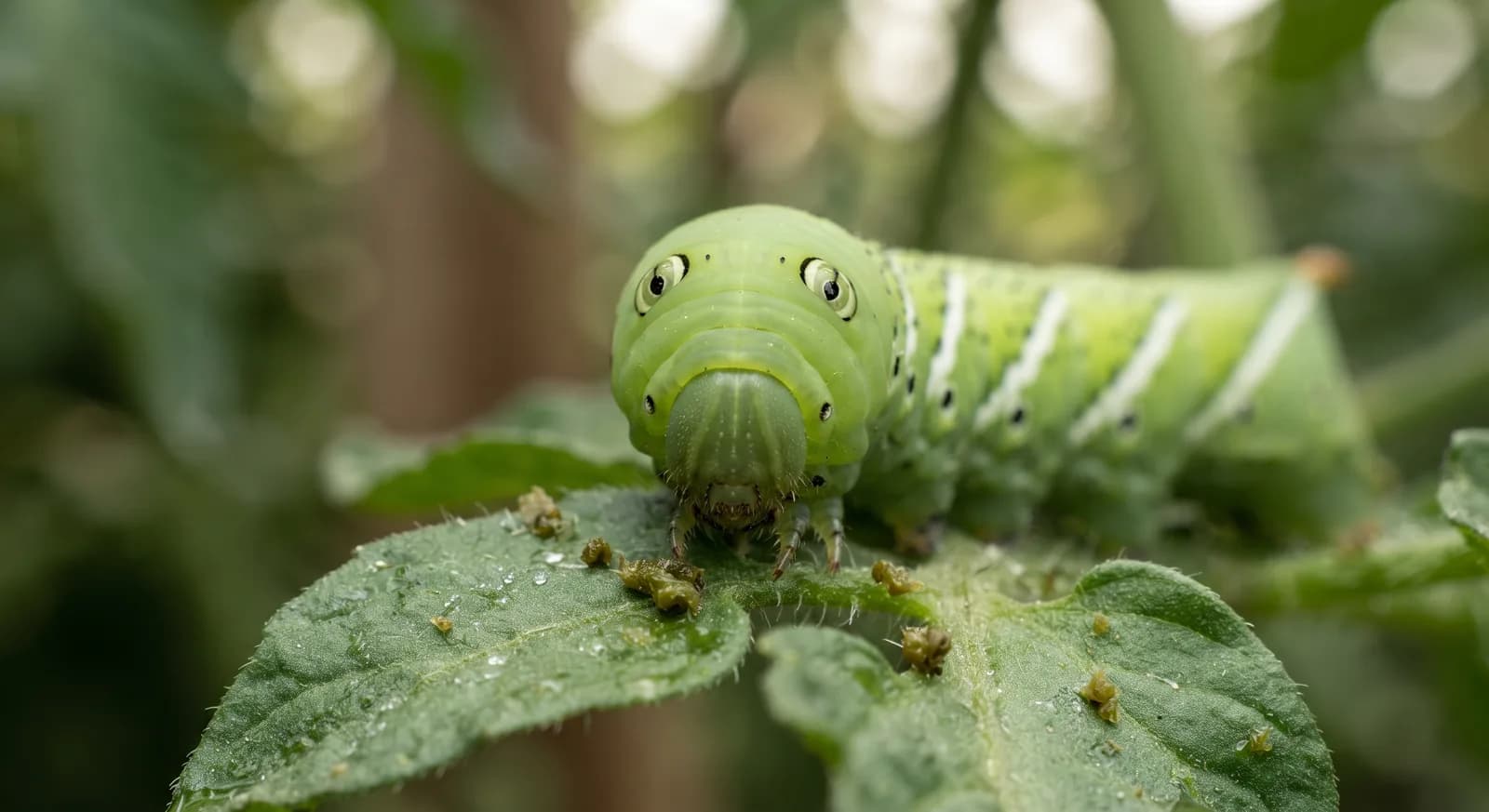
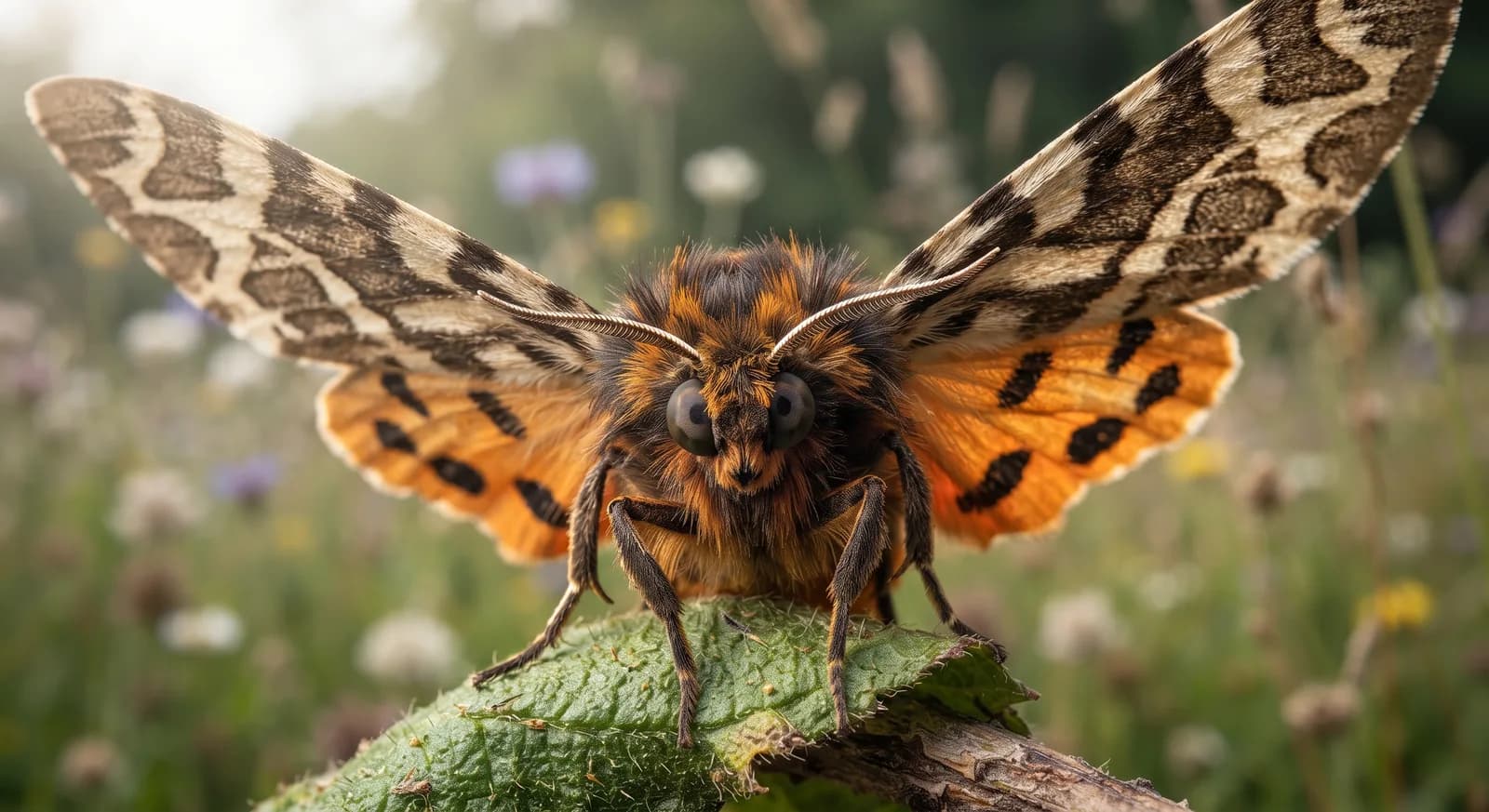
Carolina Sphinx (Manduca sexta)

Insects · Lepidoptera · Sphingidae

Carolina Sphinx

Manduca sexta

Not Evaluated

It has not yet been assessed against the IUCN criteria.

Spotted something wrong?

Manduca sexta is an American lepidopteran of the family Sphingidae, also known as the tobacco hornworm. In its larval stage it feeds on potato, tobacco, tomato and other plants of the family Solanaceae, and as an adult it takes nectar from certain flowers. It is a holometabolous insect commonly used as a model organism in neurobiology, because of its accessible nervous system, its short life cycle and the fact that it is relatively easy to keep in the laboratory. The larval stages are the most used, because they are easy to dissect and to isolate organs from.

Size

9 cm – 12 cm

Life expectancy

1 year

Diet

Herbivore

Feeds mainly on plants.
Activity

Nocturnal

Active mainly at night.

Social structure

Solitary

Lives and hunts alone, joining others only to breed.

Grassland
44countries70parks2same family

AI-generated images: illustrations, not photographs.

Fun facts

  • It is one of the classic model organisms in insect physiology: its size makes it easy to dissect and instrument, and many aspects of insect metamorphosis, flight and nervous system were first studied in it.
  • Its caterpillar sequesters the nicotine from tobacco and exhales it through lateral pores, which drives off the wolf spiders that would prey on it: a literal case of defensive bad breath.
  • The adults feed while hovering and pollinate long-tubed night-flowering plants, with which they have coevolved.
  • It is one of the most widely used model insects in the world in physiology and neurobiology: its large size, easy rearing and accessible nervous system have made it the entomological equivalent of the laboratory mouse.
  • Much of what we know about the hormones of insect metamorphosis was discovered with it.
  • Its caterpillar sequesters nicotine from the tobacco it eats and breathes it out through lateral pores; that nicotine-laden breath drives off the wolf spiders that prey on it. The mechanism was described in 2013 and christened defensive halitosis.
  • The adult sips nectar while hovering, with a very long proboscis, and is an important pollinator of long-trumpeted night-blooming flowers.
  • The caterpillar has a horn at its rear end, harmless despite its appearance, which gives it the name of hornworm.

Life cycle and biology

Skeleton type
Invertebrate - chitin exoskeleton (insect)
Habitat and environment
Crops and open ground with nightshades in the Americas
Size at birth
Light green spherical egg about 0.5 mm across; the first-instar larva measures 1-2 mm
Sexual maturity
The mature larva goes down to the ground, looks for soft soil and burrows in to pupate, a process that can take a week; the adult emerges one or two weeks later in warm weather, or passes the winter as a pupa
Gestation / incubation
The eggs hatch in 2-4 days; the larva goes through five instars in 15-20 days, a prepupal stage of 5 to 7 days follows and the pupa lasts two to five weeks. The full cycle requires about 30 days at 27 °C and lengthens to 39-48 in cold conditions
Litter / clutch size
The female mates within a few days of emerging and can lay more than 1,000 eggs over her lifetime, one by one on the underside of the leaves of nightshades

Sources consulted: Wikipedia (es): Manduca sexta · LSU AgCenter, ficha Manduca sexta · NCBI PMC11702677, metodos estandarizados de cria · Fichas de ciclo biologico de Manduca sexta · LSU AgCenter

Where to find it

Best time: Adults on the wing at night through the warm months, feeding at tubular flowers; two generations a year in the north of its range and three or more in the south

Loading map…

Where to see it

Parks and dive sites where this species has been documented — showing 10 of 70.

Related species

Other species in the catalogue with the most in common with Carolina Sphinx — same habitat, park, country, tags or family.

Shares a park
Shares a park
Shares a park
Shares a park
Shares a park
Shares a park

Keep exploring

Based on what we already know about carolina sphinx.

Share an experience, a fun fact or a tip for seeing the carolina sphinx.
See full glossary
This page in other languages: Español · Deutsch · Français · Português · Italiano

The pins mark the parks where its presence is documented.

See its range on the interactive map→
Grand CanyonUnited States
EvergladesUnited States
Great Smoky MountainsUnited States
Death ValleyUnited States
Big BendUnited States
Mammoth CaveUnited States
Sian Ka'anMexico
El VizcaínoMexico
CalakmulMexico
El Pinacate and Gran Desierto de AltarMexico
See all 70 parks
Least Concern

Ord's Kangaroo Rat

Dipodomys ordii

Least Concern

Hispid Cotton Rat

Sigmodon hispidus

Garden TigerNot Evaluated

Garden Tiger

Arctia caja

Black-tailed JackrabbitLeast Concern

Black-tailed Jackrabbit

Lepus californicus

Least Concern

Antelope Jackrabbit

Lepus alleni

Nine-banded ArmadilloLeast Concern

Nine-banded Armadillo

Dasypus novemcinctus

CountriesUnited States
ParksGrand CanyonUnited States
TagsHerbivore
Herbivore
Nocturnal
Solitary
Insect
Grassland

North America33

South America11

United States
Mexico
Costa Rica
Panama
Guatemala
Honduras
Anguilla
Antigua and Barbuda
Aruba
Bahamas
Barbados
Belize
Bermuda
British Virgin Islands
Canada
Cayman Islands
Costa Rica
Cuba
Curaçao
Dominica
Dominican Republic
Grenada
Guadeloupe
Guatemala
Haiti
Honduras
Jamaica
Martinique
Mexico
Nicaragua
Panama
Puerto Rico
Saint Kitts and Nevis
Saint Lucia
Saint Vincent and the Grenadines
Trinidad and Tobago
Turks and Caicos Islands
U.S. Virgin Islands
United States
Argentina
Bolivia
Brazil
Chile
Colombia
French Guiana
Guyana
Paraguay
Suriname
Uruguay
Venezuela