Skip to content
WAnimals
  • Map
  • Species
  • Parks
  • Diving
Log inCreate account
WAnimals

The guide for travellers and animal lovers: discover, plan and share your wild adventures around the world.

Discover wildlife

  • Species
  • Ecosystems
  • Glossary
  • Tags

Explore places

  • Map
  • Countries
  • Parks
  • Diving

Plan experiences

  • Guides

Learn

  • Blog

Resources

  • About us
  • How we build our profiles
  • Help centre
  • Contact
  • Install the app

Follow us

Account

  • Log in
  • Create account

© 2026 WAnimals. All rights reserved.

Terms of servicePrivacyCookiesLegal notice
MapSpeciesParksDiving
  1. Home
  2. Species
  3. Black-tailed Jackrabbit

One of the 8 hares on WAnimals

Black-tailed Jackrabbit (Lepus californicus)

Mammals · Lagomorpha · Leporidae

Black-tailed Jackrabbit

Lepus californicus

Least Concern

The species is abundant and widely distributed; it faces no significant short-term risk.

Spotted something wrong?

The black-tailed jackrabbit is the commonest hare of the western United States and northern Mexico, recognisable by its enormous black-tipped ears and by the dark stripe that runs along the top of its tail and up onto the rump. It is crepuscular, solitary and prolific, and sustains much of the predator community of the south-west: coyotes, bobcats, golden eagles and hawks. It has benefited from heavy grazing, which replaces tall grass with low scrub and open ground.

Weight

1.3 kg – 3.5 kg

Size

47 cm – 63 cm

Life expectancy

7 years
Diet

Herbivore

Feeds mainly on plants.

Activity

Nocturnal

Active mainly at night.

Social structure

Solitary

Lives and hunts alone, joining others only to breed.

DesertGrassland
3countries7parks11same family

AI-generated images: illustrations, not photographs.

Fun facts

  • GeneralIts 15 cm ears work as radiators to shed heat in the desert.
  • Its ears, up to 17 centimetres long, work as radiators: flushed with blood, they shed heat by radiating it to the sky, letting it survive in the desert without sweating or panting.
  • It reaches 60 kilometres an hour and leaps more than three metres, throwing in high scouting bounds between strides to see over the scrub.

Life cycle and biology

Skeleton type
Vertebrate - internal bony skeleton (mammal)
Habitat and environment
Short grassland, desert scrub, farmland and roadsides of western North America
Sexual maturity
8 months
Gestation / incubation
44 days
Litter / clutch size
1

Sources consulted: IUCN Red List · Animal Diversity Web · Wikipedia (es)

Where to find it

Loading map…

The pins mark the parks where its presence is documented.

Where to see it

Parks and dive sites where this species has been documented.

Related species

Other species in the catalogue with the most in common with Black-tailed Jackrabbit — same habitat, park, country, tags or family.

Same taxonomic family
Shares a park
Shares a park
Shares a park
Shares a park

Keep exploring

Based on what we already know about black-tailed jackrabbit.

Share an experience, a fun fact or a tip for seeing the black-tailed jackrabbit.
See full glossary
This page in other languages: Español · Deutsch · Français · Português · Italiano
See its range on the interactive map→
Death ValleyUnited States
Big BendUnited States
Great BasinUnited States
CanyonlandsUnited States
ArchesUnited States
Joshua TreeUnited States
White SandsUnited States
Least Concern

Eastern Cottontail

Sylvilagus floridanus

Least Concern

Antelope Jackrabbit

Lepus alleni

Least Concern

Big Brown Bat

Eptesicus fuscus

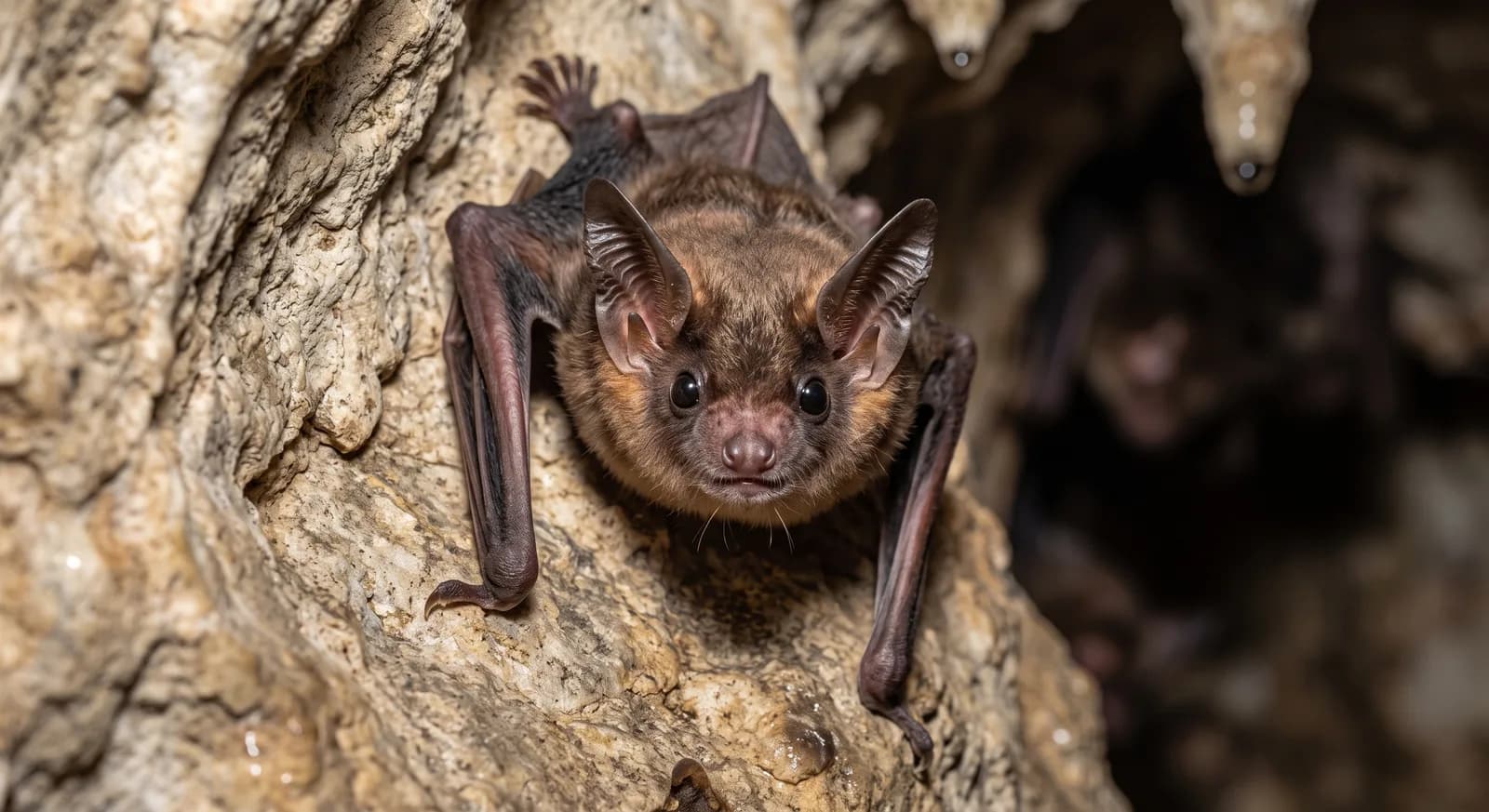
Mexican Free-tailed BatLeast Concern

Mexican Free-tailed Bat

Tadarida brasiliensis

Least Concern

Bushy-tailed Woodrat

Neotoma cinerea

Least Concern

Ord's Kangaroo Rat

Dipodomys ordii

CountriesUnited States
ParksDeath ValleyUnited States
TagsHerbivore
Herbivore
Nocturnal
Solitary
Desert
Grassland
Mammal
United States
Canada
Mexico