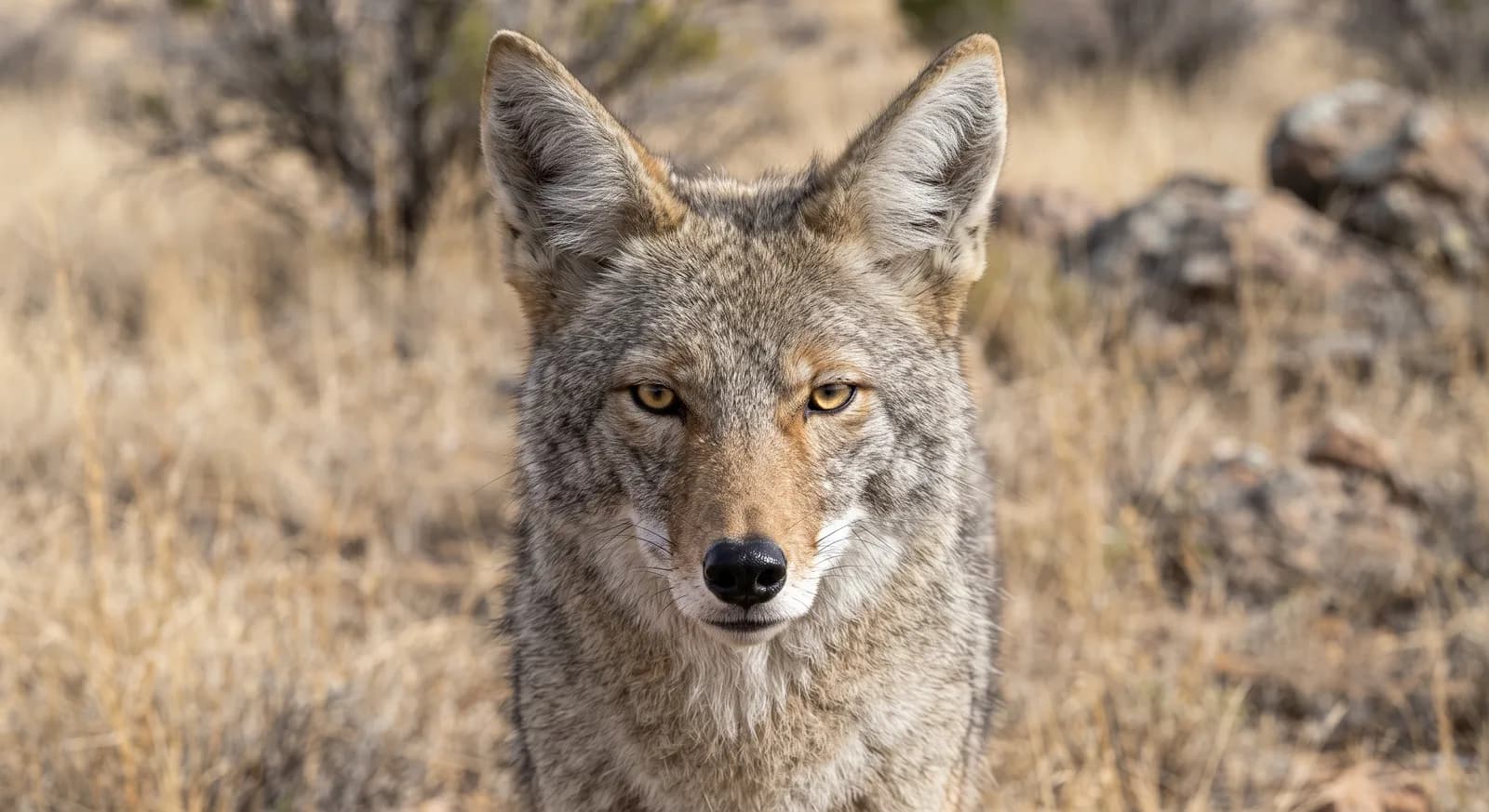
One of the 29 bats on WAnimals
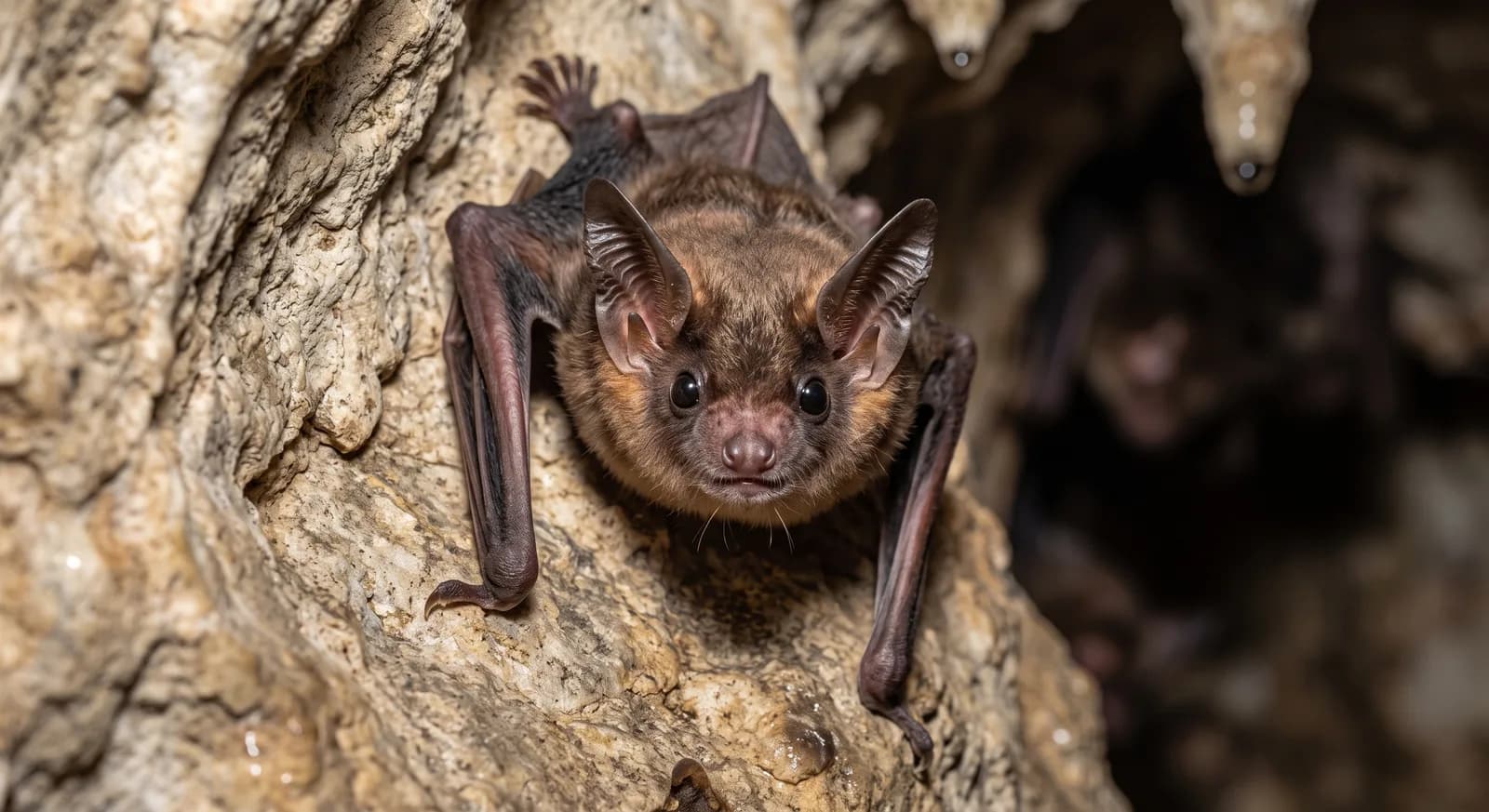
Mammals · Chiroptera · Molossidae
Tadarida brasiliensis
The species is abundant and widely distributed; it faces no significant short-term risk.
It can reach horizontal flight speeds of up to 160 km/h, the fastest level flight documented in any mammal. Its colonies can number 10 to 20 million.
Weight
7 g – 15 g
Size
8 cm – 10 cm
Life expectancy
8 years
Diet
Insectivore
Feeds mainly on insects and other invertebrates.
Activity
Nocturnal
Active mainly at night.
Social structure
Colony
Lives in large concentrations, often for breeding reasons.
Sighting difficulty
Easy
AI-generated images: illustrations, not photographs.
Sources consulted: AnAge (genomics.senescence.info); Natural History Museum of Utah fact sheet; Nevada Dept. of Wildlife; A-Z Animals; Animal Diversity Web; Bat Conservation International; Wikipedia (Mexican free-tailed bat)
Best time: From May to September in Texas and northern Mexico, at dusk, when millions of bats stream out in a column from caves and from city bridges.
The pins mark the parks where its presence is documented.
Parks and dive sites where this species has been documented — showing 10 of 17.
Other species in the catalogue with the most in common with Mexican Free-tailed Bat — same habitat, park, country, tags or family.
Based on what we already know about mexican free-tailed bat.
Share an experience, a fun fact or a tip for seeing the mexican free-tailed bat.
Be the first to comment.