Skip to content
WAnimals
  • Map
  • Species
  • Parks
  • Diving
Log inCreate account
WAnimals

The guide for travellers and animal lovers: discover, plan and share your wild adventures around the world.

Discover wildlife

  • Species
  • Ecosystems
  • Glossary
  • Tags

Explore places

  • Map
  • Countries
  • Parks
  • Diving

Plan experiences

  • Guides

Learn

  • Blog

Resources

  • About us
  • How we build our profiles
  • Help centre
  • Contact
  • Install the app

Follow us

Account

  • Log in
  • Create account

© 2026 WAnimals. All rights reserved.

Terms of servicePrivacyCookiesLegal notice
MapSpeciesParksDiving
  1. Home
  2. Species
  3. Volcano Rabbit

Mammals · Lagomorpha · Leporidae

Volcano Rabbit

Romerolagus diazi

Endangered

At very high risk of extinction in the wild in the near future.

Spotted something wrong?

The volcano rabbit is one of the smallest rabbits in the world and lives only on the slopes of a few volcanoes in central Mexico, among them Popocatépetl and Iztaccíhuatl. It has short, rounded ears and no visible tail, two features that set it apart from any other rabbit. It shelters in tunnels beneath clumps of zacatón, a tall bunchgrass on which it depends entirely. Grazing, fires and the urban sprawl of Mexico City are closing in on it.

Weight

400 g – 600 g

Size

23 cm – 32 cm

Life expectancy

4 years

Diet

Herbivore

Feeds mainly on plants.

Activity

Crepuscular

Active mainly at dawn and dusk.

Social structure

Colony

Lives in large concentrations, often for breeding reasons.

MountainGrassland
1countries3parks11same family

Fun facts

  • Unlike almost every other rabbit, it gives high-pitched squeaks to communicate, vocal behaviour more typical of the pikas.
  • It belongs to a genus of its own, Romerolagus, of which it is the only species: it has no close living relatives at all.

Life cycle and biology

Skeleton type
Vertebrate - internal bony skeleton (mammal)
Habitat and environment
Tall bunchgrass grassland on volcanic slopes of the Trans-Mexican Volcanic Belt, between 2,800 and 4,250 m
Gestation / incubation
40 days
Litter / clutch size
2

Sources consulted: Wikipedia (es): Romerolagus diazi

Where to find it

Loading map…

The pins mark the parks where its presence is documented.

Where to see it

Parks and dive sites where this species has been documented.

Related species

Other species in the catalogue with the most in common with Volcano Rabbit — same habitat, park, country, tags or family.

Same taxonomic family
Shares a park

How to help

The volcano rabbit is classified as endangered. Organisations such as the IUCN, WWF and the Wildlife Conservation Society work specifically on its conservation and that of its habitat; looking into their programmes is a good starting point if you want to get involved.

Keep exploring

Based on what we already know about volcano rabbit.

Share an experience, a fun fact or a tip for seeing the volcano rabbit.
See full glossary
This page in other languages: Español · Deutsch · Français · Português · Italiano
See its range on the interactive map→
Iztaccíhuatl-PopocatépetlMexico
La MalincheMexico
Nevado de TolucaMexico
Least Concern

Eastern Cottontail

Sylvilagus floridanus

TapetiNot Evaluated

Tapeti

Sylvilagus brasiliensis

Least Concern

Antelope Jackrabbit

Lepus alleni

Black-tailed JackrabbitLeast Concern

Black-tailed Jackrabbit

Lepus californicus

Endangered

Hispid Hare

Caprolagus hispidus

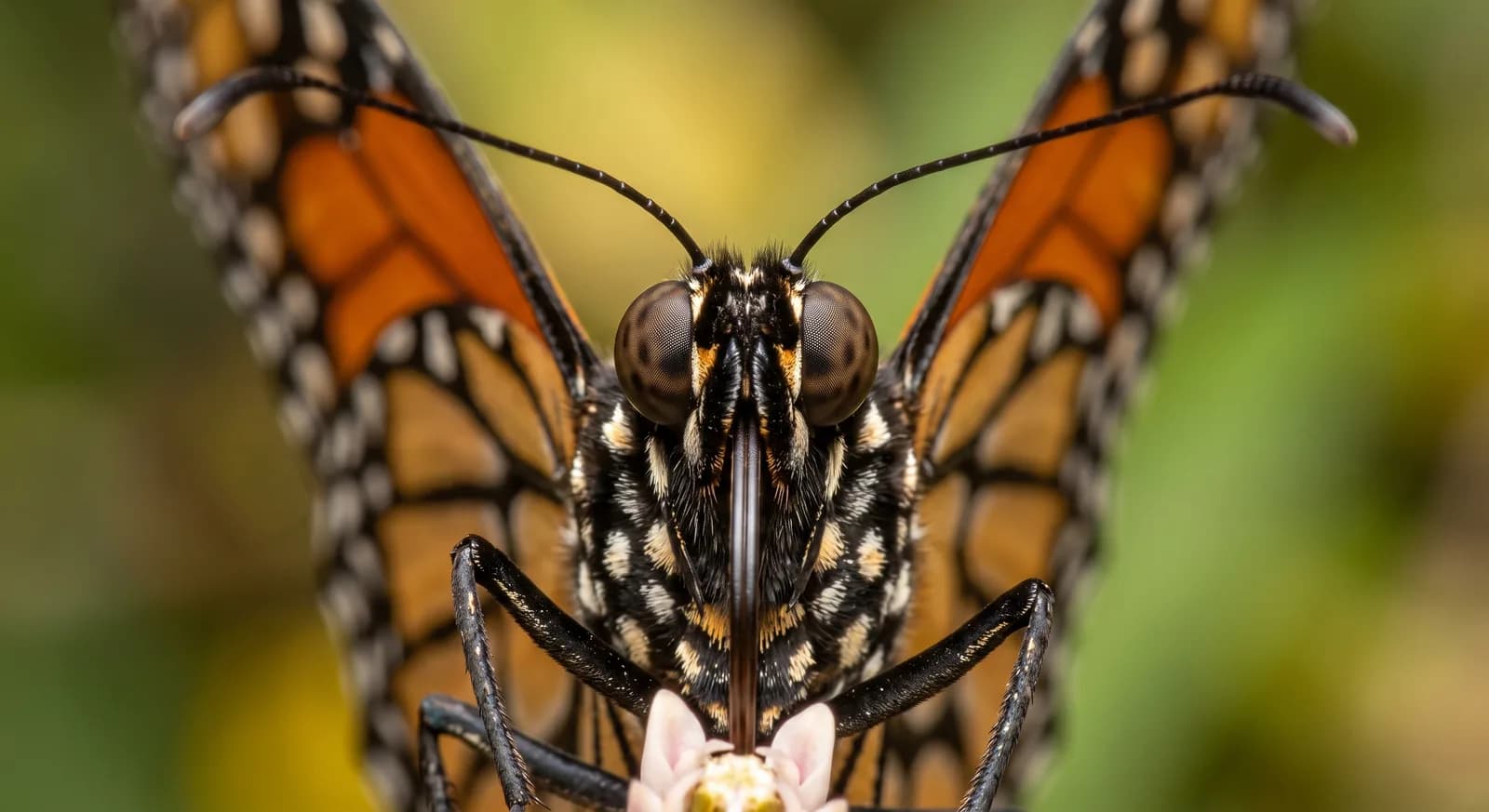
MonarchNot Evaluated

Monarch

Danaus plexippus

CountriesMexico
ParksIztaccíhuatl-PopocatépetlMexico
TagsHerbivore
Herbivore
Crepuscular
Colonial
Endangered
Mountain
Grassland
Mammal
Mexico