Grutas de Cacahuamilpa National Park was decreed in 1936 in the north of the state of Guerrero, near the boundary with Morelos and a short distance from Taxco. It protects a limestone massif riddled with one of the largest cave systems in the world, formed by the dissolution of the rock over millions of years.
The main gallery open to visitors runs for some two kilometres through a score of chambers of exceptional size, some more than seventy metres high and eighty wide, occupied by large stalactites, stalagmites and columns to which tradition has given names for their resemblance to figures. The system has not been explored in its entirety and its real extent is unknown. Two underground rivers also run beneath the massif, the Chontalcoatlán and the San Jerónimo, which cross the mountain and emerge at the surface, and which are travelled on caving trips.
The caves have been known since pre-Hispanic times and there is evidence of ritual use; they were opened to the public in the nineteenth century and their walls preserve historic signatures and graffiti from those first visitors. The cave fauna includes bat colonies and organisms adapted to permanent darkness, while at the surface the vegetation is tropical dry forest and scrub. The lighting installed for visits and the volume of tourism are the main factors altering the underground environment.
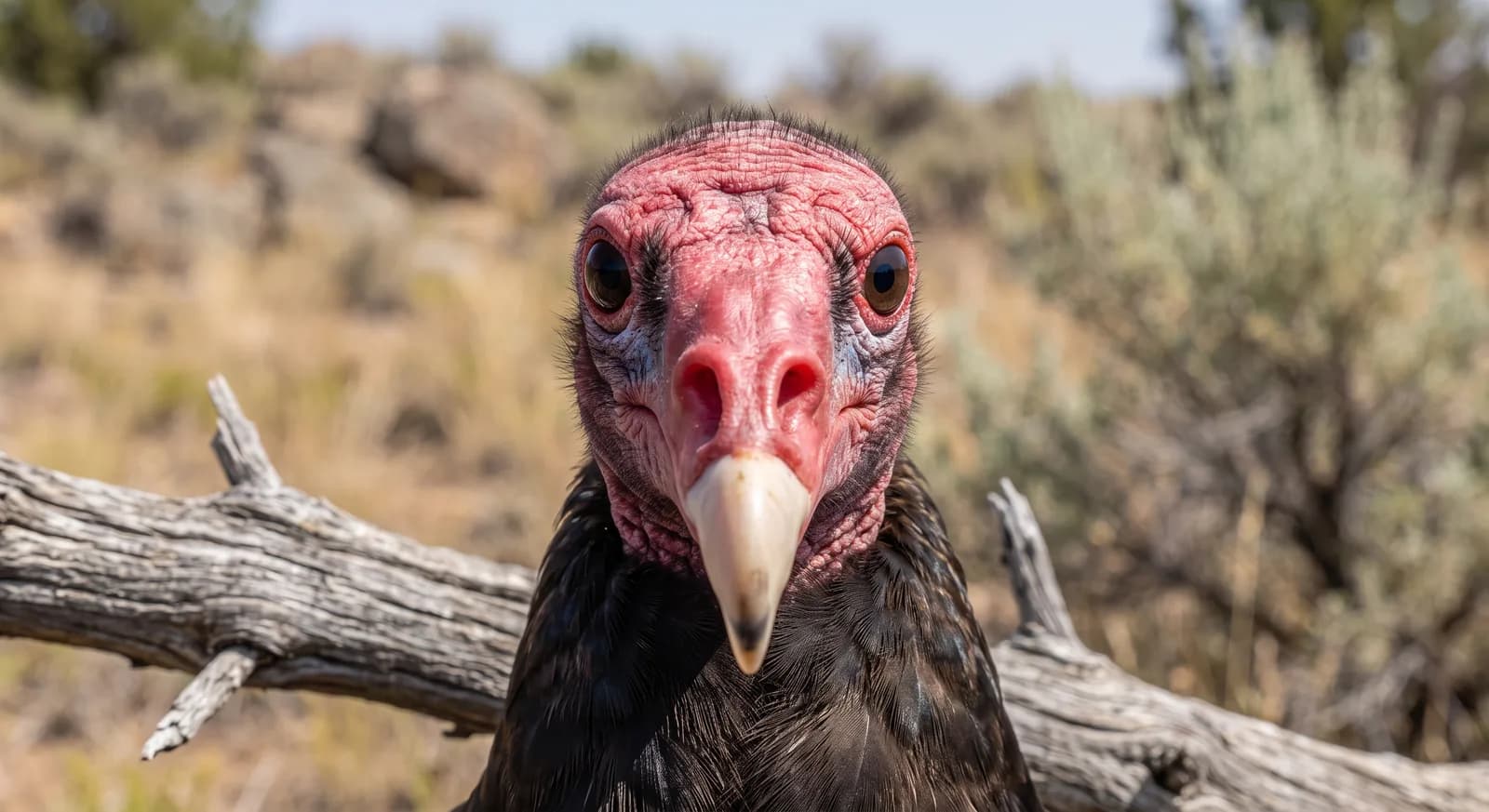 Least Concern
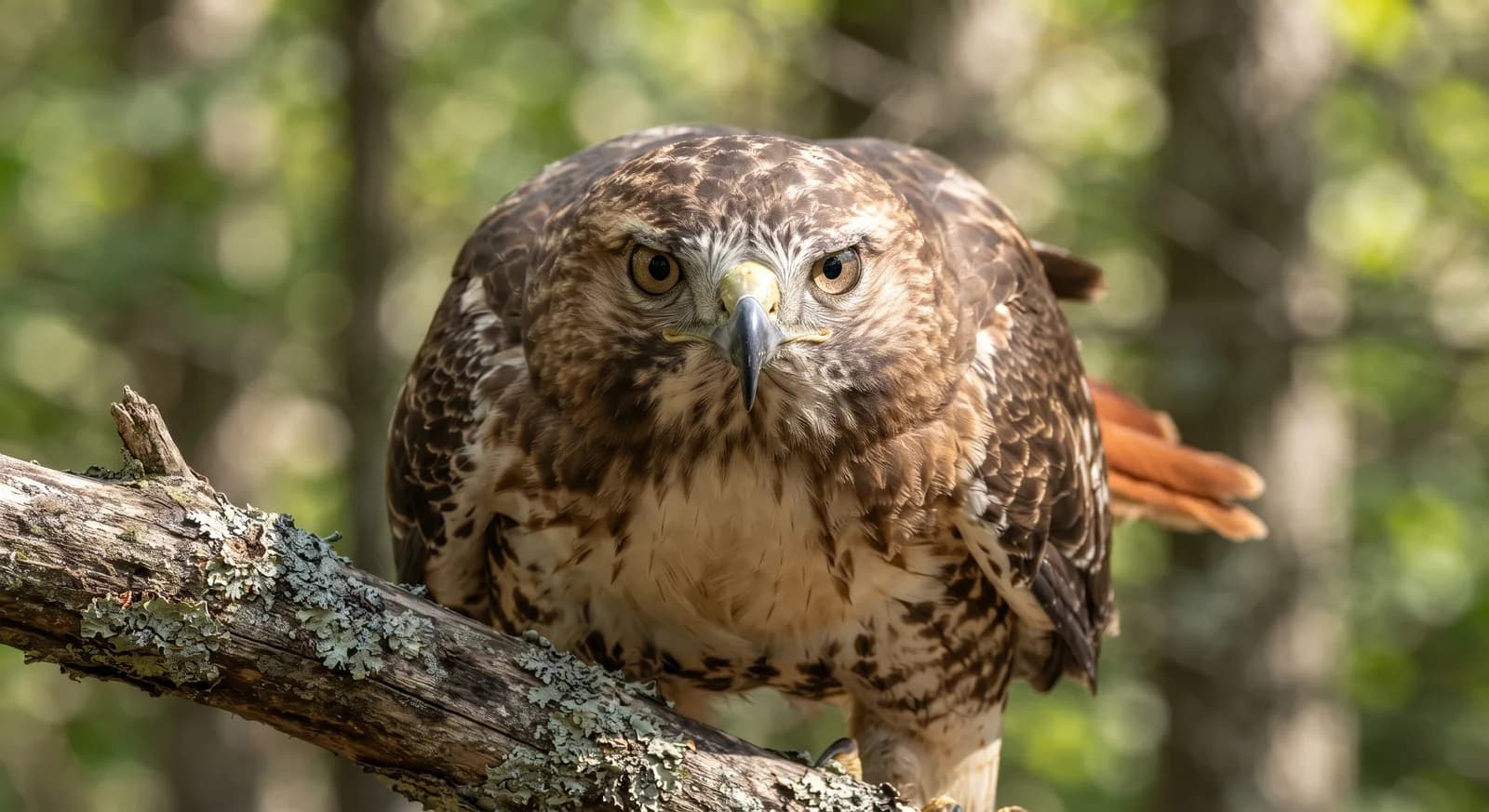 Least Concern
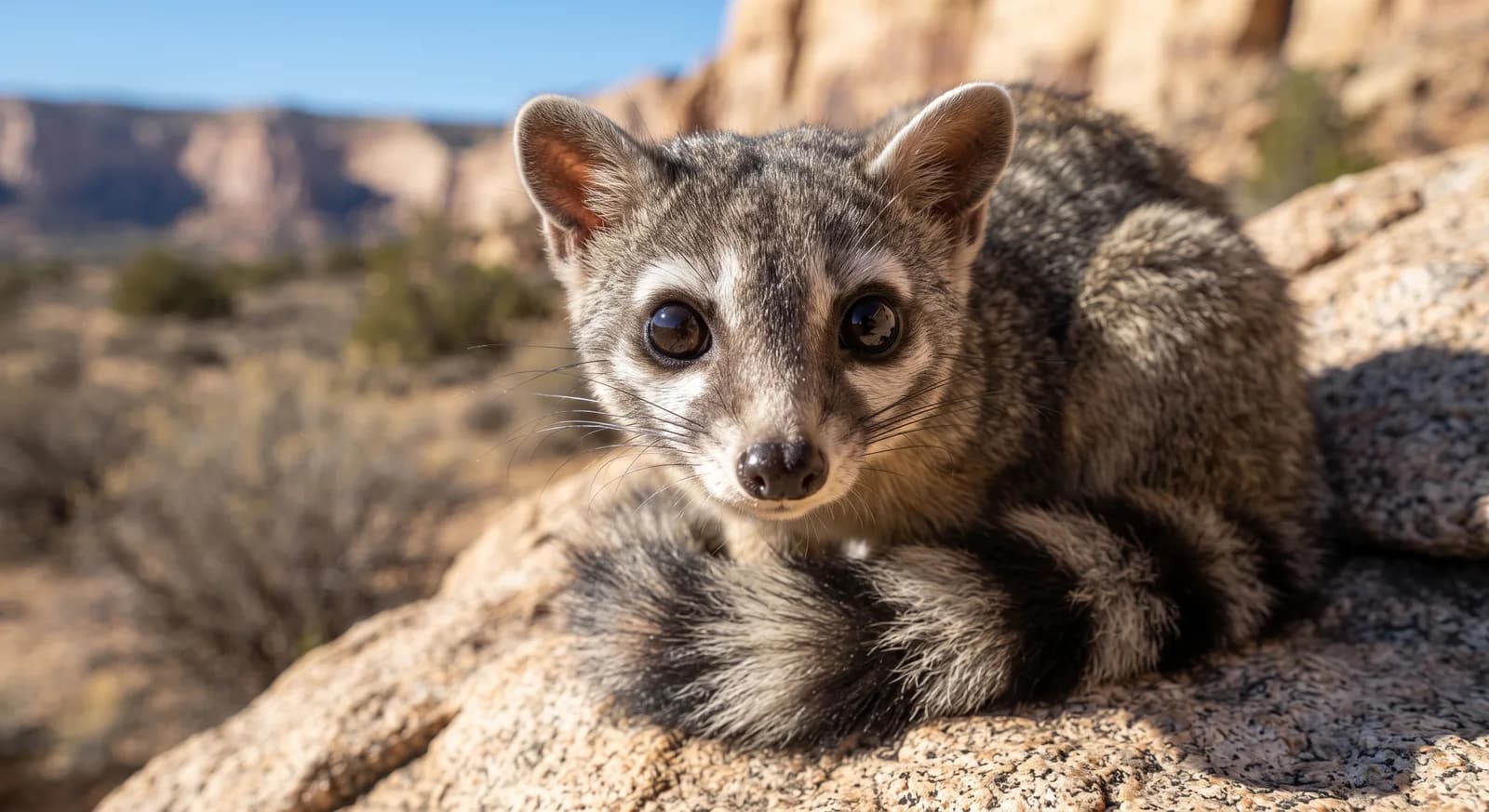 Least Concern
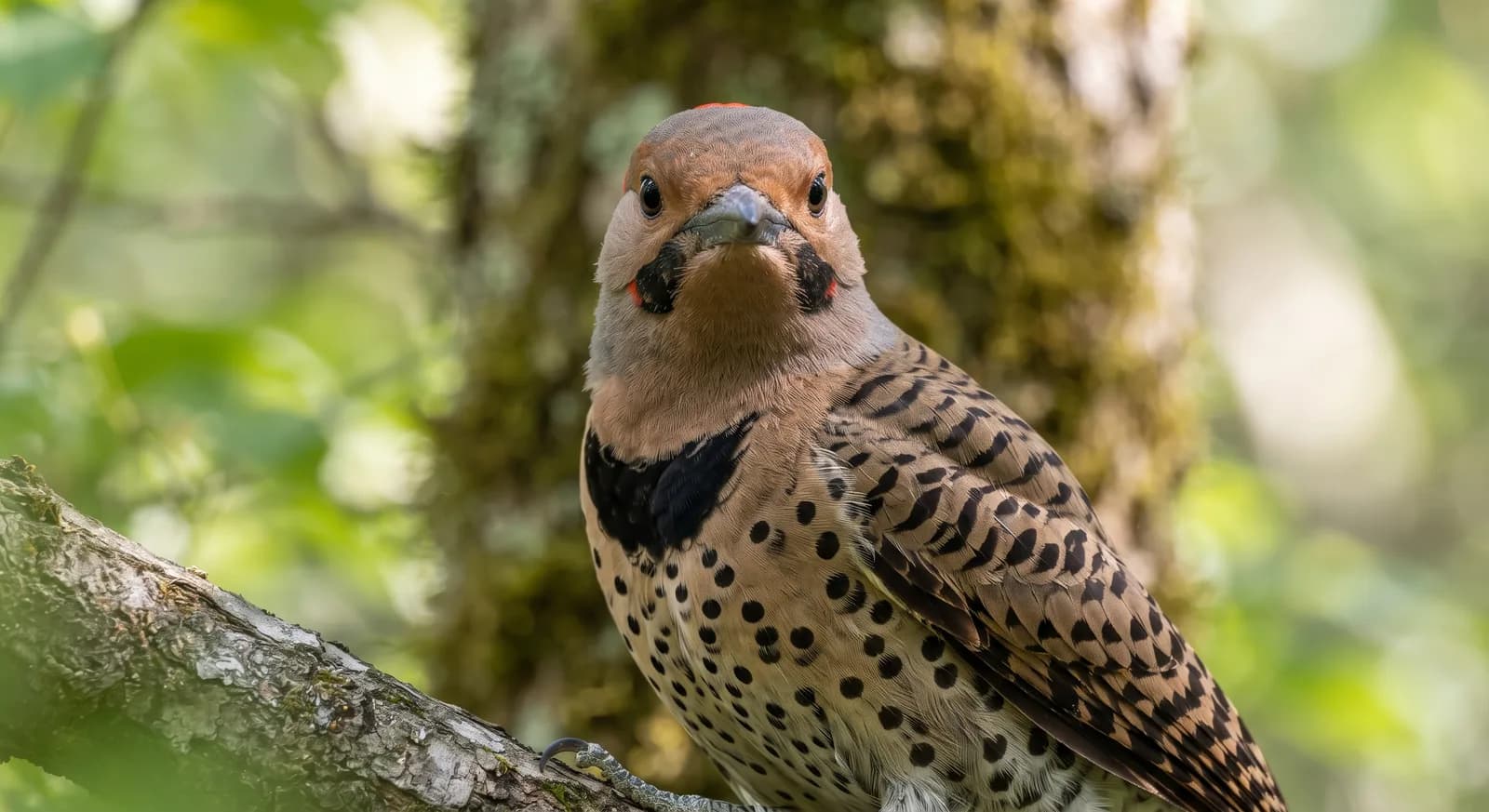 Least Concern
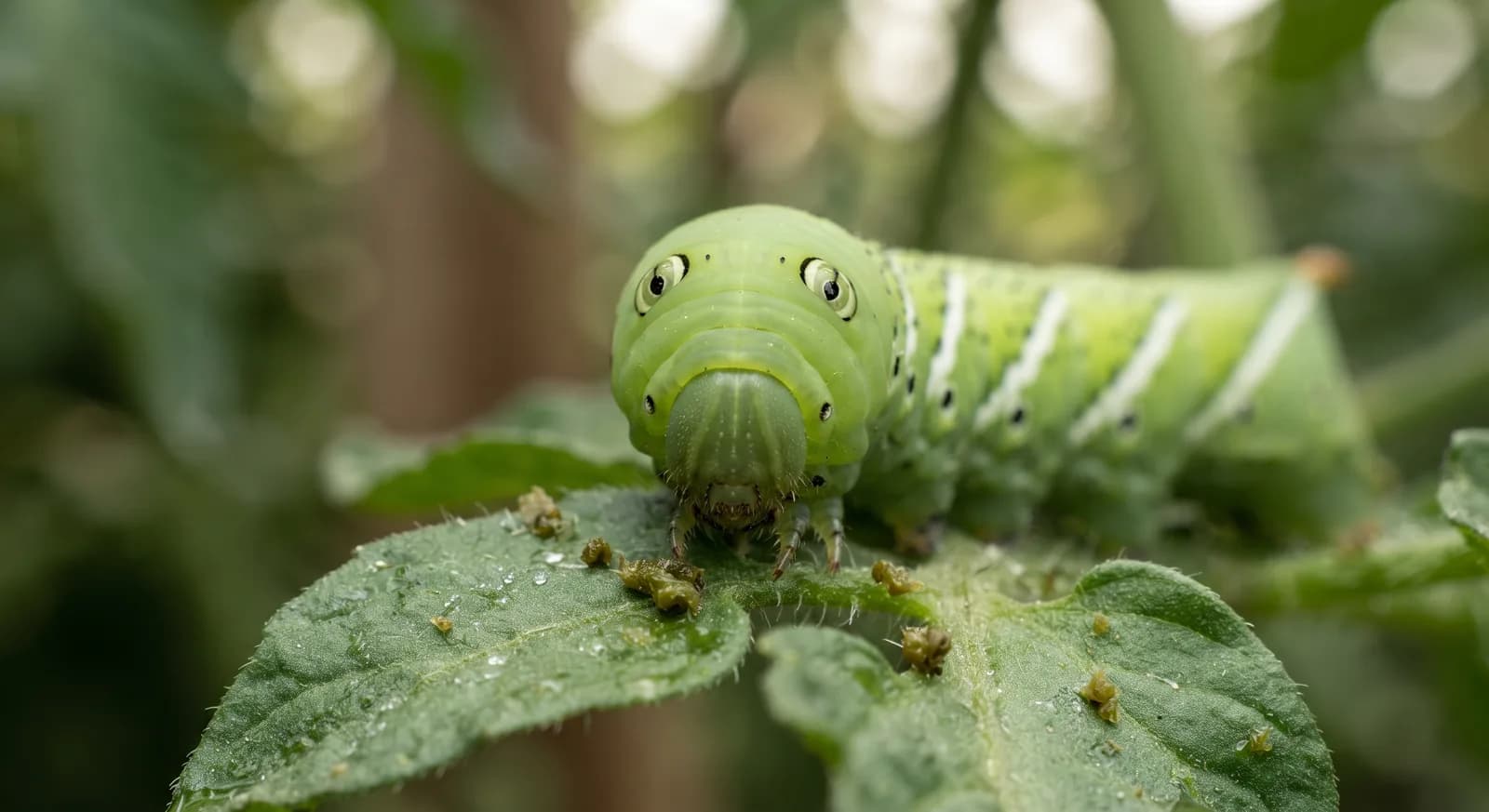 Not Evaluated
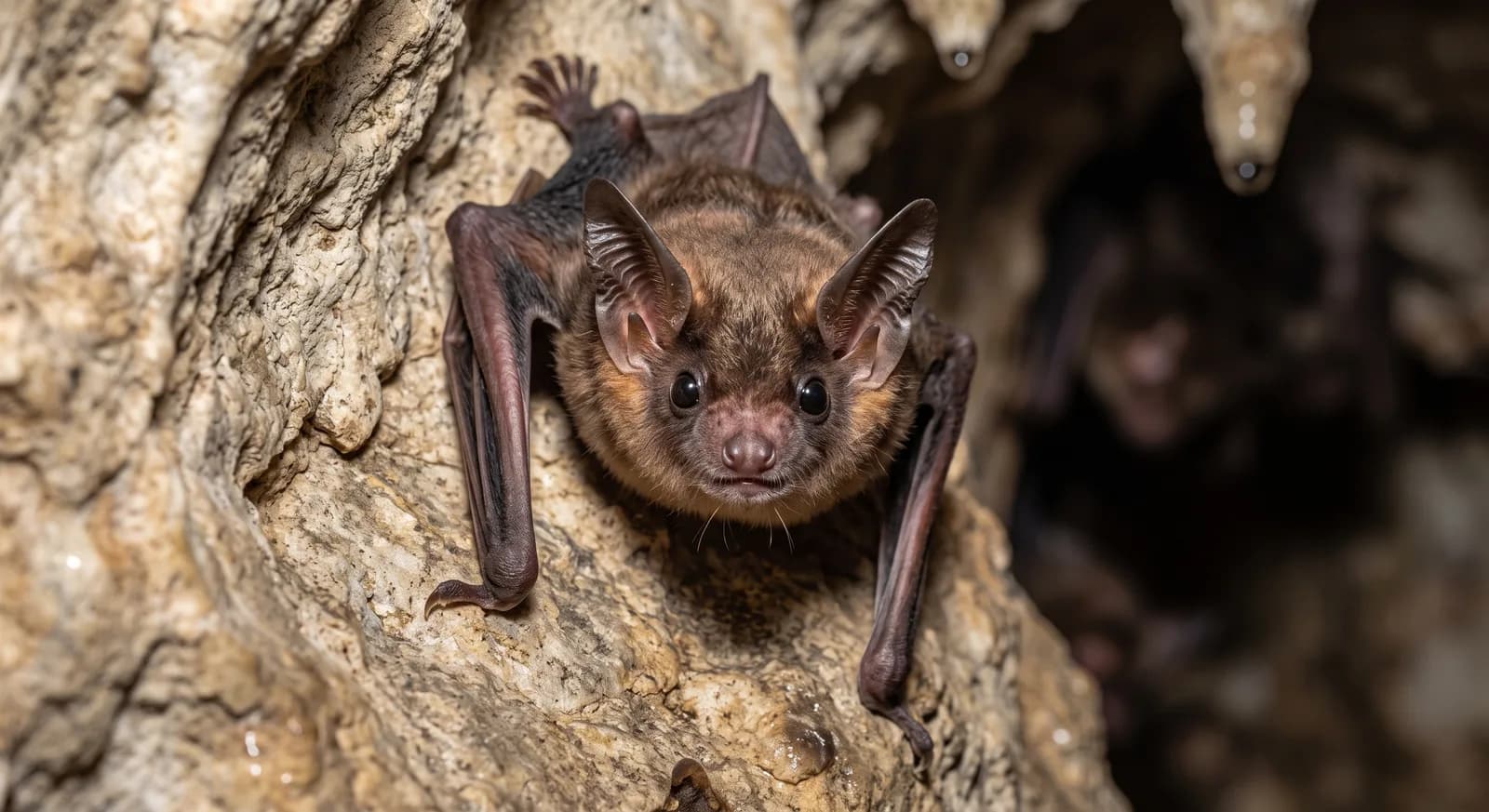 Least Concern
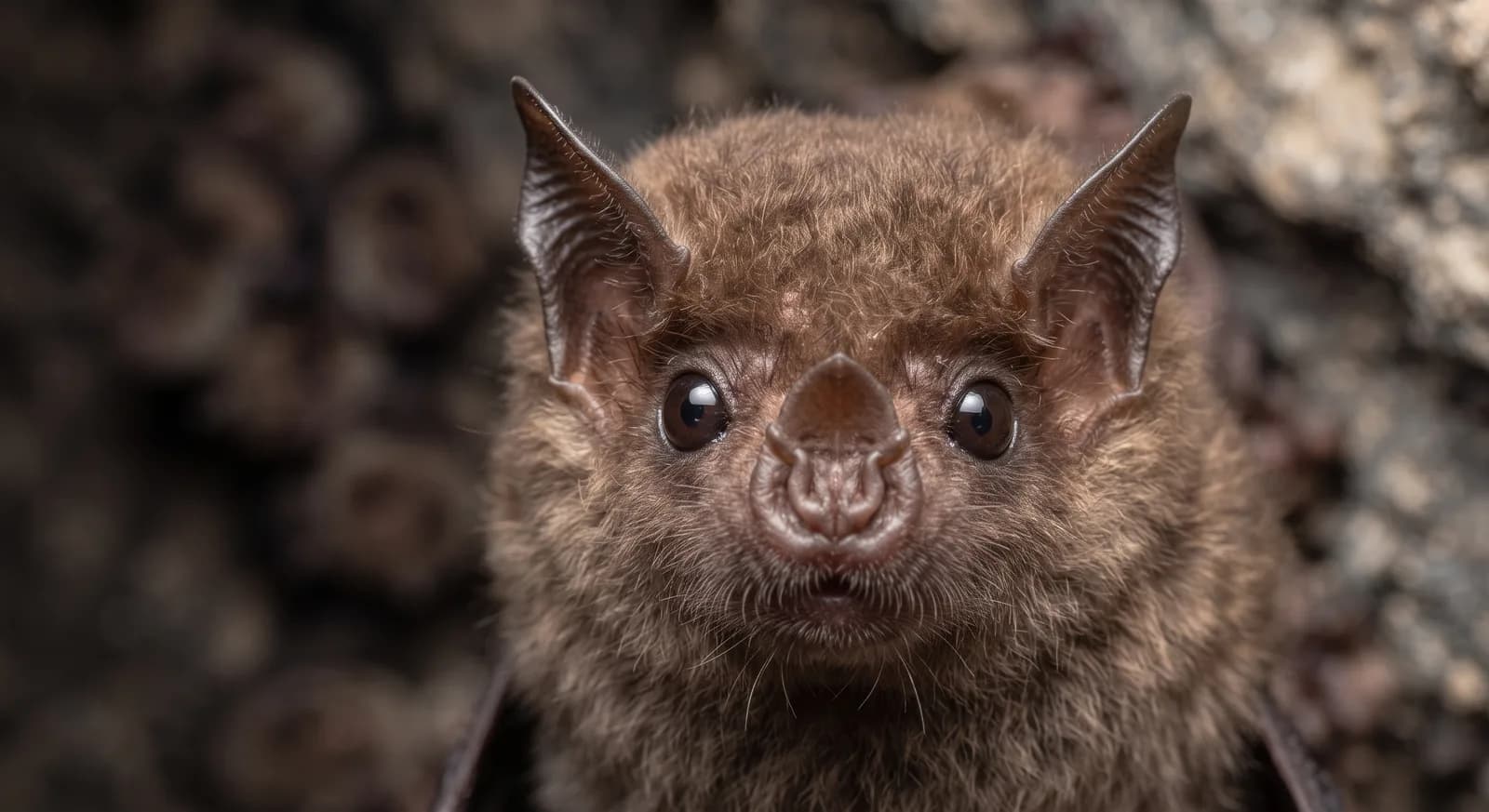 Near Threatened
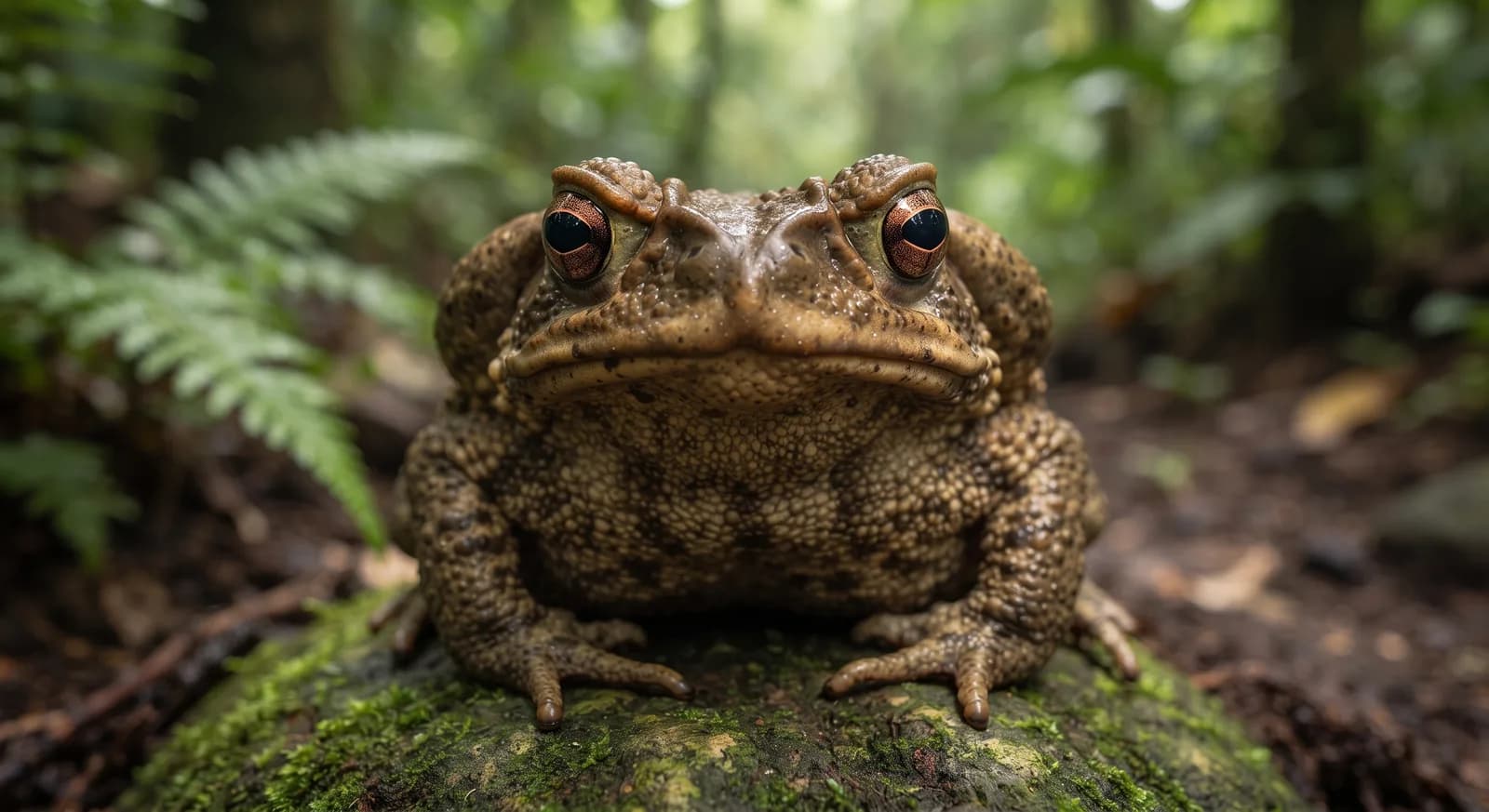 Least Concern
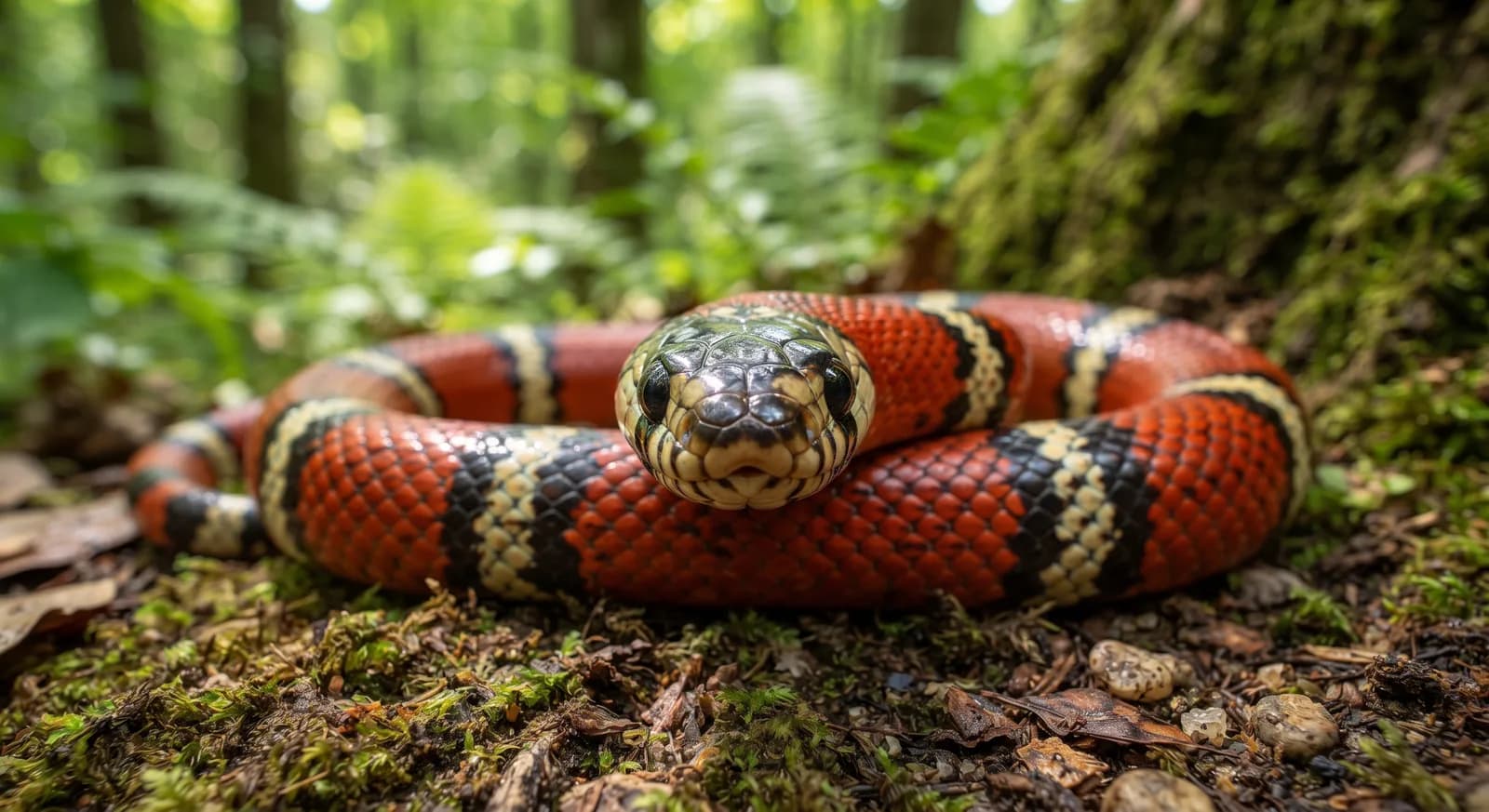 Least Concern
 Least Concern
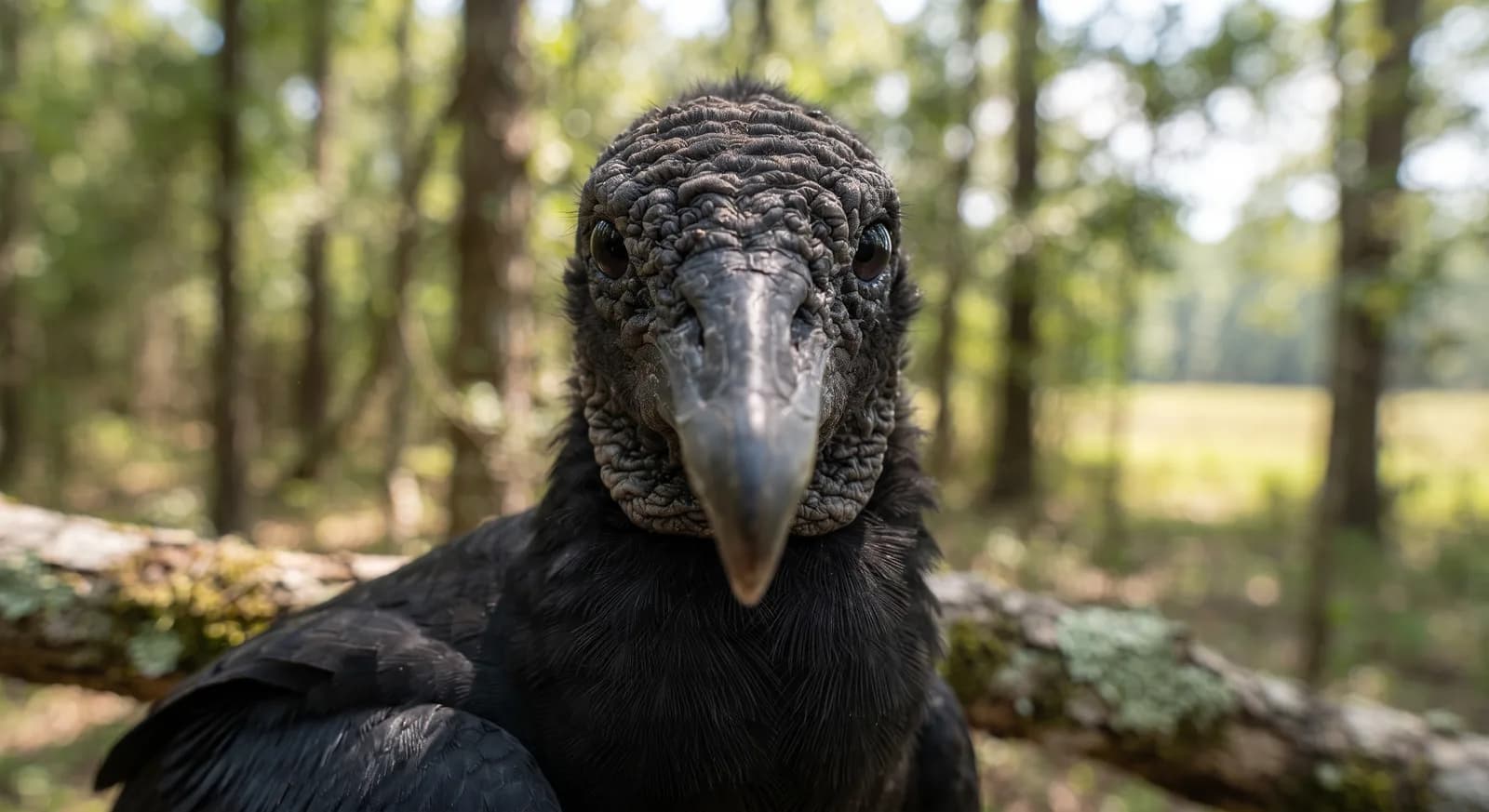 Least Concern
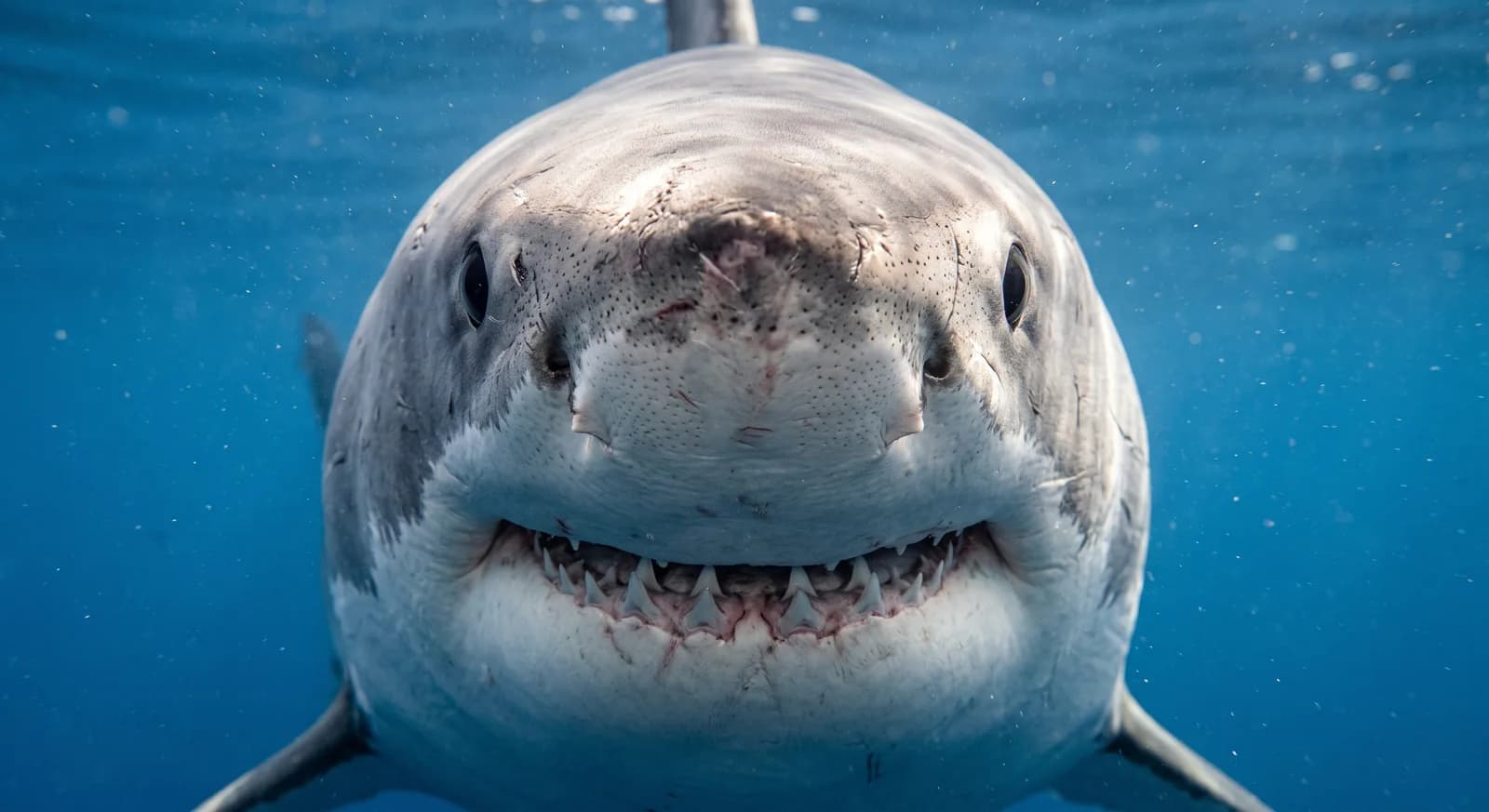
 Mexico