Skip to content
WAnimals
  • Map
  • Species
  • Parks
  • Diving
Log inCreate account
WAnimals

The guide for travellers and animal lovers: discover, plan and share your wild adventures around the world.

Discover wildlife

  • Species
  • Ecosystems
  • Glossary
  • Tags

Explore places

  • Map
  • Countries
  • Parks
  • Diving

Plan experiences

  • Guides

Learn

  • Blog

Resources

  • About us
  • How we build our profiles
  • Help centre
  • Contact
  • Install the app

Follow us

Account

  • Log in
  • Create account

© 2026 WAnimals. All rights reserved.

Terms of servicePrivacyCookiesLegal notice
MapSpeciesParksDiving
  1. Home
  2. Species
  3. Cane Toad

One of the 17 toads on WAnimals
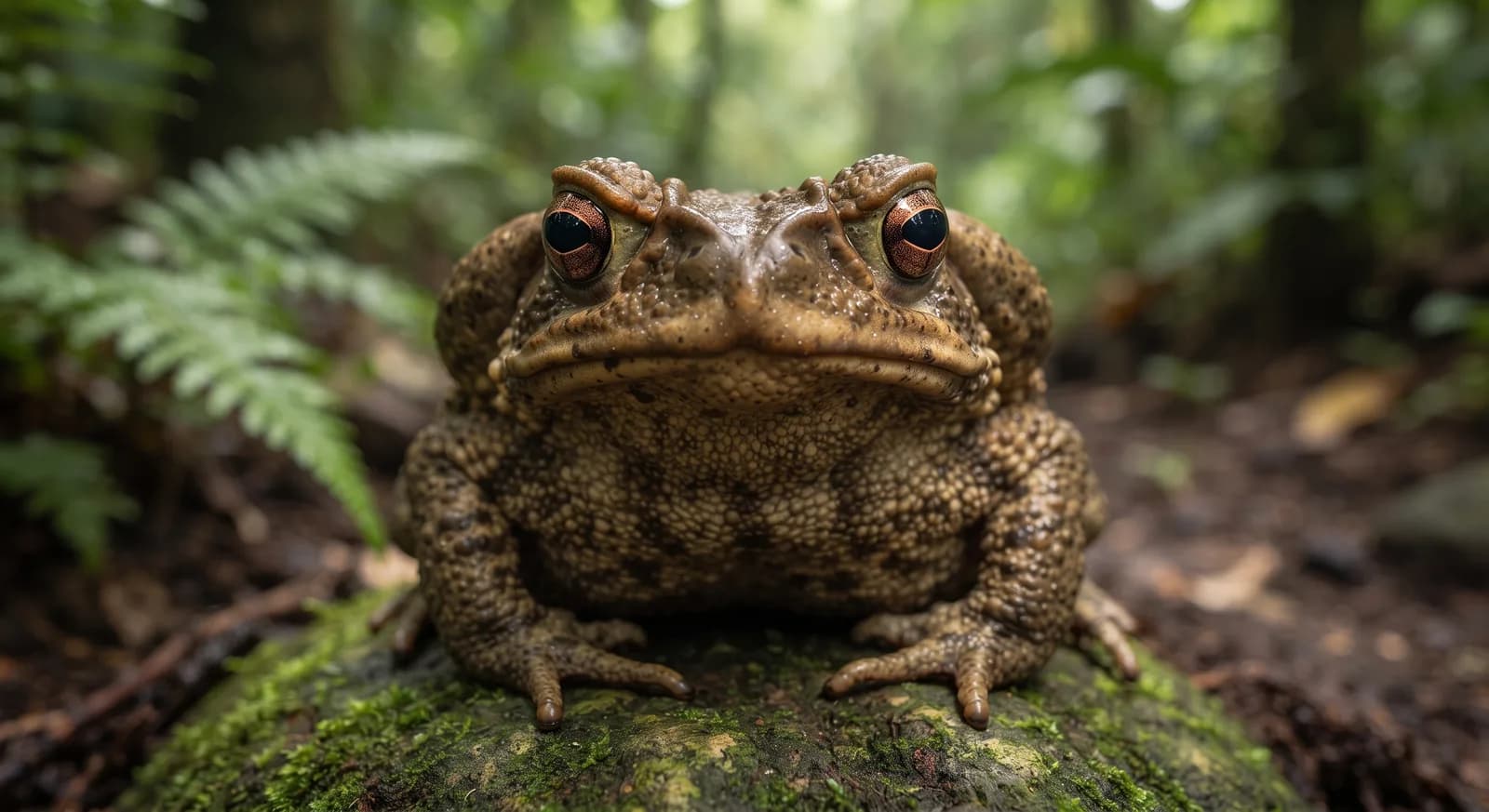
Cane Toad (Rhinella marina)

Amphibians · Anura · Bufonidae

Cane Toad

Rhinella marina

Least Concern

The species is abundant and widely distributed; it faces no significant short-term risk.

Spotted something wrong?

It was deliberately introduced to Australia in 1935 to control pests of sugar cane, with disastrous results for the native wildlife.

Weight

100 g – 1.5 kg

Size

up to 23 cm

Life expectancy

15 years
Diet

Omnivore

Combines animal and plant food depending on availability.

Activity

Nocturnal

Active mainly at night.

Social structure

Solitary

Lives and hunts alone, joining others only to breed.

SavannaRainforest
36countries66parks7same family

AI-generated images: illustrations, not photographs.

Fun facts

  • Its powerful bufotoxins have caused population crashes in a great many native Australian predators.
  • It eats insects, small vertebrates and practically anything else on offer.
  • It lays between 5,000 and 35,000 eggs in a clutch, among the largest of any amphibian.
  • fisiologíaIts parotoid glands can squirt a potent toxin when it is bitten, and in Australia some native predators have been recorded learning to avoid the poisonous organs and eat only the safe parts.
  • ecologíaIt was deliberately introduced to Australia in 1935 to control crop pests, but with no native predators adapted to its poison it became an invasive species that has done serious ecological damage.

Life cycle and biology

Skeleton type
Vertebrate - internal bony skeleton (amphibian)
Habitat and environment
Open ground disturbed by humans in South and Central America; widely introduced to Australia, Florida and Oceania
Birth weight
A tiny tadpole, hatching in anything from 48 hours to a week
Size at birth
Tiny at hatching
Sexual maturity
6-18 months
Gestation / incubation
48 hours to a week of egg development; metamorphosis complete in 12-60 days
Litter / clutch size
5,000 to 35,000 eggs per clutch, among the largest of any amphibian
Life expectancy in captivity
Documented record of up to 10 years in captivity

Sources consulted: Discover Wildlife · AnAge (genomics.senescence.info) · Animal Diversity Web · USGS NAS Species Profile · Animal Files · PMC (apex predator life history study, monitor lizard impact study)

Where to find it

Loading map…

Where to see it

Parks and dive sites where this species has been documented — showing 10 of 66.

Related species

Other species in the catalogue with the most in common with Cane Toad — same habitat, park, country, tags or family.

Same taxonomic family
Shares a park
Shares a park
Shares a park
Shares a park

Keep exploring

Based on what we already know about cane toad.

Share an experience, a fun fact or a tip for seeing the cane toad.
See full glossary
This page in other languages: Español · Deutsch · Français · Português · Italiano

The pins mark the parks where its presence is documented.

See its range on the interactive map→
Sian Ka'anMexico
CalakmulMexico
Sumidero CanyonMexico
Sierra GordaMexico
CorcovadoCosta Rica
TortugueroCosta Rica
Manuel AntonioCosta Rica
MonteverdeCosta Rica
Arenal VolcanoCosta Rica
CoibaPanama
See all 66 parks
Least Concern

Sonoran Desert Toad

Incilius alvarius

Least Concern

Spotted Toad

Rhaebo guttatus

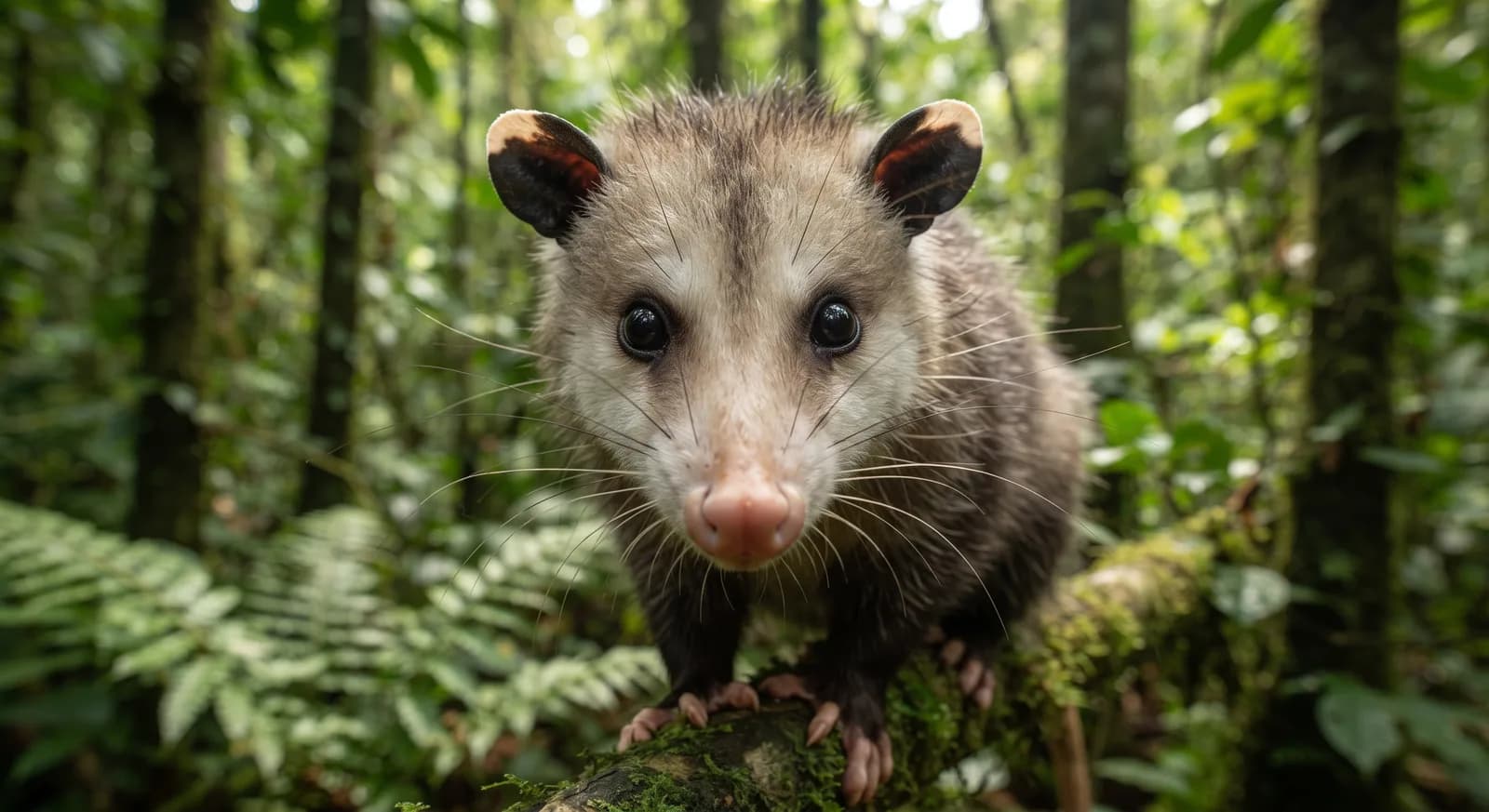
Common OpossumLeast Concern

Common Opossum

Didelphis marsupialis

Least Concern

Central American Woolly Opossum

Caluromys derbianus

Least Concern

Mexican Mouse Opossum

Marmosa mexicana

Least Concern

Southern Naked-tailed Armadillo

Cabassous unicinctus

CountriesAustralia
ParksSian Ka'anMexico
TagsOmnivore
Omnivore
Nocturnal
Solitary
Amphibian
Savannah
Rainforest

North America32

South America3

Oceania1

Australia
Costa Rica
Mexico
Colombia
Panama
Brazil
Anguilla
Antigua and Barbuda
Aruba
Bahamas
Barbados
Belize
Bermuda
British Virgin Islands
Cayman Islands
Costa Rica
Cuba
Curaçao
Dominica
Dominican Republic
El Salvador
Grenada
Guadeloupe
Guatemala
Haiti
Honduras
Jamaica
Martinique
Mexico
Nicaragua
Panama
Puerto Rico
Saint Kitts and Nevis
Saint Lucia
Saint Vincent and the Grenadines
Trinidad and Tobago
Turks and Caicos Islands
U.S. Virgin Islands
Brazil
Colombia
Venezuela
Australia