Skip to content
WAnimals
  • Map
  • Species
  • Parks
  • Diving
Log inCreate account
WAnimals

The guide for travellers and animal lovers: discover, plan and share your wild adventures around the world.

Discover wildlife

  • Species
  • Ecosystems
  • Glossary
  • Tags

Explore places

  • Map
  • Countries
  • Parks
  • Diving

Plan experiences

  • Guides

Learn

  • Blog

Resources

  • Help centre
  • Contact
  • Install the app

Follow us

Account

  • Log in
  • Create account

© 2026 WAnimals. All rights reserved.

About usHow we build our profilesTerms of servicePrivacyLegal notice
MapSpeciesParksDiving
  1. Home
  2. Parks
  3. Mexico
  4. Islands and Protected Areas of the Gulf of California
World Heritage Site (Natural)UNESCO World Heritage

Islands and Protected Areas of the Gulf of California

North AmericaDesignated in 200518,000 km²
Spotted something wrong?

244 islands, islets and coastal areas of the Gulf of California, a natural laboratory of speciation, on the List in Danger since 2019.

Area

18,000 km²

Designated in

2005

Region

North America

Highlight

Archipelagos and islands of the Gulf of California

The Islands and Protected Areas of the Gulf of California constitute a serial property inscribed by UNESCO on the World Heritage List on 14 July 2005, with extensions of its scope in 2007 and 2011. It comprises 244 islands, islets and coastal and marine zones spread along the 1,557 kilometres of the Gulf of California, grouped into twelve protected natural areas across the states of Baja California, Baja California Sur, Sonora, Sinaloa and Nayarit.

The Sea of Cortez and its islands are recognised as a natural laboratory for the study of speciation, and practically all the major oceanographic processes found in the world's oceans occur together at the site, which gives it a scientific value hard to match. To that is added exceptional scenic beauty: islands of abrupt relief with high cliffs and sandy beaches contrasting with the desert surroundings and the turquoise waters around them. The number of plant species exceeds that of any other island and marine site on the List, and the property holds 39% of the world's marine mammal species and 33% of its cetaceans.

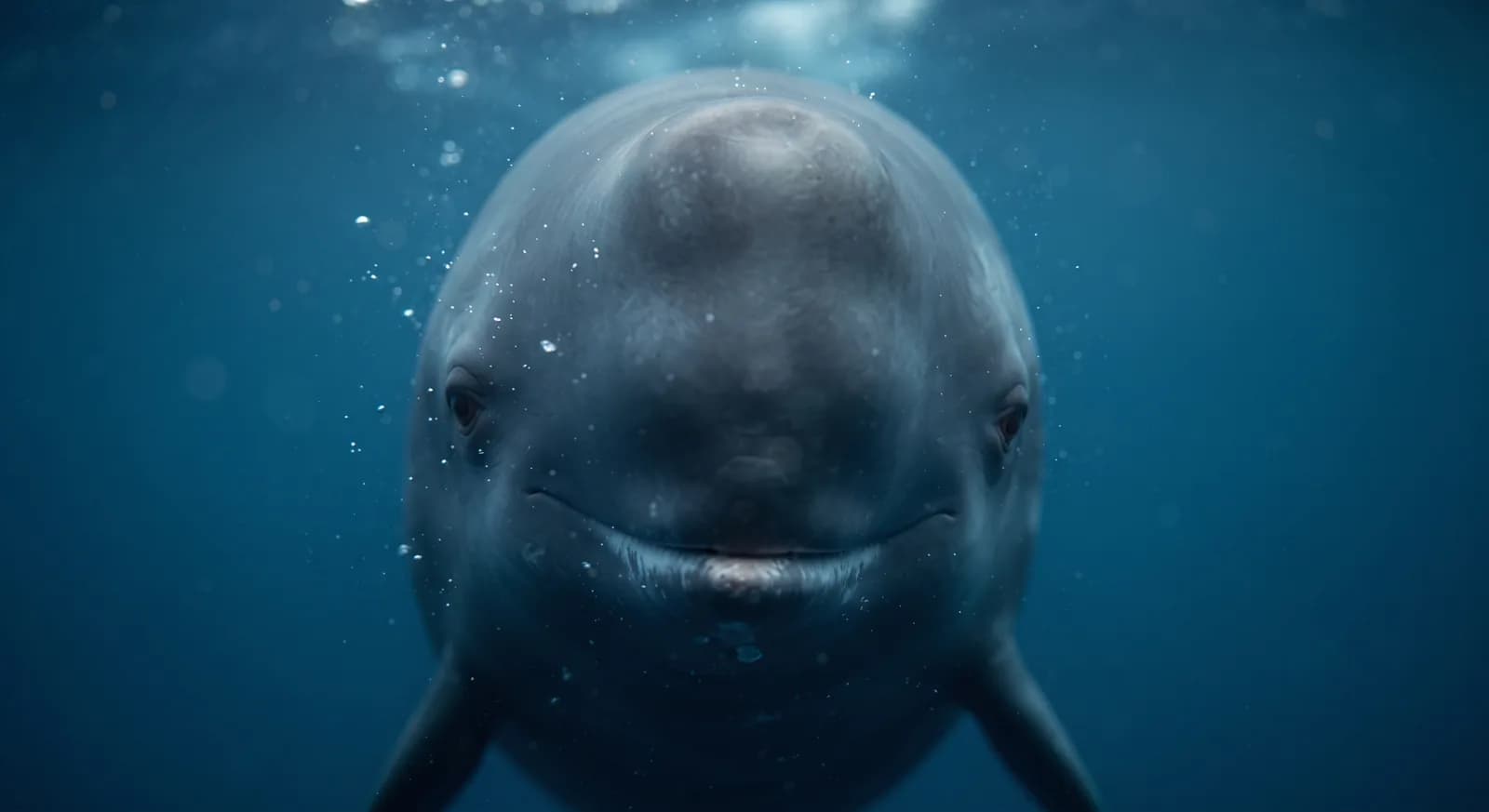
On 3 July 2019, meeting in Baku, the World Heritage Committee placed the site on the List of World Heritage in Danger because of the imminent extinction of the vaquita (Phocoena sinus), the porpoise endemic to the upper gulf. From almost 300 animals counted in 2005 the figure had fallen to around ten. The cause is illegal gillnet fishing for totoaba, whose swim bladder feeds an international trade; the vaquitas suffocate in those nets. Mexico has created a refuge area and promoted alternative fishing gear, and the Committee called for stronger enforcement and for transit and destination countries to tackle the illegal totoaba trade.
Location

Loading map…

1 dive site within 300 km is also shown.

Islands and Protected Areas of the Gulf of California: 27 documented species

Mammals6Birds7Reptiles2Cartilaginous fish

Flora and ecosystems

Ecosystems found in Mexico, where Islands and Protected Areas of the Gulf of California lies.

Tropical rainforestDesertMarine / coastal

Experiences in this park

Diving and snorkellingBirdwatching

Nearby dive sites

Where can I dive near here?

241 km away

Wildlife you can see now

What is worth looking out for this month in Mexico?

Now is a good time: Veracruz River of Raptors (20 August to 20 November (peak in the first two weeks of October))

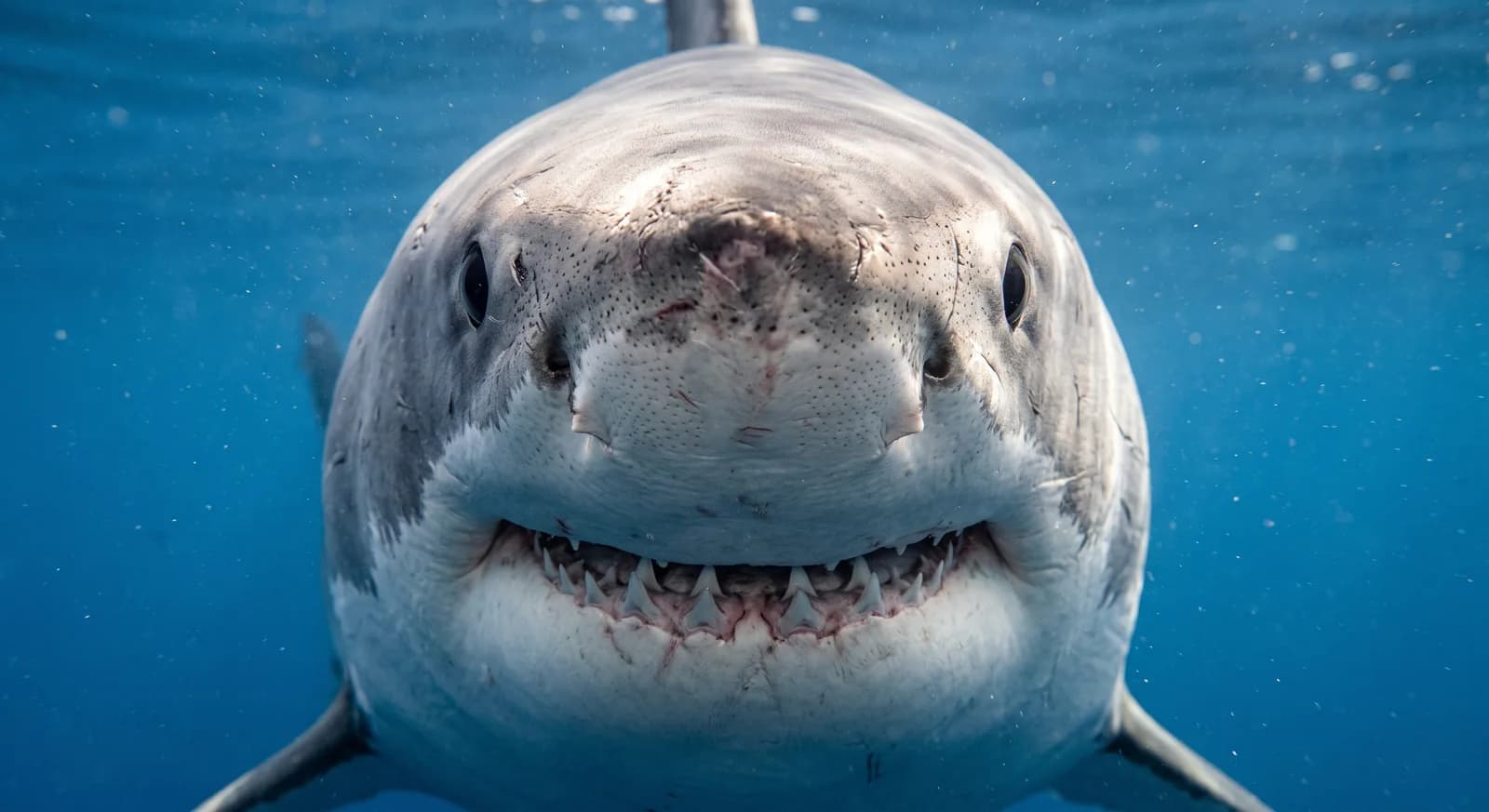
Now is a good time: Great white shark aggregation at Guadalupe Island (July to November (some years into January))

Similar parks

Which other parks are like this one?

Same country: Mexico

Same country: Mexico

Same country: Mexico

Same country: Mexico

Keep exploring

Based on what we already know about this park.

Comments

Share your experience visiting Islands and Protected Areas of the Gulf of California, or a tip for other travellers.

Be the first to comment.

Climate

Tropical, Arid / desert, Temperate, Mediterranean, Mountain

Best season

November to April

Plan your visit

Best season
November to April
Area
18,000 km²
More places in MexicoSee location
4
Fish4
Cephalopoda1
Malacostraca1
Asteroidea1
Gastropoda1

Threatened:Spotted Eagle Ray,Sunflower Sea Star,Scalloped Hammerhead,Great Hammerhead,Scripps's Murrelet,Sailfish,Vaquita

Endemic species of Mexico:Vaquita

Pygmy Sperm WhaleData Deficient

Pygmy Sperm Whale

Kogia breviceps

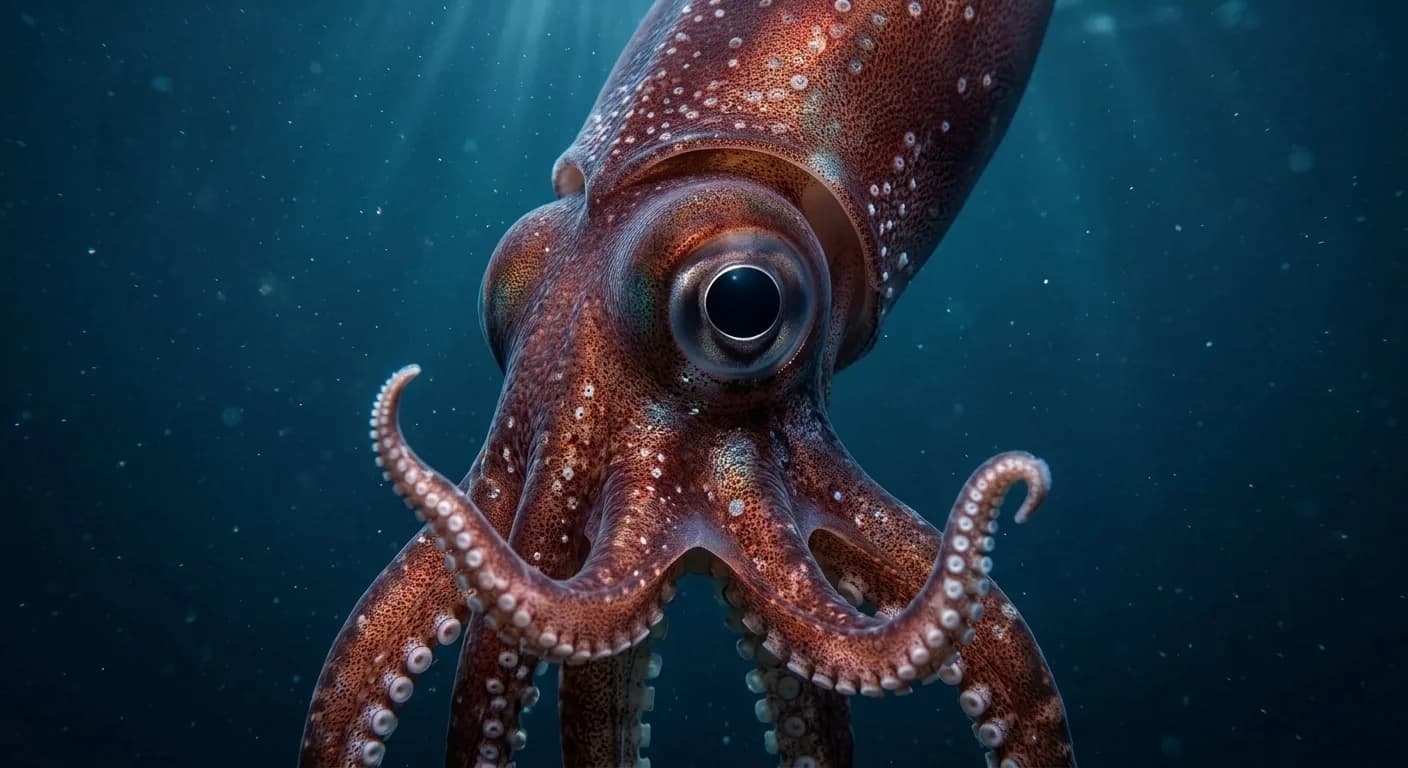
Humboldt SquidNot Evaluated

Humboldt Squid

Dosidicus gigas

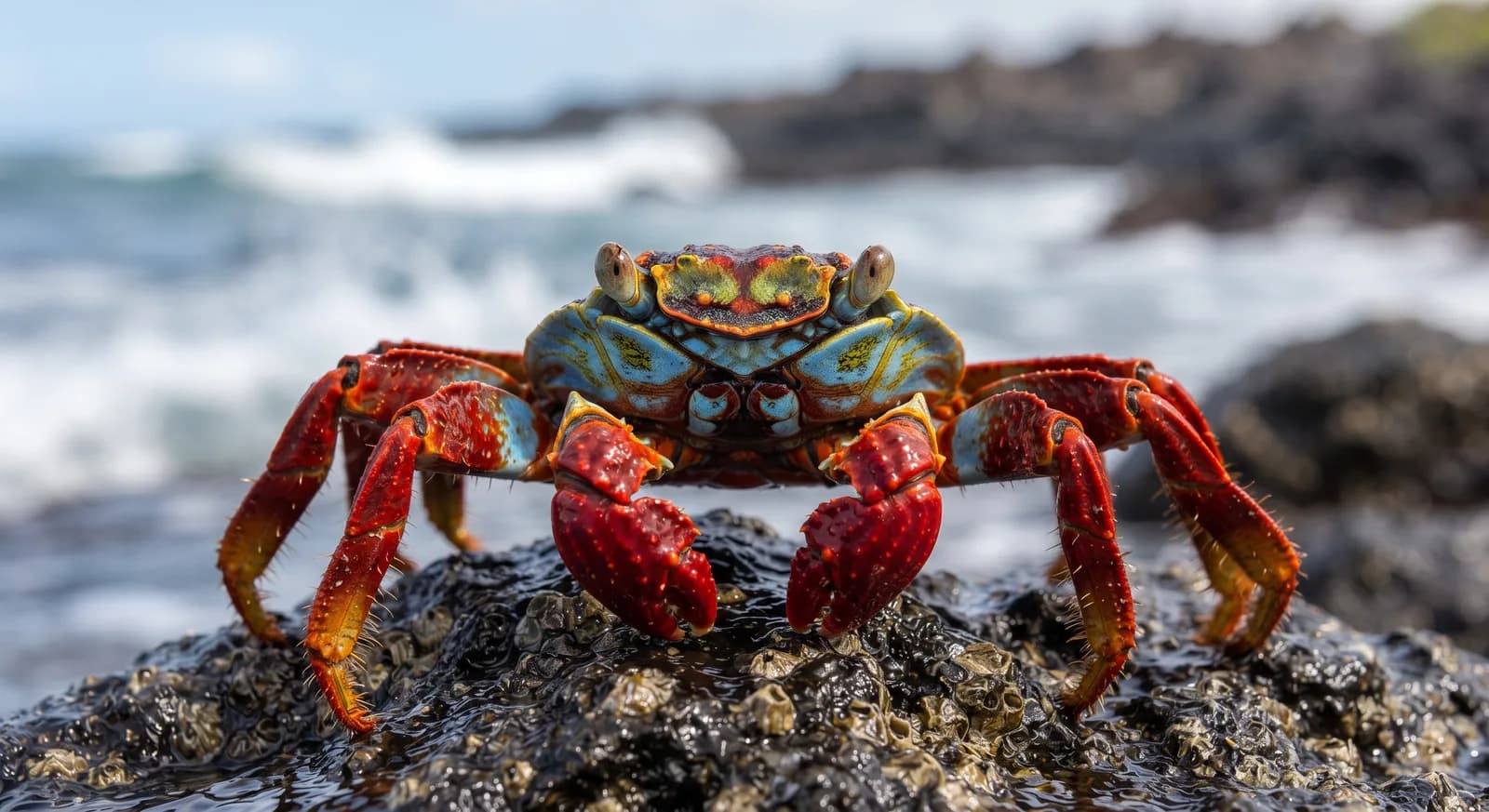
Sally Lightfoot CrabNot Evaluated

Sally Lightfoot Crab

Grapsus grapsus

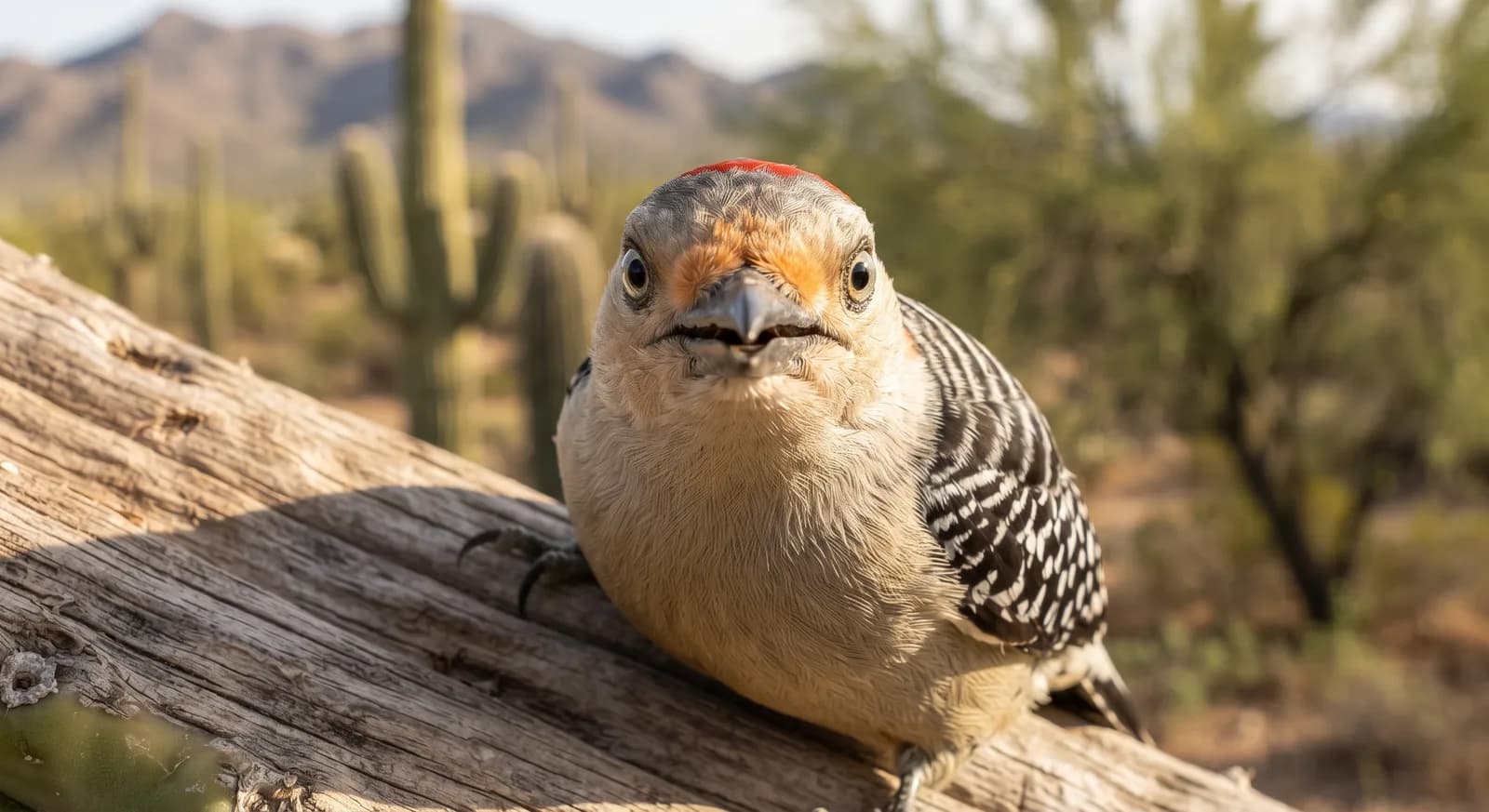
Gila WoodpeckerLeast Concern

Gila Woodpecker

Melanerpes uropygialis

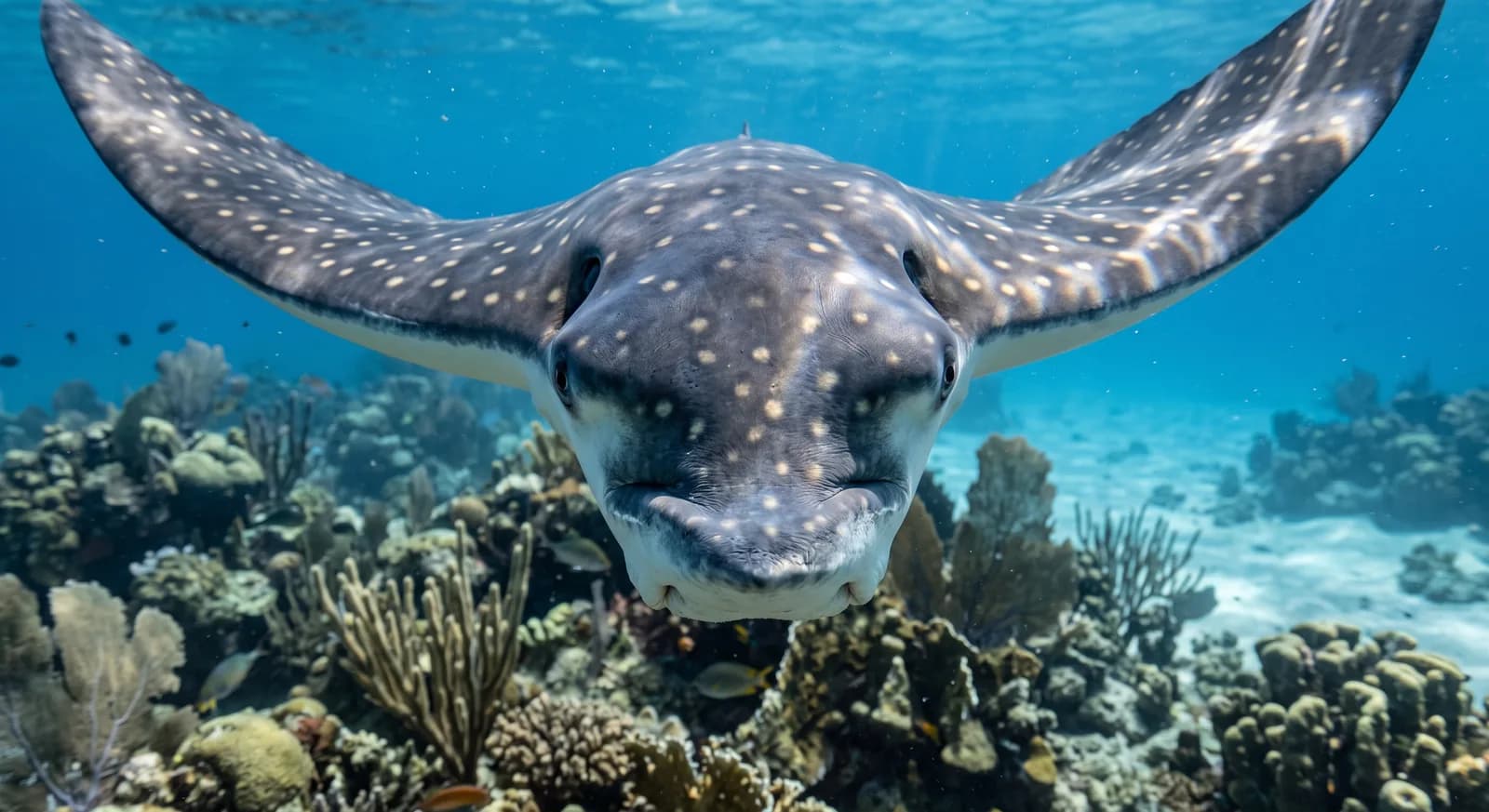
Spotted Eagle RayEndangered

Spotted Eagle Ray

Aetobatus narinari

Common ChuckwallaLeast Concern

Common Chuckwalla

Sauromalus ater

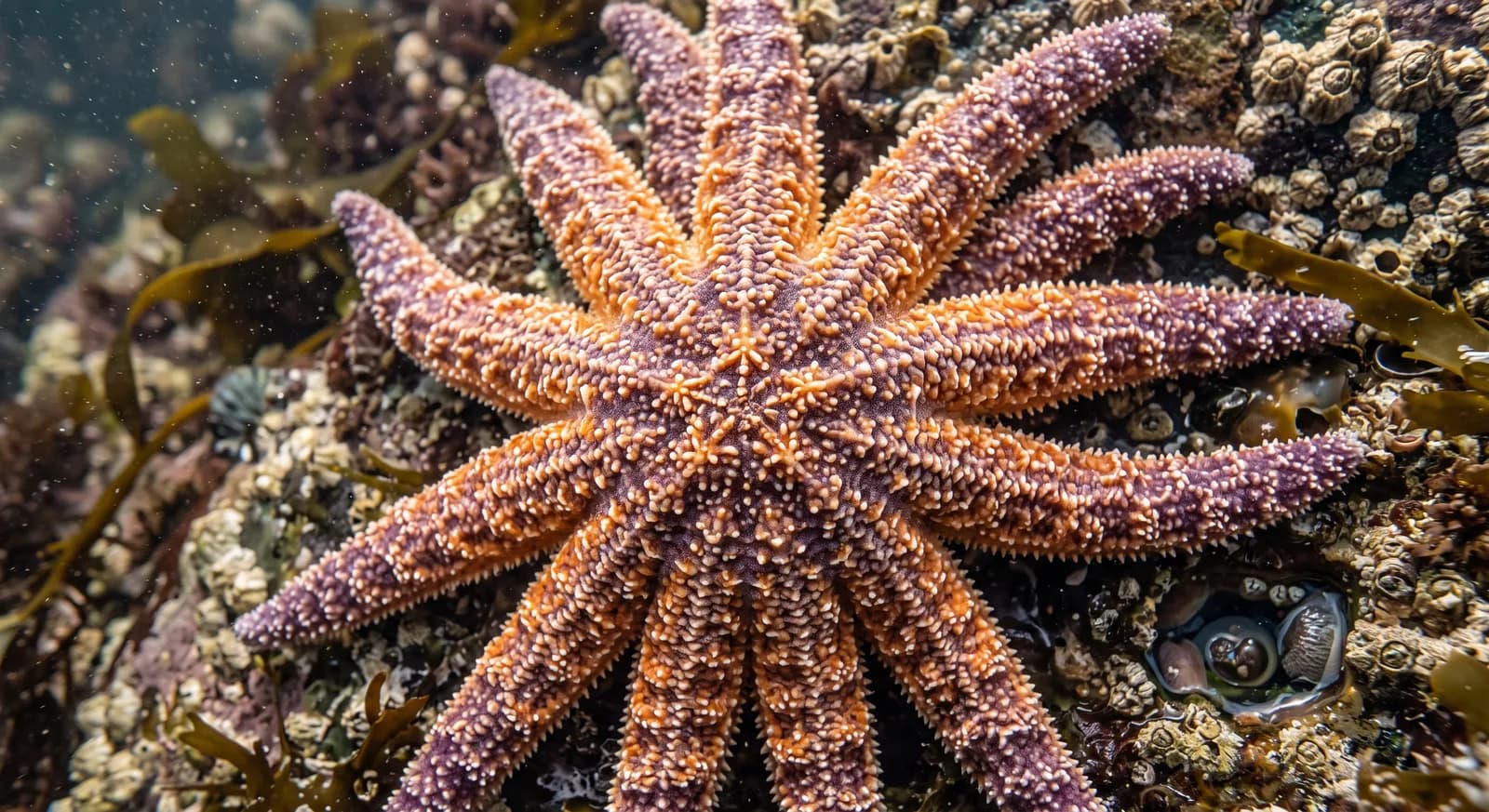
Sunflower Sea StarCritically Endangered

Sunflower Sea Star

Pycnopodia helianthoides

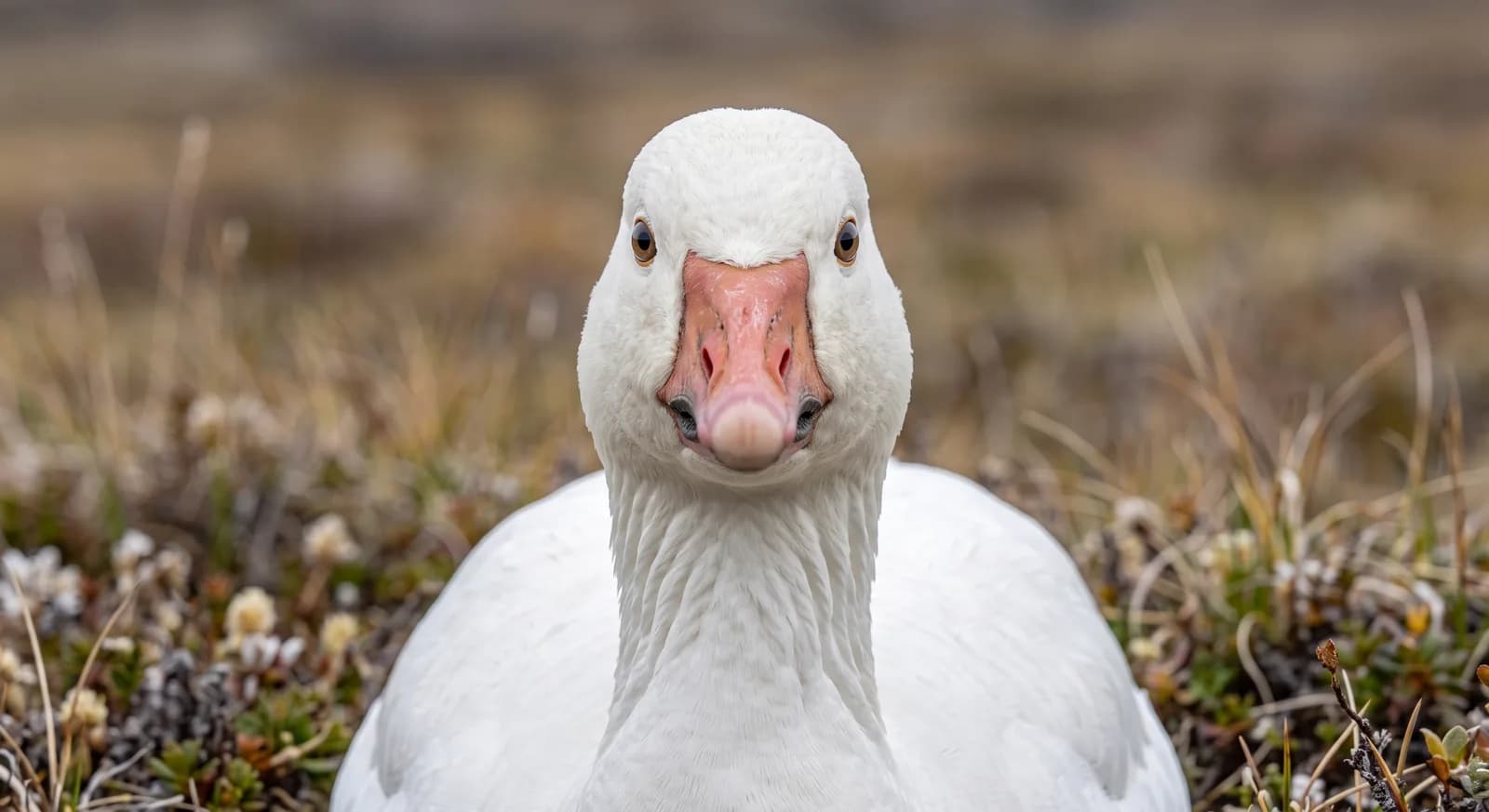
Snow GooseLeast Concern

Snow Goose

Anser caerulescens

Snowy EgretLeast Concern

Snowy Egret

Egretta thula

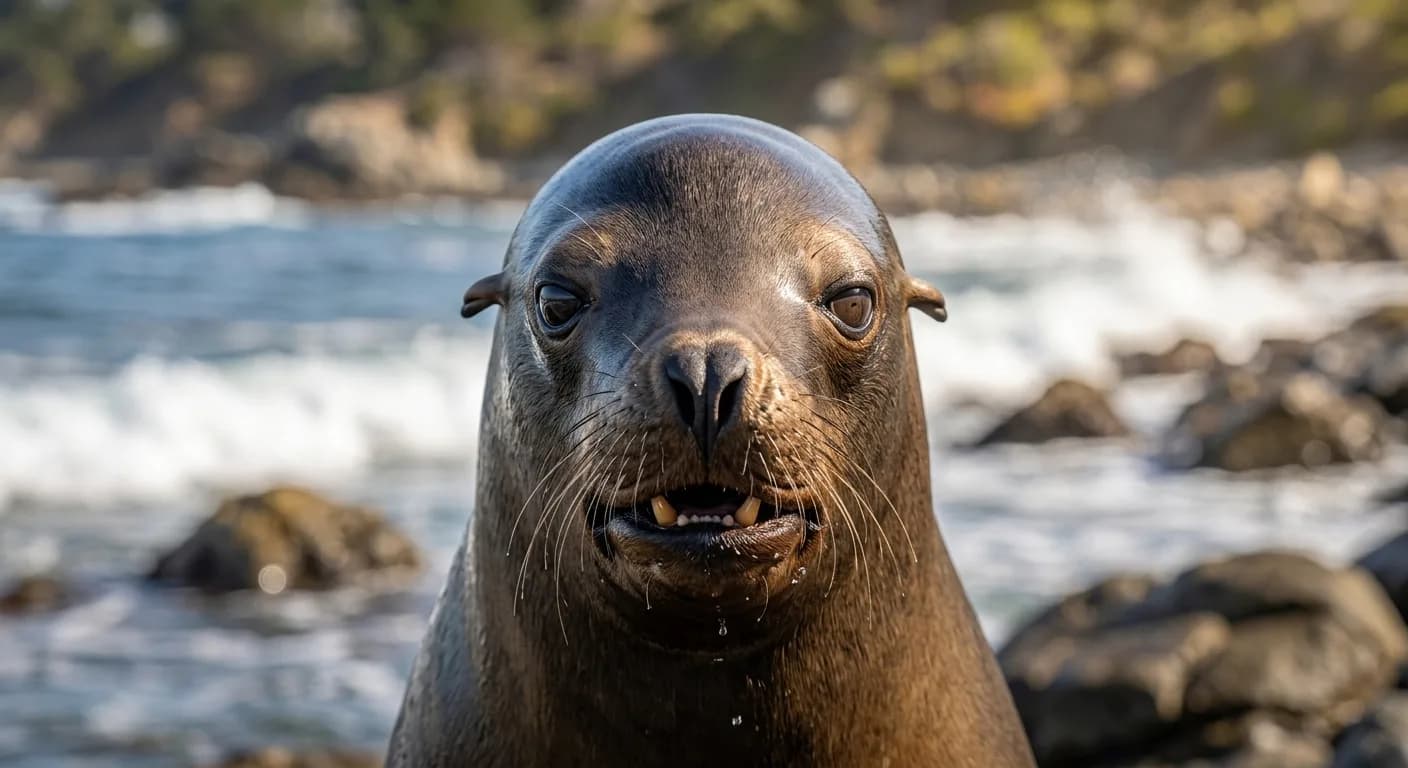
Californian Sea LionLeast Concern

Californian Sea Lion

Zalophus californianus

Juan Fernandez Fur SealLeast Concern

Juan Fernandez Fur Seal

Arctocephalus philippii

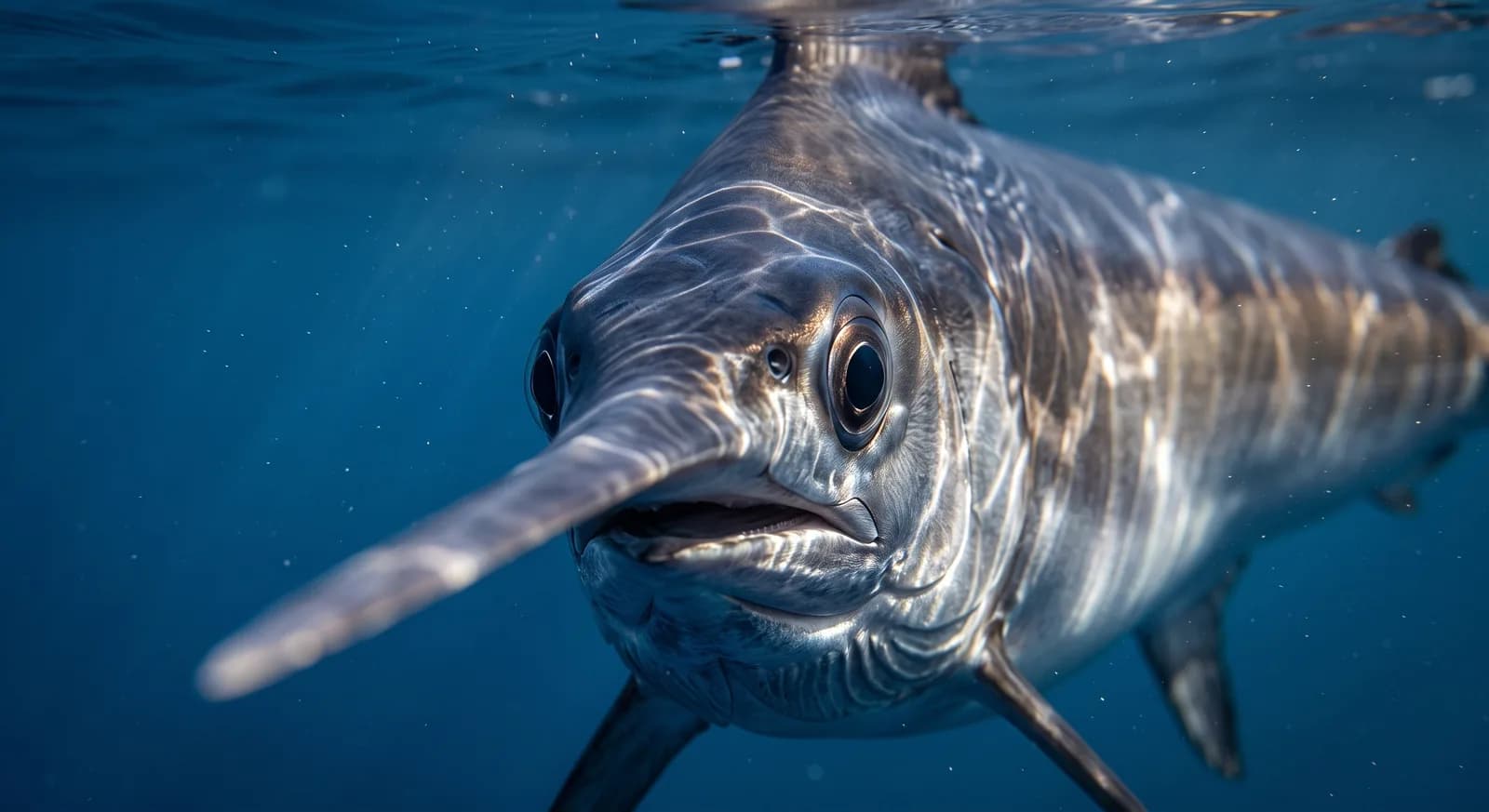
SwordfishNear Threatened

Swordfish

Xiphias gladius

See all 27 species found here

Mexico · North America
See on the interactive map→

Loreto Bay National Park

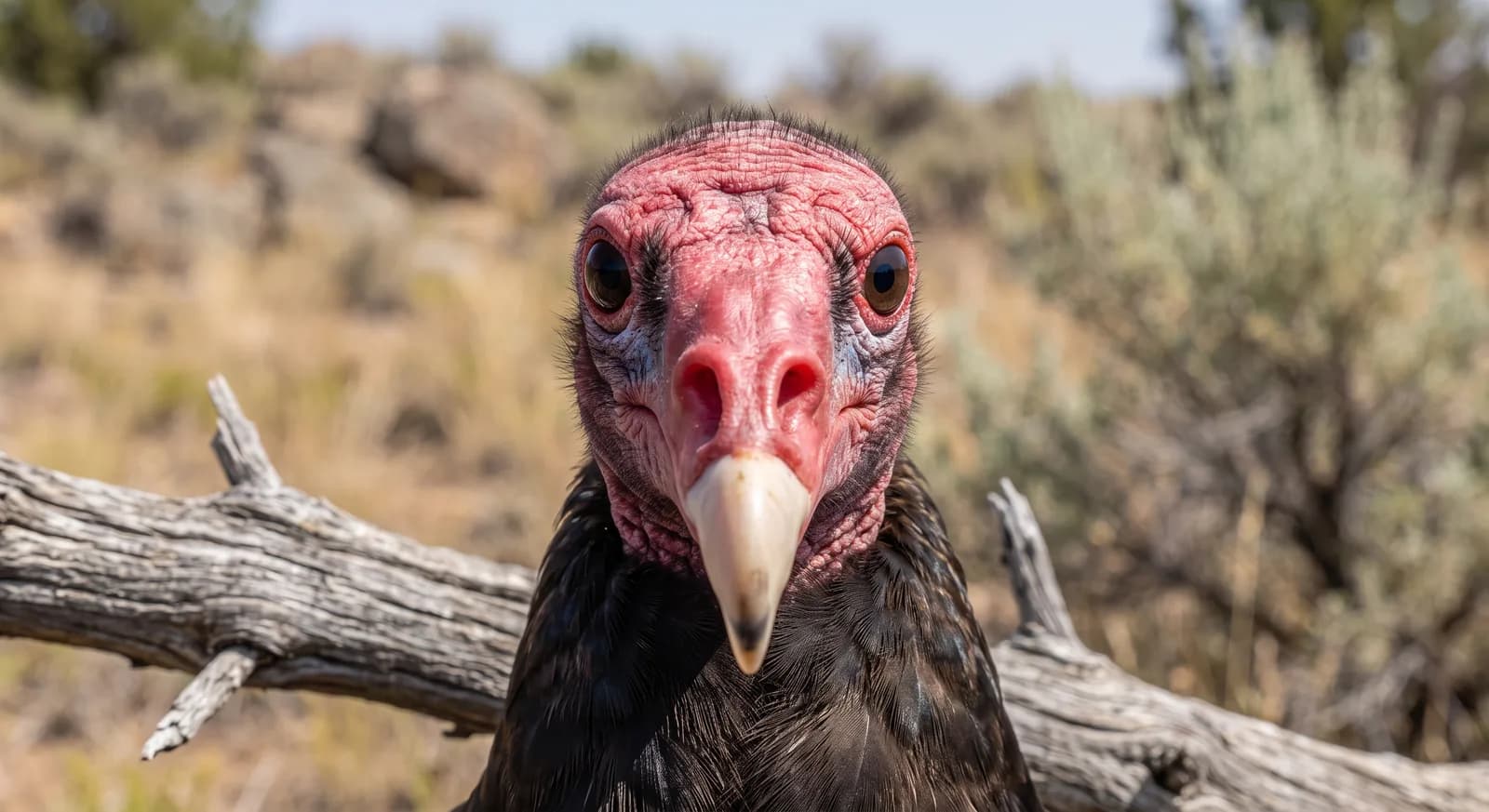
Turkey VultureLeast Concern

Turkey Vulture

Cathartes aura

Great White SharkVulnerable

Great White Shark

Carcharodon carcharias

UNESCO
National Park

Cabo Pulmo

Mexico

Bull Shark · Giant Grouper

November to April

See park
National Park

Isla Contoy

Mexico

Magnificent Frigatebird · Brown Pelican

November to April

See park
Protection Area

Nevado de Toluca

Mexico

Volcano Rabbit · Coyote

November to April

See park
UNESCO
National Park

Revillagigedo

Mexico

Hammerhead Shark · Giant Manta Ray

November to April

See park
DivingLoreto Bay National Park241 km away
CountryMexico
This page in other languages: Español · Deutsch · Français · Português · Italiano
Desert
World Heritage