Skip to content
WAnimals
  • Map
  • Species
  • Parks
  • Diving
Log inCreate account
WAnimals

The guide for travellers and animal lovers: discover, plan and share your wild adventures around the world.

Discover wildlife

  • Species
  • Ecosystems
  • Glossary
  • Tags

Explore places

  • Map
  • Countries
  • Parks
  • Diving

Plan experiences

  • Guides

Learn

  • Blog

Resources

  • Help centre
  • Contact
  • Install the app

Follow us

Account

  • Log in
  • Create account

© 2026 WAnimals. All rights reserved.

About usHow we build our profilesTerms of servicePrivacyLegal notice
MapSpeciesParksDiving
  1. Home
  2. Species
  3. Sally Lightfoot Crab

One of the 22 crabs on WAnimals
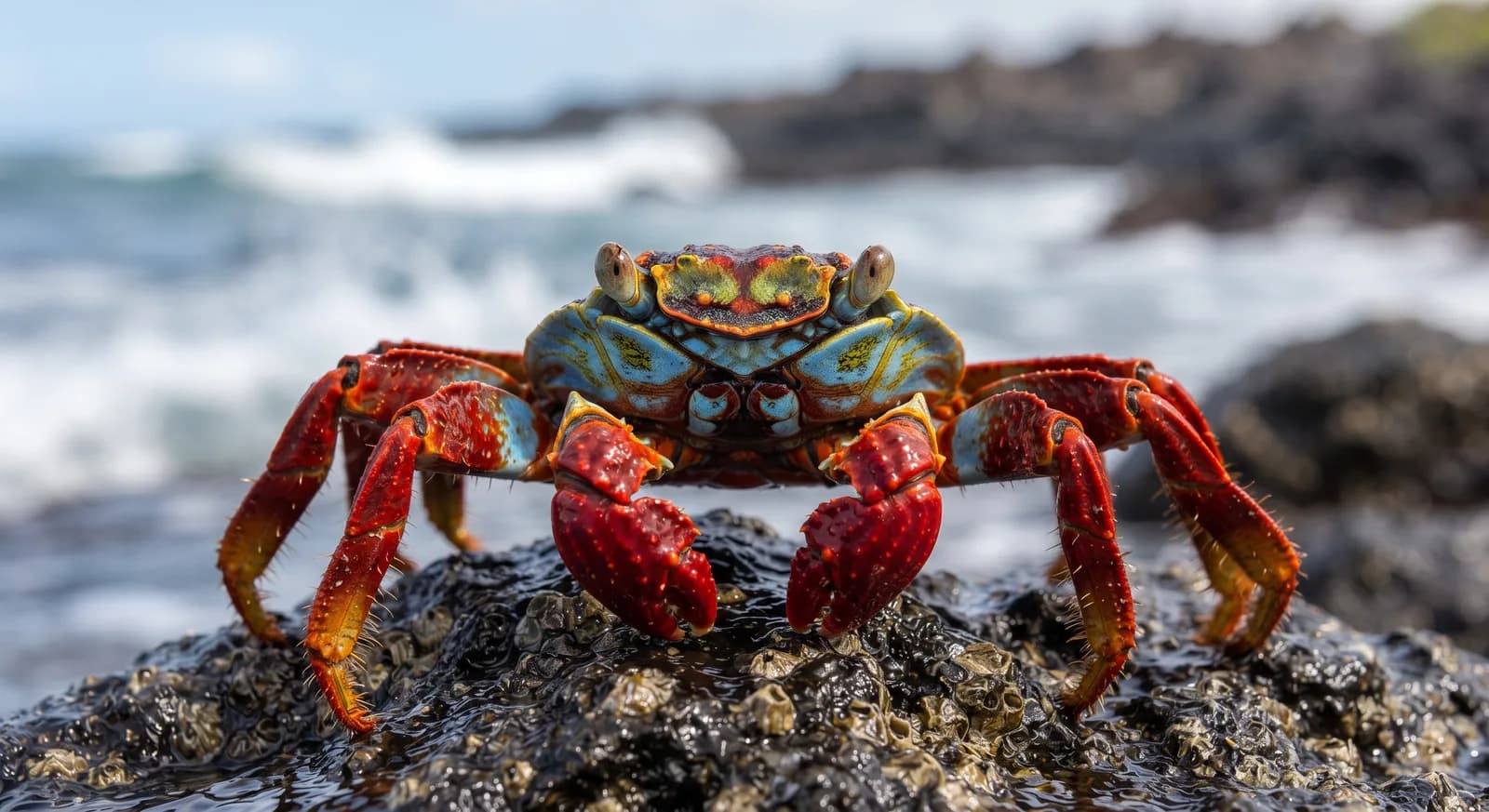
Sally Lightfoot Crab (Grapsus grapsus)

Malacostracans · Decapoda · Grapsidae

Sally Lightfoot Crab

Grapsus grapsus

Not Evaluated

It has not yet been assessed against the IUCN criteria.

Spotted something wrong?

A rock crab of spectacular colouring — red, orange and blue in the adults — that dominates the rocky shores of the American Pacific and the Galápagos Islands. It runs and leaps among the waves with extraordinary agility and eats algae, carrion, eggs and small animals.

Size

5 cm – 8 cm

Diet

Omnivore

Combines animal and plant food depending on availability.

Activity

Diurnal

Active mainly during the day.
Social structure

Solitary

Lives and hunts alone, joining others only to breed.

Sighting difficulty

Unknown

Ocean
51countries13parks19dive sites1same family

AI-generated images: illustrations, not photographs.

Fun facts

  • biologíaIt changes colour dramatically with age, from the near-black of the juveniles to a striking red, orange and yellow in the adults.
  • In the Galápagos it picks ticks and parasites off the skin of marine iguanas, which submit to it without stirring.
  • It can run up wet vertical walls and leap from rock to rock over the water without falling in.
  • Its English name, Sally Lightfoot, comes from its agility: it runs at extraordinary speed across vertical rock faces and hides in crevices to escape birds.
  • It leaps from rock to rock, which is unusual in a crab. It seems to do so both to escape and to avoid entering the water or being hit by a wave.
  • It feeds mainly on algae, which it scrapes off with spoon-tipped claws.
  • Adults are bright red and juveniles almost black, which camouflages them on the volcanic rock.

Life cycle and biology

Habitat and environment
Surf-beaten rocks on the coasts of the American Pacific and the Galápagos

Sources consulted: Baird (1978); Lubchenco et al. (1984); Freire et al. (2014); Animal Diversity Web

Where to find it

Loading map…

Where to see it

Parks and dive sites where this species has been documented — showing 20 of 32.

Related species

Other species in the catalogue with the most in common with Sally Lightfoot Crab — same habitat, park, country, tags or family.

Shares a park
Shares a park
Shares a park
Shares a park
Shares a park
Shares a park

Keep exploring

Based on what we already know about sally lightfoot crab.

Comments

Share an experience, a fun fact or a tip for seeing the sally lightfoot crab.

Be the first to comment.

See full glossary
This page in other languages: Español · Deutsch · Français · Português · Italiano

The pins mark the parks and dive sites where its presence is documented.

See its range on the interactive map→
Galápagos National ParkEcuador
Revillagigedo ArchipelagoMexico
Cocos IslandCosta Rica
CoibaPanama
ParacasPeru
MachalillaEcuador
GorgonaColombia
Loreto BayMexico
Cabo PulmoMexico
HuatulcoMexico
Darwin IslandEcuador
Wolf IslandEcuador
Cocos IslandCosta Rica
Malpelo IslandColombia
Ballestas IslandsPeru
Revillagigedo Islands (Socorro)Mexico
Cabo Pulmo National ParkMexico
Coiba National ParkPanama
Caño IslandCosta Rica
Punta de ChorosChile
See all 13 parks
See all 19 dive sites
Moorish IdolLeast Concern

Moorish Idol

Zanclus cornutus

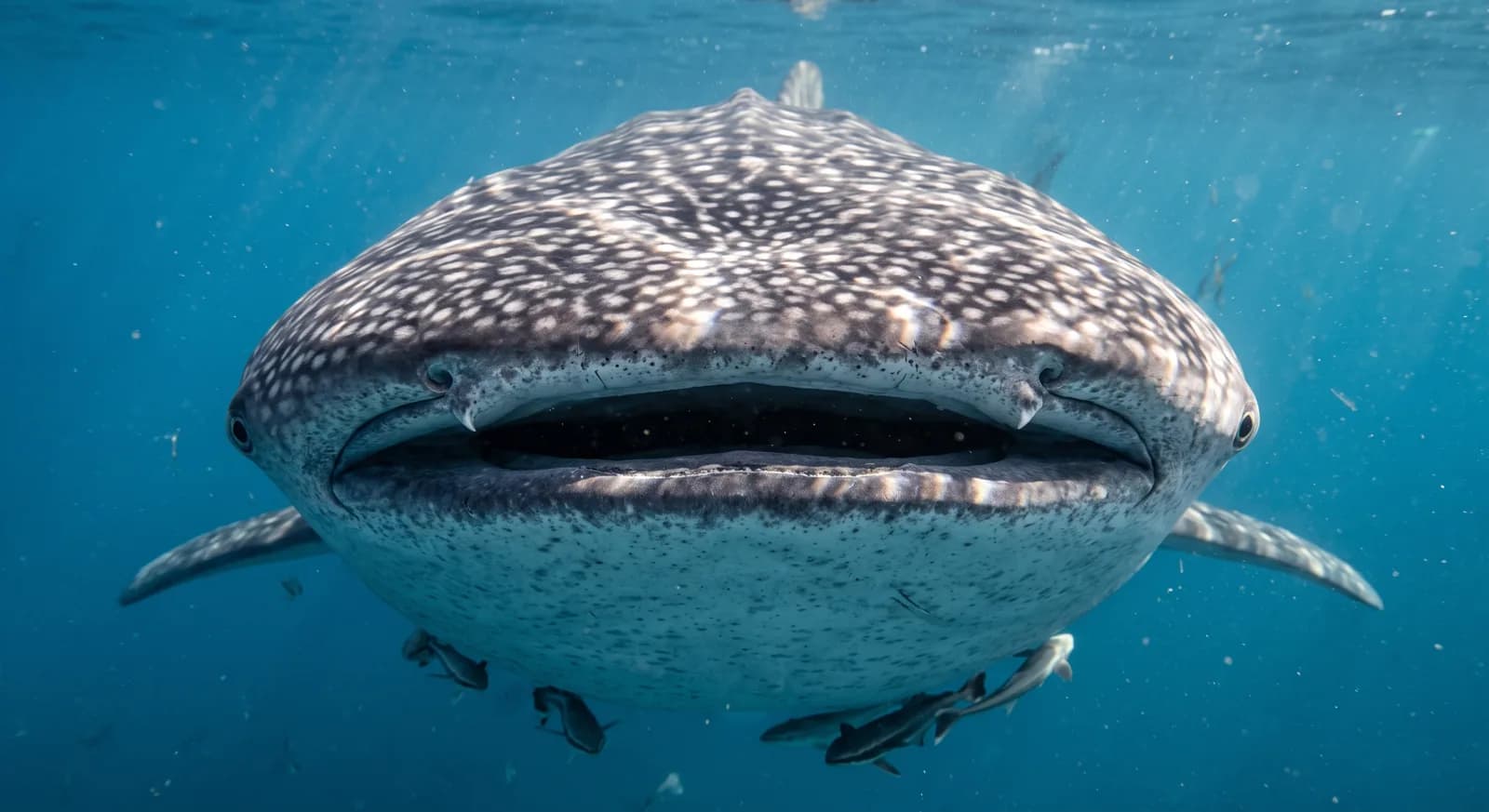
Whale SharkEndangered

Whale Shark

Rhincodon typus

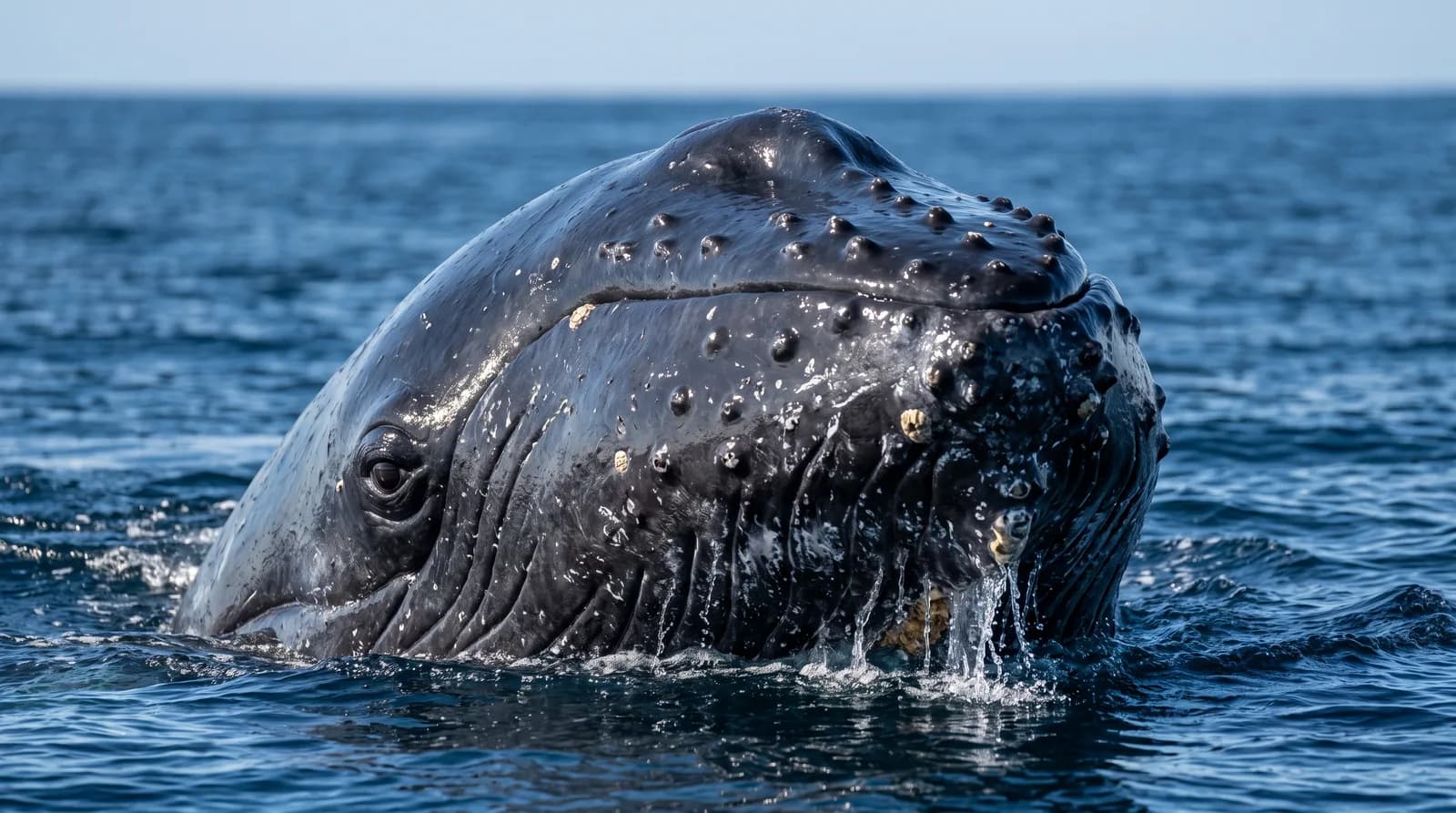
Humpback WhaleLeast Concern

Humpback Whale

Megaptera novaeangliae

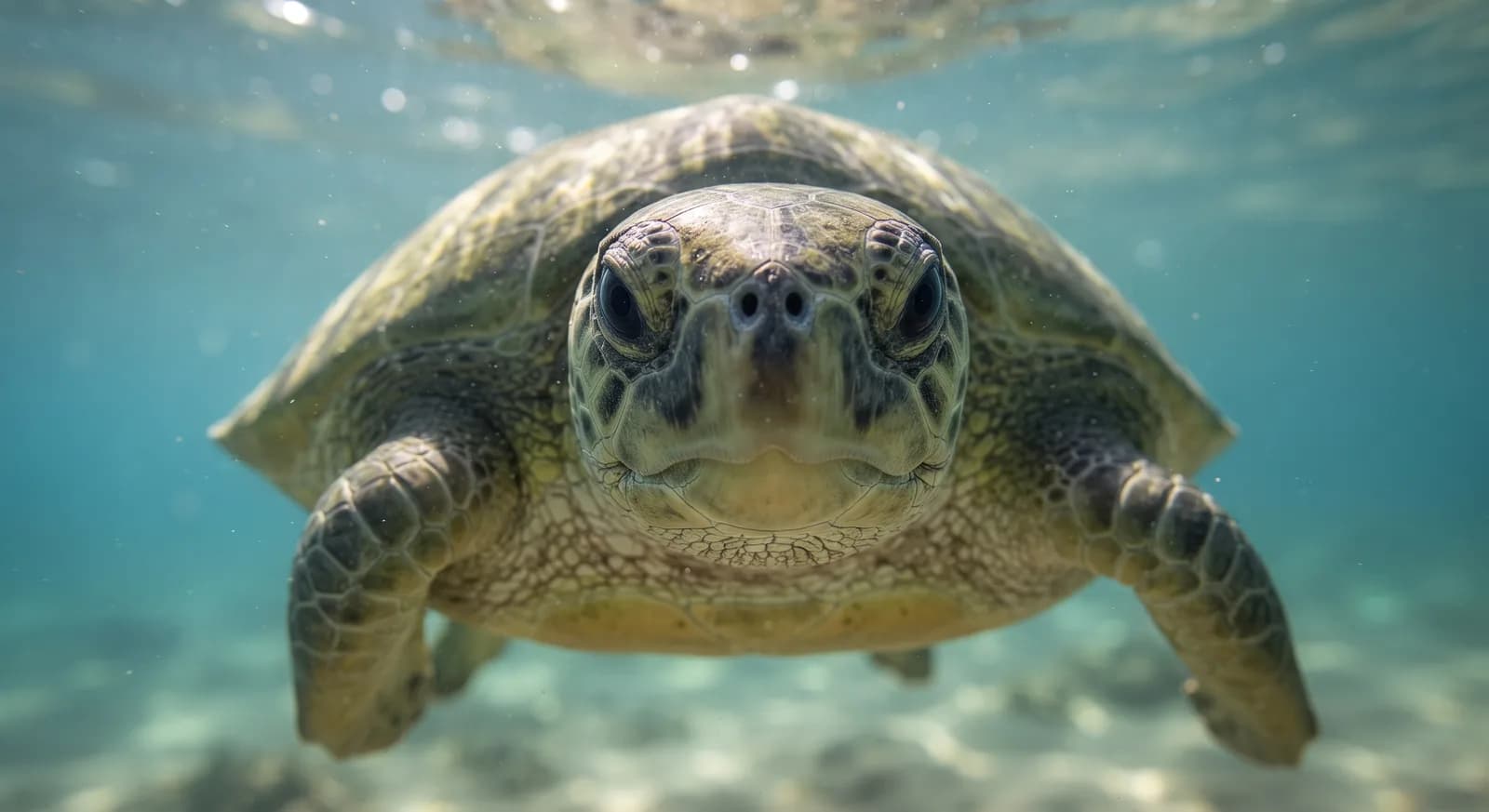
Olive RidleyVulnerable

Olive Ridley

Lepidochelys olivacea

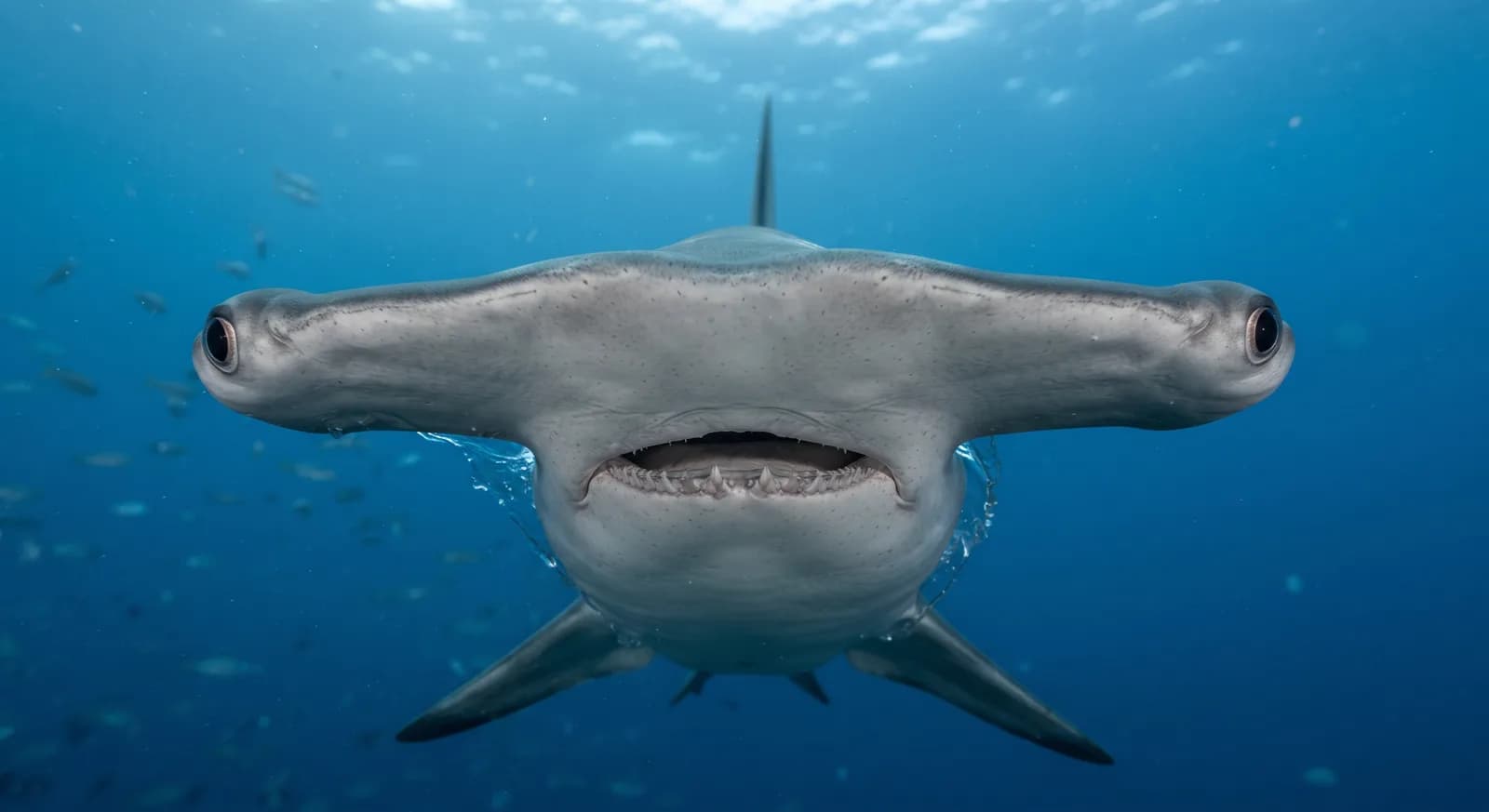
Great HammerheadCritically Endangered

Great Hammerhead

Sphyrna mokarran

Giant MantaEndangered

Giant Manta

Mobula birostris

CountriesMexico
ParksGalápagos National ParkEcuador
TagsOmnivore
Omnivore
Diurnal
Solitary
Ocean
Crustacean

North America33

Africa9

South America9

Mexico
Ecuador
Colombia
Costa Rica
Peru
Panama
Anguilla
Antigua and Barbuda
Aruba
Bahamas
Barbados
Belize
Bermuda
British Virgin Islands
Cayman Islands
Costa Rica
Cuba
Curaçao
Dominica
Dominican Republic
El Salvador
Grenada
Guadeloupe
Guatemala
Haiti
Honduras
Jamaica
Martinique
Mexico
Nicaragua
Panama
Puerto Rico
Saint Kitts and Nevis
Saint Lucia
Saint Vincent and Grenadines
Trinidad and Tobago
Turks and Caicos Islands
U.S. Virgin Islands
United States
Angola
Cabo Verde
Cameroon
Gabon
Gambia
Guinea-Bissau
Mauritania
São Tomé and Príncipe
Senegal
Brazil
Chile
Colombia
Ecuador
French Guiana
Guyana
Peru
Suriname
Venezuela