Skip to content
WAnimals
  • Map
  • Species
  • Parks
  • Diving
Log inCreate account
WAnimals

The guide for travellers and animal lovers: discover, plan and share your wild adventures around the world.

Discover wildlife

  • Species
  • Ecosystems
  • Glossary
  • Tags

Explore places

  • Map
  • Countries
  • Parks
  • Diving

Plan experiences

  • Guides

Learn

  • Blog

Resources

  • Help centre
  • Contact
  • Install the app

Follow us

Account

  • Log in
  • Create account

© 2026 WAnimals. All rights reserved.

About usHow we build our profilesTerms of servicePrivacyLegal notice
MapSpeciesParksDiving
  1. Home
  2. Species
  3. Buff-Necked Ibis
Buff-Necked Ibis (Theristicus caudatus)

Birds · Pelecaniformes · Threskiornithidae

Buff-Necked Ibis

Theristicus caudatus

Least Concern

The species is abundant and widely distributed; it faces no significant short-term risk.

Spotted something wrong?

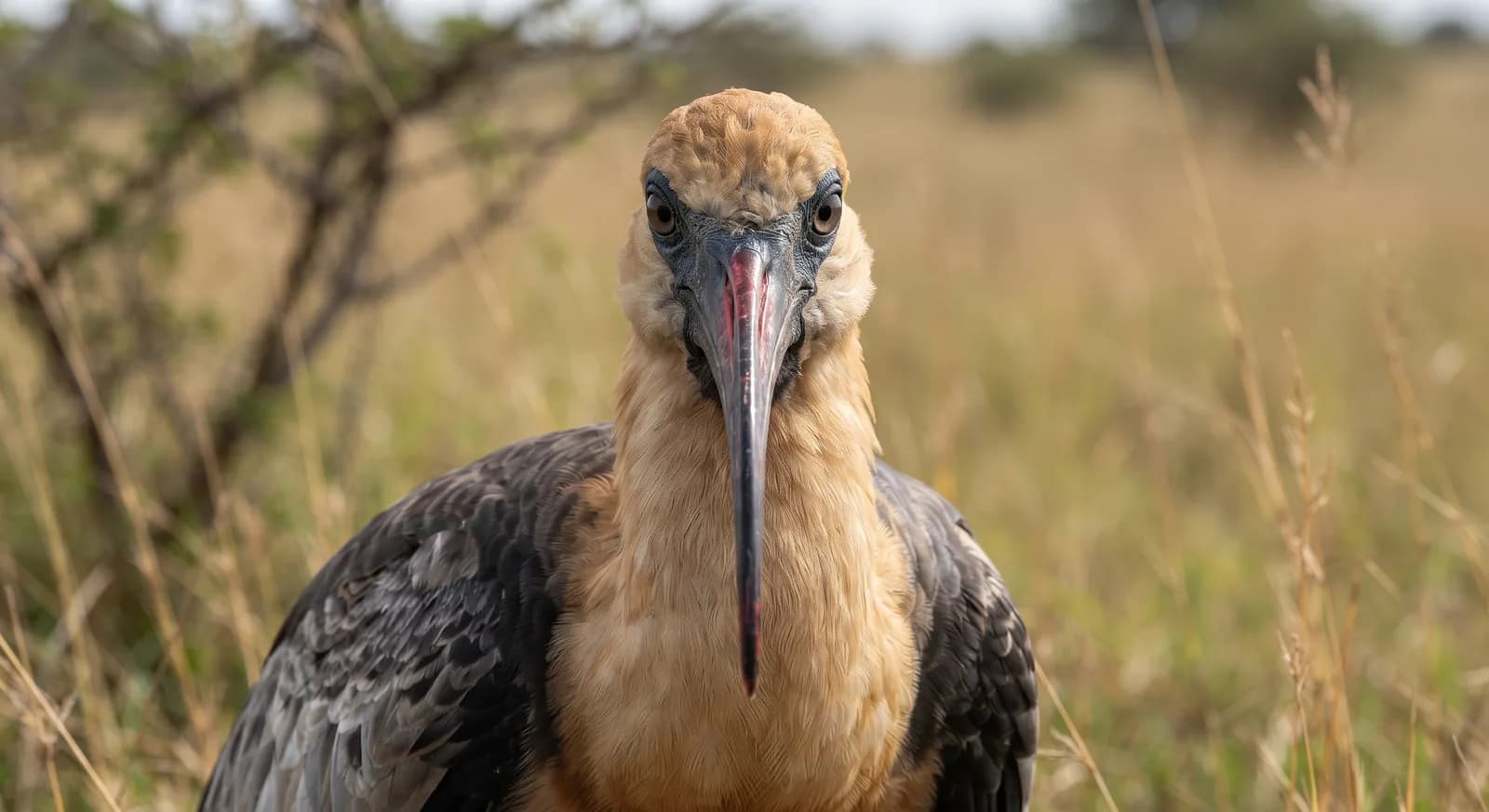
The buff-necked ibis is a species of pelecaniform bird of the family Threskiornithidae. In eastern Bolivia it is commonly known as tutachi. In southern Brazil this bird is known as curucaca or curicaca, and in Colombia it is known as cocli in the south-west of the country. It is a large, heavy ibis of several colours.

Weight

1 kg – 1.7 kg

Size

70 cm – 76 cm

Life expectancy

20 years
Diet

Insectivore

Feeds mainly on insects and other invertebrates.

Activity

Diurnal

Active mainly during the day.

Sighting difficulty

Easy

FreshwaterGrassland
10countries33parks8same family

AI-generated images: illustrations, not photographs.

Fun facts

  • Its metallic, piercing call, given above all in flight and at dawn, is one of the most recognisable sounds of the Argentine, Chilean and Brazilian countryside.
  • It has benefited from irrigated farming and has expanded its range considerably in recent decades, colonising city parks and golf courses in several South American cities.
  • Its curved bill lets it probe soft ground several centimetres deep, locating grubs and worms by touch without needing to see them.

Life cycle and biology

Skeleton type
Vertebrate - internal bony skeleton (bird)
Habitat and environment
Damp grassland, farmland, wetlands and savannah of central and southern South America
Sexual maturity
3 years
Gestation / incubation
28 days of incubation
Litter / clutch size
3 eggs

Sources consulted: https://es.wikipedia.org/wiki/Theristicus_caudatus

Where to find it

Loading map…

The pins mark the parks where its presence is documented.

Where to see it

Parks and dive sites where this species has been documented — showing 10 of 33.

Related species

Other species in the catalogue with the most in common with Buff-Necked Ibis — same habitat, park, country, tags or family.

Same taxonomic family
Shares a park
Shares a park
Shares a park
Shares a park

Keep exploring

Based on what we already know about buff-necked ibis.

Comments

Share an experience, a fun fact or a tip for seeing the buff-necked ibis.

Be the first to comment.

See full glossary
This page in other languages: Español · Deutsch · Français · Português · Italiano
See its range on the interactive map→
Nahuel HuapiArgentina
Los GlaciaresArgentina
Tierra del FuegoArgentina
IberáArgentina
El PalmarArgentina
Torres del PaineChile
ChiloeChile
Patagonia (Patagonia National Park)Chile
Esteros de FarraposUruguay
Vicente Perez RosalesChile
See all 33 parks
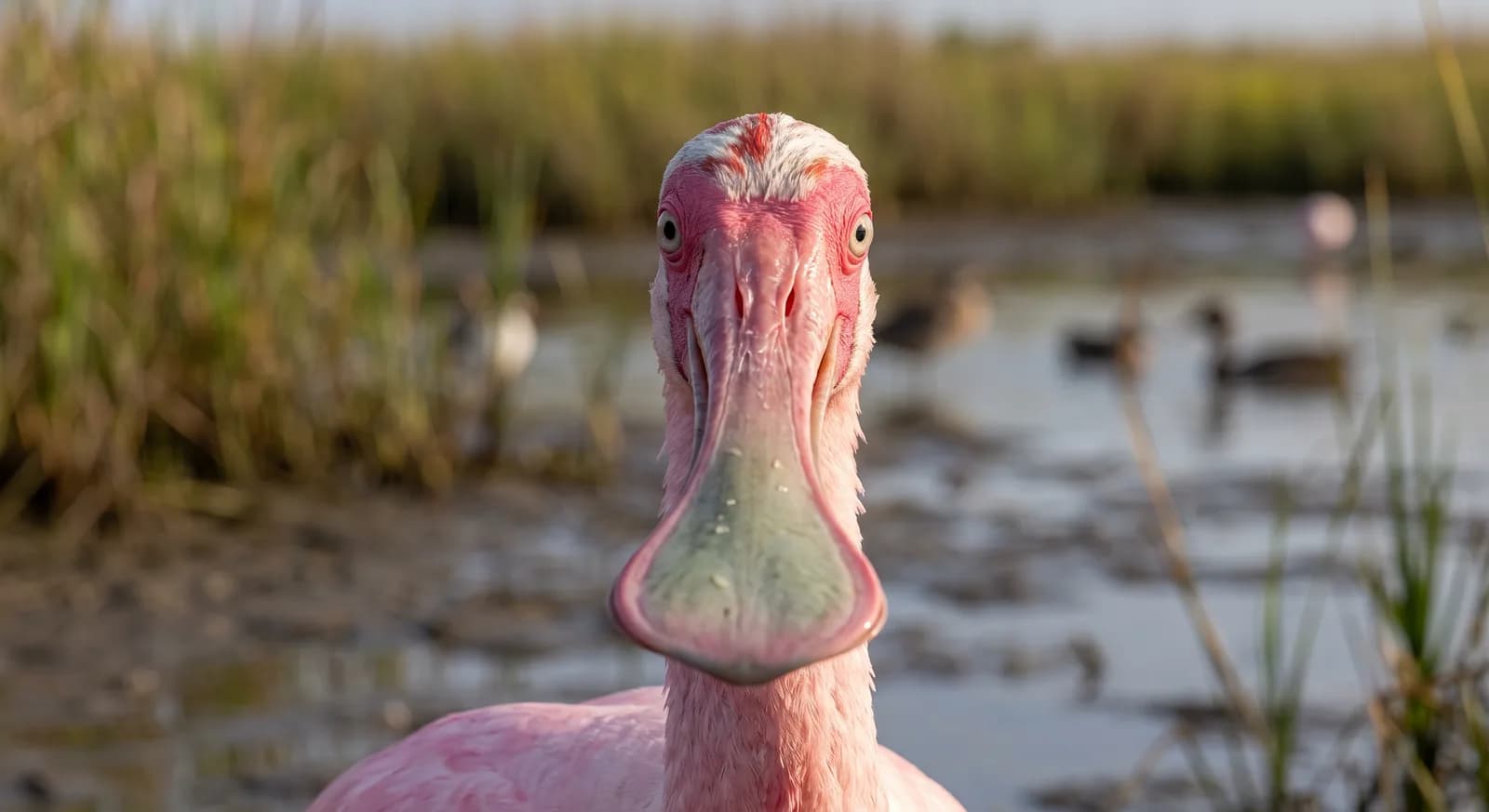
Roseate SpoonbillLeast Concern

Roseate Spoonbill

Platalea ajaja

White IbisLeast Concern

White Ibis

Eudocimus albus

Southern ScreamerLeast Concern

Southern Screamer

Chauna torquata

Least Concern

Smooth-billed Ani

Crotophaga ani

Least Concern

American Golden Plover

Pluvialis dominica

Least Concern

Rufous Hornero

Furnarius rufus

CountriesChile
ParksNahuel HuapiArgentina
TagsInsectivore
Insectivore
Diurnal
Bird
Freshwater
Grassland
Chile
Argentina
Uruguay
Bolivia
Brazil
Colombia
Argentina
Bolivia
Brazil
Chile
Colombia
Ecuador
Paraguay
Peru
Uruguay
Venezuela