Skip to content
WAnimals
  • Map
  • Species
  • Parks
  • Diving
Log inCreate account
WAnimals

The guide for travellers and animal lovers: discover, plan and share your wild adventures around the world.

Discover wildlife

  • Species
  • Ecosystems
  • Glossary
  • Tags

Explore places

  • Map
  • Countries
  • Parks
  • Diving

Plan experiences

  • Guides

Learn

  • Blog

Resources

  • Help centre
  • Contact
  • Install the app

Follow us

Account

  • Log in
  • Create account

© 2026 WAnimals. All rights reserved.

About usHow we build our profilesTerms of servicePrivacyLegal notice
MapSpeciesParksDiving
  1. Home
  2. Species
  3. Roseate Spoonbill

One of the 3 spoonbills on WAnimals
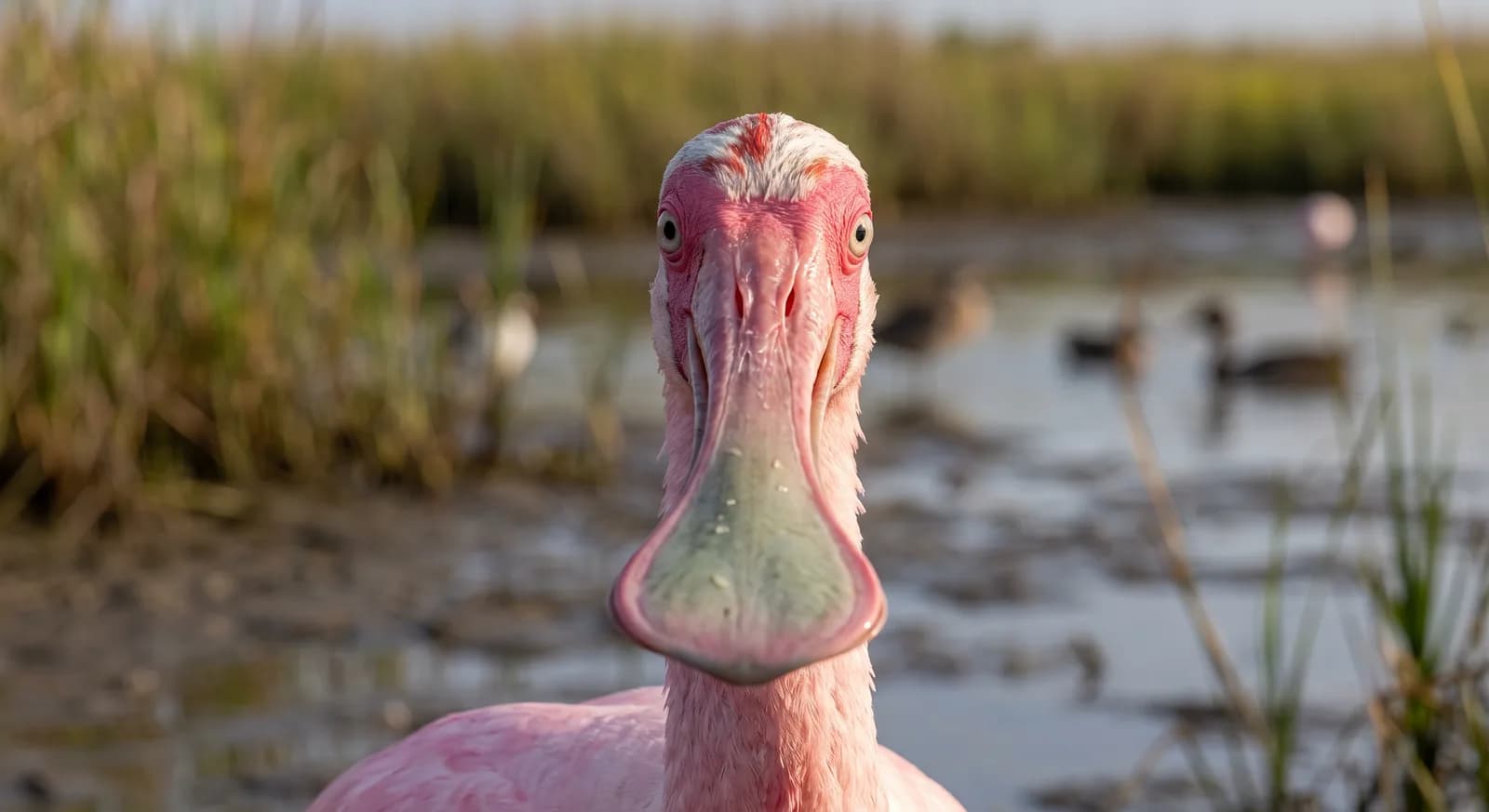
Roseate Spoonbill (Platalea ajaja)

Birds · Pelecaniformes · Threskiornithidae

Roseate Spoonbill

Platalea ajaja

Least Concern

The species is abundant and widely distributed; it faces no significant short-term risk.

Spotted something wrong?

The roseate spoonbill is the only spoonbill in the New World and the only pink one. It sweeps shallow water with its half-open spatulate bill, moving it from side to side, and snaps it shut by reflex on contact with prey. Its pink colour comes from the carotenoids in the crustaceans it eats. In the early 20th century it was brought to the brink of extinction in the United States by the trade in feathers for hats.

Weight

1.2 kg – 1.8 kg

Size

71 cm – 86 cm

Life expectancy

16 years
Diet

Carnivore

Feeds mainly on other animals.

Activity

Diurnal

Active mainly during the day.

Social structure

Colony

Lives in large concentrations, often for breeding reasons.

Sighting difficulty

Easy

RainforestOceanFreshwater
41countries21parks8same family

AI-generated images: illustrations, not photographs.

Fun facts

  • GeneralIts pink comes from the crustaceans it strains out, sweeping its bill through the water.
  • fisiologíaIts distinctive pink, much like a flamingo's, comes from carotenoid pigments in the crustaceans it eats.
  • It is pink because of what it eats: the carotenoids in the crustaceans it feeds on are laid down in the plumage, just as in flamingos, and a poorly fed bird in captivity loses the colour.
  • It almost vanished from the United States because of the feather trade: its pink wings were sold for fans and hats, and by the 1930s fewer than thirty pairs were left in Florida.
  • It fishes blind: it sweeps the murky water with its bill half open and snaps it shut within milliseconds on feeling contact, without needing to see the prey.

Life cycle and biology

Skeleton type
Vertebrate - internal bony skeleton (bird)
Habitat and environment
Mangroves, brackish marshes, coastal lagoons and wetlands of tropical and subtropical America
Sexual maturity
3 years
Gestation / incubation
23 days
Litter / clutch size
3

Sources consulted: https://en.wikipedia.org/wiki/Roseate_spoonbill

Where to find it

Loading map…

Where to see it

Parks and dive sites where this species has been documented — showing 10 of 21.

Related species

Other species in the catalogue with the most in common with Roseate Spoonbill — same habitat, park, country, tags or family.

Same taxonomic family
Shares a park
Shares a park

Keep exploring

Based on what we already know about roseate spoonbill.

Comments

Share an experience, a fun fact or a tip for seeing the roseate spoonbill.

Be the first to comment.

See full glossary
This page in other languages: Español · Deutsch · Français · Português · Italiano

The pins mark the parks where its presence is documented.

See its range on the interactive map→
EvergladesUnited States
Sian Ka'anMexico
TortugueroCosta Rica
Bacalar ChicoBelize
Ciénaga de ZapataCuba
IberáArgentina
Pantanal MatogrossenseBrazil
Lencois MaranhensesBrazil
TayronaColombia
Los RoquesVenezuela
See all 21 parks
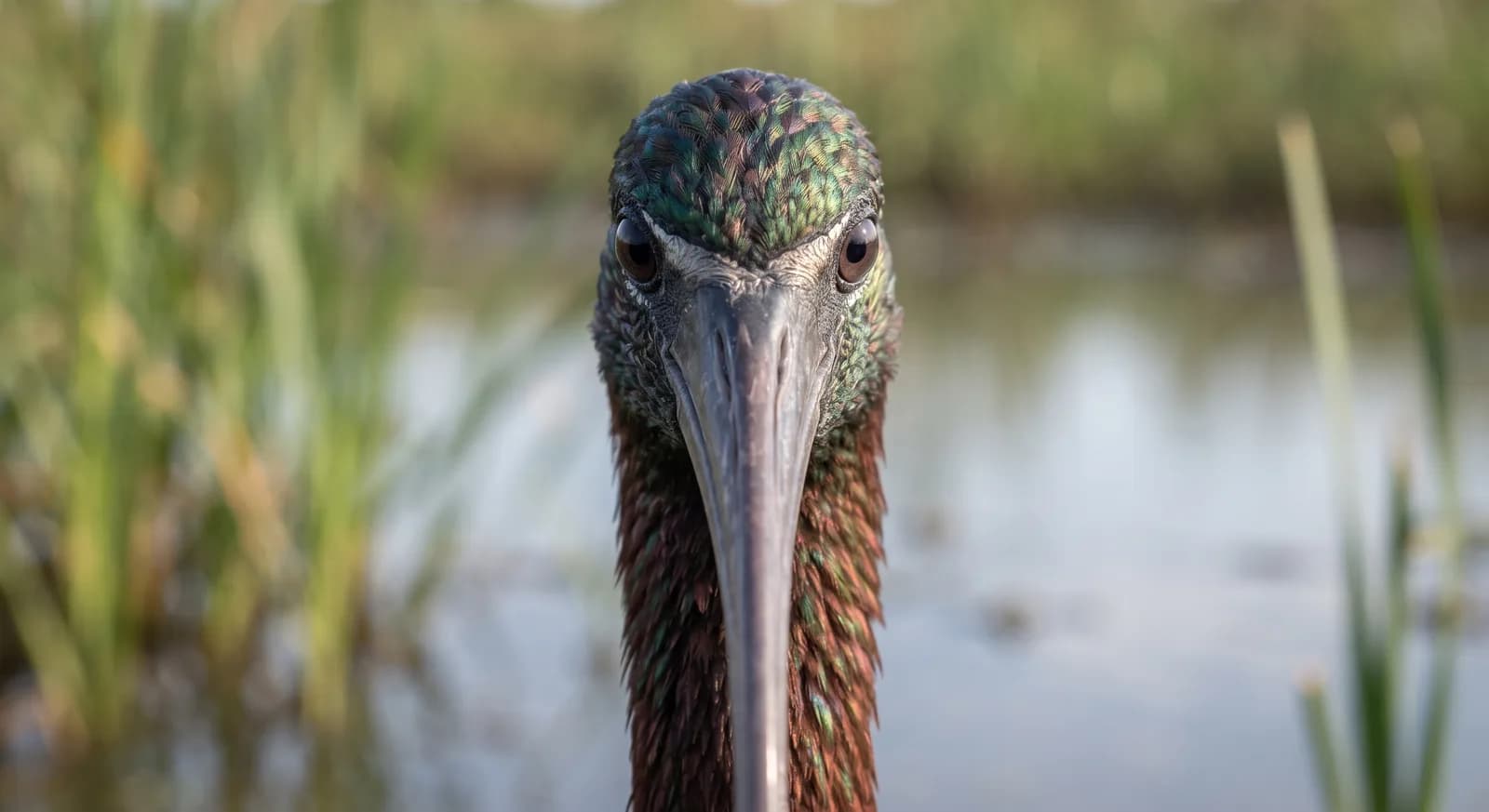
Glossy IbisLeast Concern

Glossy Ibis

Plegadis falcinellus

White IbisLeast Concern

White Ibis

Eudocimus albus

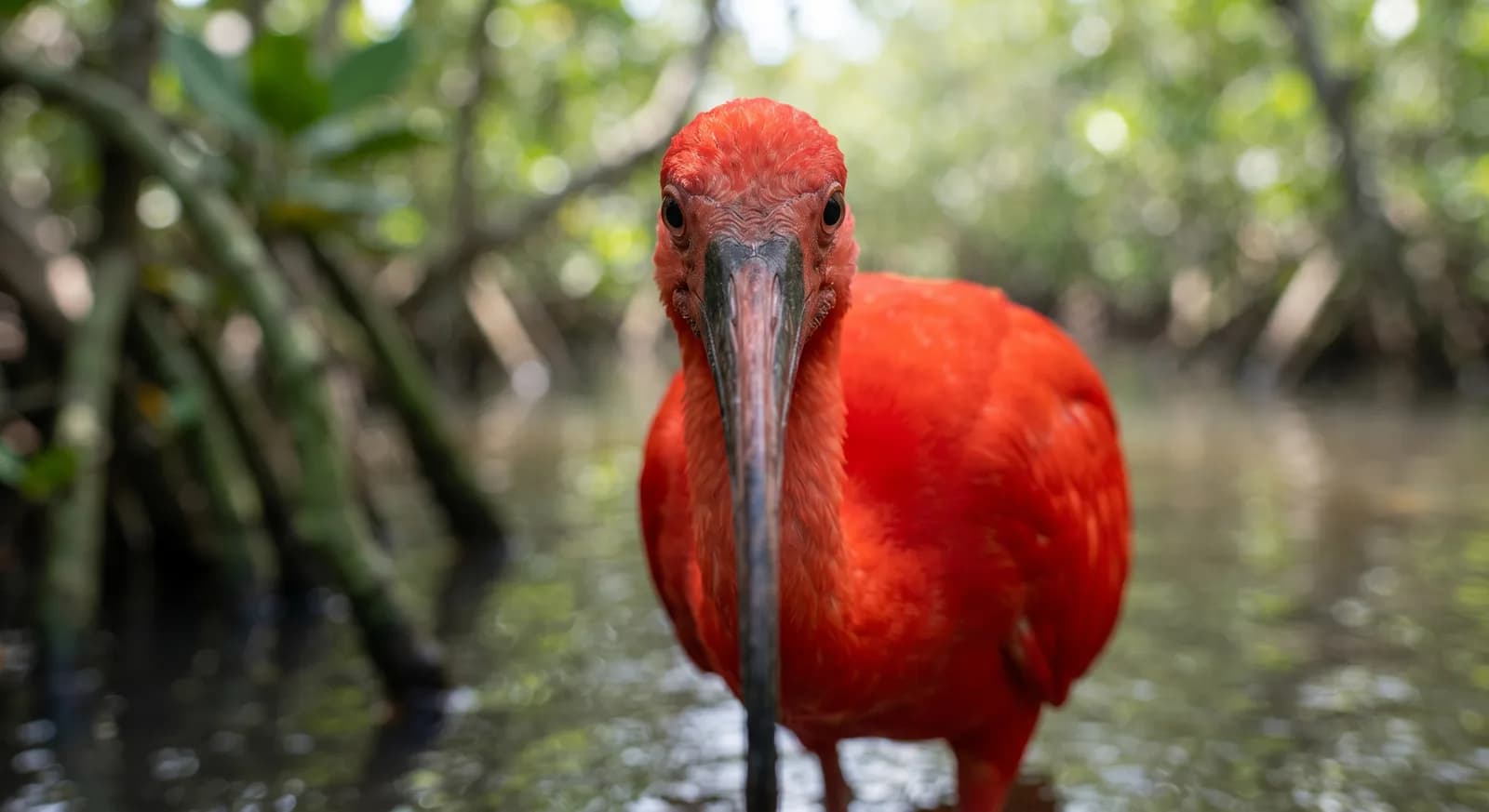
Scarlet IbisLeast Concern

Scarlet Ibis

Eudocimus ruber

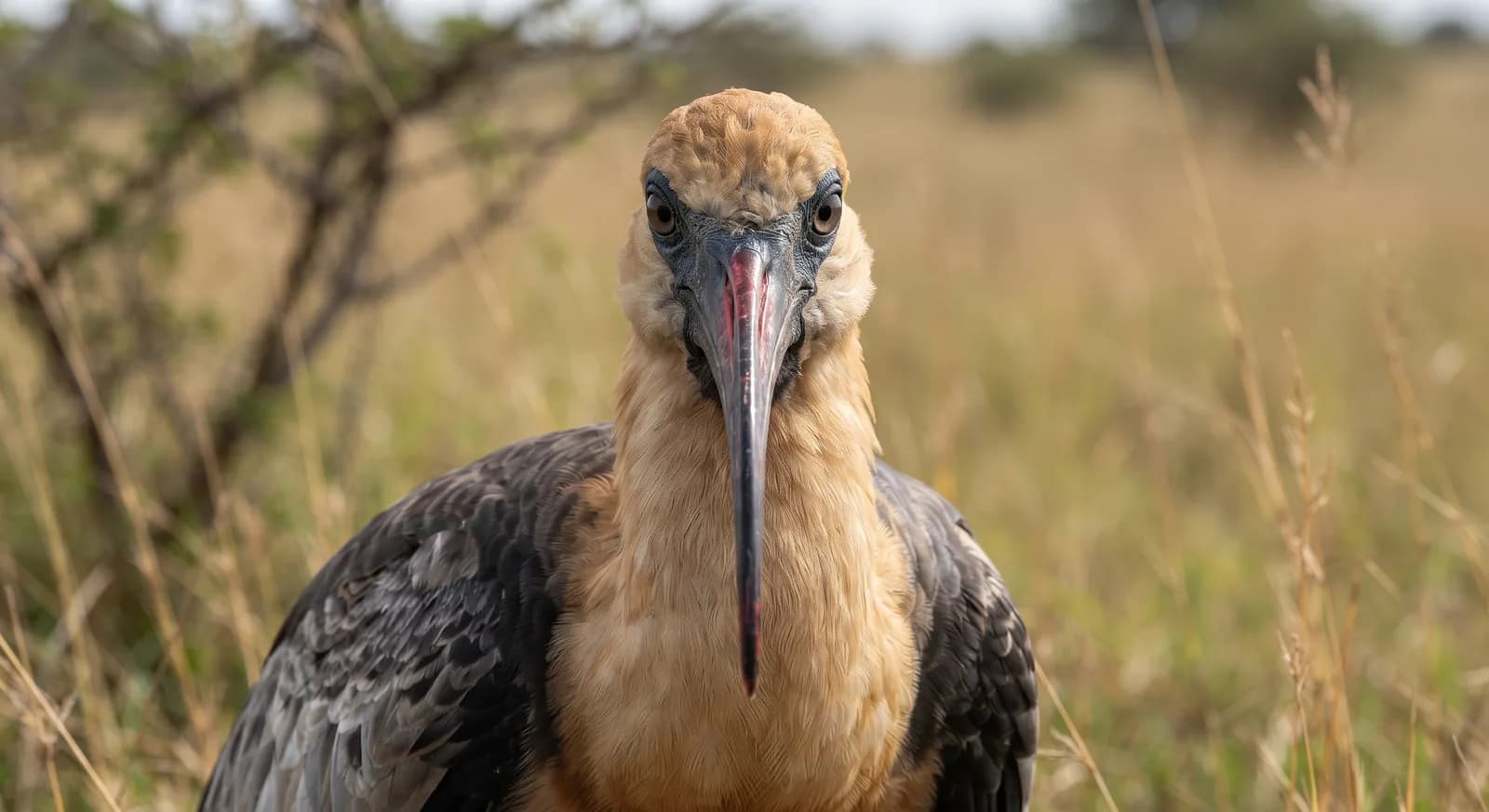
Buff-Necked IbisLeast Concern

Buff-Necked Ibis

Theristicus caudatus

Least Concern

Greater Bulldog Bat

Noctilio leporinus

Least Concern

Smooth-billed Ani

Crotophaga ani

CountriesArgentina
ParksEvergladesUnited States
TagsCarnivore
Carnivore
Diurnal
Colonial
Bird
Rainforest
Ocean
Freshwater

North America33

South America8

Argentina
United States
Venezuela
Brazil
Colombia
Costa Rica
Anguilla
Antigua and Barbuda
Aruba
Bahamas
Barbados
Belize
Bermuda
British Virgin Islands
Cayman Islands
Costa Rica
Cuba
Curaçao
Dominica
Dominican Republic
El Salvador
Grenada
Guadeloupe
Guatemala
Haiti
Honduras
Jamaica
Martinique
Mexico
Nicaragua
Panama
Puerto Rico
Saint Kitts and Nevis
Saint Lucia
Saint Vincent and Grenadines
Trinidad and Tobago
Turks and Caicos Islands
U.S. Virgin Islands
United States
Argentina
Bolivia
Brazil
Colombia
Paraguay
Peru
Uruguay
Venezuela