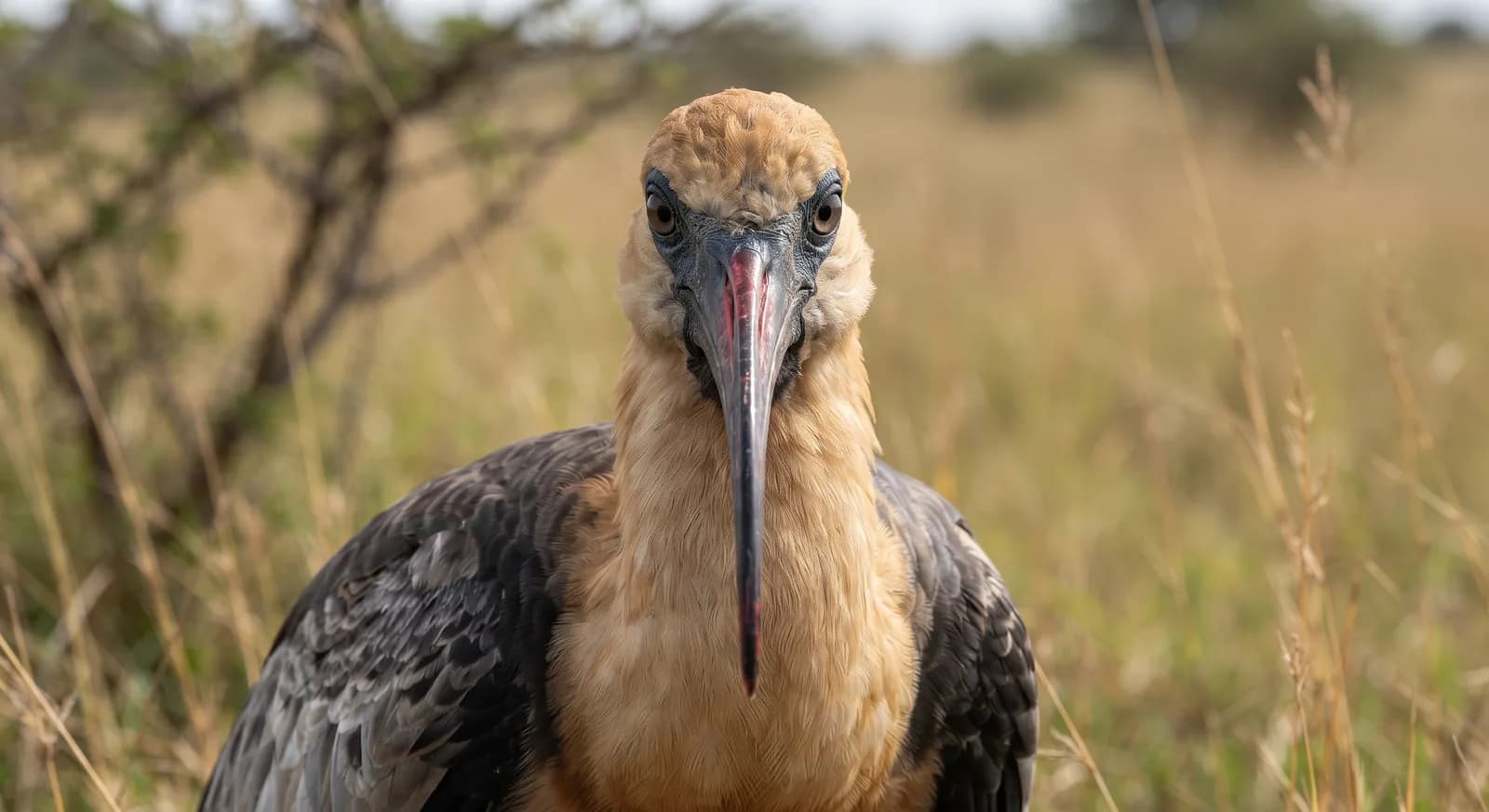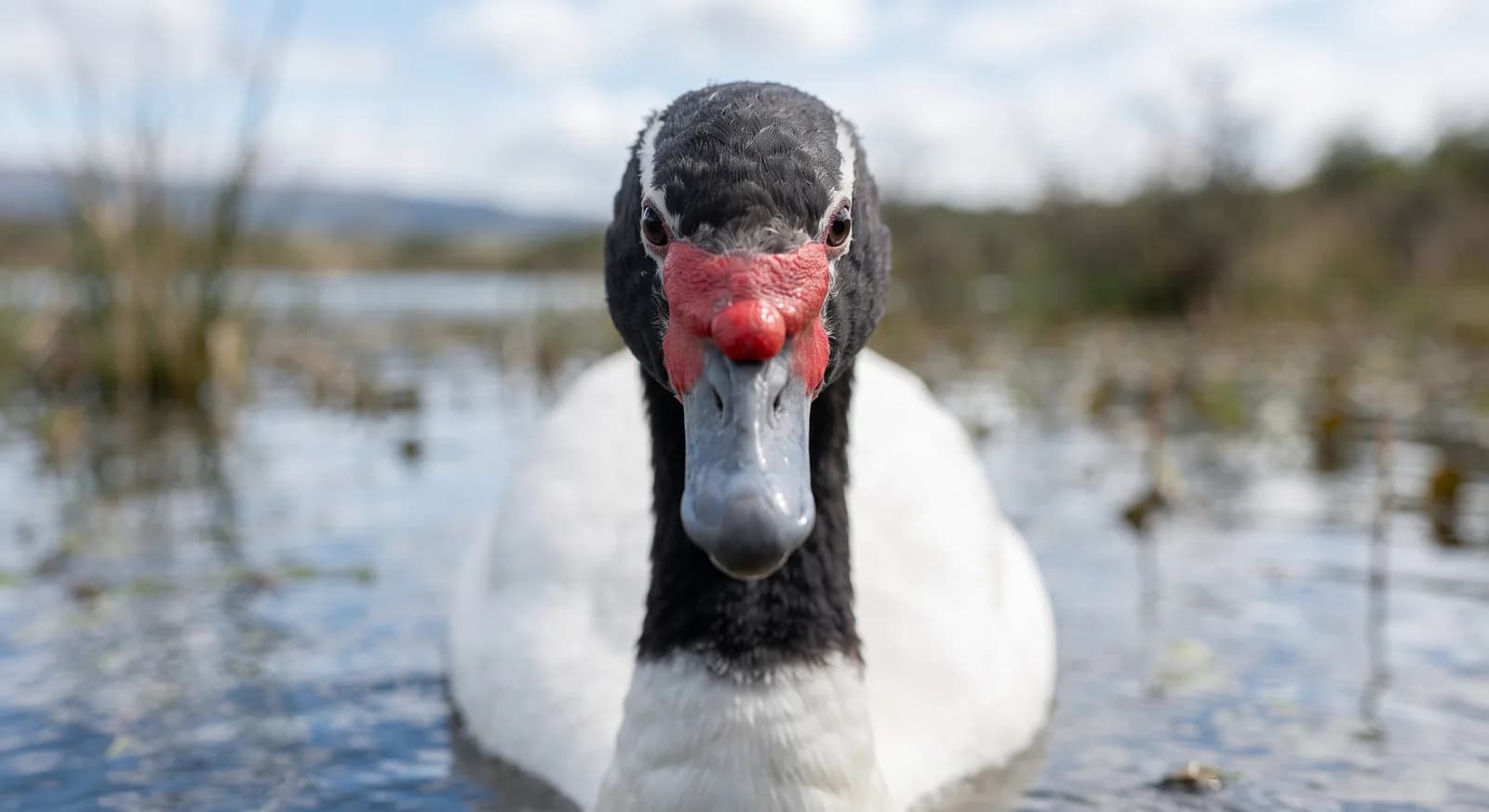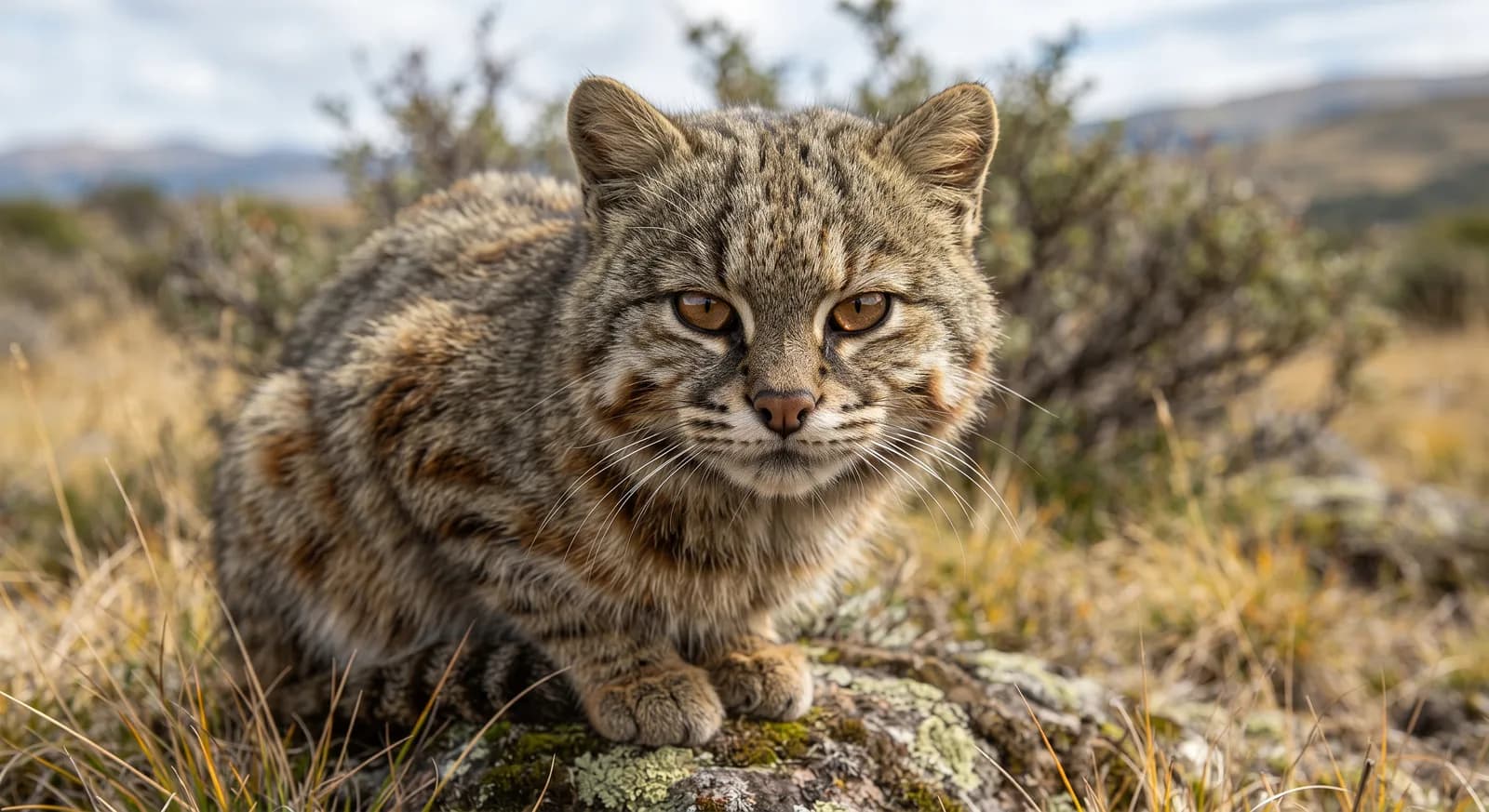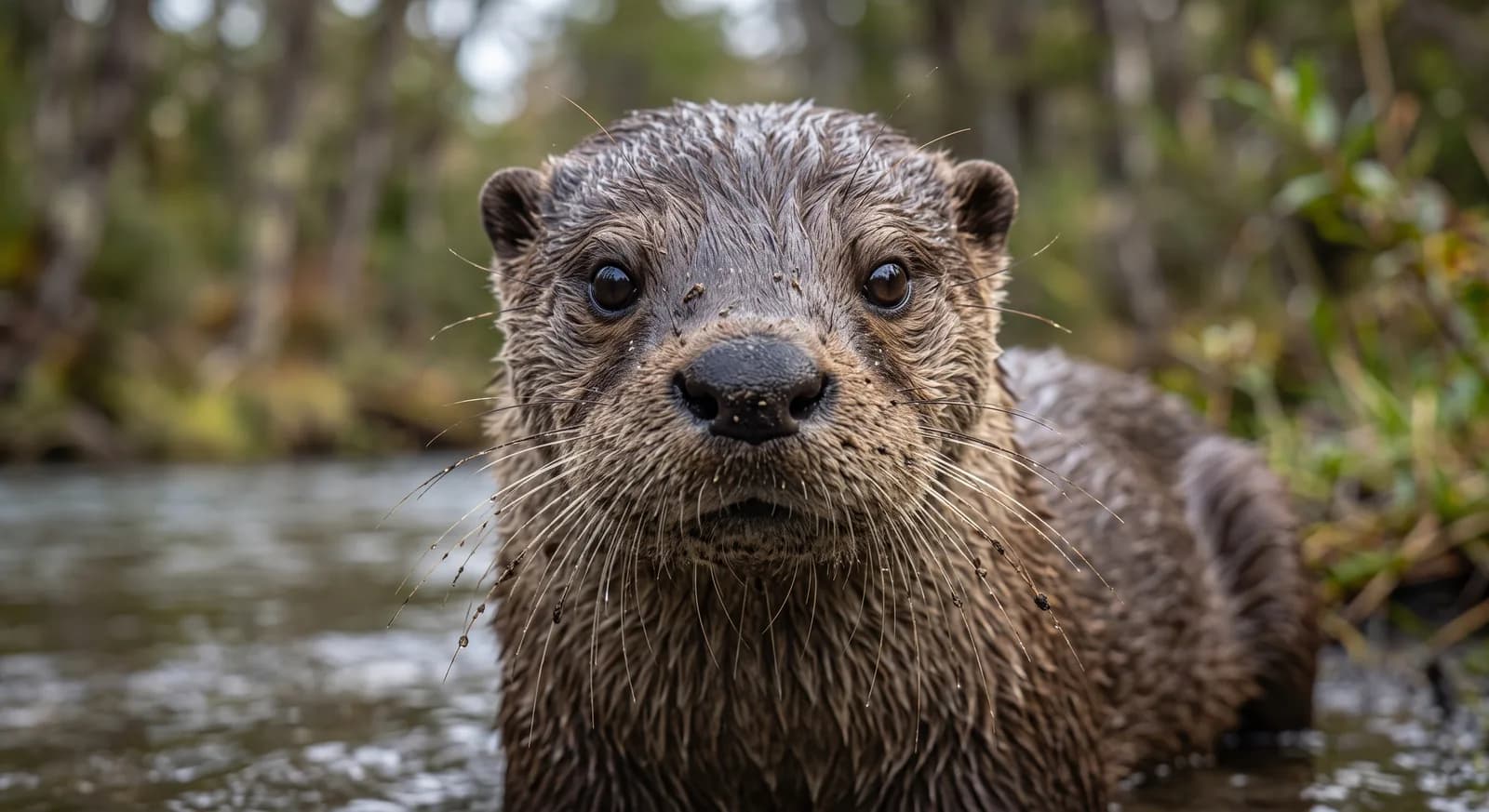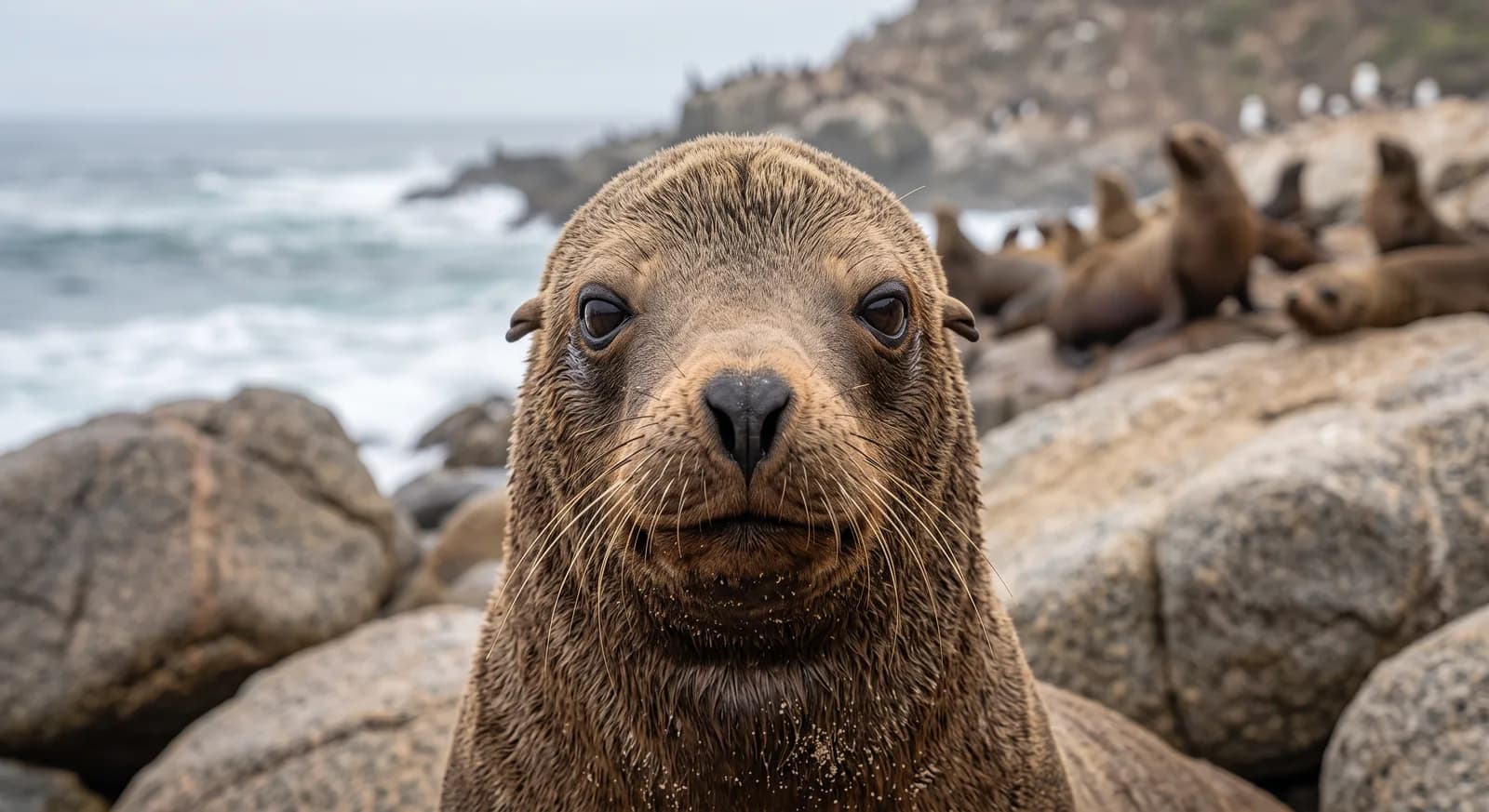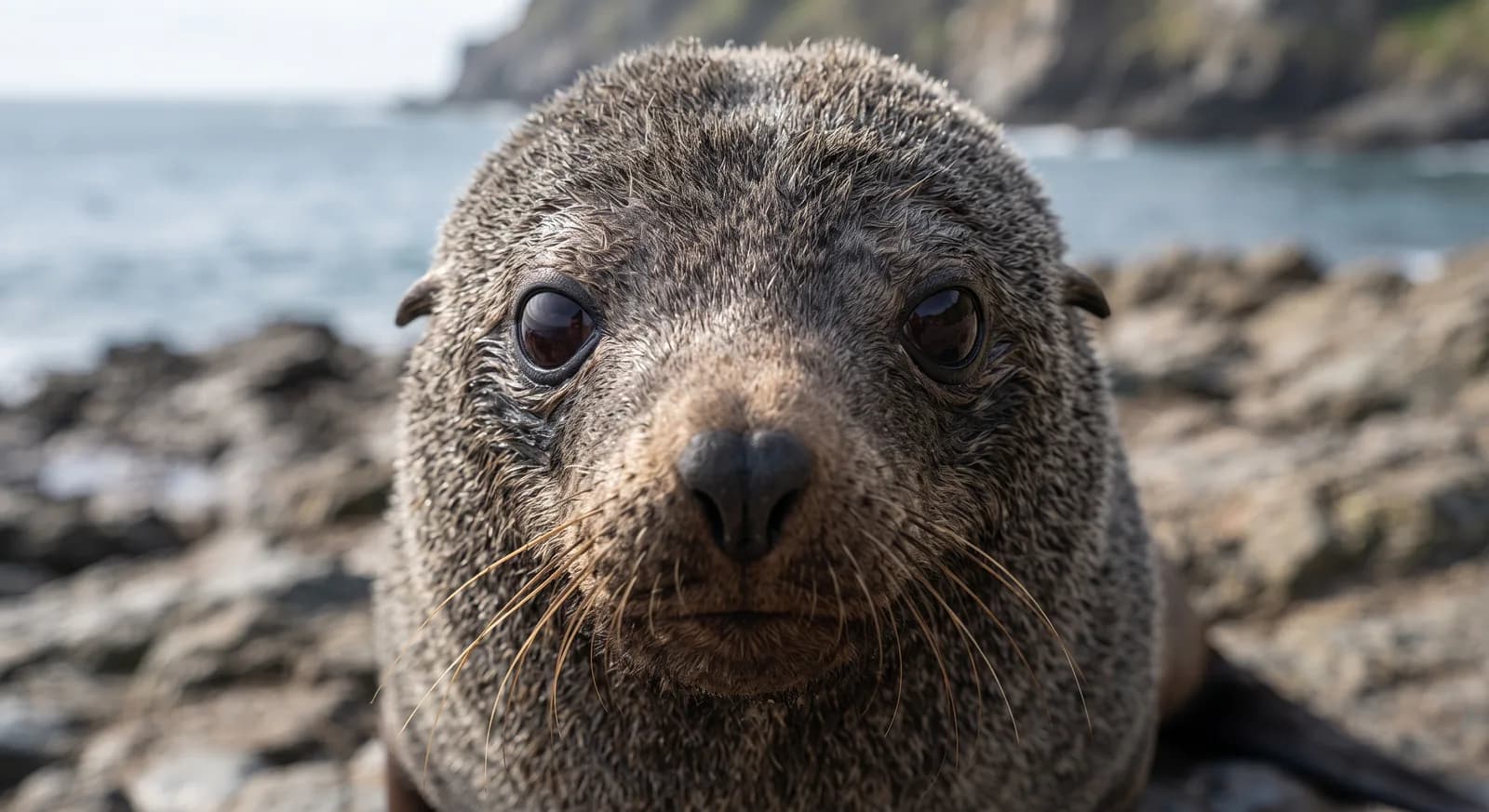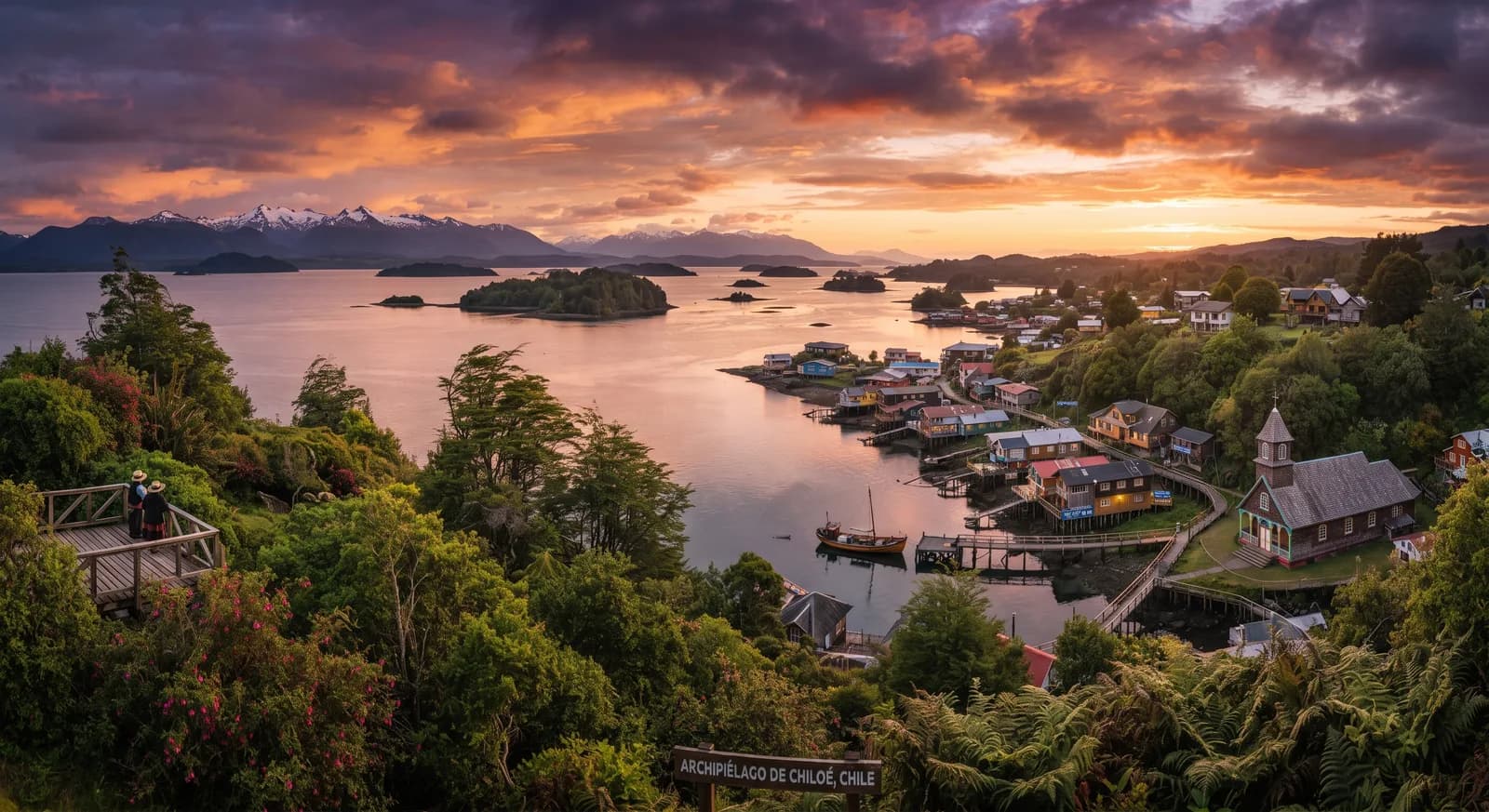
Valdivian temperate rainforest on the west coast of Chiloé Island, cradle of Darwin's fox
Area
430 km²
Protection category
IUCN II
Parque nacional —
Designated in
1982
Declared in 1982, it protects a stretch of Valdivian temperate rainforest on the west coast of the main island of Chiloé, a unique ecosystem characterised by plant species left over from the ancient flora of the supercontinent Gondwana. It is one of the last refuges of Darwin's fox, described by Charles Darwin on his Beagle voyage in 1834 and today listed as endangered, being restricted almost entirely to this island and to neighbouring Nahuelbuta Park on the mainland. The park shares its ground with local communities of Huilliche indigenous descent, whose regional wooden church architecture — separately declared a World Heritage Site — reflects centuries of cultural syncretism.
Location
Loading map…
Chiloe: 22 documented species
Mammals12Birds9Amphibians1
Threatened:
Flora and ecosystems
Ecosystems found in Chile, where Chiloe lies.
DesertTemperate forestTundra / polar
Experiences in this park
HikingBirdwatching
Similar parks
Which other parks are like this one?
Same country: Chile
Same country: Chile
Same country: Chile
Same country: Chile
Keep exploring
Based on what we already know about this park.
Comments
Share your experience visiting Chiloe, or a tip for other travellers.
Be the first to comment.
 Chile