Skip to content
WAnimals
  • Map
  • Species
  • Parks
  • Diving
Log inCreate account
WAnimals

The guide for travellers and animal lovers: discover, plan and share your wild adventures around the world.

Discover wildlife

  • Species
  • Ecosystems
  • Glossary
  • Tags

Explore places

  • Map
  • Countries
  • Parks
  • Diving

Plan experiences

  • Guides

Learn

  • Blog

Resources

  • About us
  • How we build our profiles
  • Help centre
  • Contact
  • Install the app

Follow us

Account

  • Log in
  • Create account

© 2026 WAnimals. All rights reserved.

Terms of servicePrivacyCookiesLegal notice
MapSpeciesParksDiving
  1. Home
  2. Species
  3. Southern Monito del Monte
Southern Monito del Monte (Dromiciops gliroides)

Mammals · Microbiotheria · Microbiotheriidae

Southern Monito del Monte

Dromiciops gliroides

Least Concern

The species is abundant and widely distributed; it faces no significant short-term risk.

Spotted something wrong?

The monito del monte is a tiny marsupial of the temperate rainforest of southern Chile and Argentina, and a genuine evolutionary relic: it is the sole survivor of the order Microbiotheria, and its closest living relatives are not in the Americas but in Australia. It is nocturnal, arboreal and omnivorous, with a fondness for insects and for the fruit of the quintral, a mistletoe for which it is the only known disperser. It hibernates in winter in spherical nests of bamboo lined with moss.

Weight

16 g – 42 g

Size

8 cm – 13 cm

Life expectancy

3 years
Diet

Omnivore

Combines animal and plant food depending on availability.

Activity

Nocturnal

Active mainly at night.

Social structure

Solitary

Lives and hunts alone, joining others only to breed.

Temperate forest
2countries9parks

AI-generated images: illustrations, not photographs.

Fun facts

  • taxonomíaAlthough it lives in the temperate forests of Chile and Argentina, its closest living relatives are the Australian marsupials rather than the American ones.
  • Its lineage split from the rest of the American marsupials some 60 million years ago and is more closely related to kangaroos and koalas than to the opossums of its own continent: it is living evidence of the connection between South America, Antarctica and Australia.
  • It is the only known disperser of the seeds of the quintral, a mistletoe of the Valdivian forest: without the monito del monte, that plant does not reproduce.

Life cycle and biology

Skeleton type
Vertebrate - internal bony skeleton (mammal)
Habitat and environment
Valdivian temperate rainforest with quila and dense bamboo, in Chile and Argentina
Sexual maturity
2 years
Gestation / incubation
30 days
Litter / clutch size
3

Sources consulted: Wikipedia (es): Dromiciops gliroides

Where to find it

Loading map…

The pins mark the parks where its presence is documented.

Where to see it

Parks and dive sites where this species has been documented.

Related species

Other species in the catalogue with the most in common with Southern Monito del Monte — same habitat, park, country, tags or family.

Shares a park
Shares a park
Shares a park
Shares a park
Shares a park
Shares a park

Related guides

Keep exploring

Based on what we already know about southern monito del monte.

Share an experience, a fun fact or a tip for seeing the southern monito del monte.
See full glossary
This page in other languages: Español · Deutsch · Français · Português · Italiano
See its range on the interactive map→
Nahuel HuapiArgentina
ChiloéChile
Vicente Pérez RosalesChile
ConguillíoChile
LanínArgentina
Los AlercesArgentina
Alerce AndinoChile
QueulatChile
Pumalín Douglas TompkinsChile
Least Concern

Geoffroy's Cat

Leopardus geoffroyi

CulpeoLeast Concern

Culpeo

Lycalopex culpaeus

Least Concern

Molina's Hog-nosed Skunk

Conepatus chinga

Least Concern

Pampas Fox

Lycalopex gymnocercus

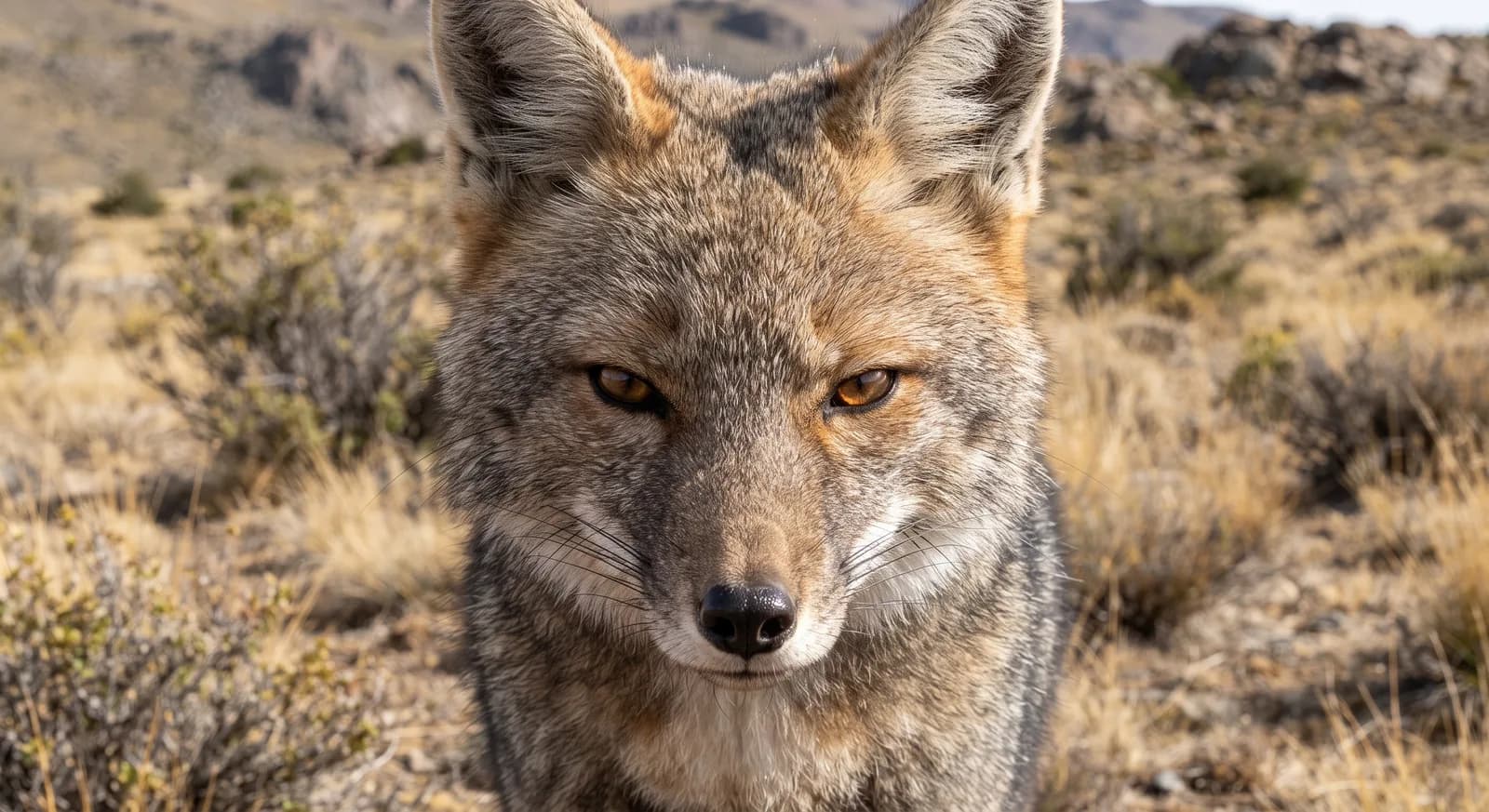
South American Gray FoxLeast Concern

South American Gray Fox

Lycalopex griseus

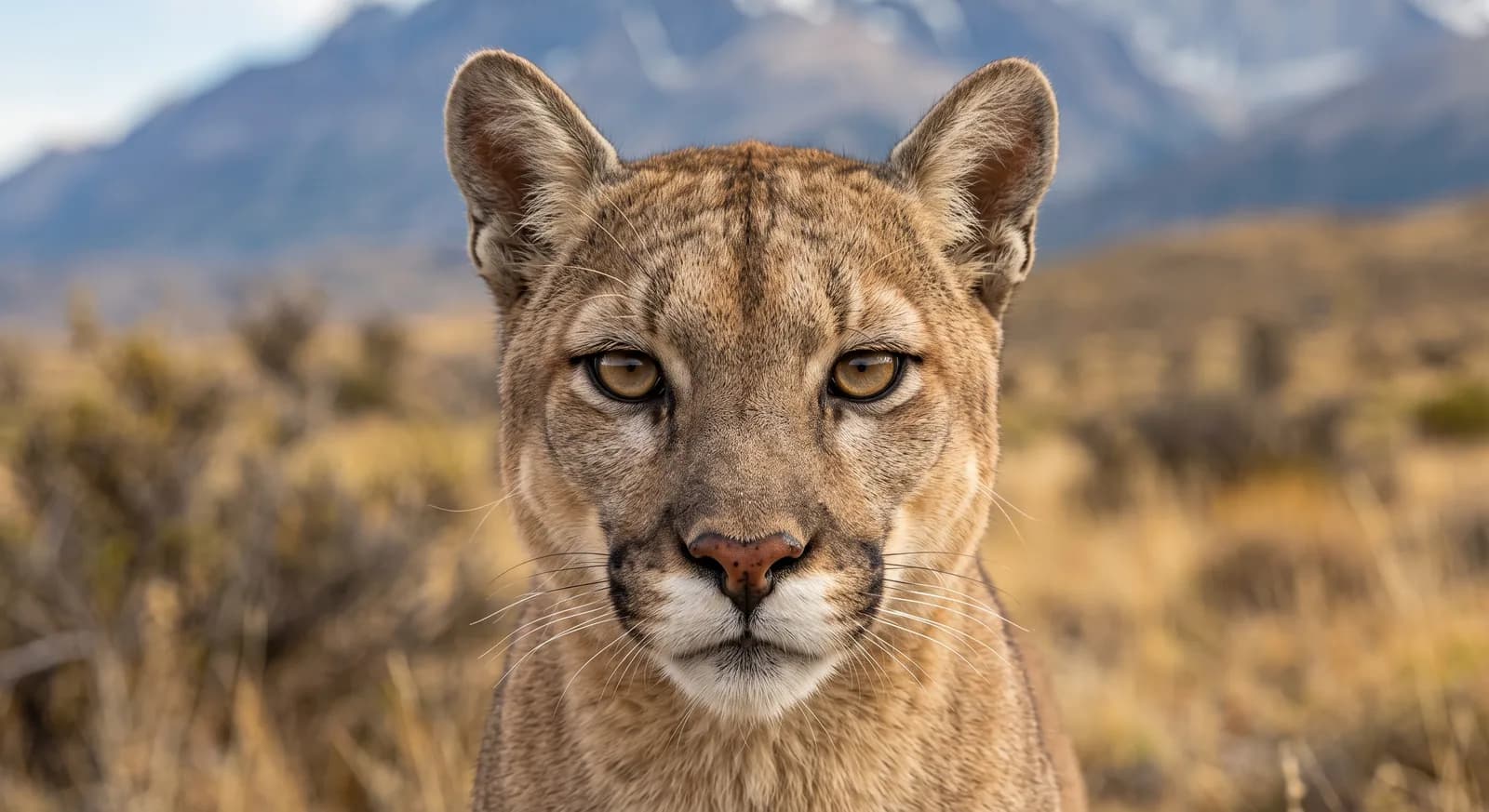
PumaLeast Concern

Puma

Puma concolor

Where to see Southern Monito del Monte9 places
CountriesChile
ParksNahuel HuapiArgentina
TagsOmnivore
Omnivore
Nocturnal
Solitary
Temperate forest
Mammal
Chile
Argentina