Skip to content
WAnimals
  • Map
  • Species
  • Parks
  • Diving
Log inCreate account
WAnimals

The guide for travellers and animal lovers: discover, plan and share your wild adventures around the world.

Discover wildlife

  • Species
  • Ecosystems
  • Glossary
  • Tags

Explore places

  • Map
  • Countries
  • Parks
  • Diving

Plan experiences

  • Guides

Learn

  • Blog

Resources

  • About us
  • How we build our profiles
  • Help centre
  • Contact
  • Install the app

Follow us

Account

  • Log in
  • Create account

© 2026 WAnimals. All rights reserved.

Terms of servicePrivacyCookiesLegal notice
MapSpeciesParksDiving
  1. Home
  2. Species
  3. Chilean Rose Tarantula

One of the 6 tarantulas on WAnimals

Arachnids · Araneae · Theraphosidae

Chilean Rose Tarantula

Grammostola rosea

Vulnerable

At high risk of extinction in the wild over the medium term.

Spotted something wrong?

The Chilean rose tarantula is a mygalomorph spider of the family Theraphosidae; it is a tarantula of some 8 cm native to Argentina, Chile, Paraguay and Bolivia. It is probably the commonest tarantula species in pet shops in the United States and Europe, because of the great number of specimens exported into the pet trade.

Size

up to 13 cm

Life expectancy

20 years

Diet

Carnivore

Feeds mainly on other animals.

Activity

Nocturnal

Active mainly at night.

Social structure

Solitary

Lives and hunts alone, joining others only to breed.

Desert
7countries11parks4same family

Fun facts

  • GeneralOne of the commonest tarantulas in vivaria, for its calm temperament.
  • Females can live more than twenty years, while males barely exceed five: they die soon after reaching sexual maturity.
  • It defends itself by flicking a cloud of urticating hairs from its abdomen with its hind legs, which cause intense irritation to skin and eyes.
  • It can go months without eating, especially before a moult, normal behaviour that often alarms the people who keep them.
  • It is probably the commonest tarantula in the pet trade, largely because for years it was collected from the wild on a huge scale.
  • Females can live twenty years or more; males far less, dying shortly after reaching maturity.
  • It has a reputation for being placid, but it is also famous for its hunger strikes: it can go months without eating with no visible loss of condition.
  • It defends itself with urticating hairs that it flicks off its abdomen with its hind legs.
  • Its taxonomy has been a tangle: it has accumulated more than a dozen synonyms, among them Grammostola cala, G. spatulata and G. porteri, some of which still circulate in the trade as though they were separate species.

Life cycle and biology

Habitat and environment
Arid scrub and semi-desert

Sources consulted: Wikipedia (es): Grammostola rosea

Where to find it

Loading map…

The pins mark the parks where its presence is documented.

Where to see it

Parks and dive sites where this species has been documented — showing 10 of 11.

Related species

Other species in the catalogue with the most in common with Chilean Rose Tarantula — same habitat, park, country, tags or family.

Shares a park
Shares a park
Shares a park
Shares a park
Same taxonomic family
Shares a park

How to help

The chilean rose tarantula is classified as vulnerable. Organisations such as the IUCN, WWF and the Wildlife Conservation Society work specifically on its conservation and that of its habitat; looking into their programmes is a good starting point if you want to get involved.

It's documented in 10 protected areas — one reason why protecting these places matters for its conservation.

Keep exploring

Based on what we already know about chilean rose tarantula.
Share an experience, a fun fact or a tip for seeing the chilean rose tarantula.
See full glossary
This page in other languages: Español · Deutsch · Français · Português · Italiano
See its range on the interactive map→
Nahuel HuapiArgentina
TalampayaArgentina
Ischigualasto (Valley of the Moon)Argentina
Torres del PaineChile
LaucaChile
Pan de AzucarChile
Sierra de las QuijadasArgentina
Radal Siete TazasChile
Fray JorgeChile
La CampanaChile
See all 11 parks
Least Concern

Cascabel Rattlesnake

Crotalus durissus

Least Concern

Geoffroy's Cat

Leopardus geoffroyi

CulpeoLeast Concern

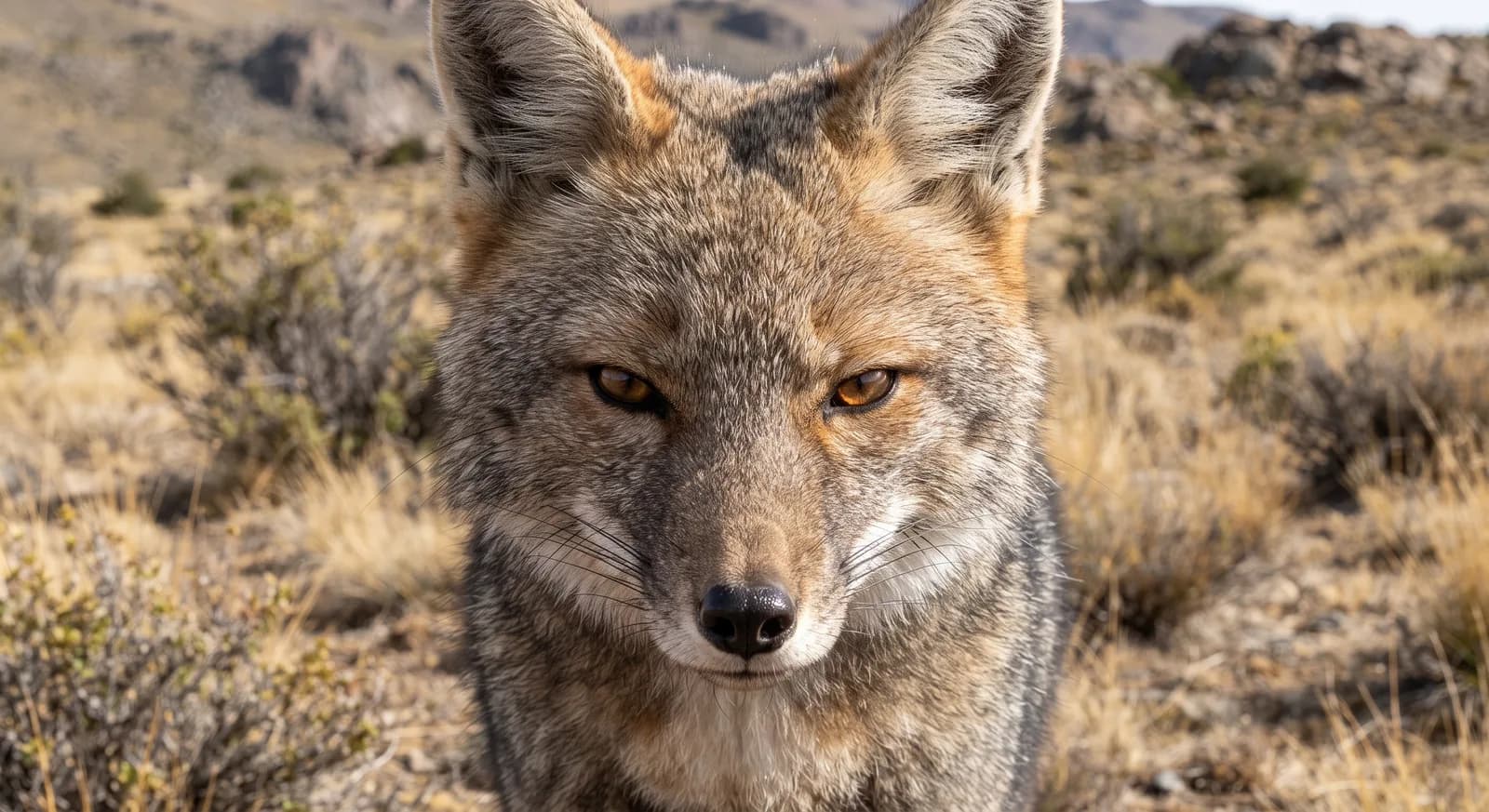
Culpeo

Lycalopex culpaeus

Vulnerable

Kodkod

Leopardus guigna

Not Evaluated

Goliath Birdeater Tarantula

Theraphosa blondi

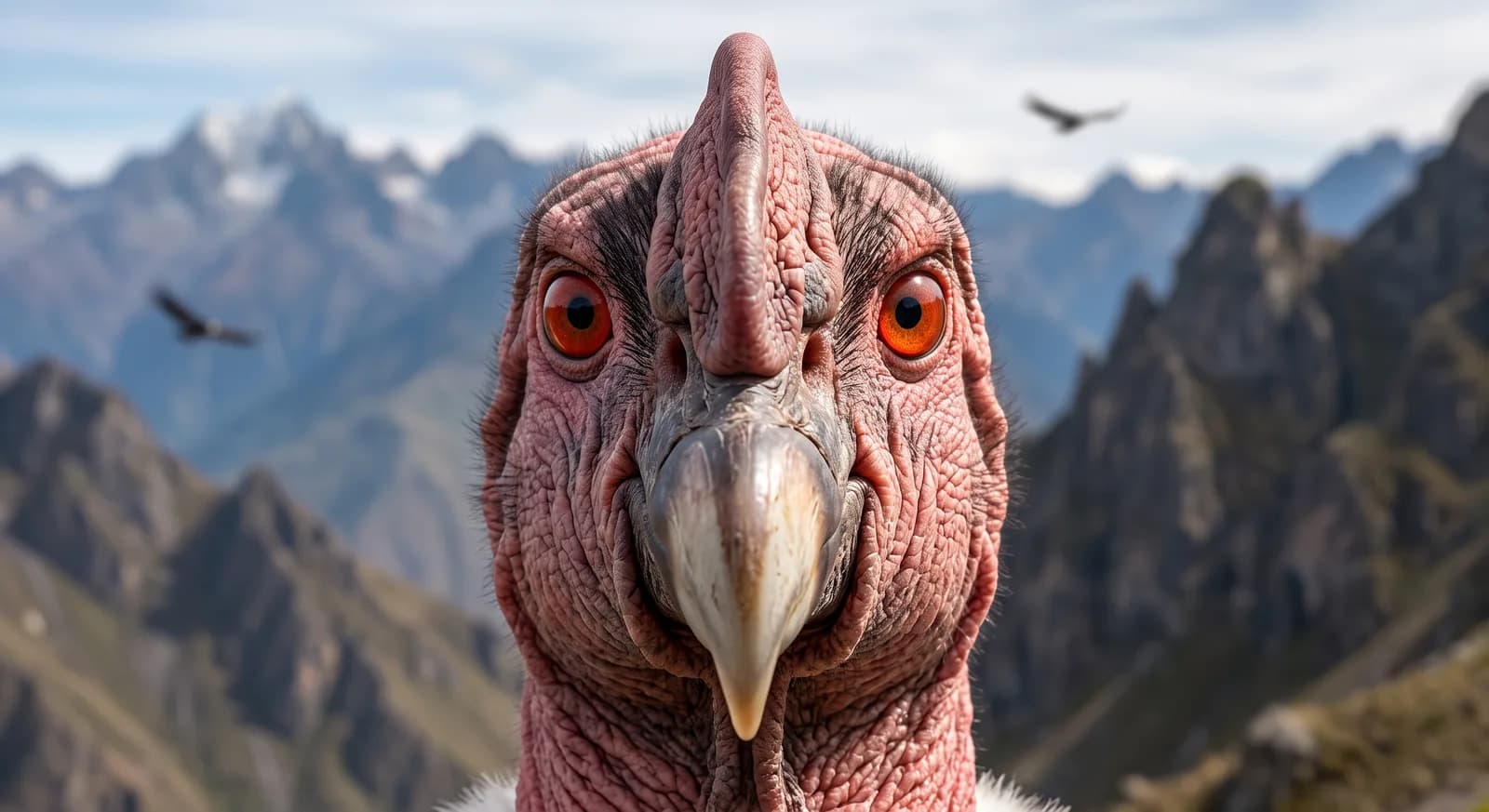
Andean CondorVulnerable

Andean Condor

Vultur gryphus

CountriesChile
ParksNahuel HuapiArgentina
TagsCarnivore
Carnivore
Nocturnal
Solitary
Vulnerable
Desert
Arachnid
Chile
Argentina
Bolivia
Brazil
Falkland Islands
Paraguay
Uruguay