Skip to content
WAnimals
  • Map
  • Species
  • Parks
  • Diving
Log inCreate account
WAnimals

The guide for travellers and animal lovers: discover, plan and share your wild adventures around the world.

Discover wildlife

  • Species
  • Ecosystems
  • Glossary
  • Tags

Explore places

  • Map
  • Countries
  • Parks
  • Diving

Plan experiences

  • Guides

Learn

  • Blog

Resources

  • Help centre
  • Contact
  • Install the app

Follow us

Account

  • Log in
  • Create account

© 2026 WAnimals. All rights reserved.

About usHow we build our profilesTerms of servicePrivacyLegal notice
MapSpeciesParksDiving
  1. Home
  2. countries
  3. Philippines

Philippines

Asia

259

Documented species

10

Parks and reserves

19

Dive sites

The Philippines is an archipelago of more than seven thousand islands that were never continuously joined to the continent, which has produced an extraordinary degree of endemism: most of its land mammals and a huge share of its birds and reptiles exist nowhere else. Each island or group of islands works as an independent evolutionary experiment. The country is part of the Coral Triangle and its waters, among them the Tubbataha atoll, rank among the richest on the planet in marine species. Palawan, with its underground river and its forests, keeps fauna of Bornean affinity, while Mindanao and Luzon hold mountain forests with unique species. It is at once one of the richest and one of the most threatened biodiversity hotspots in the world.

Nature in the Philippines

National animal: The carabao is the national animal and the Philippine eagle the national bird

Did you know?

The Philippine eagle is one of the largest and most powerful raptors in the world, with a two-metre wingspan and a crest of feathers it raises like a mane. Each pair needs thousands of hectares of forest and raises a single chick every two years, which makes its recovery painfully slow. It is the country's national bird, and killing one is punishable by years in prison.

Biodiversity profile

Conservation

The tamaraw, a dwarf buffalo found only on Mindoro, was reduced to little more than a hundred animals and is recovering very slowly. Deforestation cut the country's forest cover from more than two thirds to a minimal fraction during the twentieth century.

Where and when to watch wildlife

Tubbataha between March and June for reefs and sharks. Bohol year-round for tarsiers in sanctuaries. The Sierra Madre and Mindanao for the Philippine eagle with local guides.

Natural phenomena in the Philippines

  • The permanent sardine school at Moalboal — Year-round (best visibility in the dry season, November to April)

Parks and reserves

Nature Park

Tubbataha Reefs

A virtually pristine atoll at the centre of the Coral Triangle, with the greatest reef biomass in the Philippines.

See park
National Park

Puerto Princesa Subterranean River

One of the longest navigable underground rivers in the world, with a stretch that flows straight out to sea inside a cave

See park
World Heritage Site (Natural)

Mount Hamiguitan Range Wildlife Sanctuary

A centuries-old dwarf forest on ultramafic soil, with trees a metre and a half tall, in Mindanao.

See park
Marine Nature Park

Tubbataha

An isolated coral reef in the open sea, reachable by boat for only a few months a year

See park
National Park

Bataan

Montane forest on the Bataan peninsula, setting for one of the harshest episodes of the Pacific War.

See park
Nature Park

Mount Apo

The highest mountain in the Philippines, a Mindanao volcano with one of the greatest floral diversities in the country.

See park
Nature Park

Mount Kanlaon

The most active volcano in the central Philippines, on the island of Negros, with frequent eruptions and montane forest.

See park
National Park

Mount Pulag

The roof of Luzon, with dwarf bamboo grasslands above the sea of clouds and Cordillera pine forests.

See park
Nature Park

Mounts Iglit-Baco

The last refuge of the tamaraw, the dwarf buffalo endemic to Mindoro, down to a few hundred animals.

See park
Nature Park

Northern Sierra Madre

The largest protected area in the Philippines, holding the archipelago's last great expanse of lowland rainforest.

See park

Diving and snorkelling

Reef/Wall

Tubbataha Reefs Natural Park

An atoll in the middle of the Sulu Sea, made up of the North and South reefs plus Jessie Beazley Reef. It is an exceptional example of an all but intact atoll reef, with a vertical wall of some 100 m, extensive lagoons and two coral islands. The landmark sites are Amos Rock, a seamount with hammerheads and eagle rays, Black Rock, the North atoll wall and the manta cleaning stations of the South atoll.

See dive site
Reef/Reserve

Apo Island

A small island south of Dauin, often cited as a success story of marine conservation managed by the fishing community itself.

See dive site
Reef/Wall

Apo Reef Natural Park

The second largest contiguous coral reef in the world, according to the usual reference. Its isolation keeps it in good condition and leaves it almost exclusively to liveaboards.

See dive site
Reef/Wall

Moalboal (Sardine Run)

The sardine shoal lies a few metres from the shore, which turns one of the most spectacular fish aggregations in the world into a dive — or even a snorkel — accessible from the beach. Pescador Island, opposite, is a marine reserve with tunnels, caverns and swim-throughs.

See dive site
Macro photography/Reef

Anilao

Regarded as the cradle of Philippine diving and one of the best destinations in the world for macro photography. It is known as the nudibranch capital of the world. It combines muck diving with exposed corner sites in strong current.

See dive site
Wreck

Coron Bay (wrecks)

On 24 September 1944 the third air group of the American Task Force 38 located a Japanese support fleet that had hidden among the islands of the bay. Twenty-four Helldiver dive bombers, escorted by ninety-six Hellcat fighters, destroyed it in a matter of minutes. Resting there today are, among others, the Akitsushima, the Okikawa Maru, the Irako, the Kogyo Maru, the Olympia Maru, the Taiei Maru, the Kyokuzan Maru, the Terukaze Maru and the gunboat Lusong. The range runs from the gunboat Lusong, which breaks the surface and serves for snorkelling, to the Irako, the deepest recreational wreck, lying at around 43 m.

See dive site
Reef/Wreck

Cebu (Mactan Island)

The historic island where Ferdinand Magellan died in 1521, with reefs and wrecks reachable from Cebu City.

See dive site
Volcanic/Reef

Camiguin Island

A volcanic island with underwater hot springs and coral reefs in good condition.

See dive site
Cold rocky reef

Batanes Islands

An outlying archipelago between the Philippines and Taiwan, with colder, rougher water than the rest of the country and little explored.

See dive site
Reef/Cave

Camotes Islands

A little-visited archipelago between Cebu and Leyte, with coral reefs and freshwater caves on land.

See dive site
Pinnacle/Pelagic

Malapascua (thresher shark)

Monad Shoal is a seamount that works as a cleaning station and is the most reliable site in the world for seeing pelagic thresher sharks: they rise from the depths at dawn almost daily. The dive begins with a pre-dawn briefing and a crossing in the dark. Encounters also happen at Kimud Shoal, where they fall within recreational depths.

See dive site
Reef/Wall

Panglao (Bohol)

An island next to Balicasag with pristine coral walls and one of the best-developed dive tourism scenes in the country.

See dive site
Reef/Muck diving

Puerto Galera

One of the oldest diving centres in the Philippines, with more than 40 sites combining reef and macro photography.

See dive site
Wreck/Muck diving

Sabang Bay

A bay within Puerto Galera specialising in macro photography, with several small accessible wrecks.

See dive site
Reef/Wall

Siquijor

An island steeped in local healing traditions, with reefs less visited than neighbouring Bohol and Cebu.

See dive site
Cave/Karst lagoon

Sohoton Cove

A nature park of limestone caves and lagoons, with an underground river navigable by kayak.

See dive site
Coastal pelagic

Ticao Island (Donsol, whale shark)

An area near Donsol, one of the first places in the world to set rules for responsible whale shark interaction.

See dive site
Cleaning station

Ticao Pass (manta rays)

An underwater shoal with some 7 hectares of flat surface, known as the Manta Bowl. The permanent current and the plankton-rich water make it both a cleaning station and a feeding ground for manta rays.

See dive site
Reef/Current

Verde Island Passage

A passage fed by deep ocean currents, with spectacular wall diving. It is commonly called "the centre of the centre of marine biodiversity" because of its statistical position in counts of shore fish species.

See dive site

Similar countries

Where else might I want to travel?

Indonesia

Same region: South-East Asia

Thailand

Same region: South-East Asia

Vietnam

Same region: South-East Asia

Malaysia

Same region: South-East Asia

Species documented in the Philippines

Filter
Class
Family
Habitat
Diet
Conservation

259 species found

Related guides

  • Where to see Turtles and Tortoises in the Philippines21 species

Keep exploring

Based on what we already know about Philippines.
ParkTubbataha ReefsDivingTubbataha Reefs Natural Park

Explore on the map

Interactive map

This page in other languages: Español · Deutsch · Français · Português · Italiano
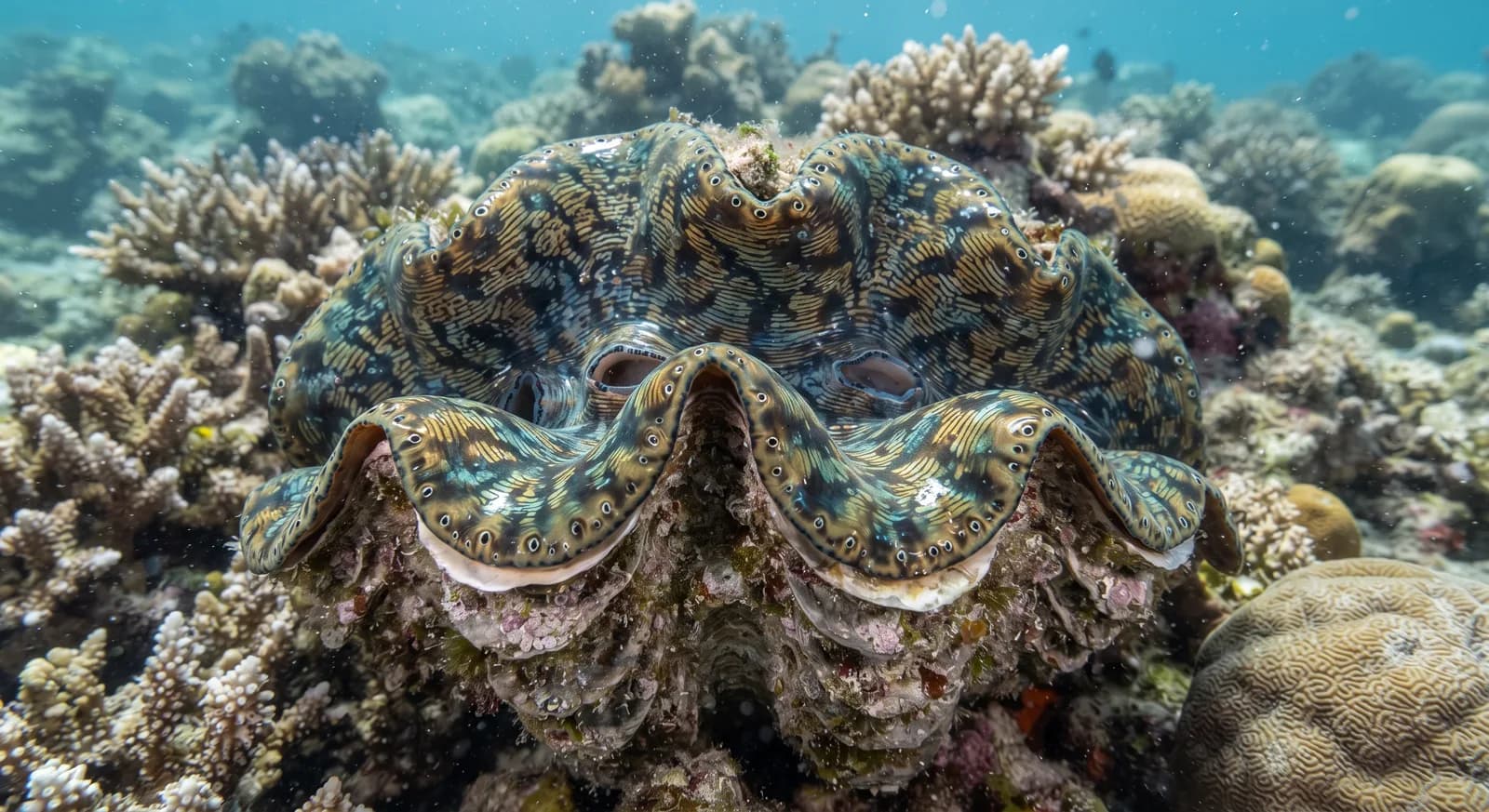
Giant ClamCritically Endangered

Giant Clam

Tridacna gigas

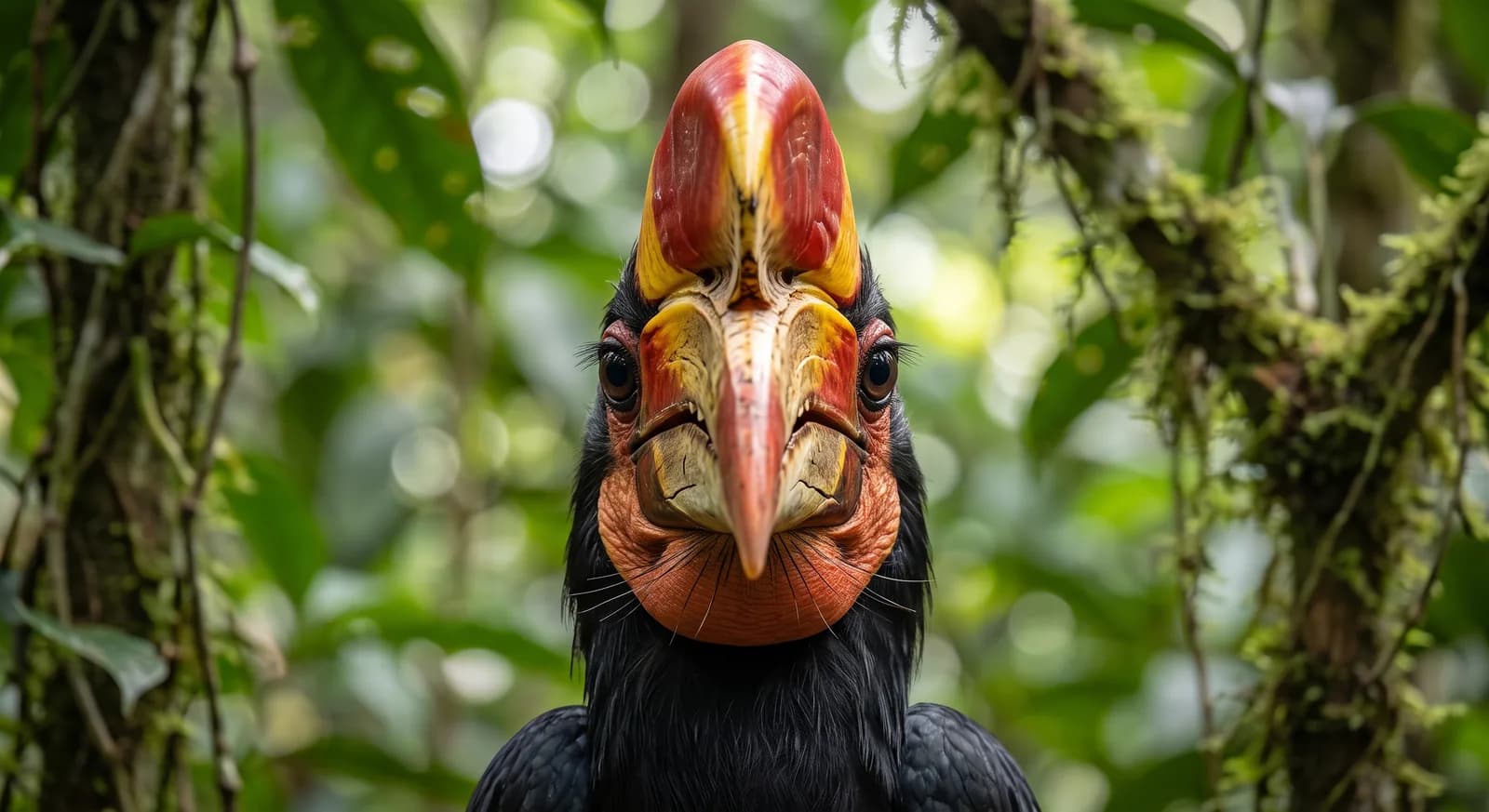
Helmeted HornbillCritically Endangered

Helmeted Hornbill

Rhinoplax vigil

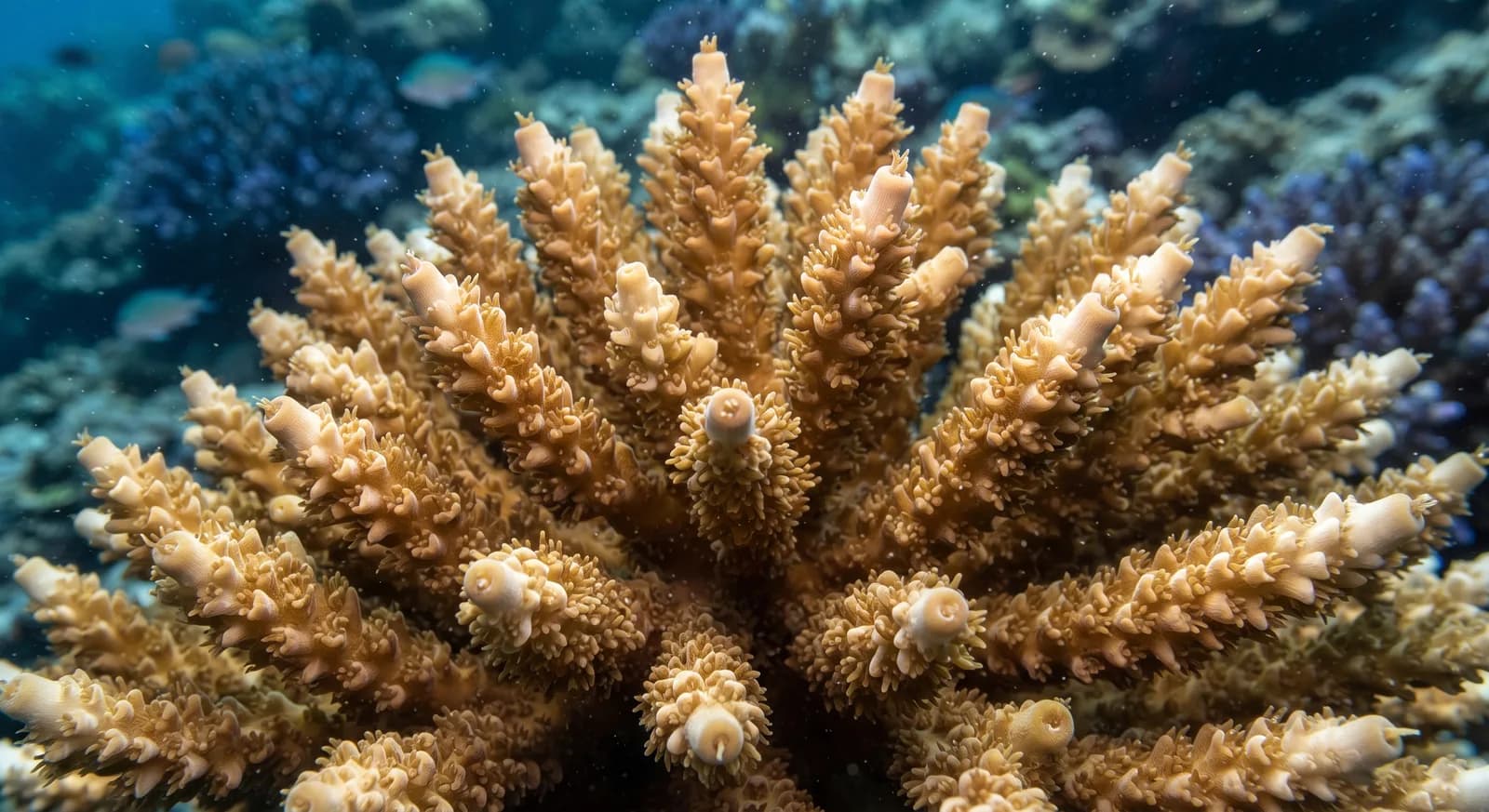
Staghorn CoralCritically Endangered

Staghorn Coral

Acropora cervicornis

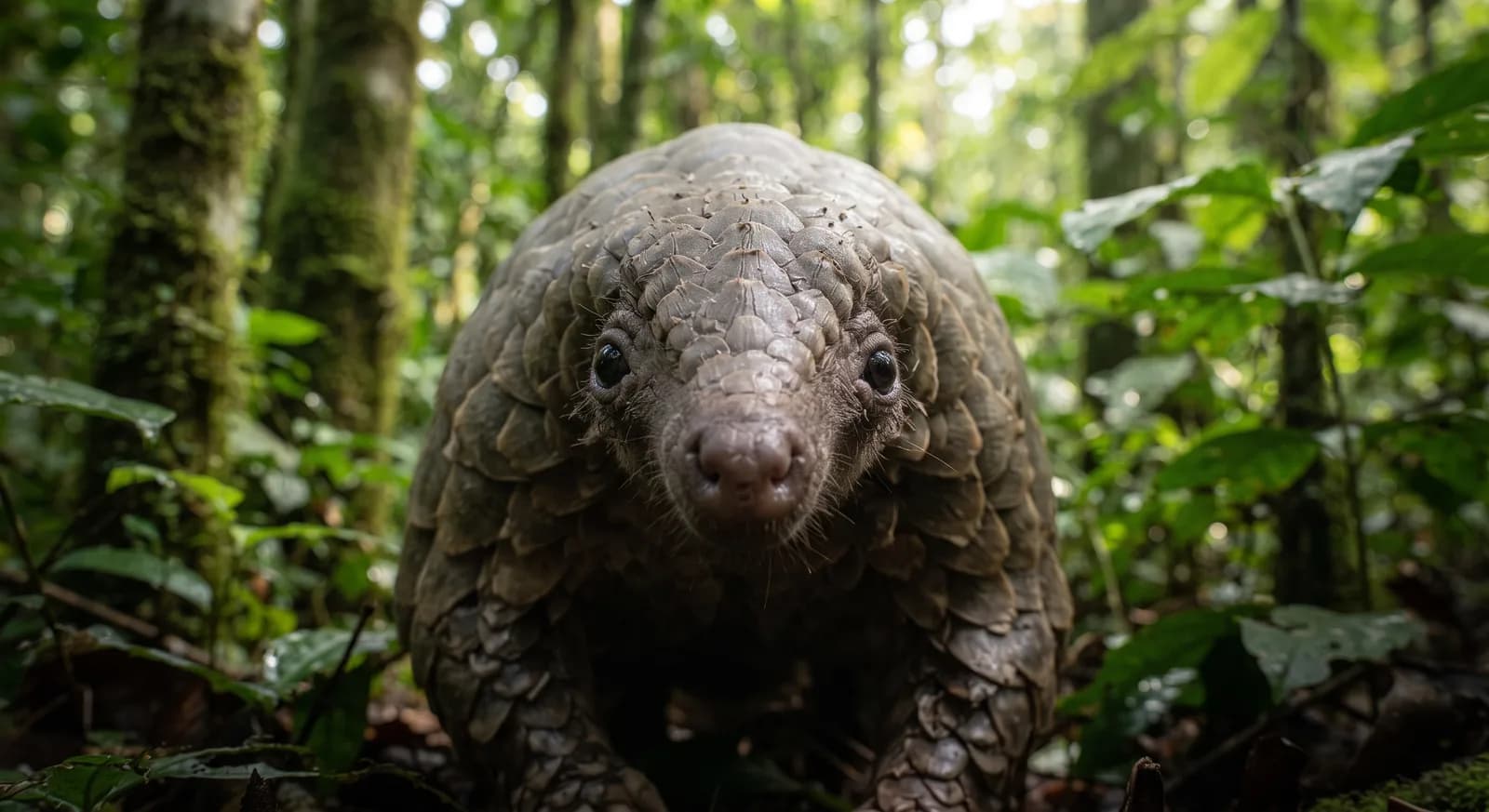
Sunda PangolinCritically Endangered

Sunda Pangolin

Manis javanica

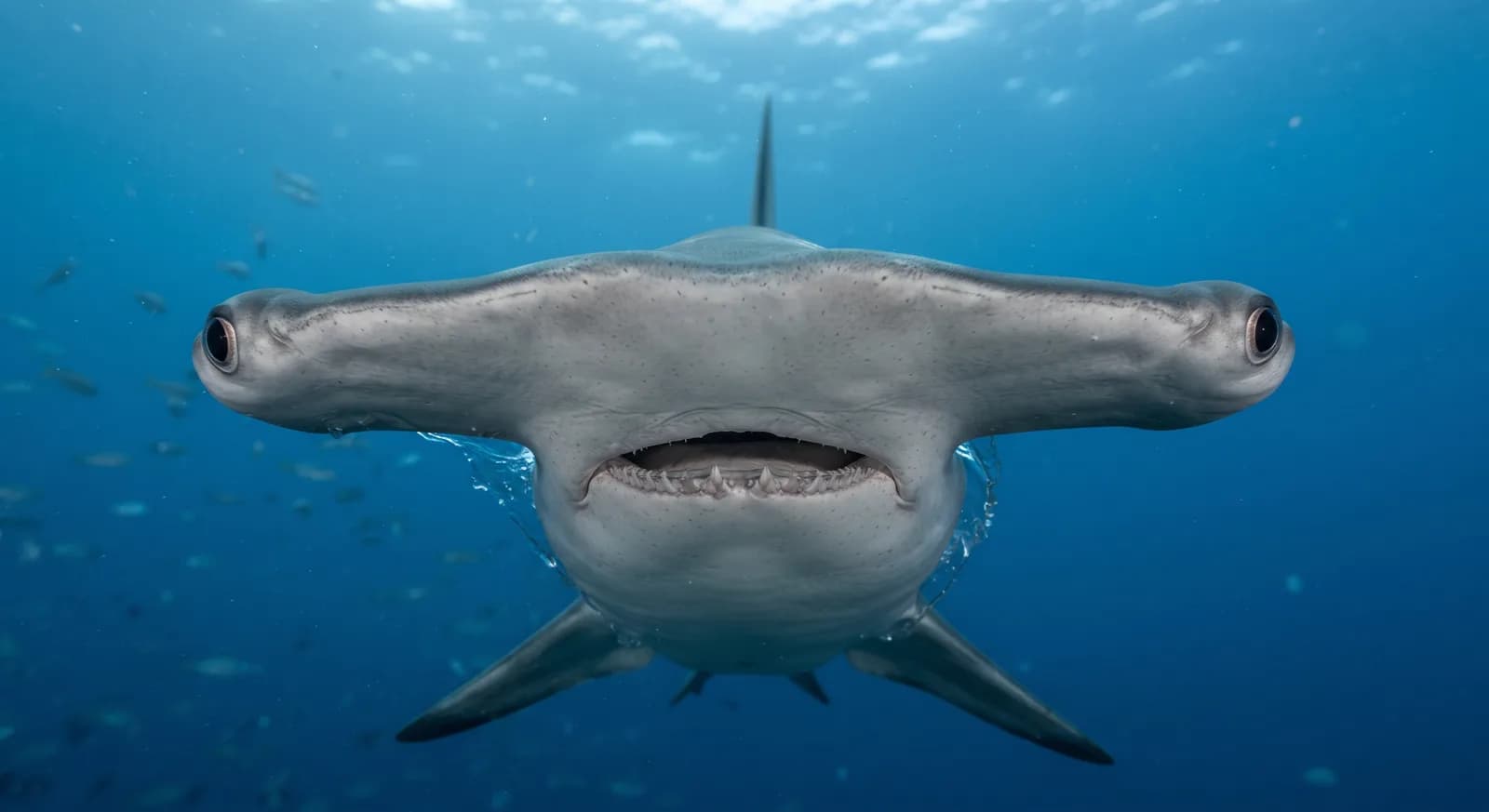
Great HammerheadCritically Endangered

Great Hammerhead

Sphyrna mokarran

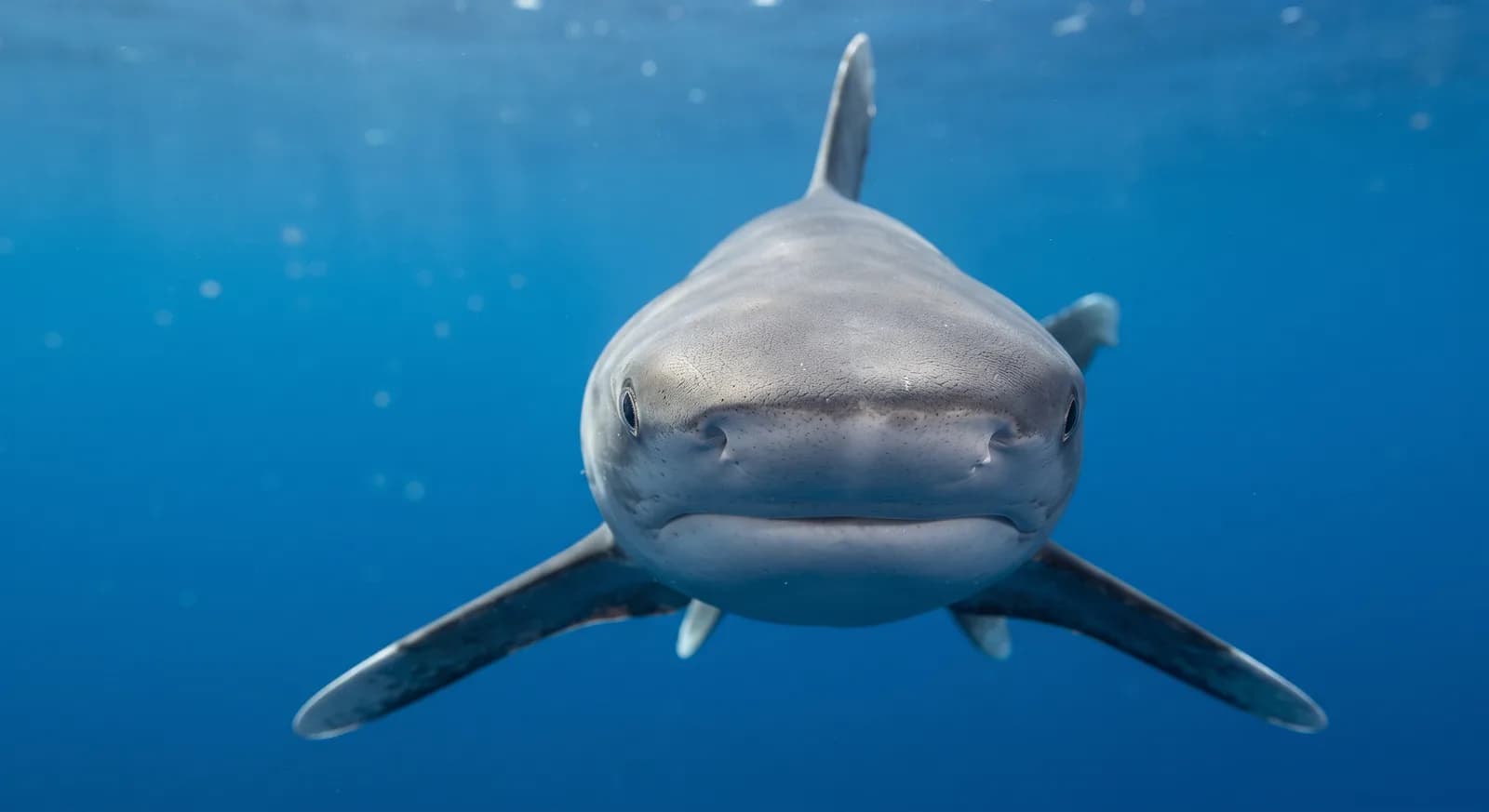
Oceanic Whitetip SharkCritically Endangered

Oceanic Whitetip Shark

Carcharhinus longimanus

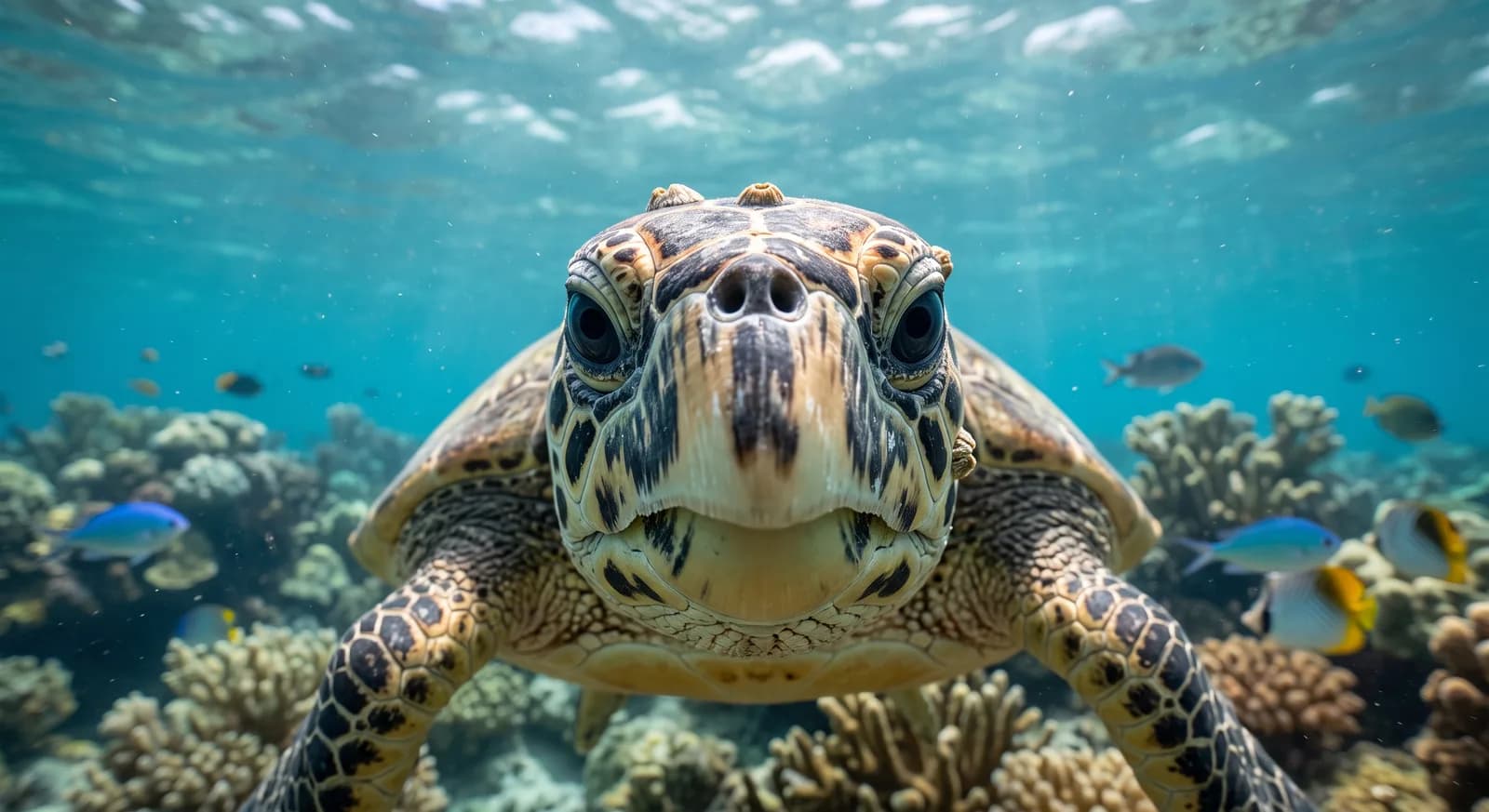
Hawksbill TurtleCritically Endangered

Hawksbill Turtle

Eretmochelys imbricata

Blue WhaleEndangered

Blue Whale

Balaenoptera musculus

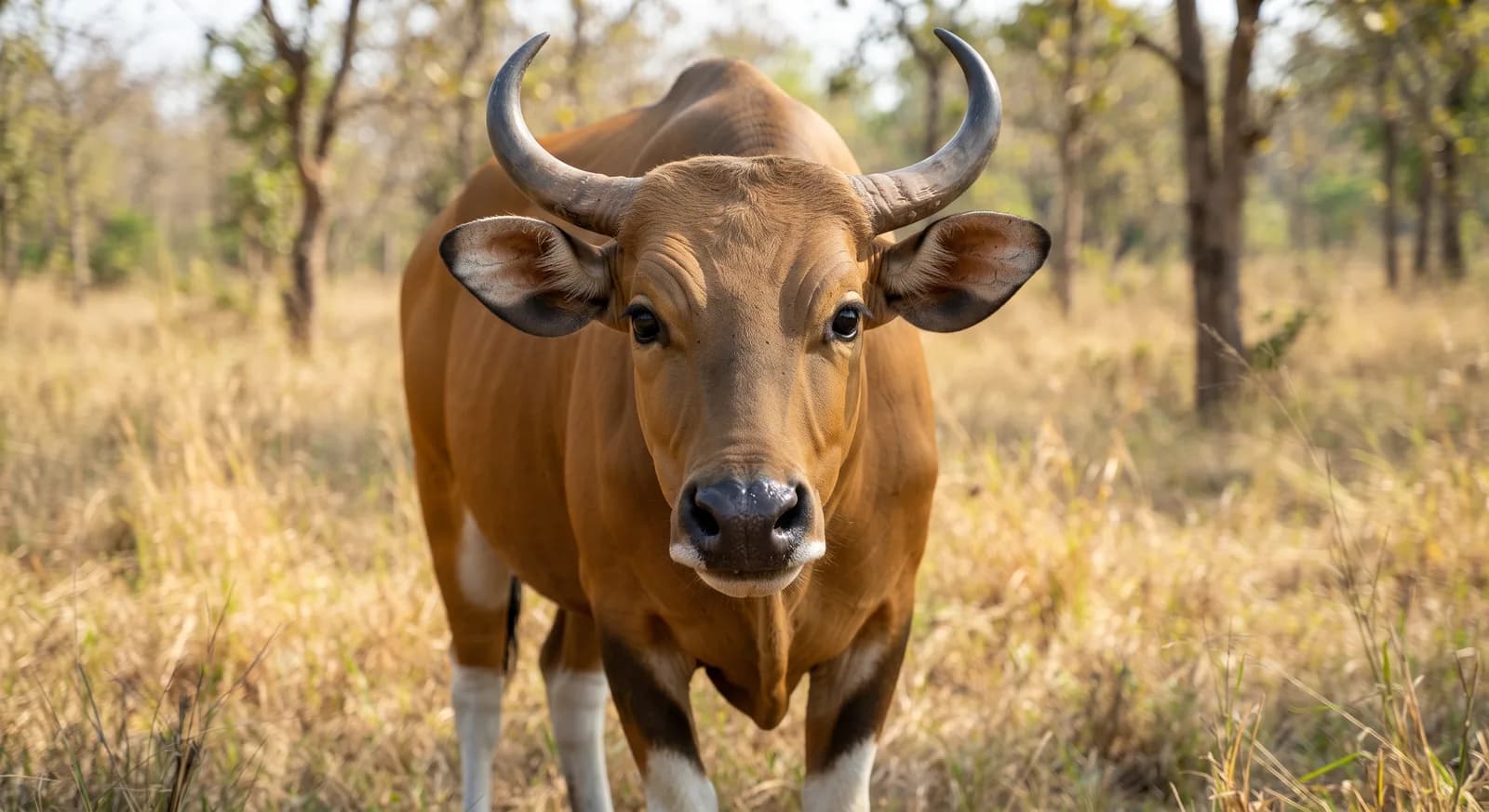
BantengEndangered

Banteng

Bos javanicus

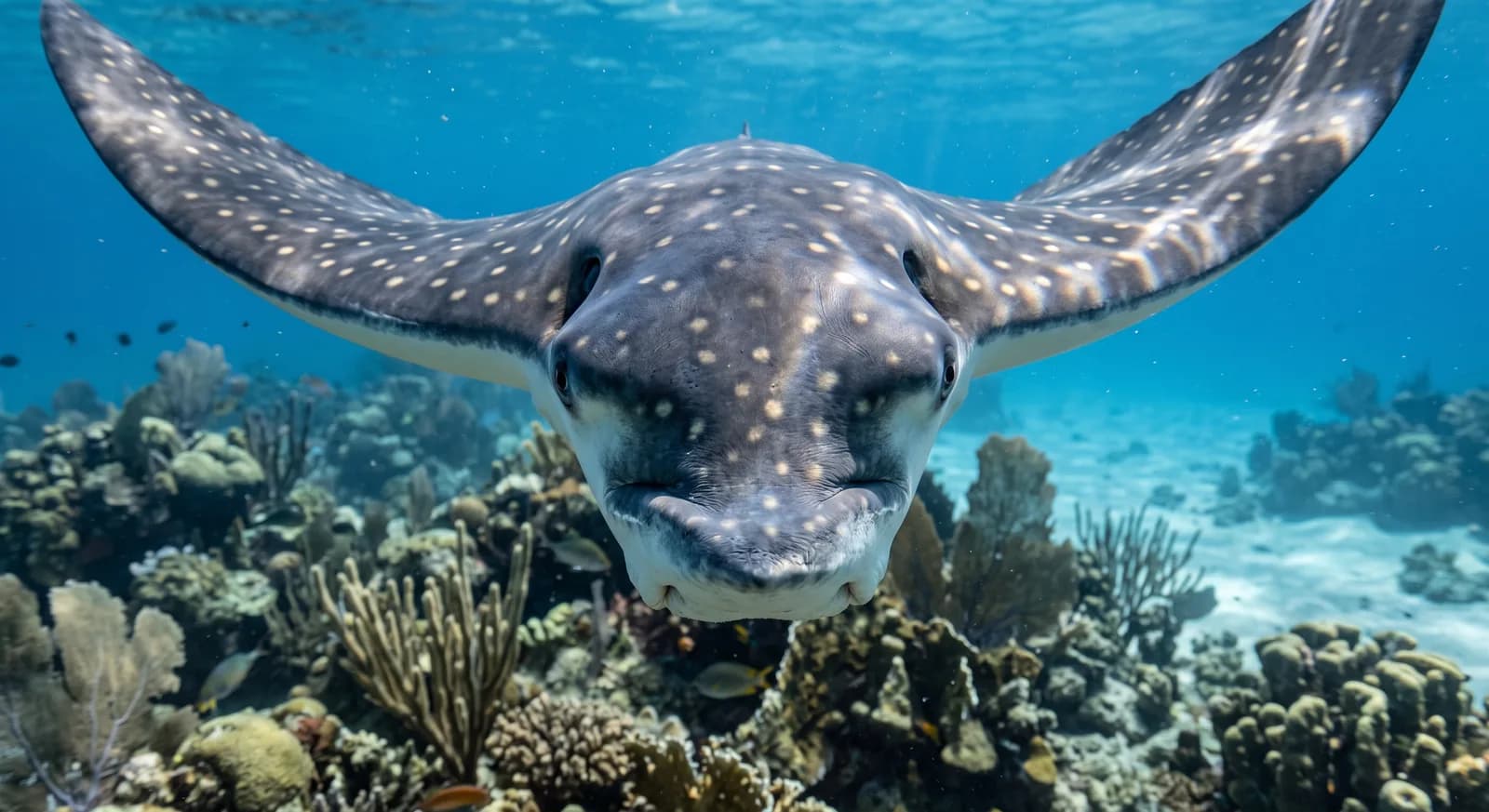
Spotted Eagle RayEndangered

Spotted Eagle Ray

Aetobatus narinari

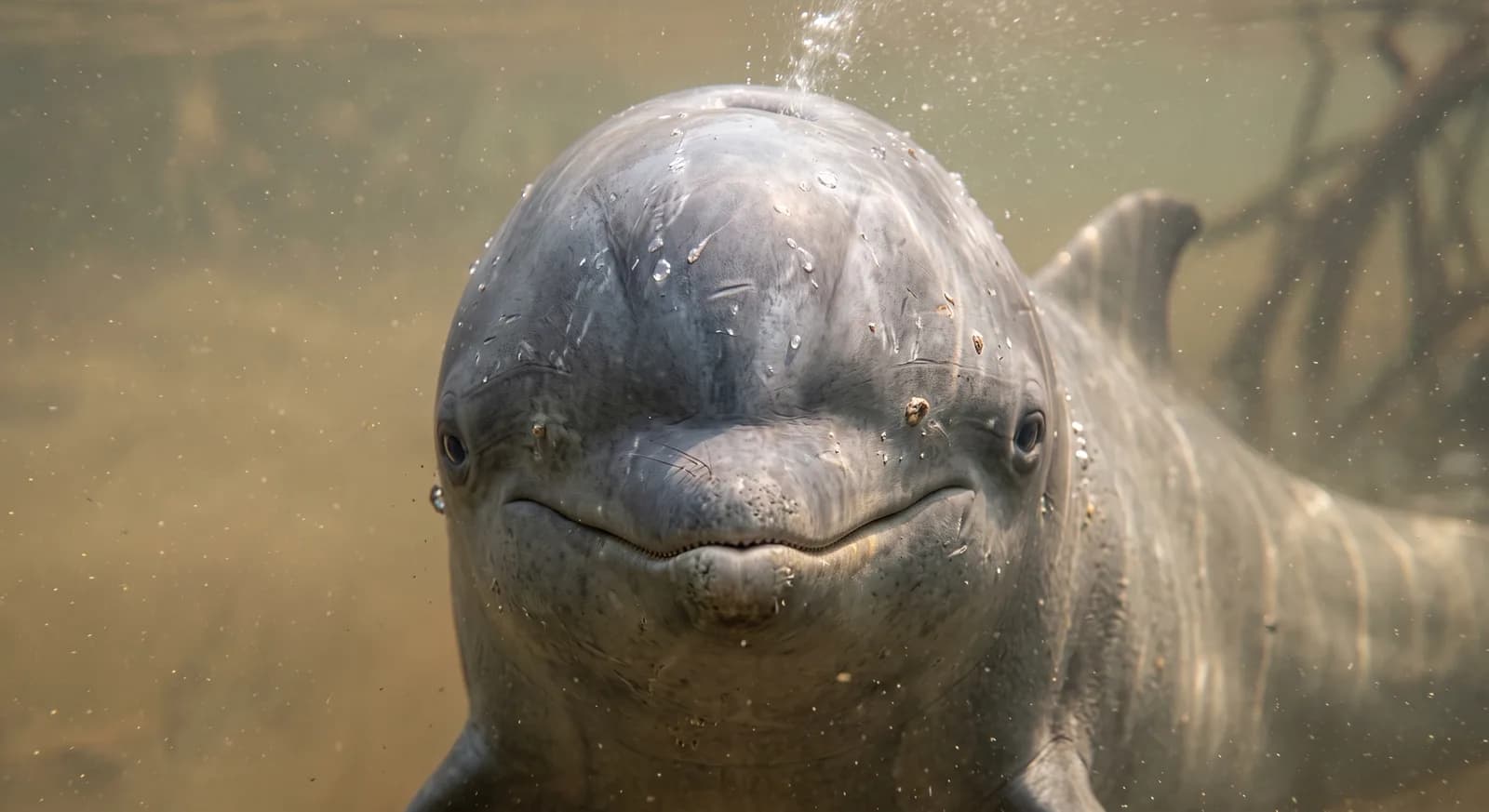
Irrawaddy DolphinEndangered

Irrawaddy Dolphin

Orcaella brevirostris

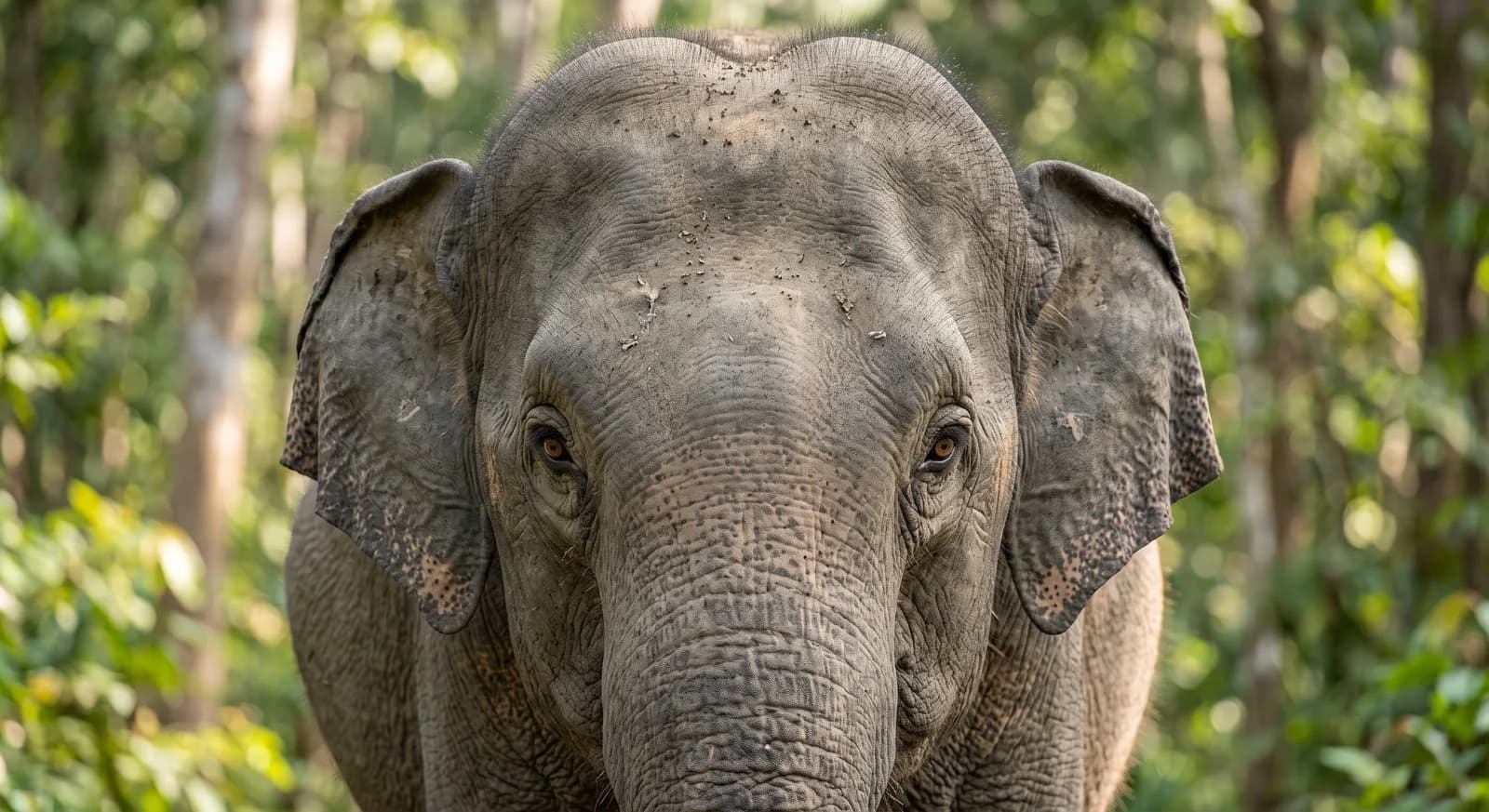
Asian ElephantEndangered

Asian Elephant

Elephas maximus

Page 1 of 22
Rainforest
Mountain
Ocean