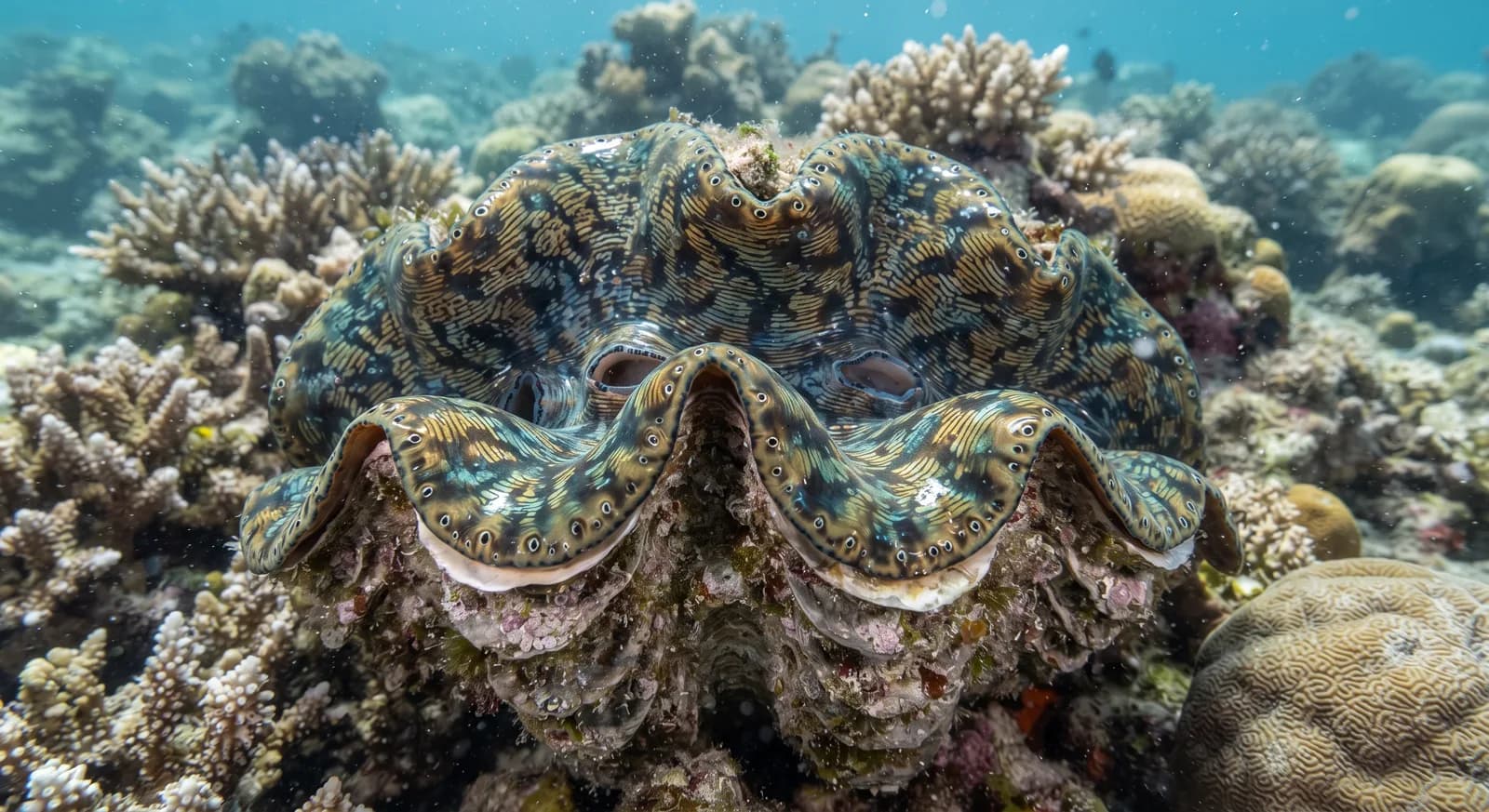
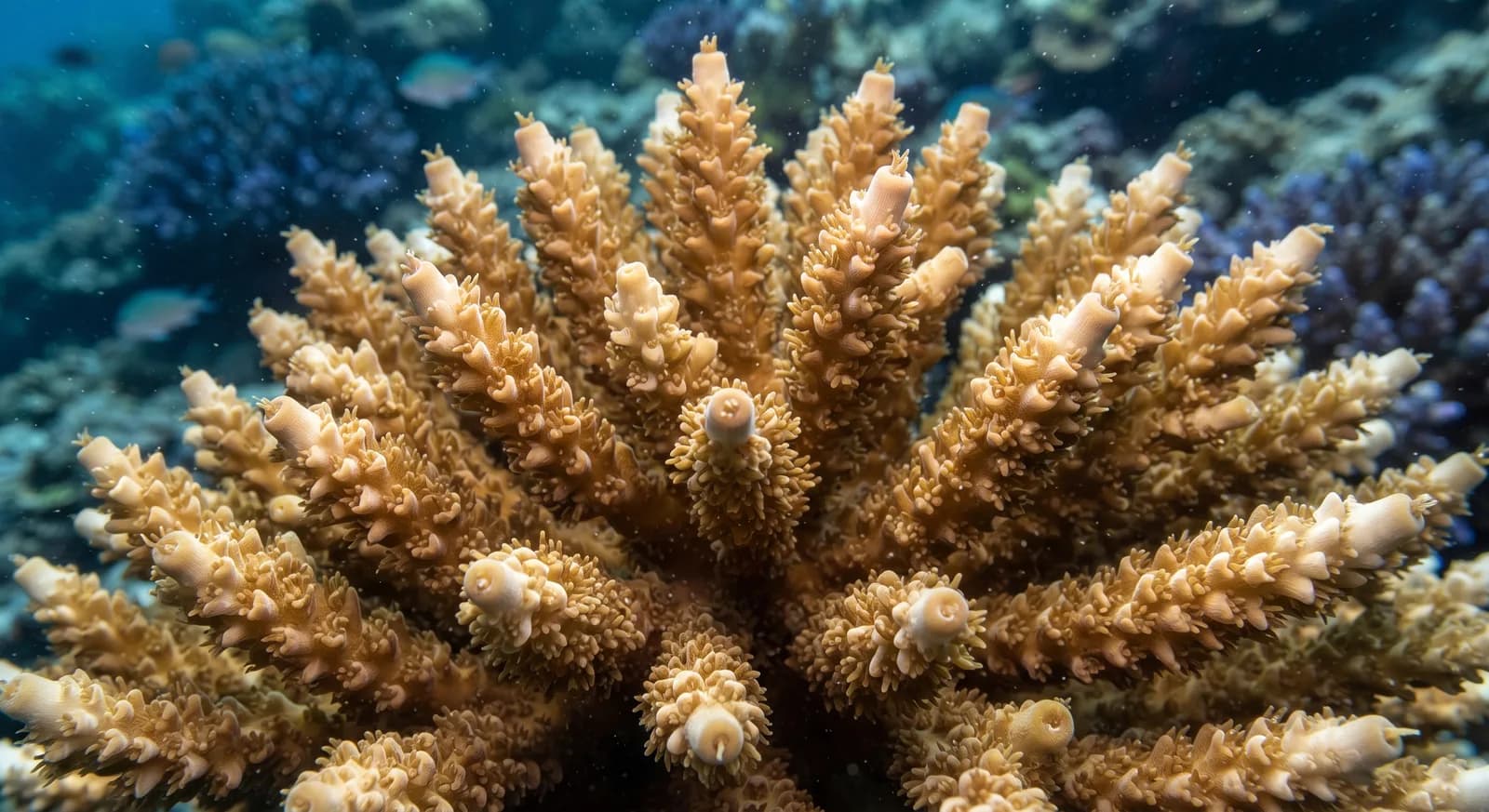
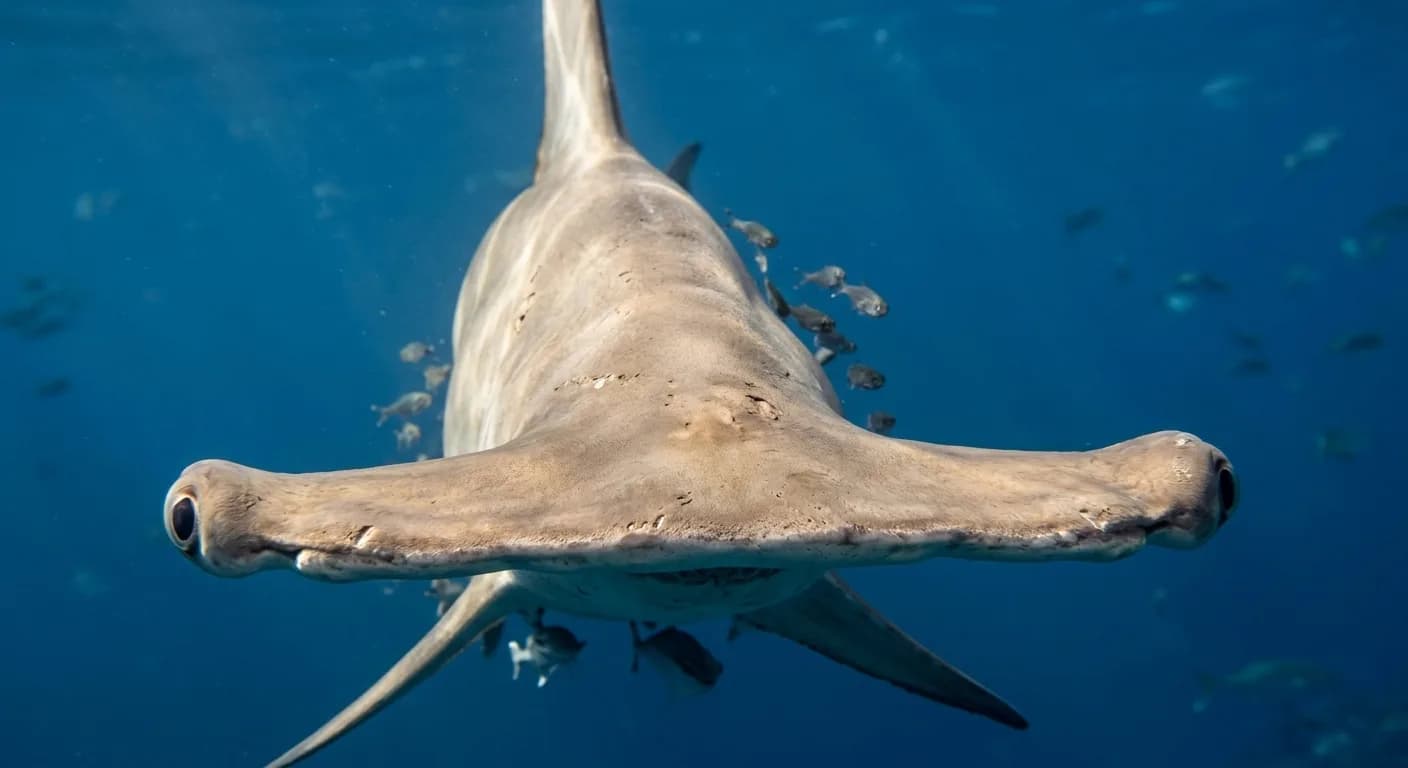
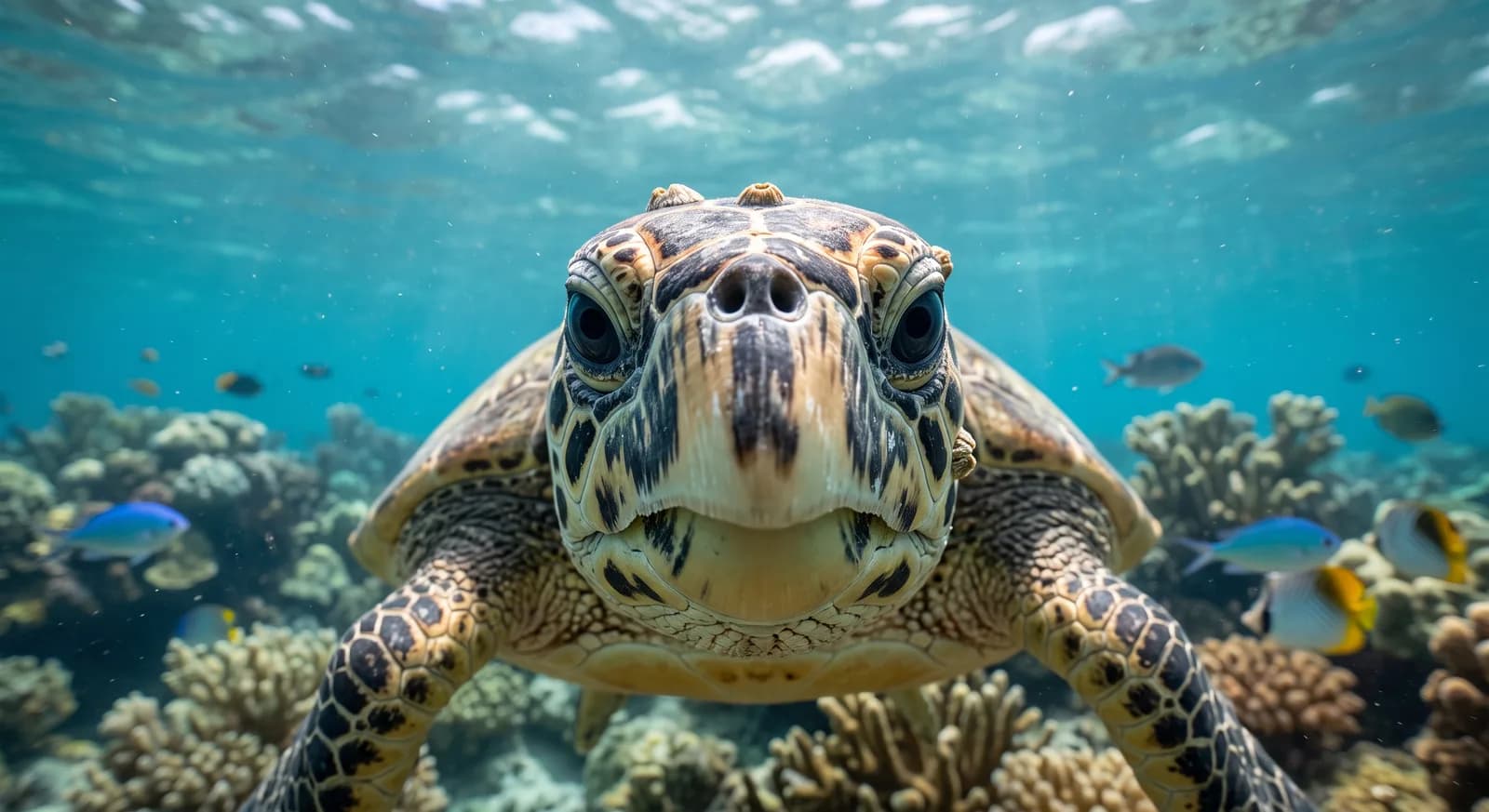
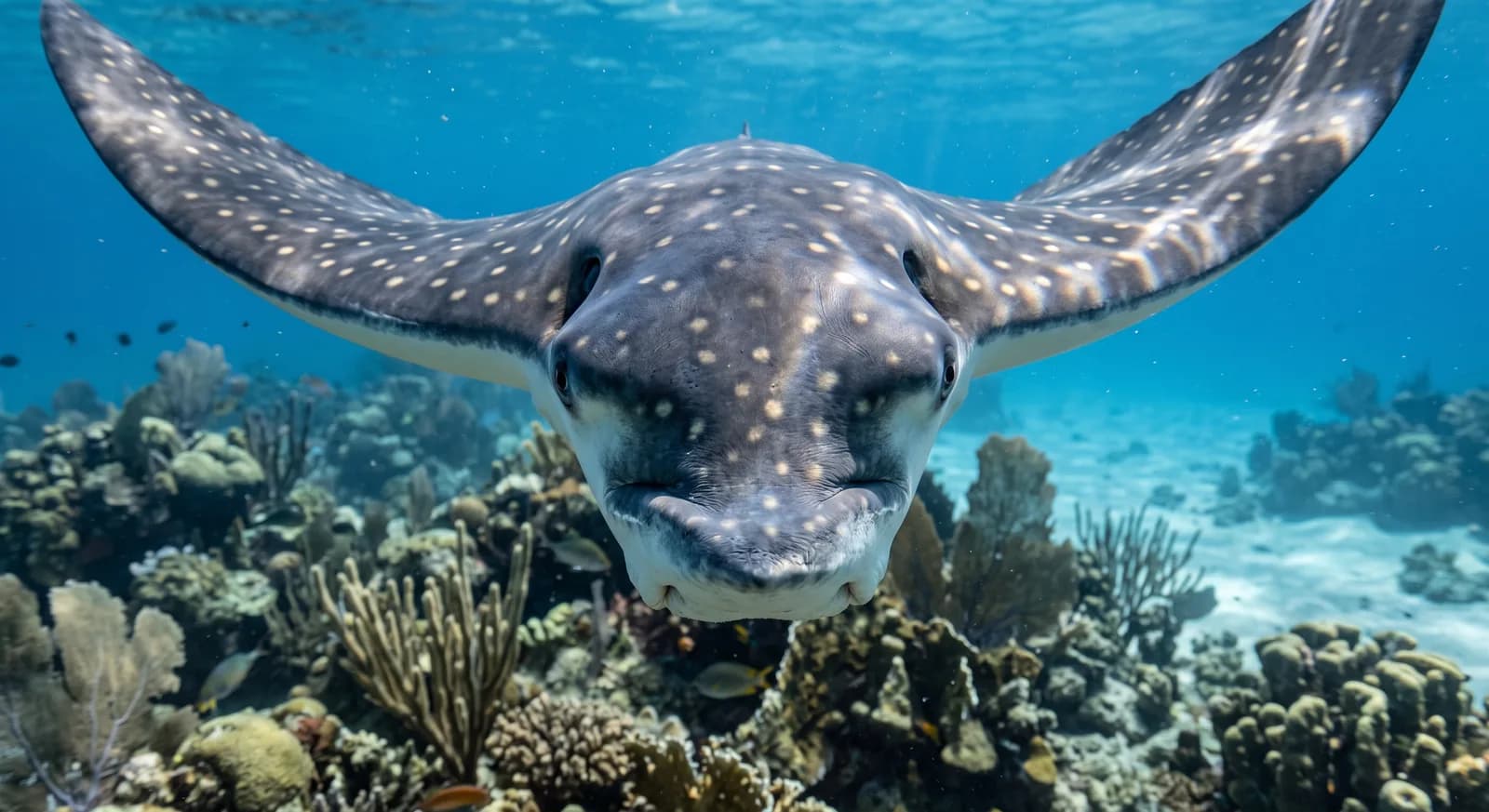
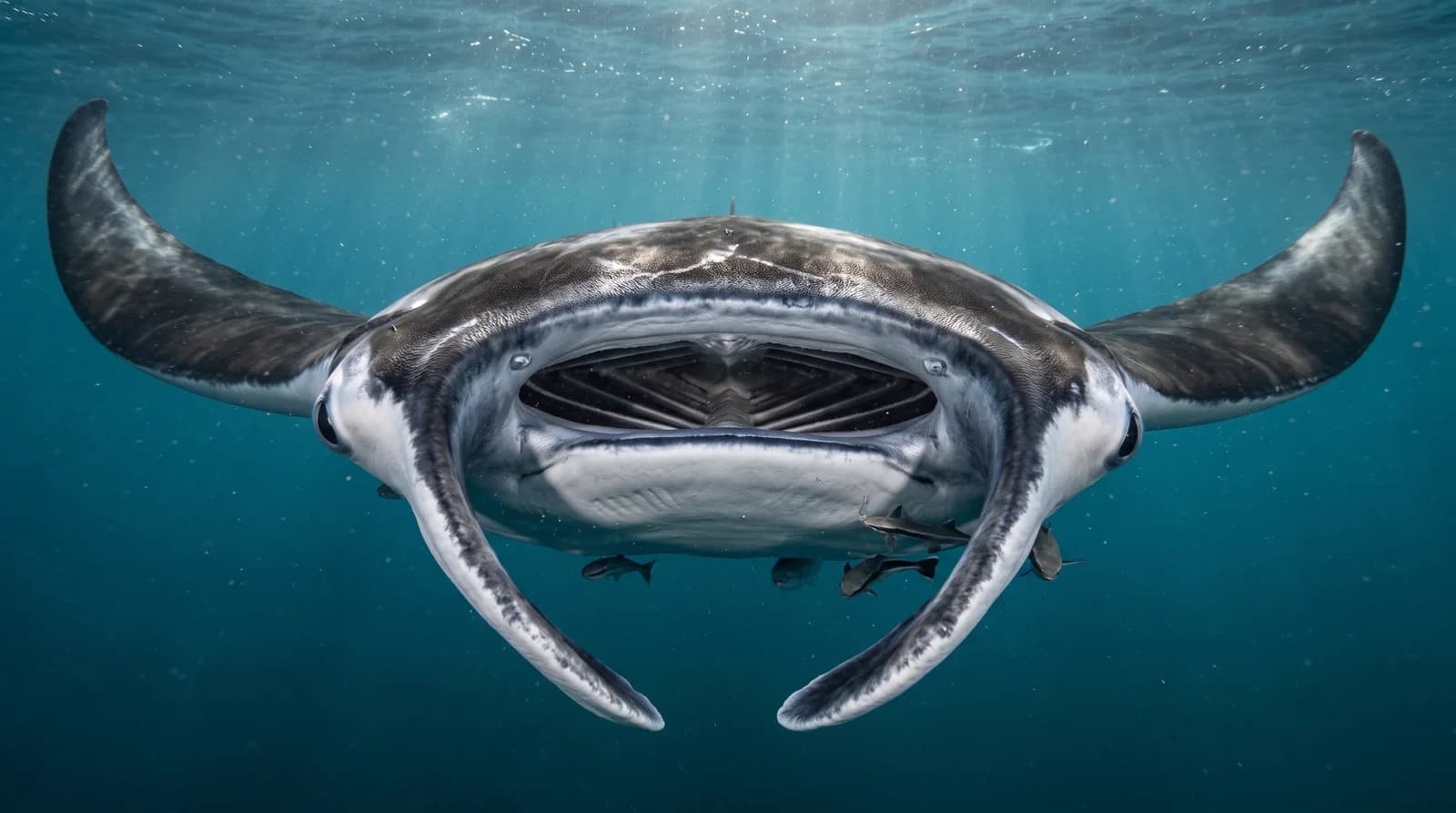
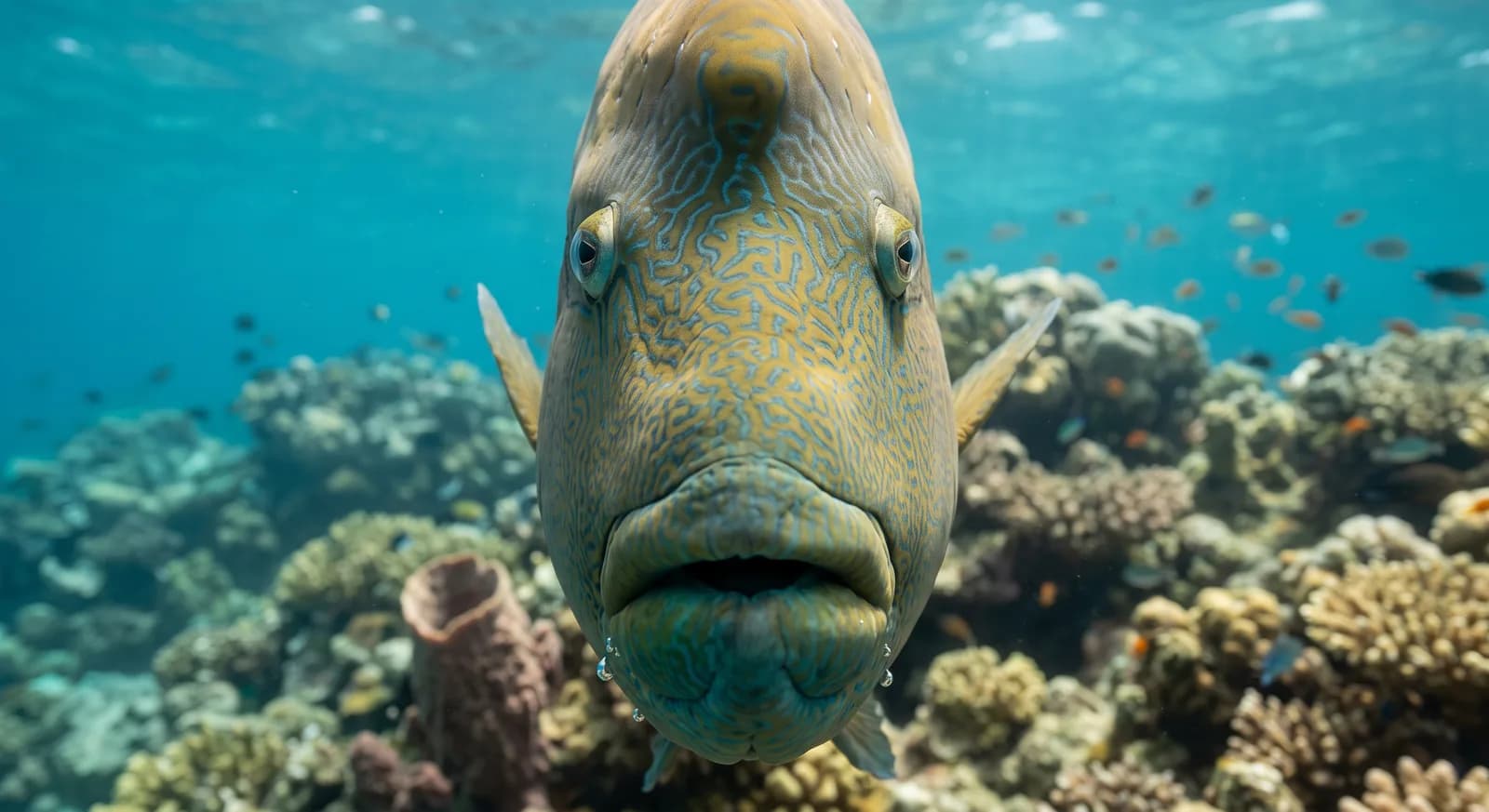
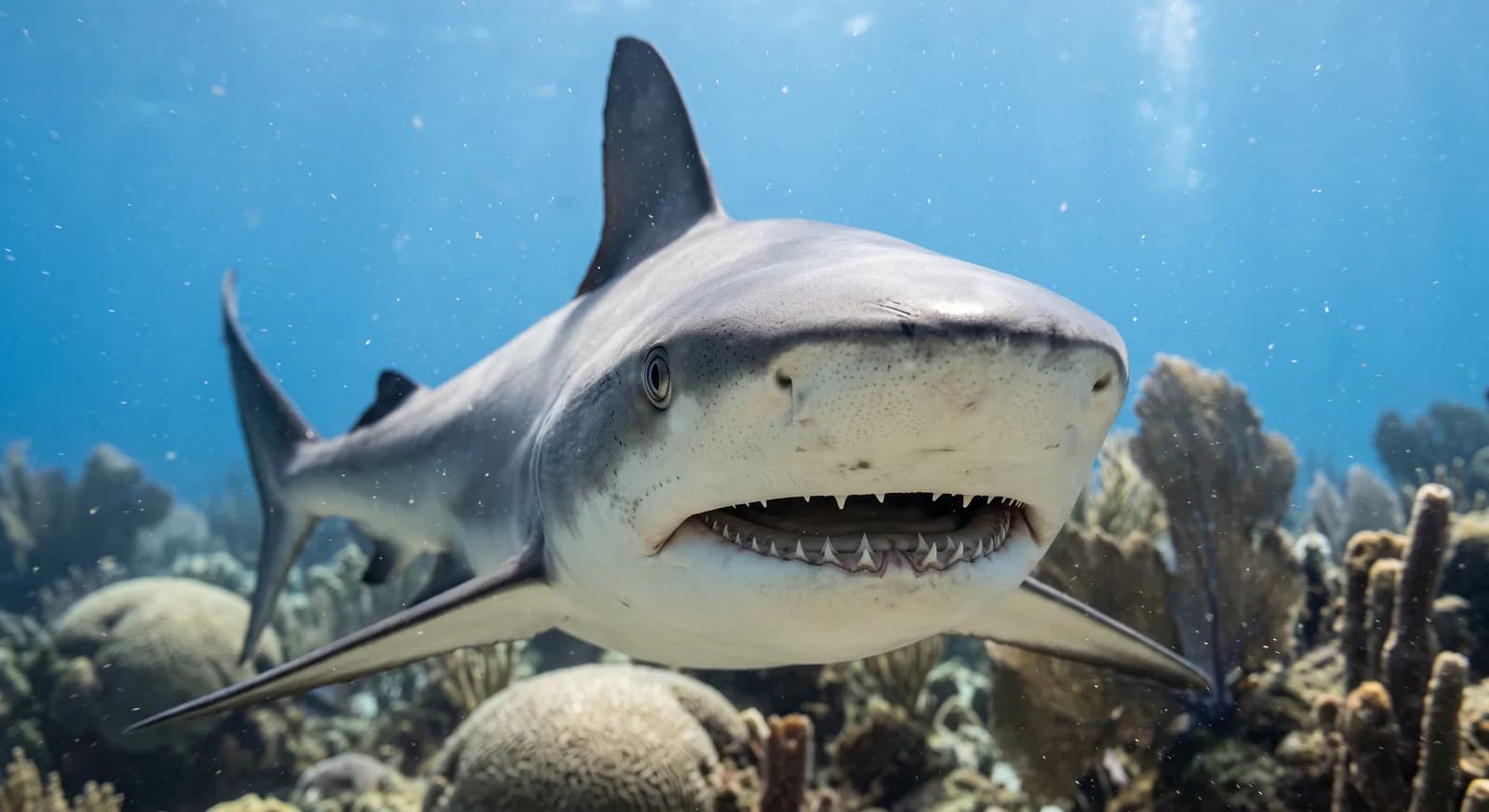
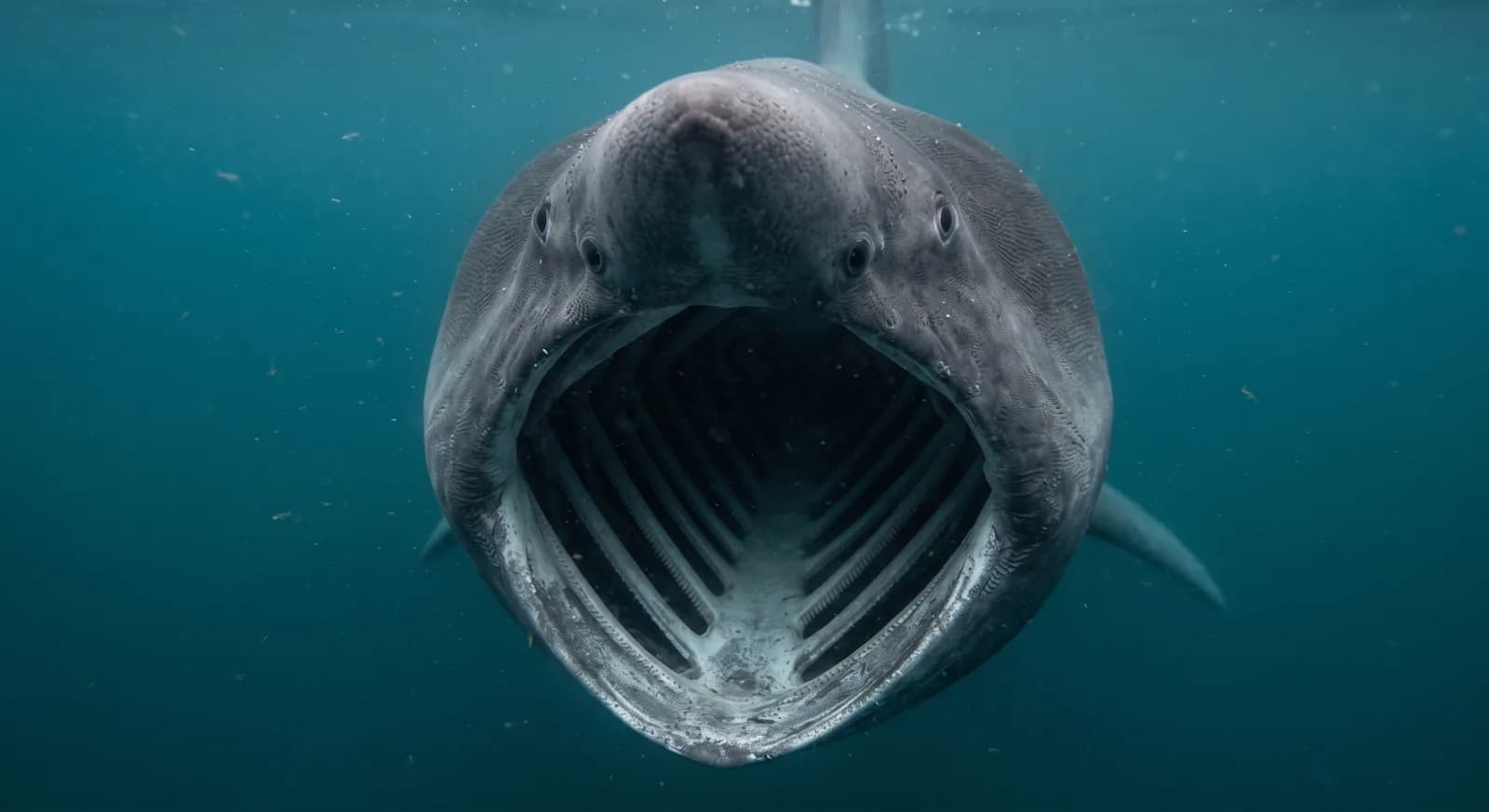
The Maldives is the flattest and lowest-lying country in the world, a string of almost one thousand two hundred coral islands grouped into atolls that stretch across the Indian Ocean for more than eight hundred kilometres. More than ninety-nine per cent of its territory is water, and all its natural life revolves around coral: the reefs build the islands themselves, protect them from the swell and sustain a community of more than a thousand fish species, as well as turtles, reef sharks and rays. There are no rivers and no relief, and the land vegetation is limited to coconut palms, salt-tolerant shrubs and a few mangroves. The channels between atolls funnel plankton-laden currents that draw large filter feeders, which makes these waters one of the best places on the planet to watch mantas and whale sharks.
Nature in the Maldives
National animal: The yellowfin tuna is the national fish; the white-breasted waterhen is the national bird
Did you know?
In Hanifaru bay, in Baa atoll, the coincidence of the lunar tide with the monsoon currents traps plankton inside a tiny inlet. When that happens, hundreds of reef mantas come in to feed and organise themselves into chains and circular formations that spin like a cyclone to concentrate the food, one of the most remarkable displays of animal behaviour in the ocean.
Biodiversity profile
Conservation
The mass bleaching events of 1998 and 2016 killed much of the archipelago's shallow coral and its recovery is tracked as a global indicator. The country maintains one of the largest individual manta identification databases in the world, based on the pattern of spots on the belly.
Where and when to watch wildlife
Hanifaru between May and November for mantas and whale sharks. South Ari year-round for whale sharks. The coral sand beaches between March and November for turtle nesting.
Natural phenomena in the Maldives
Manta ray aggregation at Hanifaru Bay — May to November (peak late July to early October)
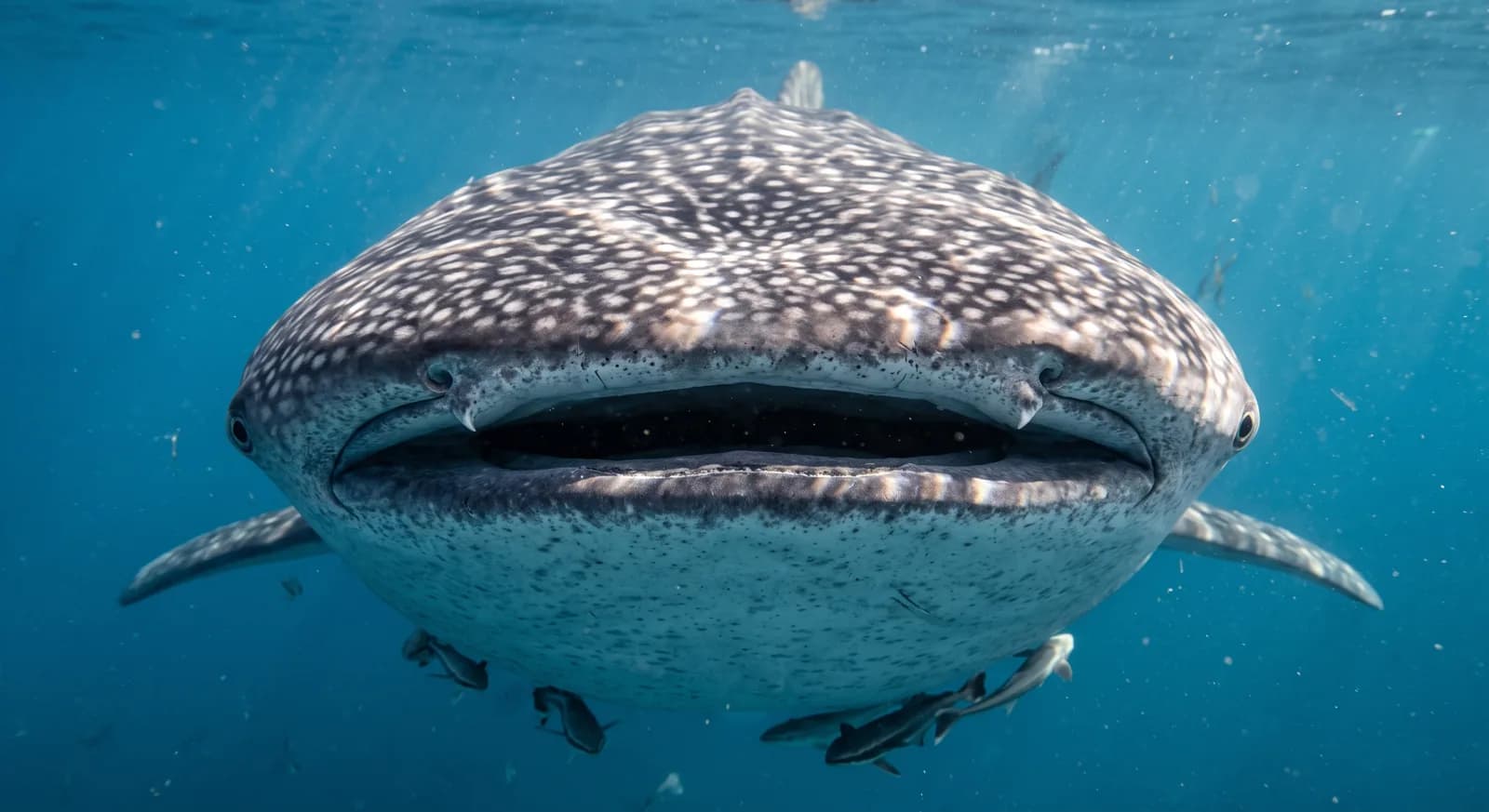 Endangered
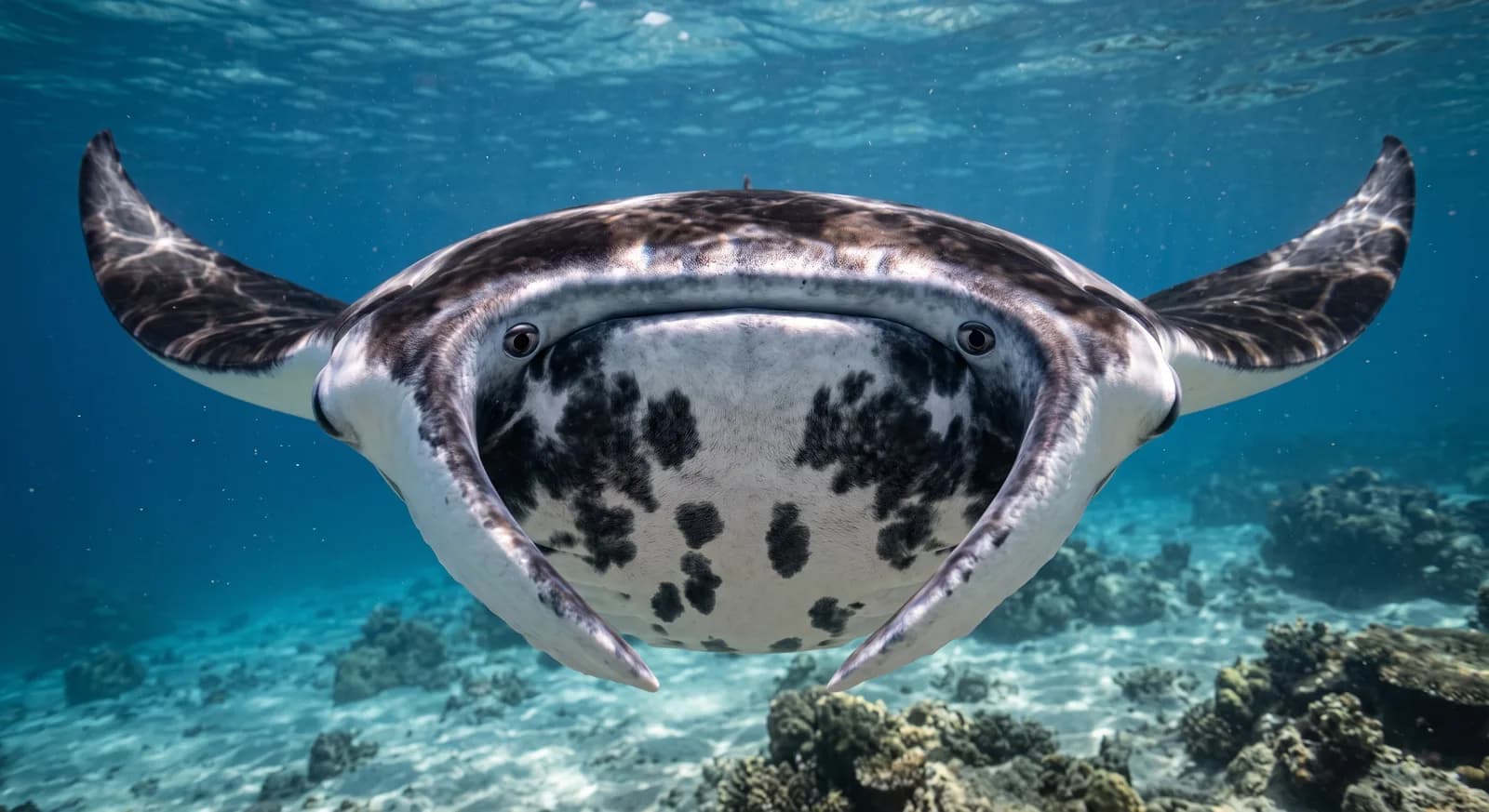 Vulnerable