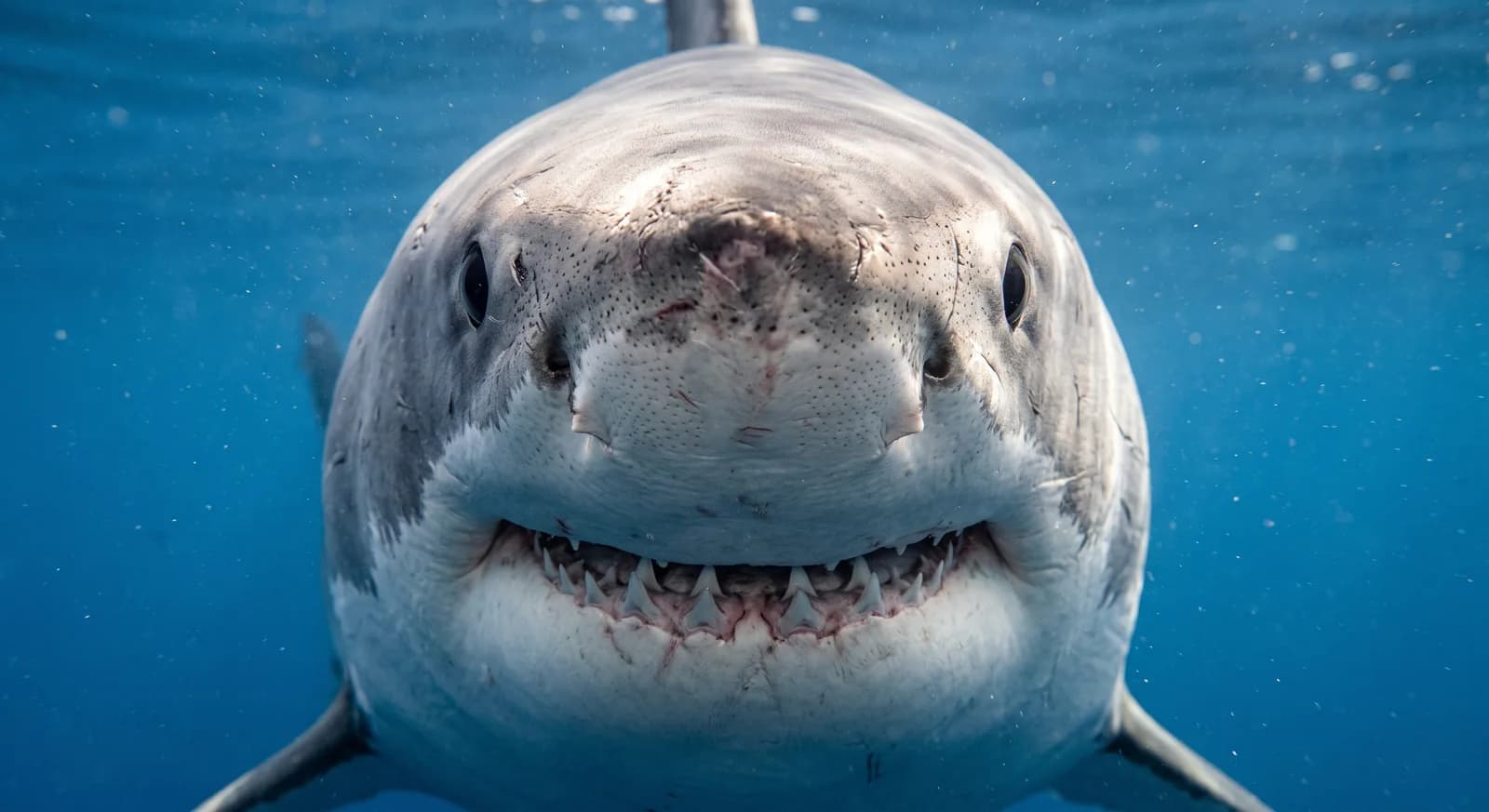
One of the 2 manta rays on WAnimals
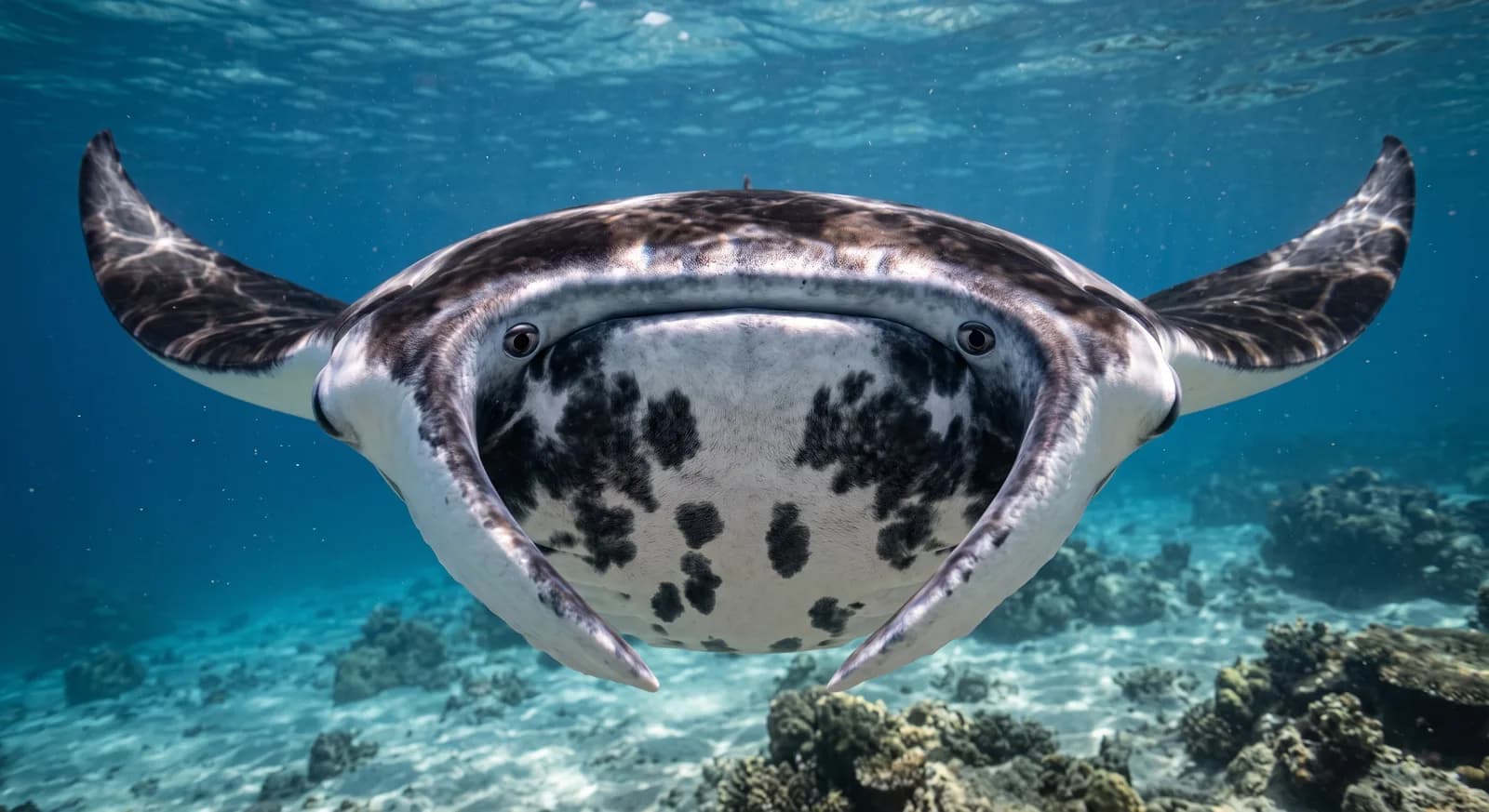
Cartilaginous fish · Myliobatiformes · Mobulidae
Mobula alfredi
At high risk of extinction in the wild over the medium term.
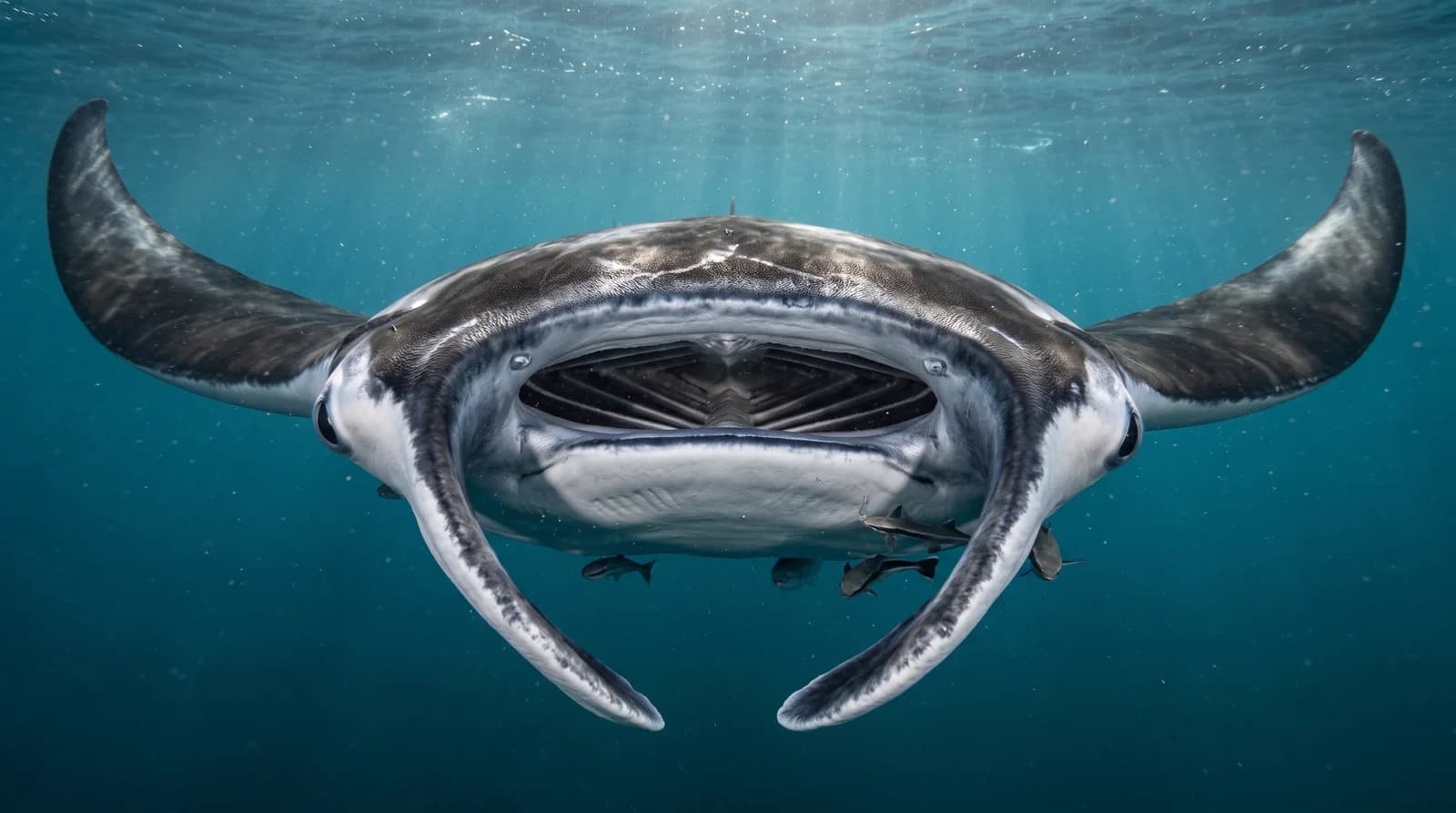
A large ray with a diamond-shaped disc formed by the fused pectoral fins, cephalic lobes on either side of the mouth that funnel water in while filter feeding, and a long tail with no caudal spine. The ventral markings are unique to each individual and work like a fingerprint.
Weight
700 kg on average
Size
3 m – 5.5 m
Life expectancy
45 years
Activity
Diurnal
Active mainly during the day.
Estimated population
No global estimate. Local populations are usually below 1,000 individuals, except in the Maldives, with some 10,000. A global reduction of 30-49% over three generations (about 72 years) is inferred
AI-generated images: illustrations, not photographs.
Sources consulted: IUCN Red List (Marshall et al. 2019, e.T195459A68632178) · Manta Trust · FishBase · Animal Diversity Web · Marshall & Bennett 2010, Journal of Fish Biology 77 · Fisheries Research and Development Corporation (Australia) · Save Our Seas Foundation
Best time: Seasonal aggregations at cleaning stations and feeding grounds; the breeding season is concentrated between October and January
Parks and dive sites where this species has been documented — showing 20 of 176.
Other species in the catalogue with the most in common with Reef Manta Ray — same habitat, park, country, tags or family.
The reef manta ray is classified as vulnerable. Organisations such as the IUCN, WWF and the Wildlife Conservation Society work specifically on its conservation and that of its habitat; looking into their programmes is a good starting point if you want to get involved.
It's documented in 13 protected areas — one reason why protecting these places matters for its conservation.
Based on what we already know about reef manta ray.
The pins mark the parks and dive sites where its presence is documented.