Wildlife you can see now
What is worth looking out for this month in Oman?
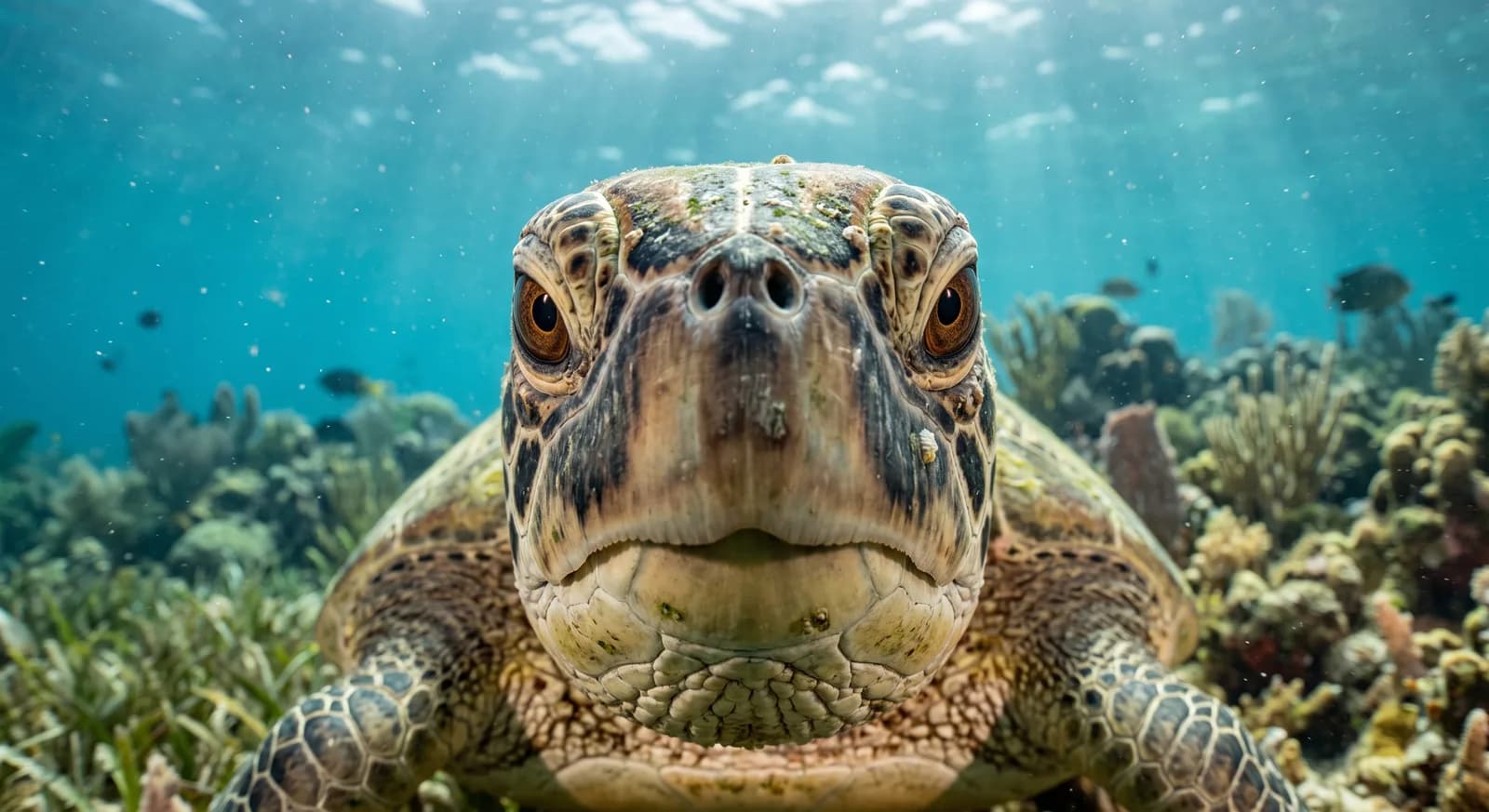 Endangered
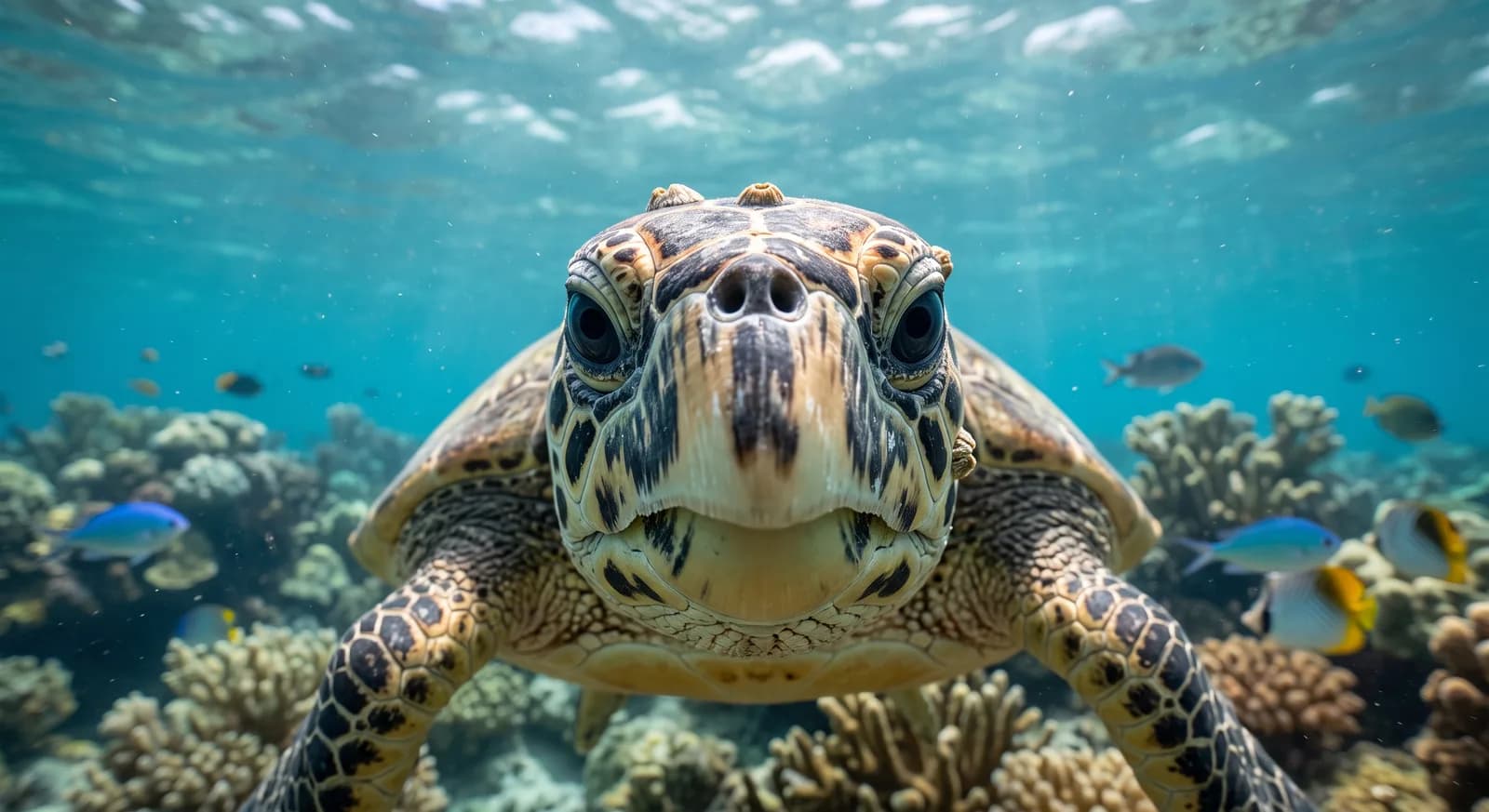
Green Turtle
Chelonia mydas
Now is a good time: Green turtle nesting at Ras Al Jinz (June to October)
Asia
Oman is probably the best-preserved country on the Arabian peninsula in natural terms. The Hajar mountains, to the north, rise above three thousand metres and contain some of the best-exposed ocean-floor rocks in the world, as well as wadis with permanent pools, freshwater turtles and the Arabian tahr. In the south, Dhofar receives the khareef, the southwest monsoon, which between June and September covers its slopes in mist and turns them into green grassland and woodland of baobab and anogeissus in the middle of the desert. The coasts hold one of the greatest concentrations of green turtle nesting in the Indian Ocean, and the sandy bottoms of the Gulf of Masirah sustain seagrass meadows. The desert interior links with the Rub al-Khali, where the Arabian oryx was reintroduced.
National animal: The Arabian oryx, the country's national animal
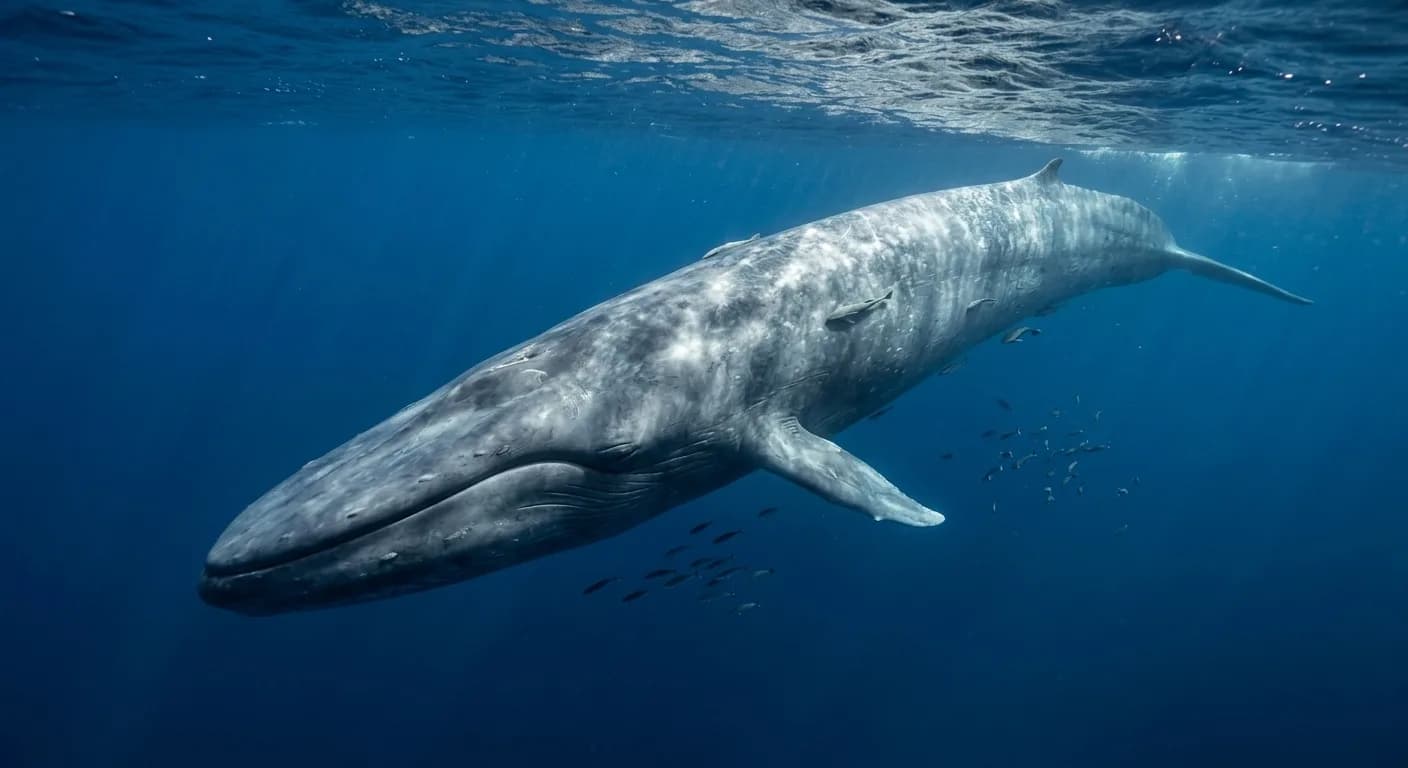
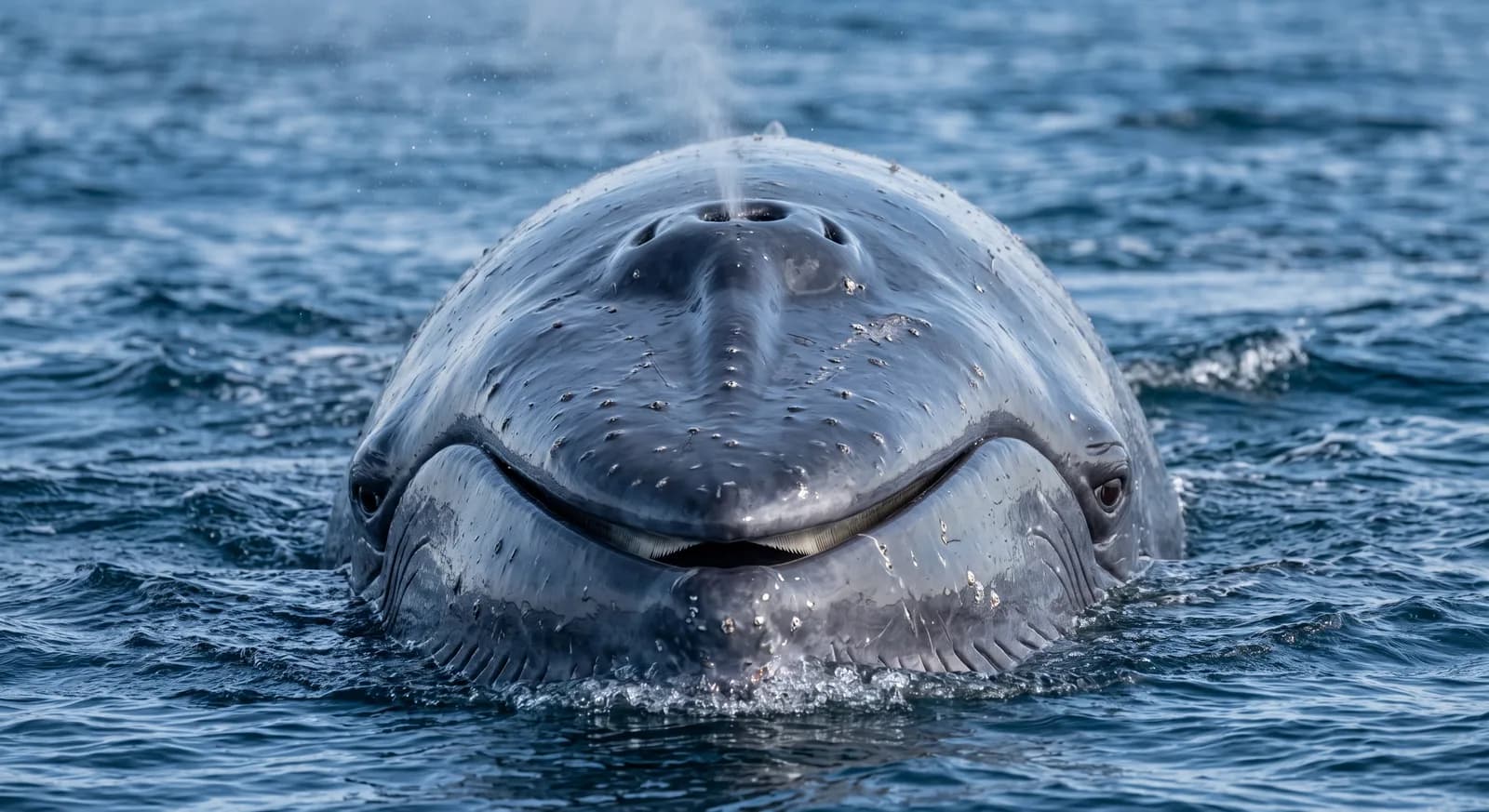
In the Arabian Sea lives the only humpback whale population in the world that does not migrate. It has been genetically isolated for some seventy thousand years and, instead of travelling thousands of kilometres between cold and warm waters like the rest of the species, it stays year-round off the coast of Oman, making use of the nutrient upwelling driven by the monsoon. Fewer than a hundred individuals are thought to remain, which makes it one of the most endangered whale populations on the planet.
The Arabian Oryx Sanctuary was the first place in history to be removed from the World Heritage list, in 2007, after its area was cut back drastically and the oryx population collapsed. The country has maintained breeding and monitoring programmes ever since.
Ras al Jinz year-round, peaking between June and September, for green turtle nesting. Dhofar between July and September during the monsoon. The Daymaniyat islands in summer for whale sharks and reefs.
What is worth looking out for this month in Oman?
EndangeredGreen Turtle
Chelonia mydas
Now is a good time: Green turtle nesting at Ras Al Jinz (June to October)
195 species found
Based on what we already know about Oman.