Skip to content
WAnimals
  • Map
  • Species
  • Parks
  • Diving
Log inCreate account
WAnimals

The guide for travellers and animal lovers: discover, plan and share your wild adventures around the world.

Discover wildlife

  • Species
  • Ecosystems
  • Glossary
  • Tags

Explore places

  • Map
  • Countries
  • Parks
  • Diving

Plan experiences

  • Guides

Learn

  • Blog

Resources

  • Help centre
  • Contact
  • Install the app

Follow us

Account

  • Log in
  • Create account

© 2026 WAnimals. All rights reserved.

About usHow we build our profilesTerms of servicePrivacyLegal notice
MapSpeciesParksDiving
  1. Home
  2. countries
  3. Maldives

Maldives

Asia

132

Documented species

1

Parks and reserves

7

Dive sites

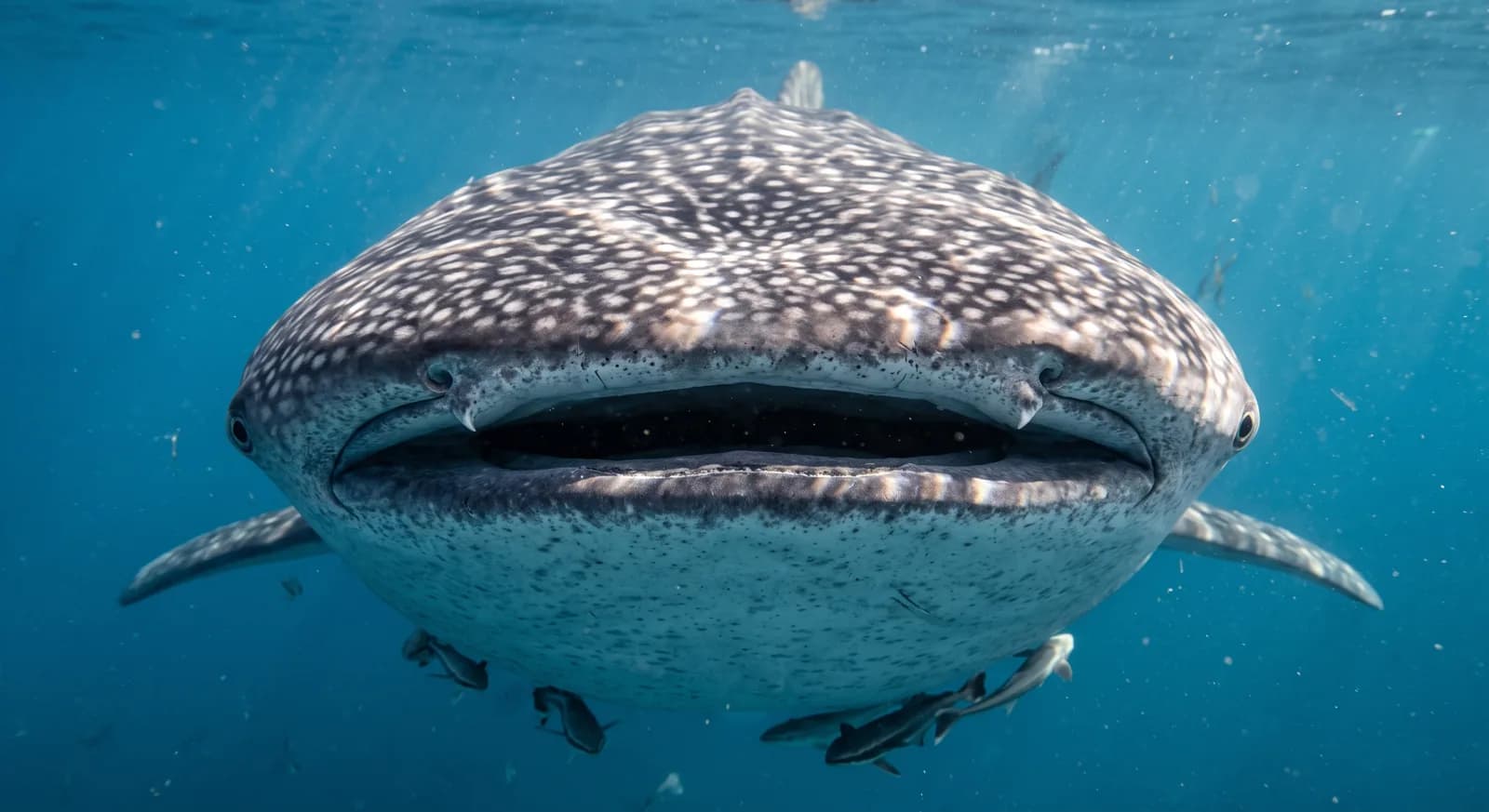
The Maldives is the flattest and lowest-lying country in the world, a string of almost one thousand two hundred coral islands grouped into atolls that stretch across the Indian Ocean for more than eight hundred kilometres. More than ninety-nine per cent of its territory is water, and all its natural life revolves around coral: the reefs build the islands themselves, protect them from the swell and sustain a community of more than a thousand fish species, as well as turtles, reef sharks and rays. There are no rivers and no relief, and the land vegetation is limited to coconut palms, salt-tolerant shrubs and a few mangroves. The channels between atolls funnel plankton-laden currents that draw large filter feeders, which makes these waters one of the best places on the planet to watch mantas and whale sharks.

Nature in the Maldives

National animal: The yellowfin tuna is the national fish; the white-breasted waterhen is the national bird

Did you know?

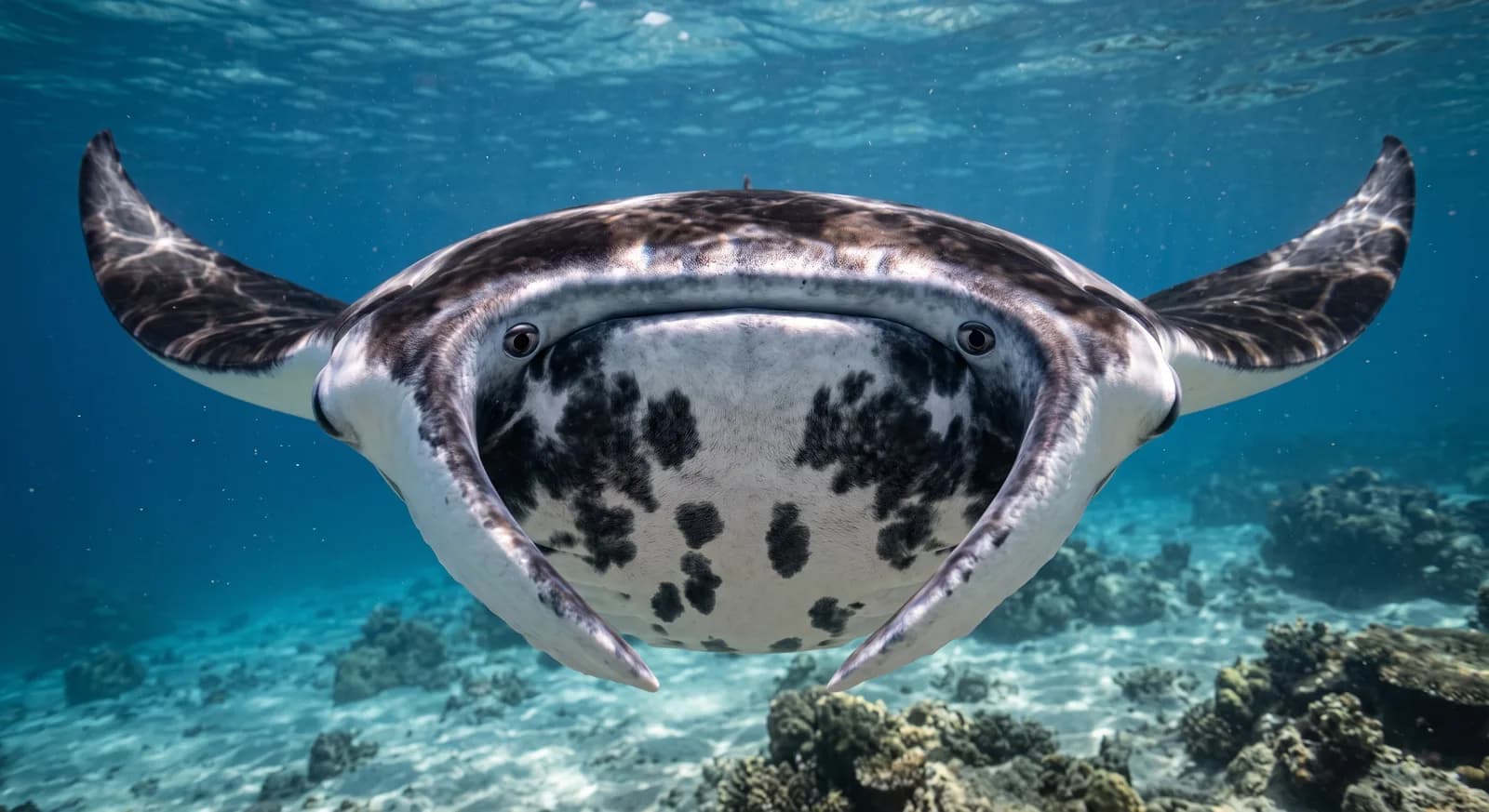
In Hanifaru bay, in Baa atoll, the coincidence of the lunar tide with the monsoon currents traps plankton inside a tiny inlet. When that happens, hundreds of reef mantas come in to feed and organise themselves into chains and circular formations that spin like a cyclone to concentrate the food, one of the most remarkable displays of animal behaviour in the ocean.

Biodiversity profile

Conservation

The mass bleaching events of 1998 and 2016 killed much of the archipelago's shallow coral and its recovery is tracked as a global indicator. The country maintains one of the largest individual manta identification databases in the world, based on the pattern of spots on the belly.

Where and when to watch wildlife

Hanifaru between May and November for mantas and whale sharks. South Ari year-round for whale sharks. The coral sand beaches between March and November for turtle nesting.

Natural phenomena in the Maldives

  • Manta ray aggregation at Hanifaru Bay — May to November (peak late July to early October)
Parks and reserves

Biosphere Reserve

Baa Atoll Biosphere Reserve

An atoll famous for Hanifaru Bay, where manta rays and whale sharks gather in large numbers to feed.

See park

Diving and snorkelling

Feeding bay

Baa Atoll (Hanifaru Bay)

A funnel-shaped dead-end bay some 1,300 m long that acts as a scoop, gathering the plankton rising from deep water. The combination of that shape, the south-west monsoon current and the lunar tide concentrates a plankton soup that draws the manta rays in.

See dive site
Reef/Pelagic

Ari Atoll

One of the most famous atolls in the Maldives for swimming with whale sharks on a regular basis.

See dive site
Pelagic plateau / Shark encounter

Fuvahmulah (Tiger Harbour)

Fuvahmulah is a unique island-atoll: it has no lagoon and no surrounding reef, so the drop into the open ocean begins right at the shore. Tiger Harbour, the horseshoe-shaped plateau at the harbour mouth, is dived between 5 and 10 m and is the site that has made the island famous for its tiger shark encounters. Beyond it, the plateaus and ledges to the south and east run to 40 m or more before falling away, with thresher shark cleaning stations and a constant passage of pelagics.

See dive site
Cleaning station

North Male Atoll (HP Reef)

HP Reef, a pinnacle in a protected marine area, with strong currents and with overhangs and caves covered in soft corals.

See dive site
Wall/Pelagic

Rasdhoo Atoll (Madivaru)

One of the few places in the Maldives with regular hammerhead shark sightings in deep water at dawn.

See dive site
Bioluminescence phenomenon

Vaadhoo (bioluminescent tides)

An island famous for the "Sea of Stars" phenomenon, where bioluminescent plankton lights up the waves at night.

See dive site
Pinnacle/Wall

Vaavu Atoll (Fish Head)

One of the first protected sites in the Maldives (since 1990), with the country's greatest concentration of grey reef sharks.

See dive site

Wildlife you can see now

What is worth looking out for this month in the Maldives?

Whale SharkEndangered

Whale Shark

Rhincodon typus

Now is a good time: Manta ray aggregation at Hanifaru Bay (May to November (peak late July to early October))

Reef Manta RayVulnerable

Reef Manta Ray

Mobula alfredi

Now is a good time: Manta ray aggregation at Hanifaru Bay (May to November (peak late July to early October))

Similar countries

Where else might I want to travel?

Sri Lanka

Same region: South Asia

Bangladesh

Same region: South Asia

India

Same region: South Asia

Nepal

Same region: South Asia

Species documented in the Maldives

Filter
Class
Family
Habitat
Diet
Conservation

132 species found

Related guides

  • Fish in the Maldives7 species

Keep exploring

Based on what we already know about Maldives.

ParkBaa Atoll Biosphere ReserveDivingBaa Atoll (Hanifaru Bay)

Explore on the map

Interactive map

This page in other languages: Español · Deutsch · Français · Português · Italiano
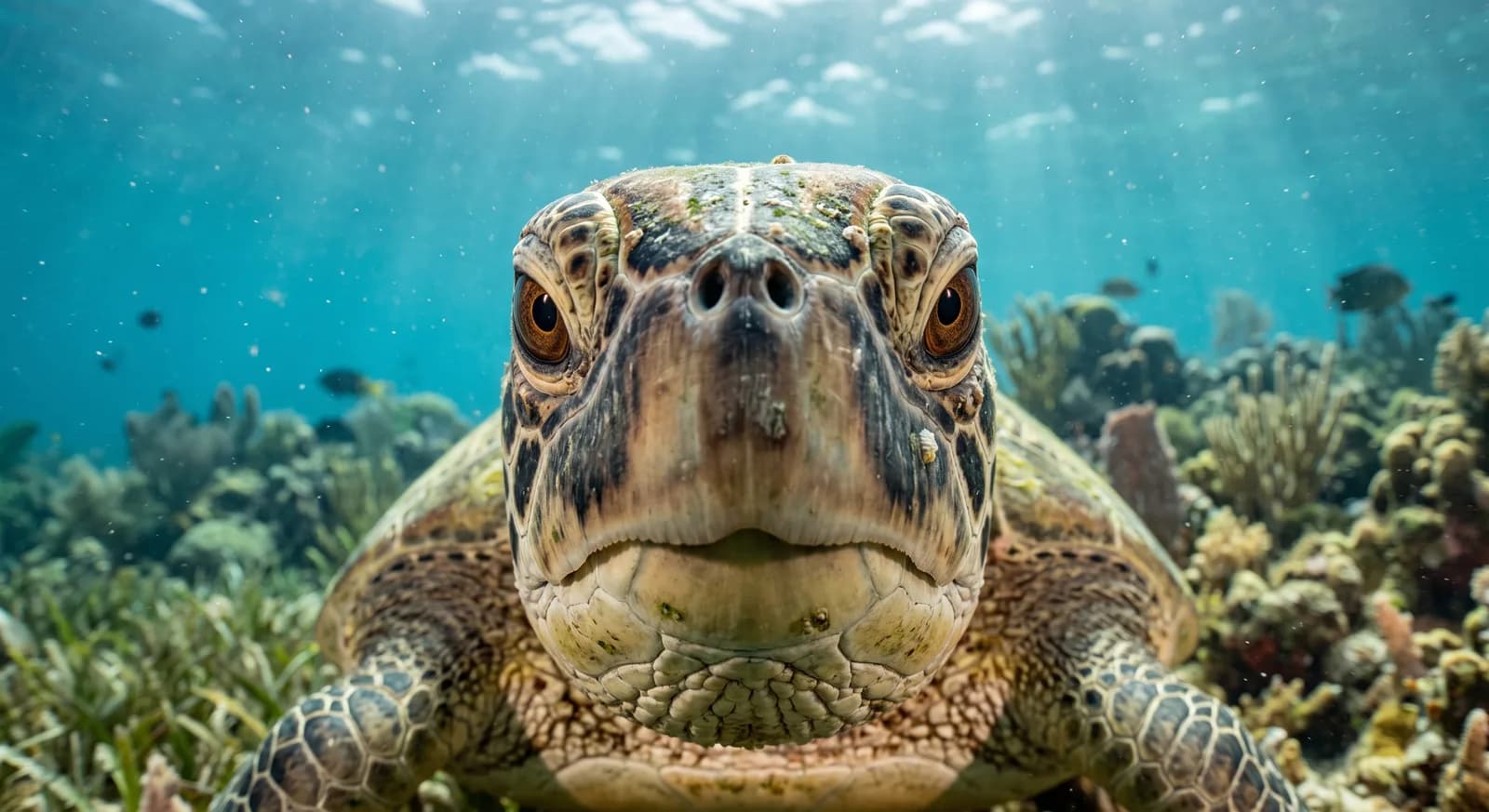
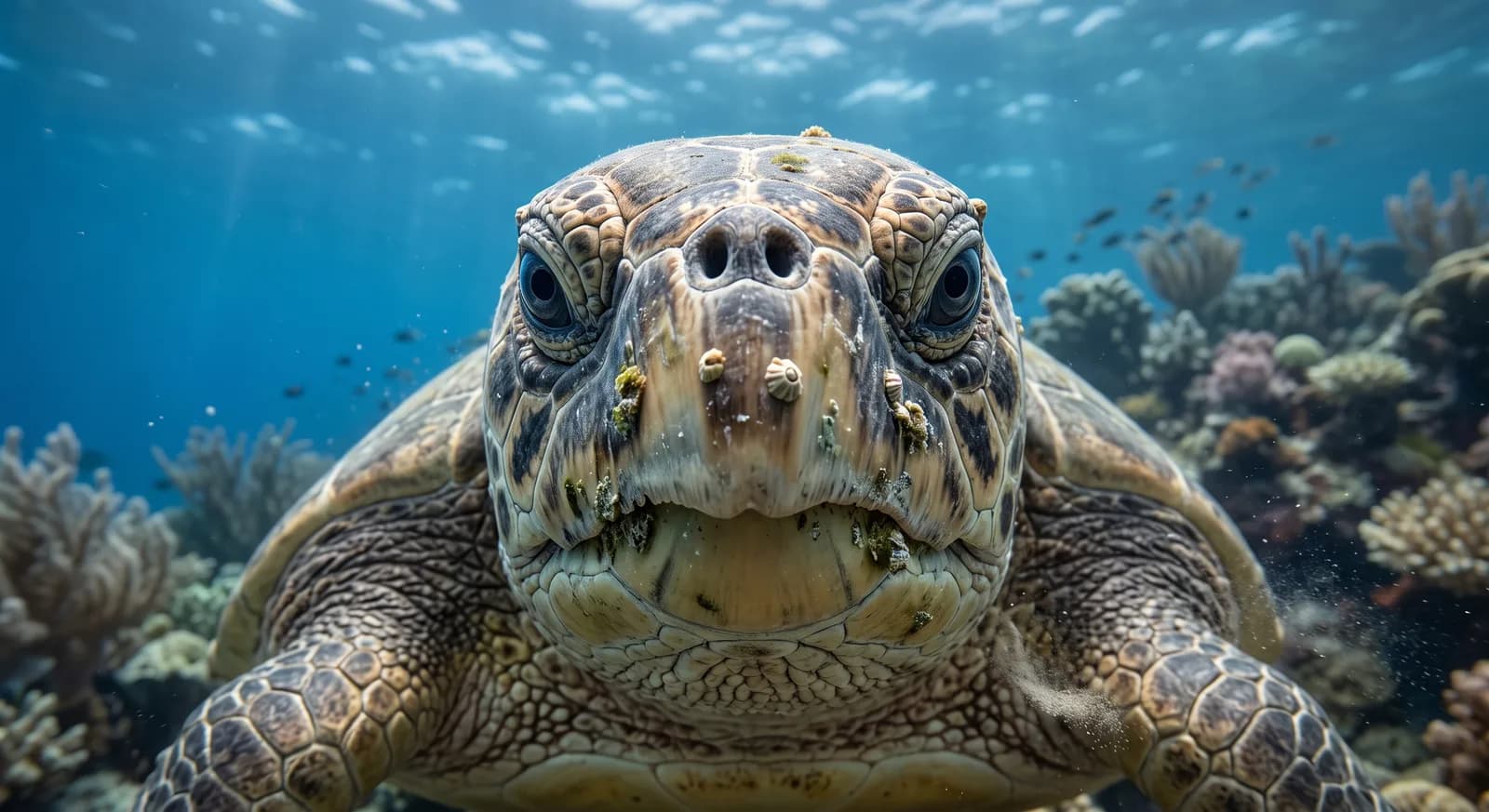
Green TurtleEndangered

Green Turtle

Chelonia mydas

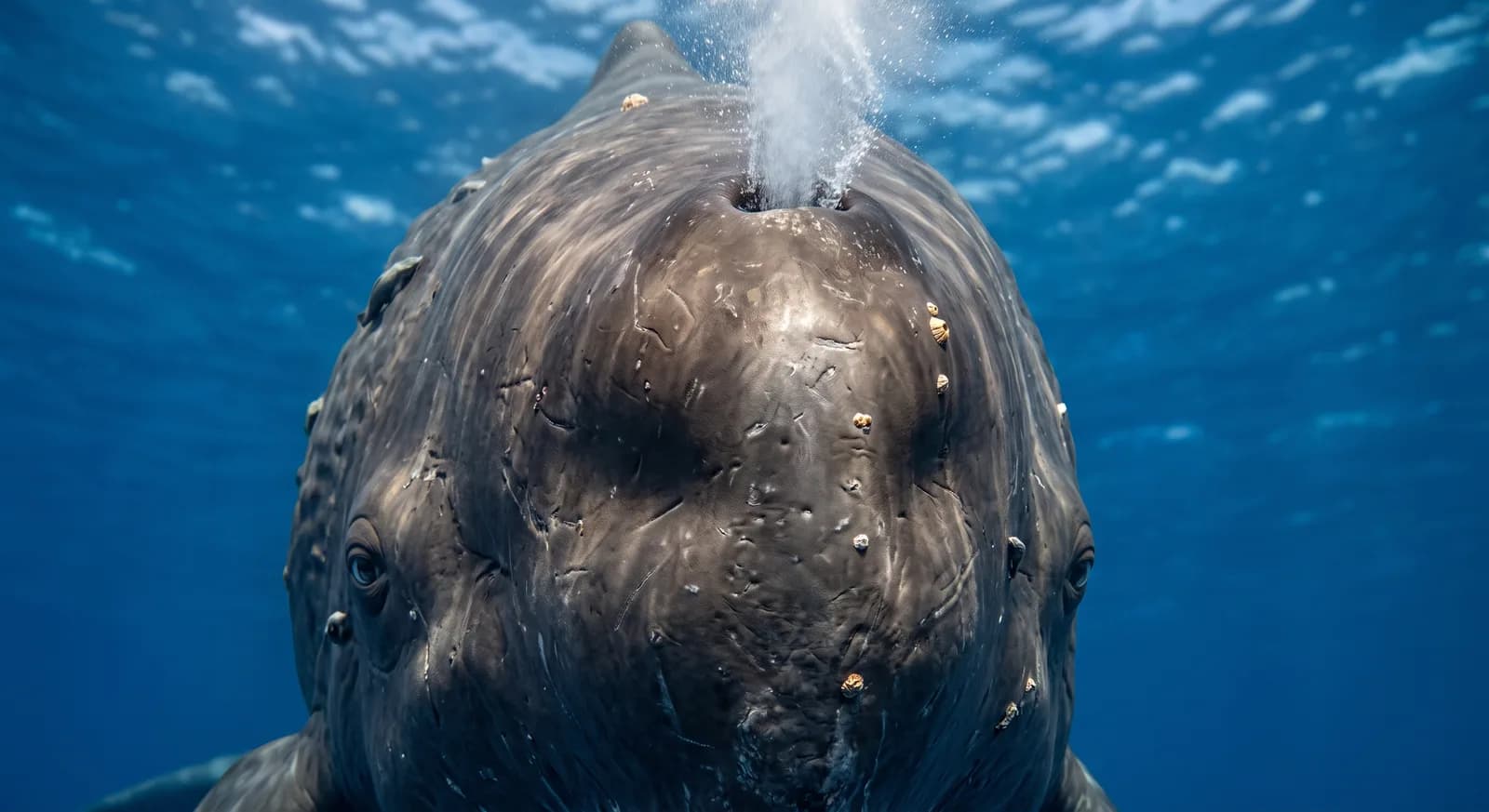
Sperm WhaleVulnerable

Sperm Whale

Physeter macrocephalus

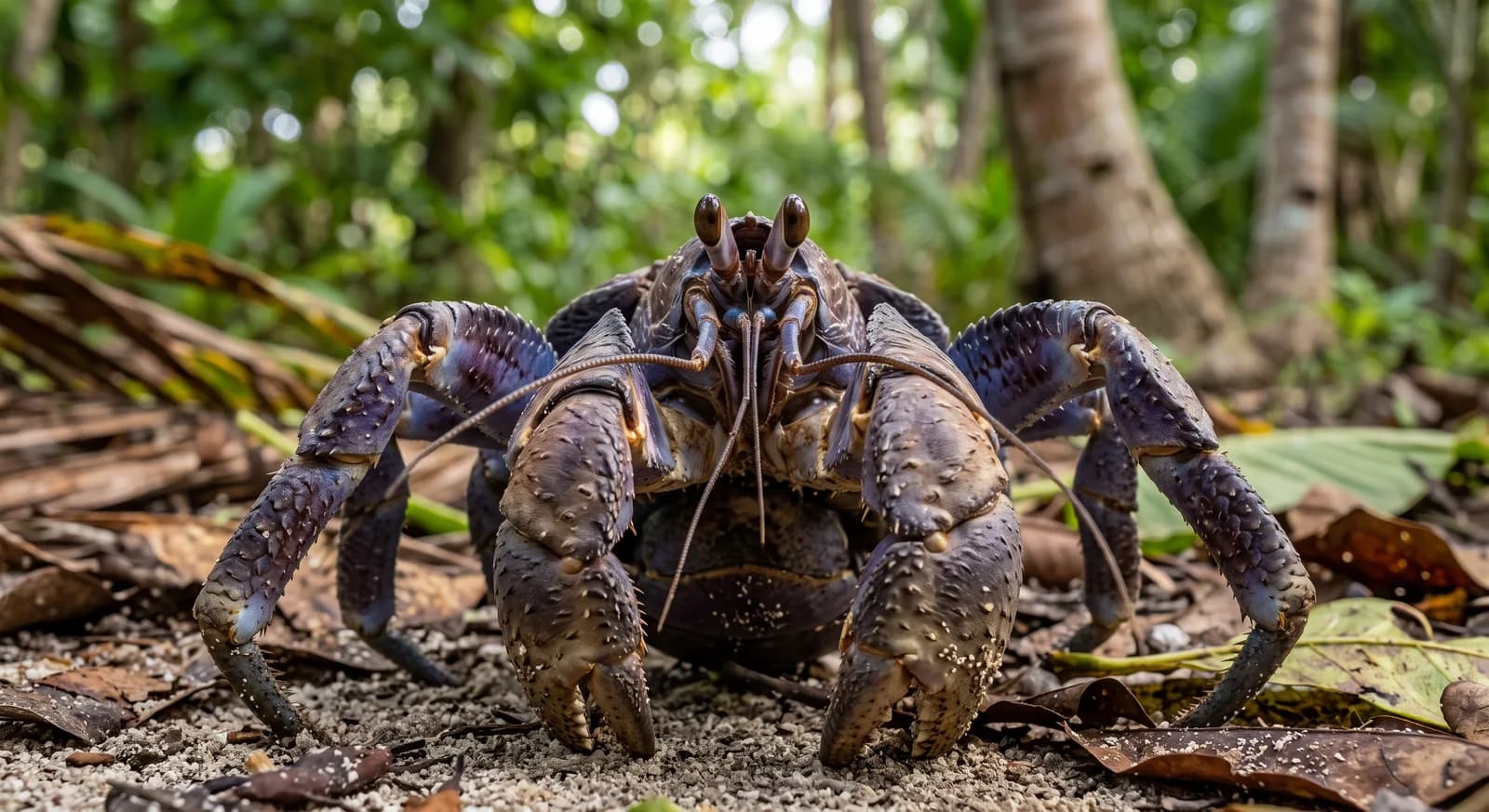
Coconut CrabVulnerable

Coconut Crab

Birgus latro

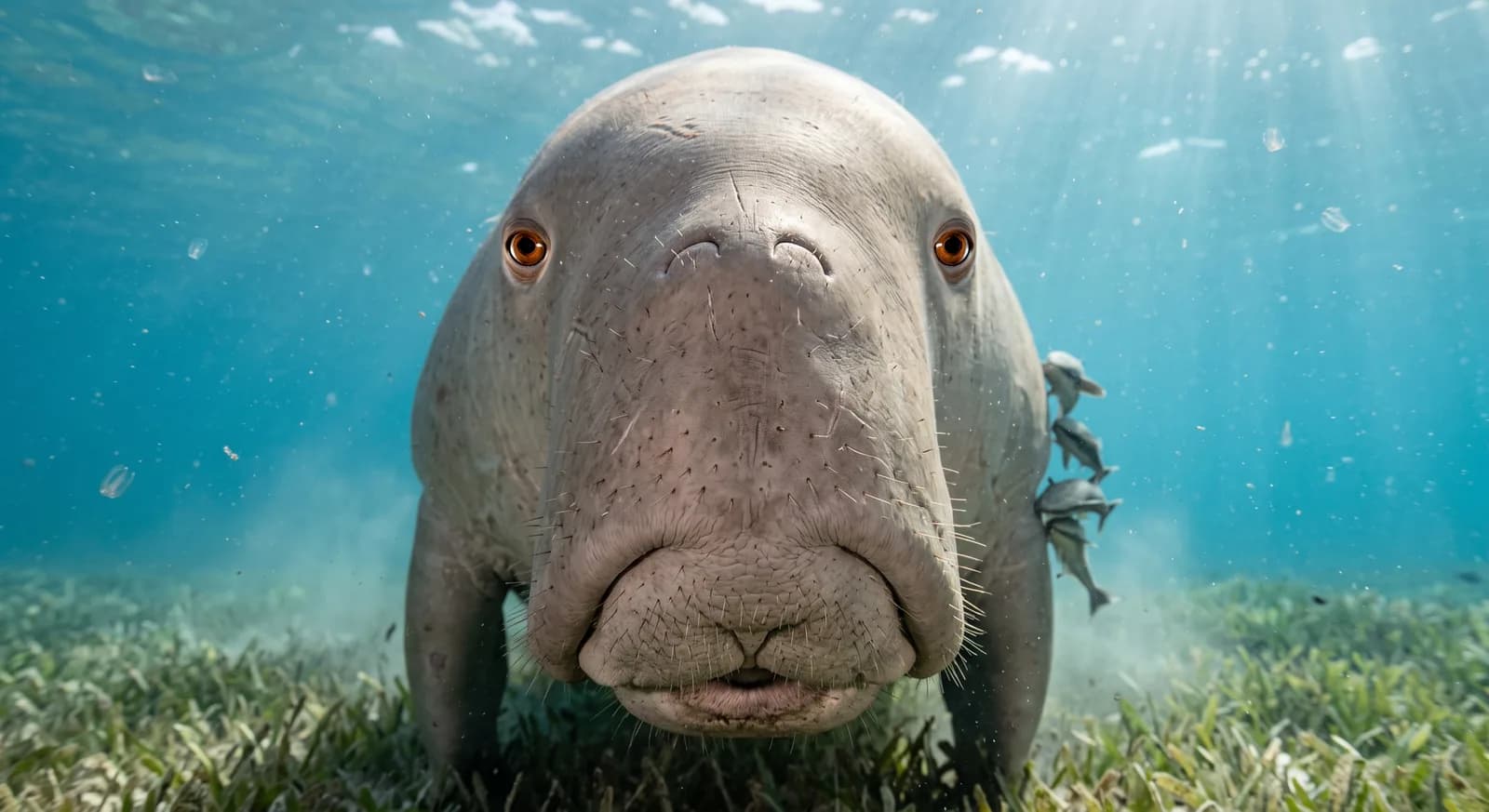
DugongVulnerable

Dugong

Dugong dugon

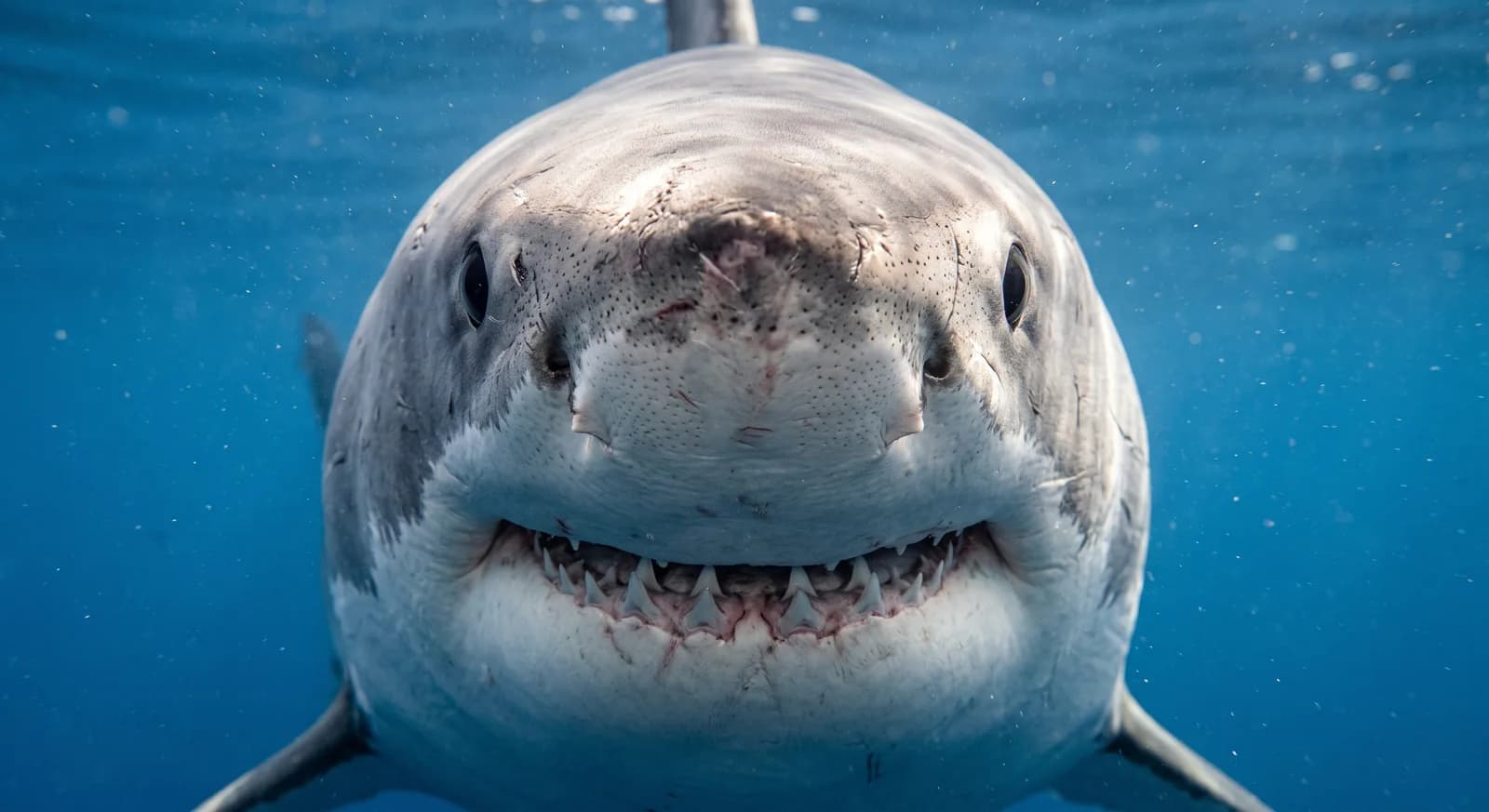
Great White SharkVulnerable

Great White Shark

Carcharodon carcharias

Reef Manta RayVulnerable

Reef Manta Ray

Mobula alfredi

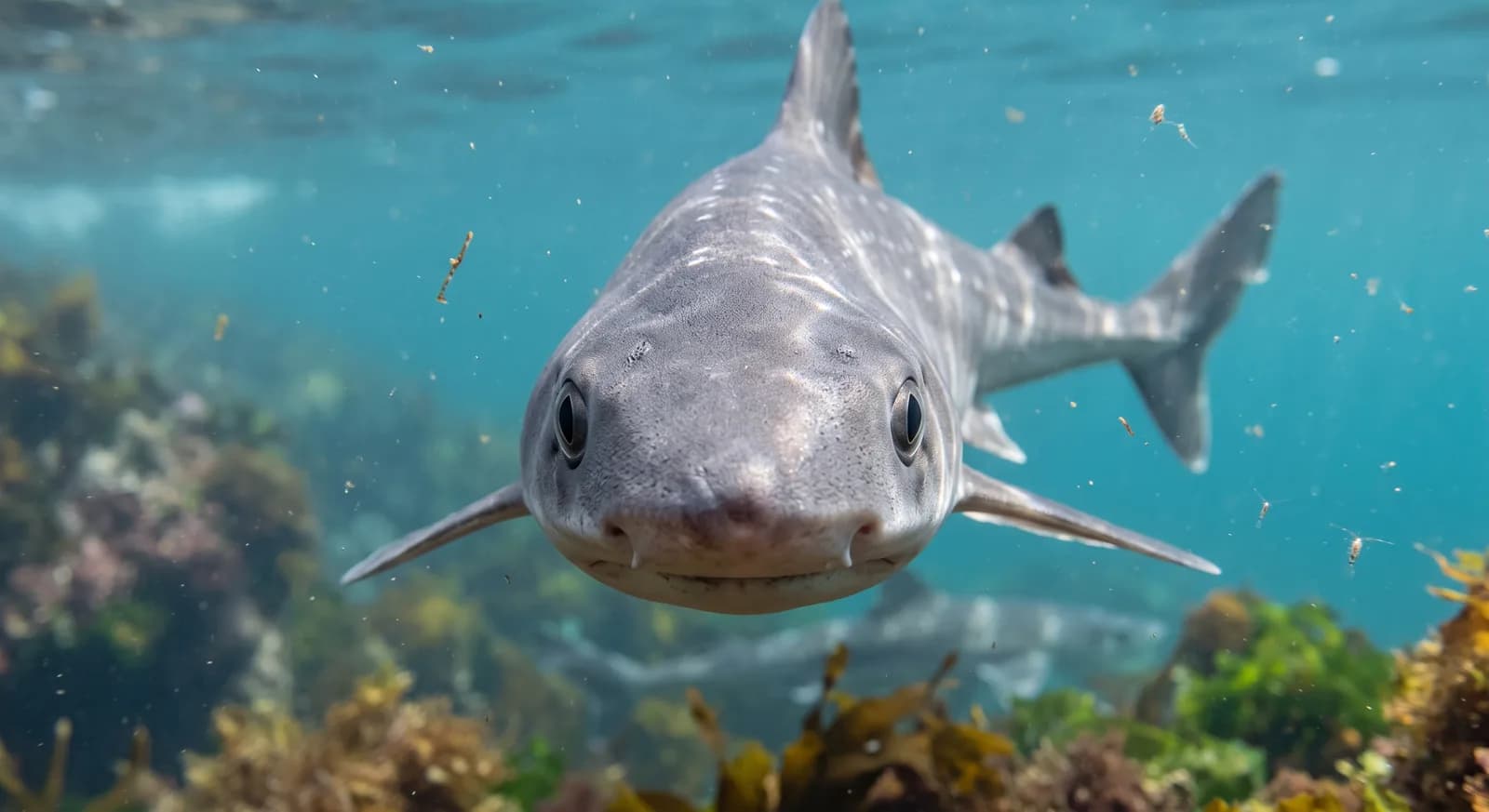
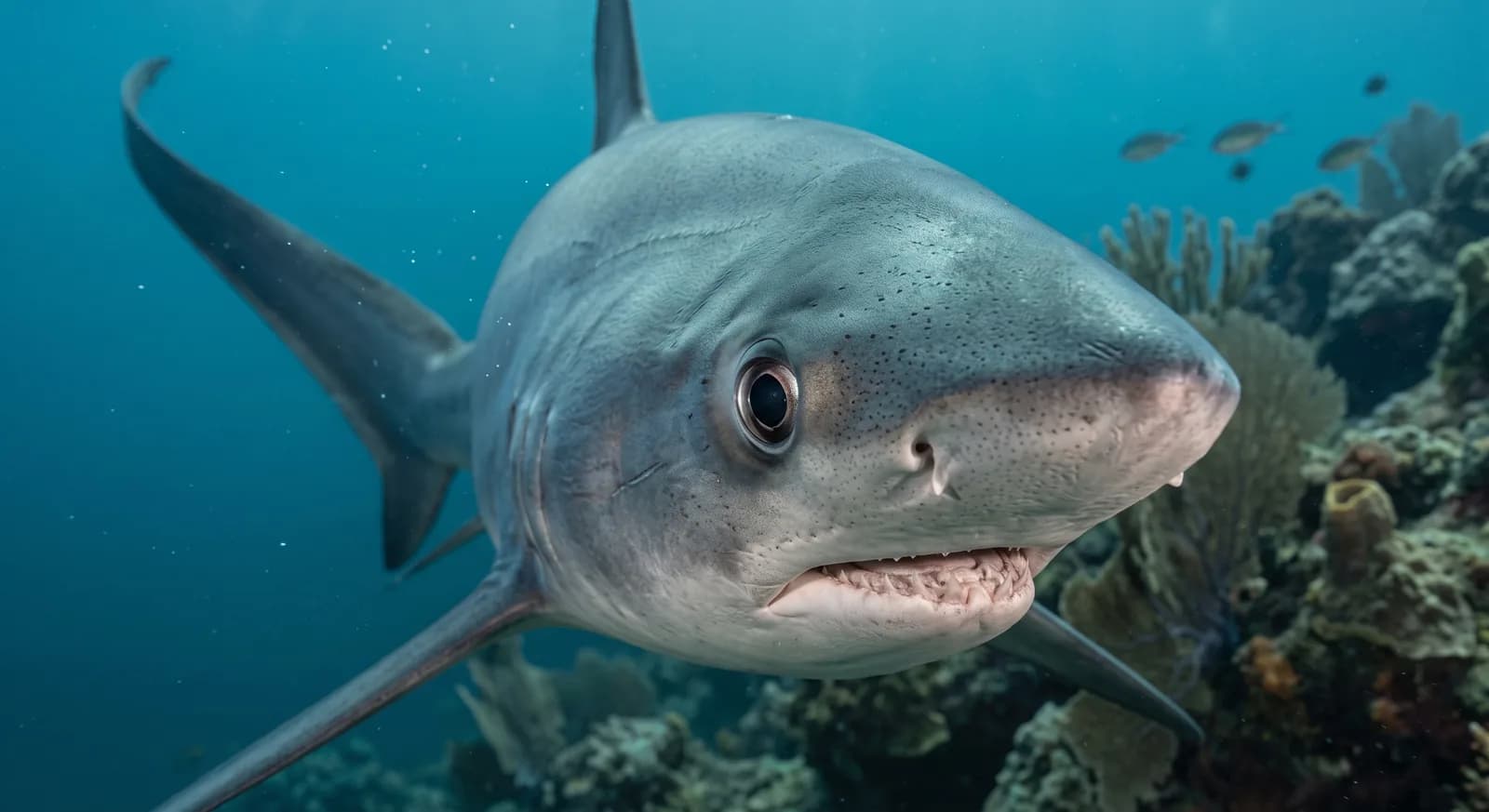
SpurdogVulnerable

Spurdog

Squalus acanthias

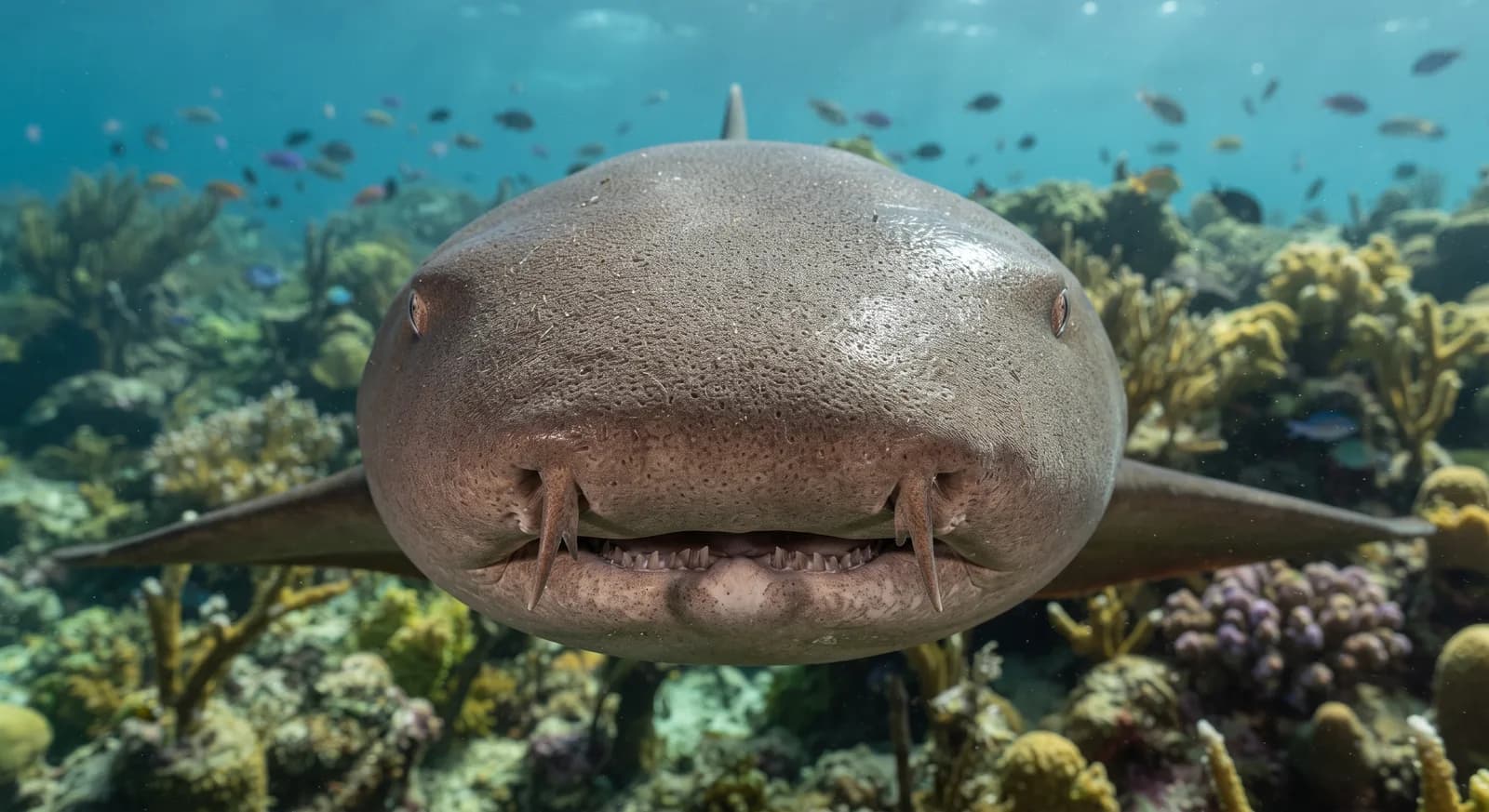
Nurse SharkVulnerable

Nurse Shark

Ginglymostoma cirratum

GrayfishVulnerable

Grayfish

Alopias vulpinus

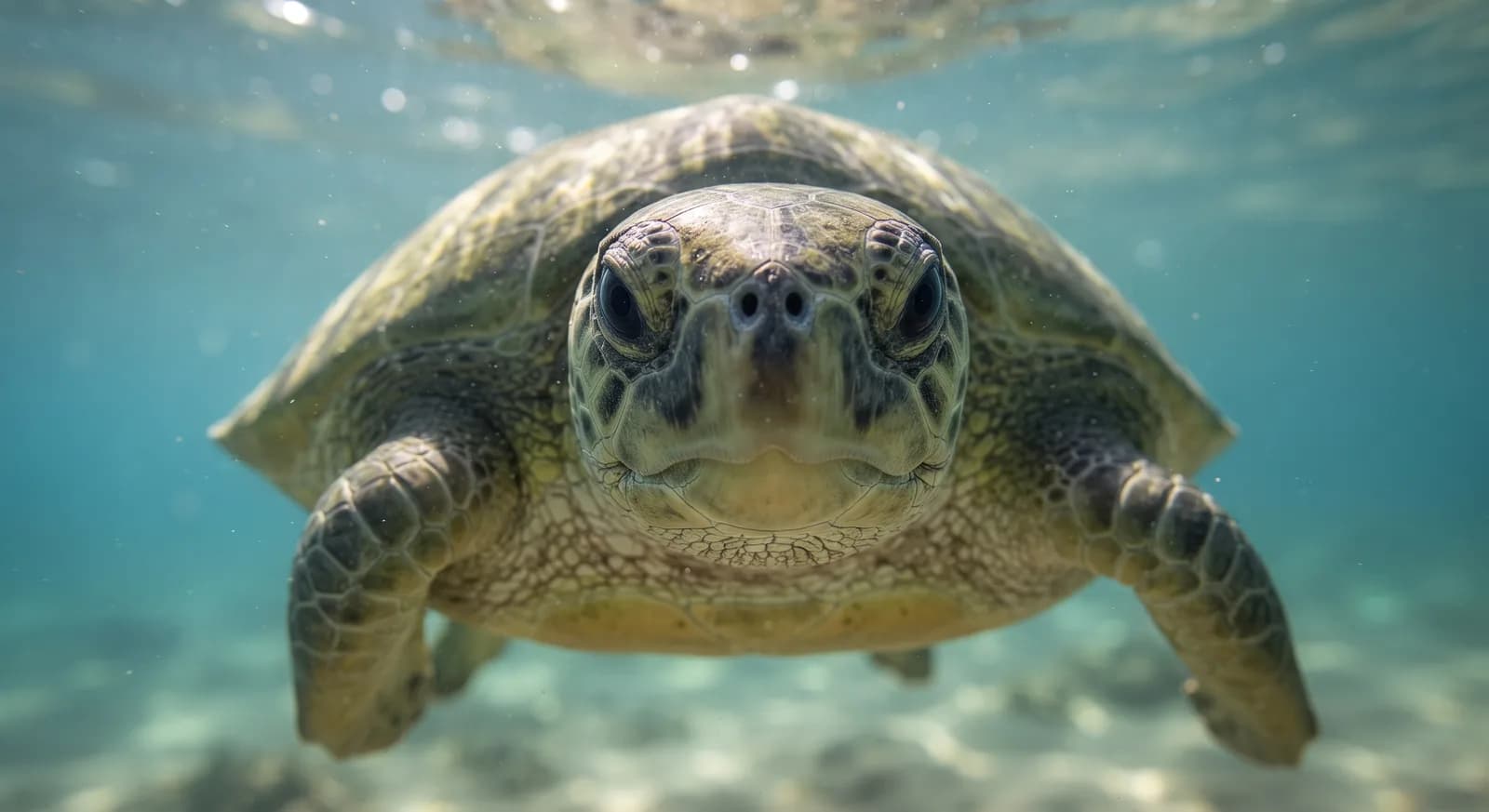
Loggerhead TurtleVulnerable

Loggerhead Turtle

Caretta caretta

Olive RidleyVulnerable

Olive Ridley

Lepidochelys olivacea

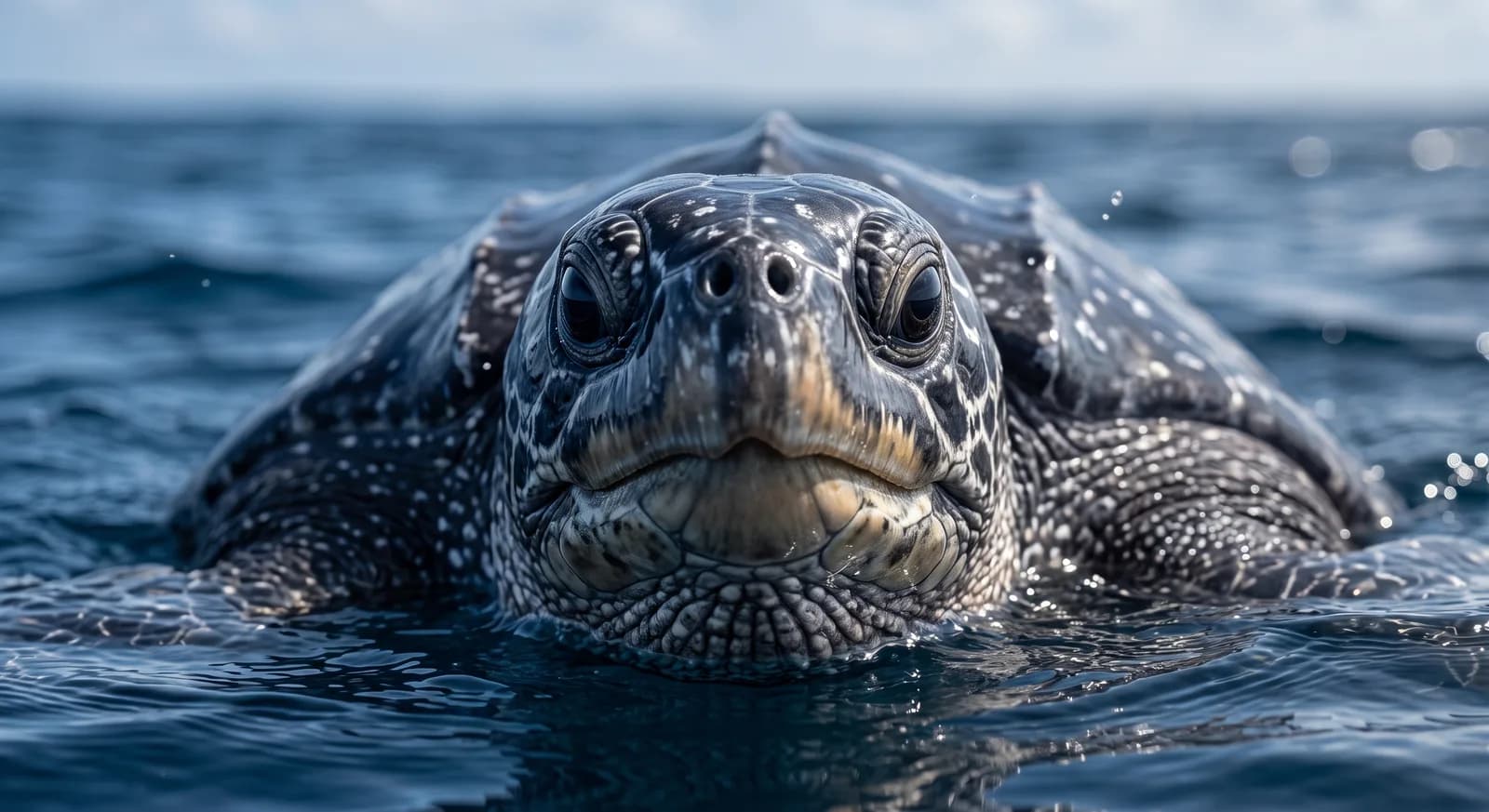
Leatherback Sea TurtleVulnerable

Leatherback Sea Turtle

Dermochelys coriacea

Page 2 of 11
Islands
Ocean