Skip to content
WAnimals
  • Map
  • Species
  • Parks
  • Diving
Log inCreate account
WAnimals

The guide for travellers and animal lovers: discover, plan and share your wild adventures around the world.

Discover wildlife

  • Species
  • Ecosystems
  • Glossary
  • Tags

Explore places

  • Map
  • Countries
  • Parks
  • Diving

Plan experiences

  • Guides

Learn

  • Blog

Resources

  • About us
  • How we build our profiles
  • Help centre
  • Contact
  • Install the app

Follow us

Account

  • Log in
  • Create account

© 2026 WAnimals. All rights reserved.

Terms of servicePrivacyCookiesLegal notice
MapSpeciesParksDiving
  1. Home
  2. Species
  3. Nurse Shark

One of the 26 sharks on WAnimals
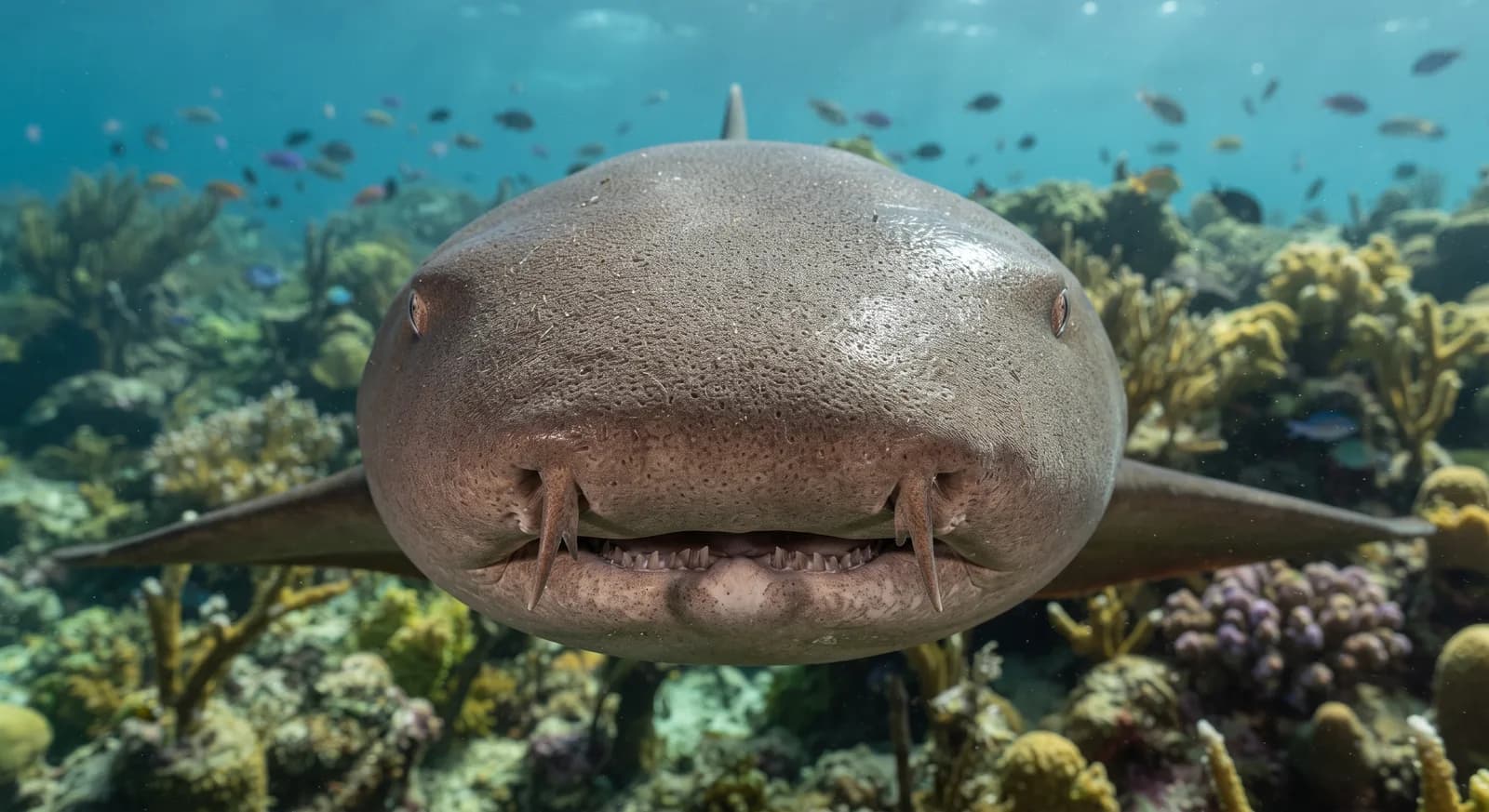
Nurse Shark (Ginglymostoma cirratum)

Cartilaginous fish · Orectolobiformes · Ginglymostomatidae

Nurse Shark

Ginglymostoma cirratum

Vulnerable

At high risk of extinction in the wild over the medium term.

Spotted something wrong?

The nurse shark or cat shark is a shark that lives on the sea floor, grows to as much as 3 m long and can be found in tropical seas such as those of Central America. It lives in tropical and subtropical coastal waters of the Atlantic and the eastern Pacific, especially on shallow coral reefs, seagrass beds and around mangroves.

Weight

60.3 kg on average

Size

up to 3.1 m

Life expectancy

25 years
Diet

Carnivore

Feeds mainly on other animals.

Activity

Nocturnal

Active mainly at night.

Social structure

Colony

Lives in large concentrations, often for breeding reasons.

67countries6parks109dive sites

AI-generated images: illustrations, not photographs.

Fun facts

  • It feeds by suction. With its small mouth and a pharynx that works like a bellows, it sucks in prey at great speed, and that is how it pulls snails from their shells and crustaceans from crevices.
  • It flips large thick-shelled snails over and extracts the animal by suction.
  • It is one of the few sharks that do not need to swim in order to breathe: it pumps water over its gills with its spiracles, which lets it spend the day motionless on the bottom.
  • It locates food by touch and smell with two nasal barbels, which is why it hunts well at night and in murky water.
  • It is placid and tolerates divers approaching, but it bites with great tenacity if grabbed by the tail or fins, and it is hard to make it let go.
  • The quoted maximums of 4.3 m are now considered exaggerated; the reliable record is around 3 m.

Life cycle and biology

Skeleton type
Vertebrate - cartilaginous skeleton (chondrichthyan fish)
Habitat and environment
Reef bottoms and seagrass beds of the tropical and subtropical Atlantic, from 0 to 130 m and usually between 1 and 35; by day it rests motionless in caves and under ledges, often piled up with others
Gestation / incubation
About 6 months
Litter / clutch size
From 21 to 28 young per birth

Sources consulted: Wikipedia (es): Ginglymostoma cirratum

Where to find it

Loading map…

Where to see it

Parks and dive sites where this species has been documented — showing 16 of 115.

Related species

Other species in the catalogue with the most in common with Nurse Shark — same habitat, park, country, tags or family.

Shares a park
Shares a park
Shares a park
Shares a park
Shares a park
Shares a park

How to help

The nurse shark is classified as vulnerable. Organisations such as the IUCN, WWF and the Wildlife Conservation Society work specifically on its conservation and that of its habitat; looking into their programmes is a good starting point if you want to get involved.

It's documented in 14 protected areas — one reason why protecting these places matters for its conservation.

Keep exploring

Based on what we already know about nurse shark.

Share an experience, a fun fact or a tip for seeing the nurse shark.
See full glossary
This page in other languages: Español · Deutsch · Français · Português · Italiano

The pins mark the parks and dive sites where its presence is documented.

See its range on the interactive map→
Bacalar ChicoBelize
Exuma Cays Land and Sea ParkBahamas
Fernando de NoronhaBrazil
Los RoquesVenezuela
Great Blue Hole (Blue Hole National Park)Belize
Belize Barrier Reef Reserve SystemBelize
Great Blue HoleBelize
Half Moon Caye WallBelize
Turneffe AtollBelize
Palancar ReefMexico
Isla Mujeres (whale shark)Mexico
Bloody Bay WallCayman Islands
USS Kittiwake wreckCayman Islands
Stingray CityCayman Islands
Tiger BeachBahamas
Jardines de la ReinaCuba
See all 109 dive sites
Lemon SharkVulnerable

Lemon Shark

Negaprion brevirostris

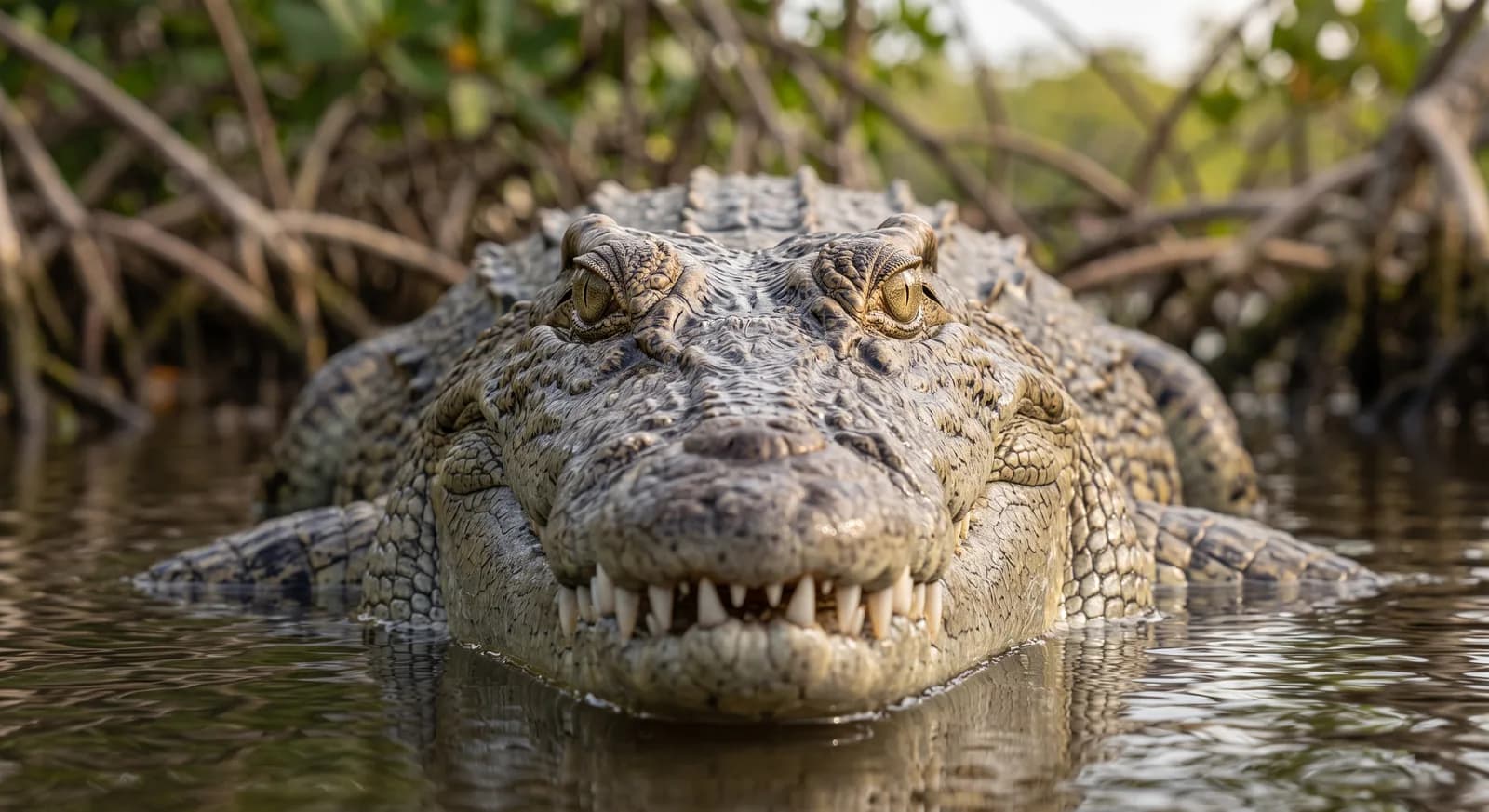
American CrocodileVulnerable

American Crocodile

Crocodylus acutus

Vulnerable

Atlantic Goliath Grouper

Epinephelus itajara

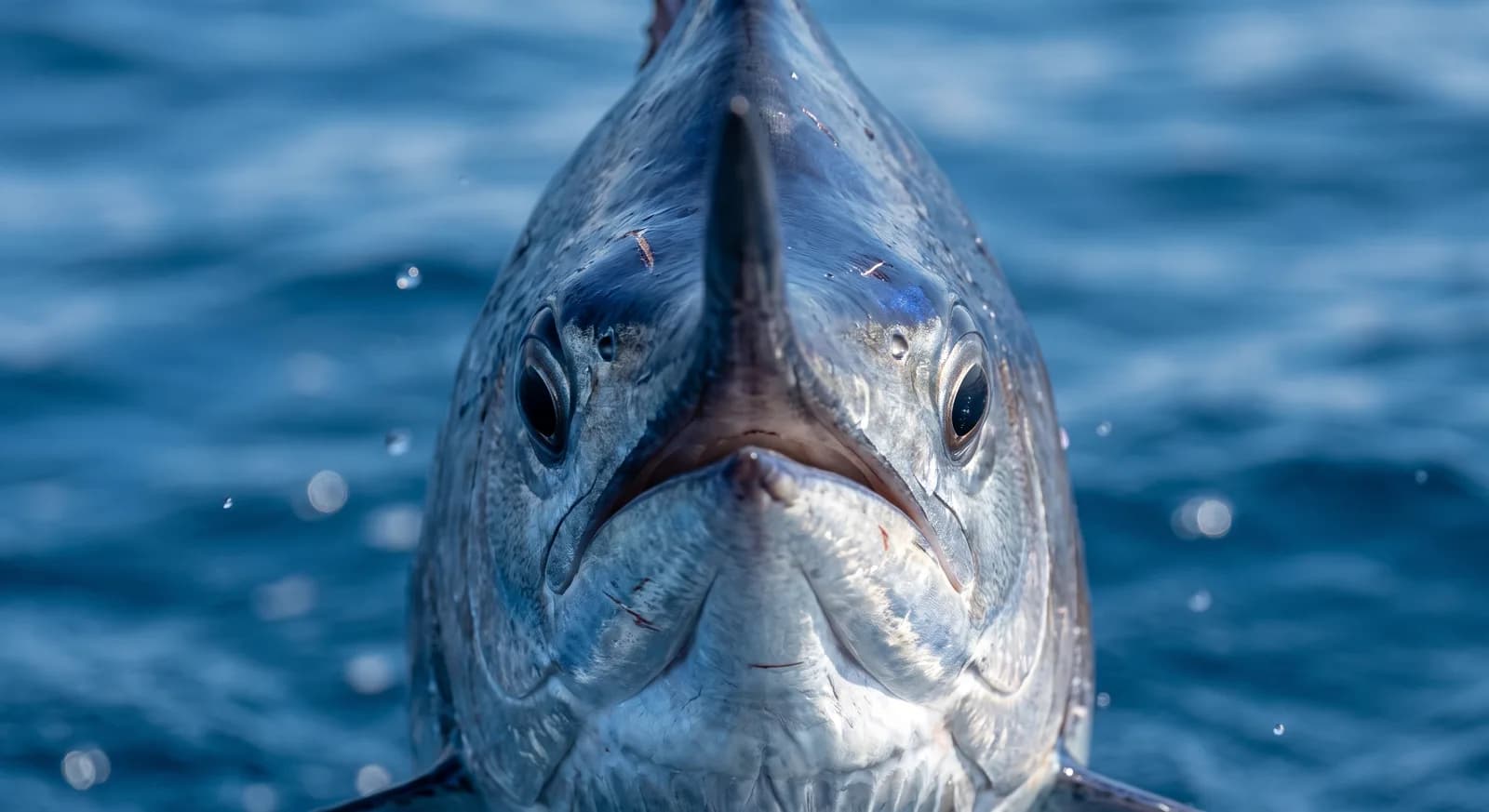
Blue MarlinVulnerable

Blue Marlin

Makaira nigricans

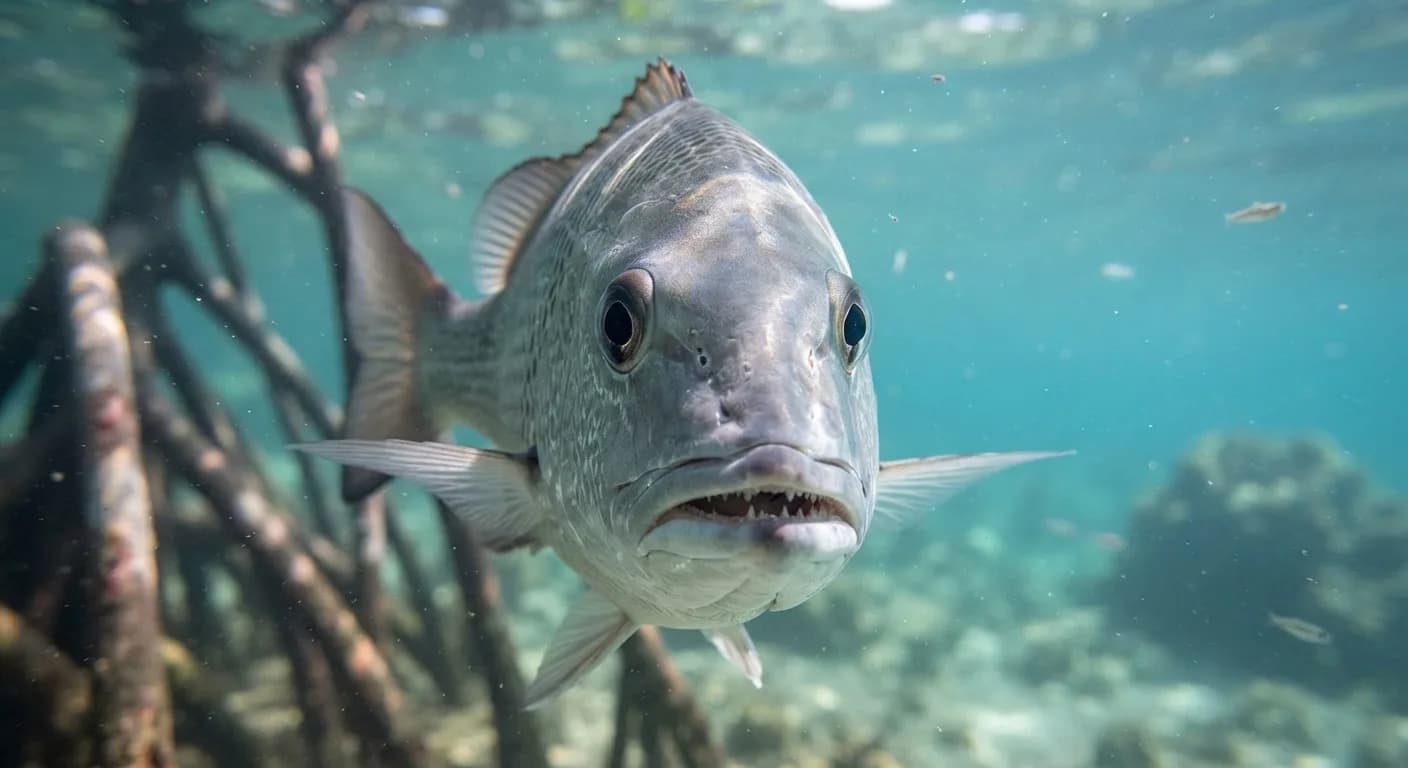
Grey SnapperLeast Concern

Grey Snapper

Lutjanus griseus

Vulnerable

Bluefish

Pomatomus saltatrix

CountriesUnited States
ParksBacalar ChicoBelize
TagsCarnivore
Carnivore
Nocturnal
Colonial
Vulnerable
Fish

North America32

Africa17

Asia15

South America3

United States
Belize
Mexico
Cayman Islands
Brazil
Bahamas
Anguilla
Antigua and Barbuda
Aruba
Bahamas
Barbados
Belize
Bermuda
British Virgin Islands
Cayman Islands
Costa Rica
Cuba
Curaçao
Dominica
Dominican Republic
Grenada
Guadeloupe
Guatemala
Haiti
Honduras
Jamaica
Martinique
Mexico
Nicaragua
Panama
Puerto Rico
Saint Kitts and Nevis
Saint Lucia
Saint Vincent and the Grenadines
Trinidad and Tobago
Turks and Caicos Islands
U.S. Virgin Islands
United States
Cabo Verde
Comoros
Djibouti
Egypt
Eritrea
Gabon
Kenya
Mauritius
Mayotte
Mozambique
Réunion
Senegal
Seychelles
Somalia
South Africa
Sudan
Tanzania
Bangladesh
India
Indonesia
Israel
Jordan
Malaysia
Maldives
Myanmar
Oman
Pakistan
Saudi Arabia
Sri Lanka
Thailand
United Arab Emirates
Yemen
Brazil
Colombia
Venezuela