Skip to content
WAnimals
  • Map
  • Species
  • Parks
  • Diving
Log inCreate account
WAnimals

The guide for travellers and animal lovers: discover, plan and share your wild adventures around the world.

Discover wildlife

  • Species
  • Ecosystems
  • Glossary
  • Tags

Explore places

  • Map
  • Countries
  • Parks
  • Diving

Plan experiences

  • Guides

Learn

  • Blog

Resources

  • Help centre
  • Contact
  • Install the app

Follow us

Account

  • Log in
  • Create account

© 2026 WAnimals. All rights reserved.

About usHow we build our profilesTerms of servicePrivacyLegal notice
MapSpeciesParksDiving
  1. Home
  2. Species
  3. Grey Snapper

One of the 2 snappers on WAnimals
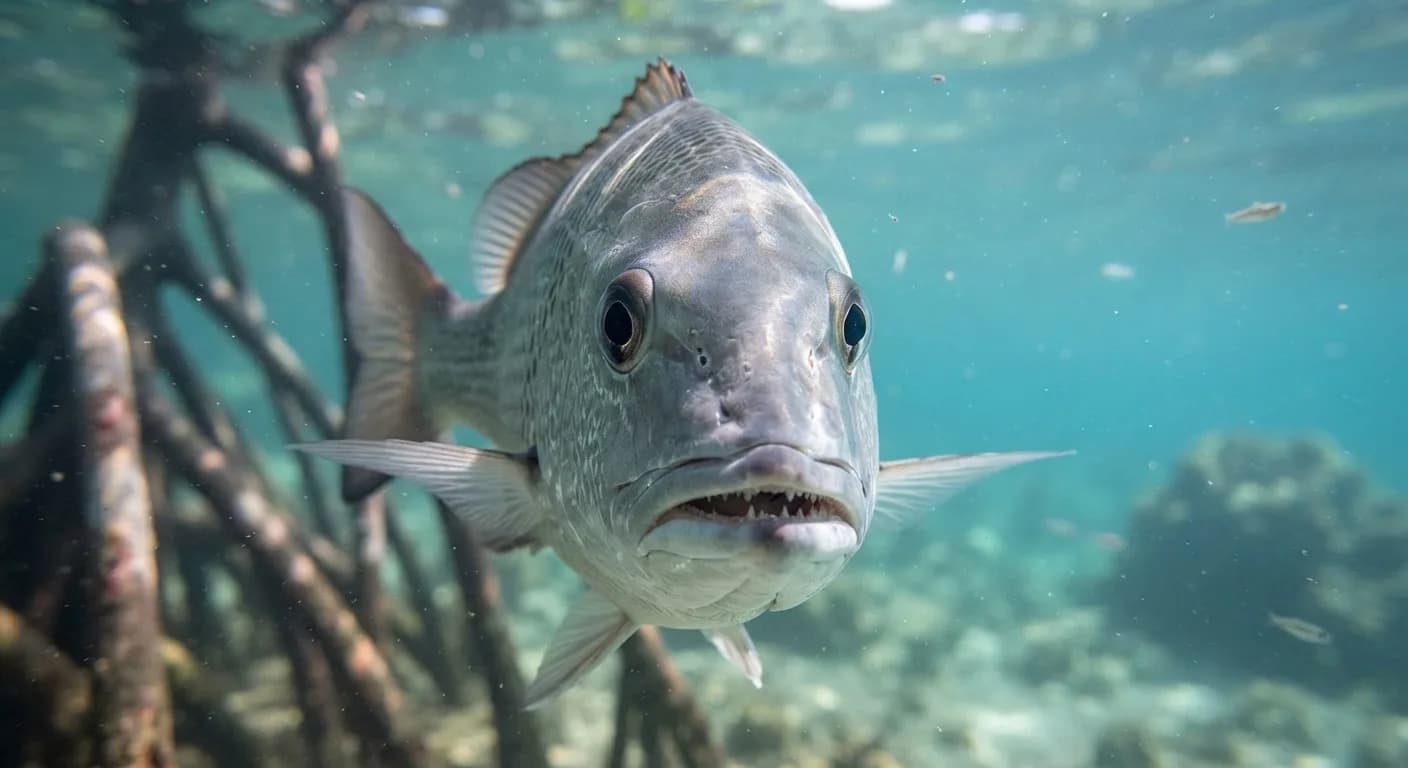
Grey Snapper (Lutjanus griseus)

Bony fish · Perciformes · Lutjanidae

Grey Snapper

Lutjanus griseus

Least Concern

The species is abundant and widely distributed; it faces no significant short-term risk.

Spotted something wrong?

The grey snapper is brownish-grey with reddish glints and two prominent canines in the upper jaw. Juveniles grow among mangrove roots and in seagrass beds, and the adults move out to the reefs. By day it hangs in almost motionless groups under overhangs, and at night it goes out to hunt fish and crustaceans.

Size

30 cm – 89 cm

Life expectancy

28 years

Diet

Carnivore

Feeds mainly on other animals.
Activity

Nocturnal

Active mainly at night.

Social structure

Colony

Lives in large concentrations, often for breeding reasons.

Sighting difficulty

Easy

Ocean
34countries25parks98dive sites1same family

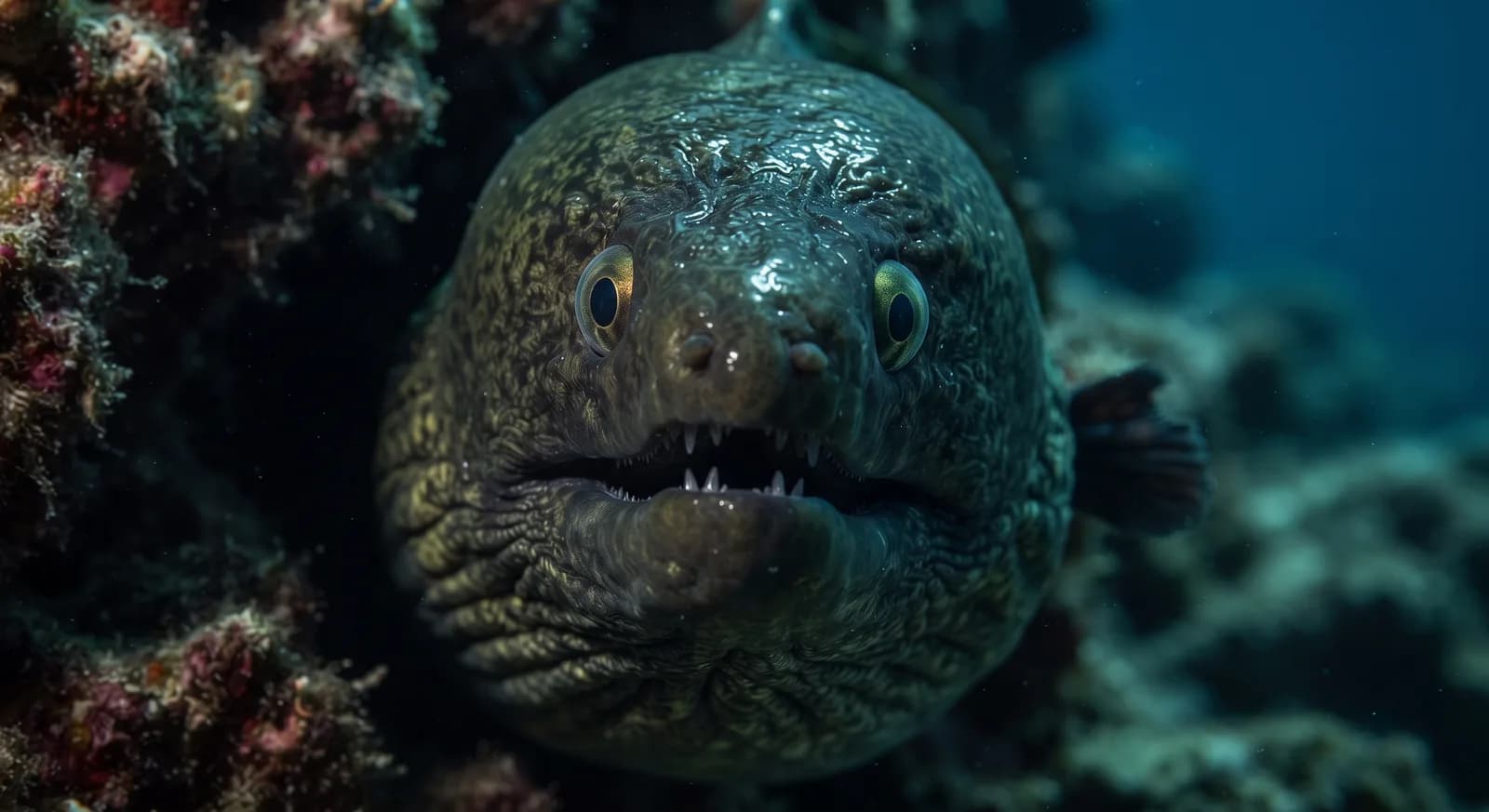
AI-generated images: illustrations, not photographs.

Fun facts

  • It gathers to spawn at particular points on the reef following the lunar cycle, which makes those aggregations easy to find and highly vulnerable to overfishing.
  • It is one of the fish that best demonstrate the value of mangroves: reefs with mangrove nearby hold far larger snapper populations.
  • It tolerates fresh water and can move tens of kilometres up rivers.
  • Its life cycle depends on the mangrove. The juveniles grow up among the submerged roots, and isotope studies have shown that reefs neighbouring well-preserved mangroves hold much larger snapper populations.
  • It is cautious and distrustful, which has given it a reputation among anglers for being hard to fool: it refuses baits and rigs that other snappers accept.
  • It forms spawning aggregations at specific points in the lunar cycle, a behaviour that makes it very vulnerable if those aggregations are fished.
  • It can live close to thirty years, a long time for a medium-sized snapper.
  • Its colour varies from grey to reddish brown depending on the bottom and the state of the animal, and juveniles bear a dark band crossing the eye.

Life cycle and biology

Skeleton type
Vertebrate - internal bony skeleton (fish)
Habitat and environment
Mangroves, seagrass beds and reefs of the western Atlantic; juveniles in estuaries

Sources consulted: https://es.wikipedia.org/wiki/Lutjanus_griseus

Where to find it

Loading map…

Where to see it

Parks and dive sites where this species has been documented — showing 20 of 123.

Related species

Other species in the catalogue with the most in common with Grey Snapper — same habitat, park, country, tags or family.

Same taxonomic family
Shares a park
Shares a park
Shares a park
Shares a park
Shares a park

Keep exploring

Based on what we already know about grey snapper.

Comments

Share an experience, a fun fact or a tip for seeing the grey snapper.

Be the first to comment.

See full glossary
This page in other languages: Español · Deutsch · Français · Português · Italiano

The pins mark the parks and dive sites where its presence is documented.

See its range on the interactive map→
EvergladesUnited States
Sian Ka'anMexico
Bacalar ChicoBelize
GuanicaPuerto Rico
JaraguaDominican Republic
Virgin Islands (St John)U.S. Virgin Islands
Tobago Main RidgeTrinidad and Tobago
Exuma Cays Land and Sea ParkBahamas
TayronaColombia
Los RoquesVenezuela
Great Blue HoleBelize
Half Moon Caye WallBelize
Turneffe AtollBelize
Palancar ReefMexico
Isla Mujeres (whale shark)Mexico
Bloody Bay WallCayman Islands
USS Kittiwake wreckCayman Islands
Stingray CityCayman Islands
Tiger BeachBahamas
Jardines de la ReinaCuba
See all 25 parks
See all 98 dive sites
Vulnerable

Red Snapper

Lutjanus campechanus

Green MorayLeast Concern

Green Moray

Gymnothorax funebris

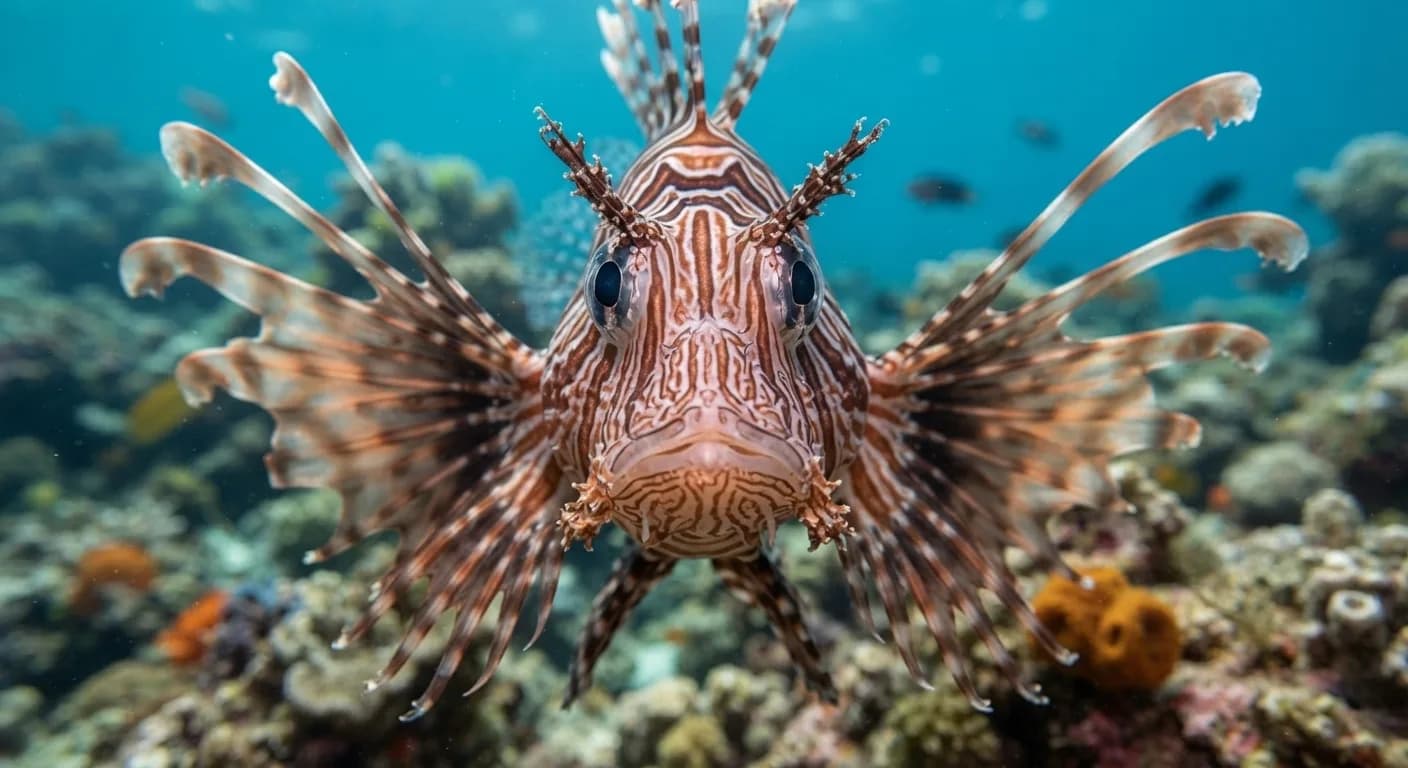
Red LionfishLeast Concern

Red Lionfish

Pterois volitans

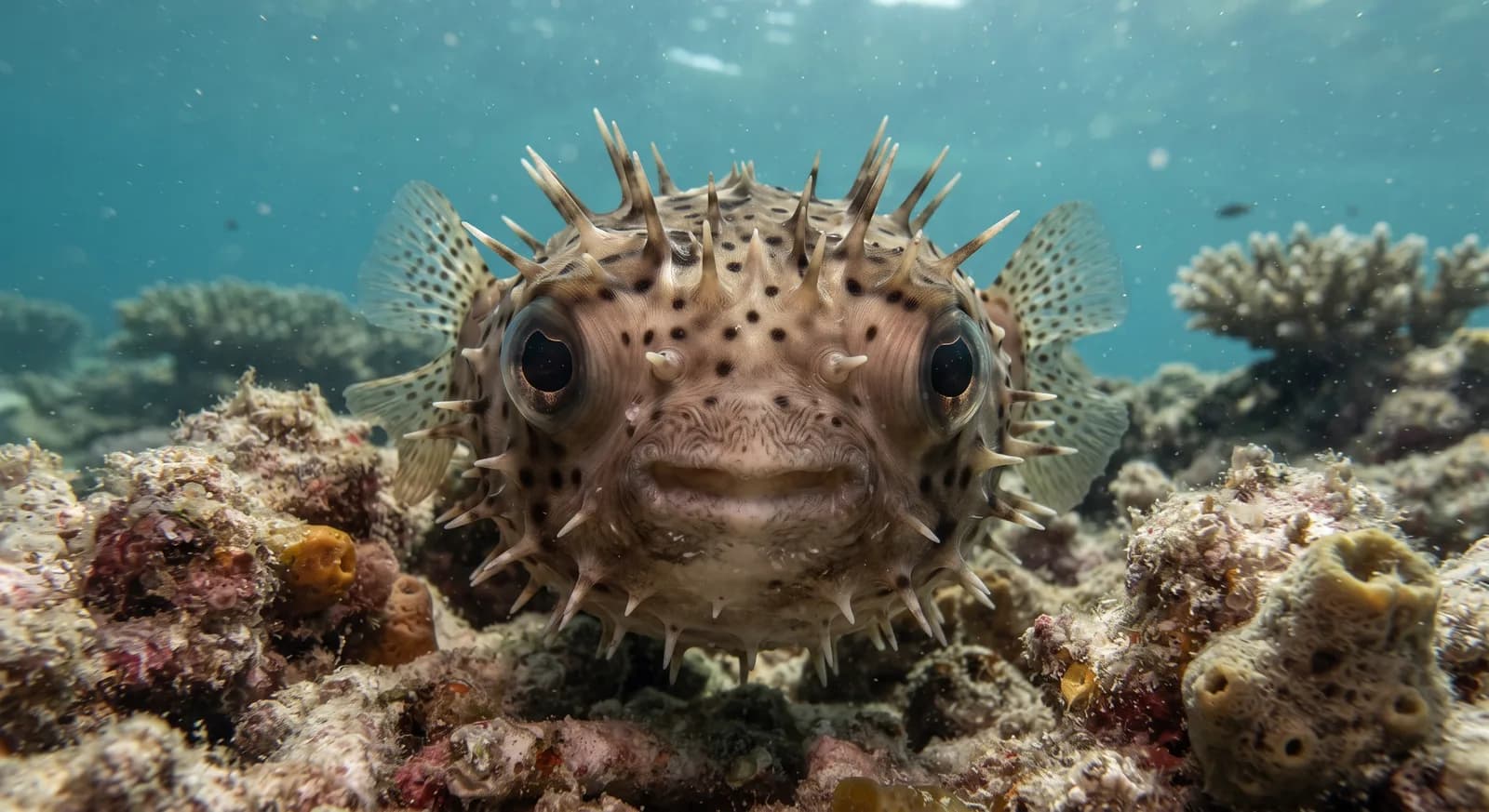
Spot-fin PorcupinefishLeast Concern

Spot-fin Porcupinefish

Diodon hystrix

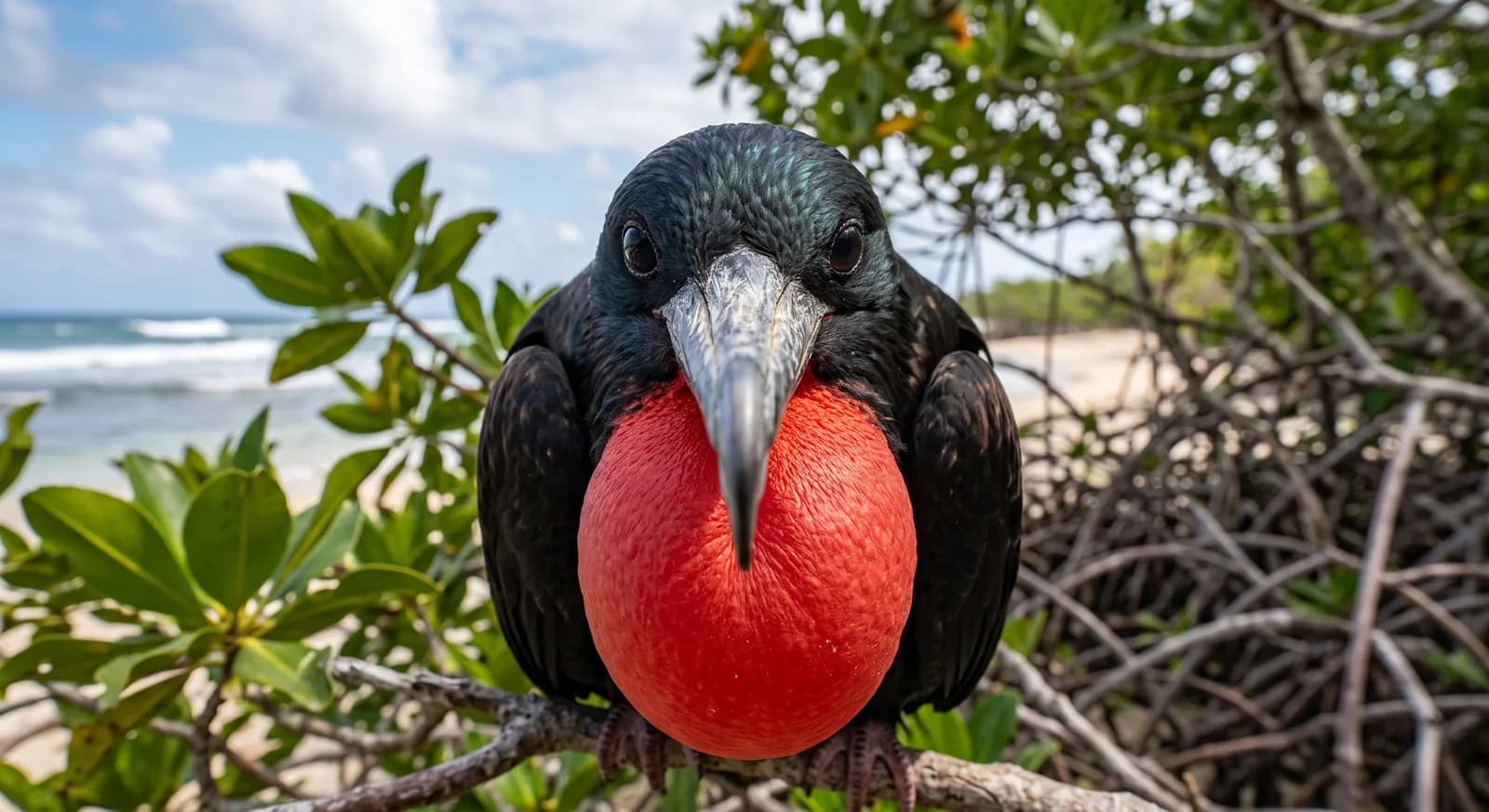
Magnificent FrigatebirdLeast Concern

Magnificent Frigatebird

Fregata magnificens

Near Threatened

Southern Stingray

Hypanus americanus

CountriesUnited States
ParksEvergladesUnited States
TagsCarnivore
Carnivore
Nocturnal
Colonial
Fish
Ocean

North America32

South America2

United States
Mexico
Belize
Cayman Islands
Bahamas
Colombia
Anguilla
Antigua and Barbuda
Aruba
Bahamas
Barbados
Belize
Bermuda
British Virgin Islands
Cayman Islands
Costa Rica
Cuba
Curaçao
Dominica
Dominican Republic
Grenada
Guadeloupe
Guatemala
Haiti
Honduras
Jamaica
Martinique
Mexico
Nicaragua
Panama
Puerto Rico
Saint Kitts and Nevis
Saint Lucia
Saint Vincent and Grenadines
Trinidad and Tobago
Turks and Caicos Islands
U.S. Virgin Islands
United States
Colombia
Venezuela