Skip to content
WAnimals
  • Map
  • Species
  • Parks
  • Diving
Log inCreate account
WAnimals

The guide for travellers and animal lovers: discover, plan and share your wild adventures around the world.

Discover wildlife

  • Species
  • Ecosystems
  • Glossary
  • Tags

Explore places

  • Map
  • Countries
  • Parks
  • Diving

Plan experiences

  • Guides

Learn

  • Blog

Resources

  • Help centre
  • Contact
  • Install the app

Follow us

Account

  • Log in
  • Create account

© 2026 WAnimals. All rights reserved.

About usHow we build our profilesTerms of servicePrivacyLegal notice
MapSpeciesParksDiving
  1. Home
  2. Species
  3. Giant South American River Turtle

One of the 41 turtles and tortoises on WAnimals

Reptiles · Testudines · Podocnemididae

Giant South American River Turtle

Podocnemis expansa

Critically Endangered

At extremely high risk of imminent extinction in the wild.

Spotted something wrong?

The giant South American river turtle, or arrau turtle, is the largest freshwater turtle in the Americas and nests in mass arrivals on the sandbanks that emerge in the dry season. At the beginning of the nineteenth century Humboldt described concentrations of hundreds of thousands of females on the Orinoco; the industrial collection of eggs to extract oil put an end to almost all that abundance within a few decades.

Weight

25 kg – 90 kg

Size

60 cm – 1.1 m

Life expectancy

70 years

Diet

Herbivore

Feeds mainly on plants.

Activity

Diurnal

Active mainly during the day.

Social structure

Colony

Lives in large concentrations, often for breeding reasons.

Sighting difficulty

Very hard

RainforestFreshwater
12countries9parks

Fun facts

  • In 1800 Humboldt described arrivals of hundreds of thousands of females on the Orinoco and reckoned that tens of millions of eggs were collected every year to make oil: for a century the species supported an industry that put an end to its own abundance.
  • The hatchlings call to each other inside the egg to synchronise hatching and emerge all at once, and go on calling afterwards in the water to stay together in a group with the adult females, a form of parental care once thought not to exist in turtles.
  • The sex of the hatchlings is determined by the temperature of the sand, so a change of a few degrees in the temperature of the sandbanks can skew the sex ratio of an entire generation.

Life cycle and biology

Skeleton type
Vertebrate - internal bony skeleton with a shell (reptile)
Habitat and environment
Great rivers of Amazonia and the Orinoco; nests on sandbanks during the dry season
Size at birth
About 5 cm of carapace on hatching
Sexual maturity
12 years
Gestation / incubation
50 days of incubation
Litter / clutch size
90 eggs

Sources consulted: https://www.iucnredlist.org/ | https://animaldiversity.org/ | https://es.wikipedia.org/

Where to find it

Best time: From December to March on the beaches of the Orinoco and the Amazon, during the dry season, when thousands of females nest at once.

Loading map…

The pins mark the parks where its presence is documented.

Where to see it

Parks and dive sites where this species has been documented.

Related species

Other species in the catalogue with the most in common with Giant South American River Turtle — same habitat, park, country, tags or family.

Shares a park
Shares a park
Shares a park
Shares a park
Shares a park
Shares a park

How to help

The giant south american river turtle is classified as critically endangered. Organisations such as the IUCN, WWF and the Wildlife Conservation Society work specifically on its conservation and that of its habitat; looking into their programmes is a good starting point if you want to get involved.

It's documented in 8 protected areas — one reason why protecting these places matters for its conservation.

Keep exploring

Based on what we already know about giant south american river turtle.

Comments

Share an experience, a fun fact or a tip for seeing the giant south american river turtle.

Be the first to comment.
See full glossary
This page in other languages: Español · Deutsch · Français · Português · Italiano
See its range on the interactive map→
ManuPeru
TambopataPeru
MadidiBolivia
CanaimaVenezuela
AnavilhanasBrazil
Pacaya-Samiria National ReservePeru
El TuparroColombia
AmazôniaBrazil
JaúBrazil
Vulnerable

White Bald-headed Uakari

Cacajao calvus

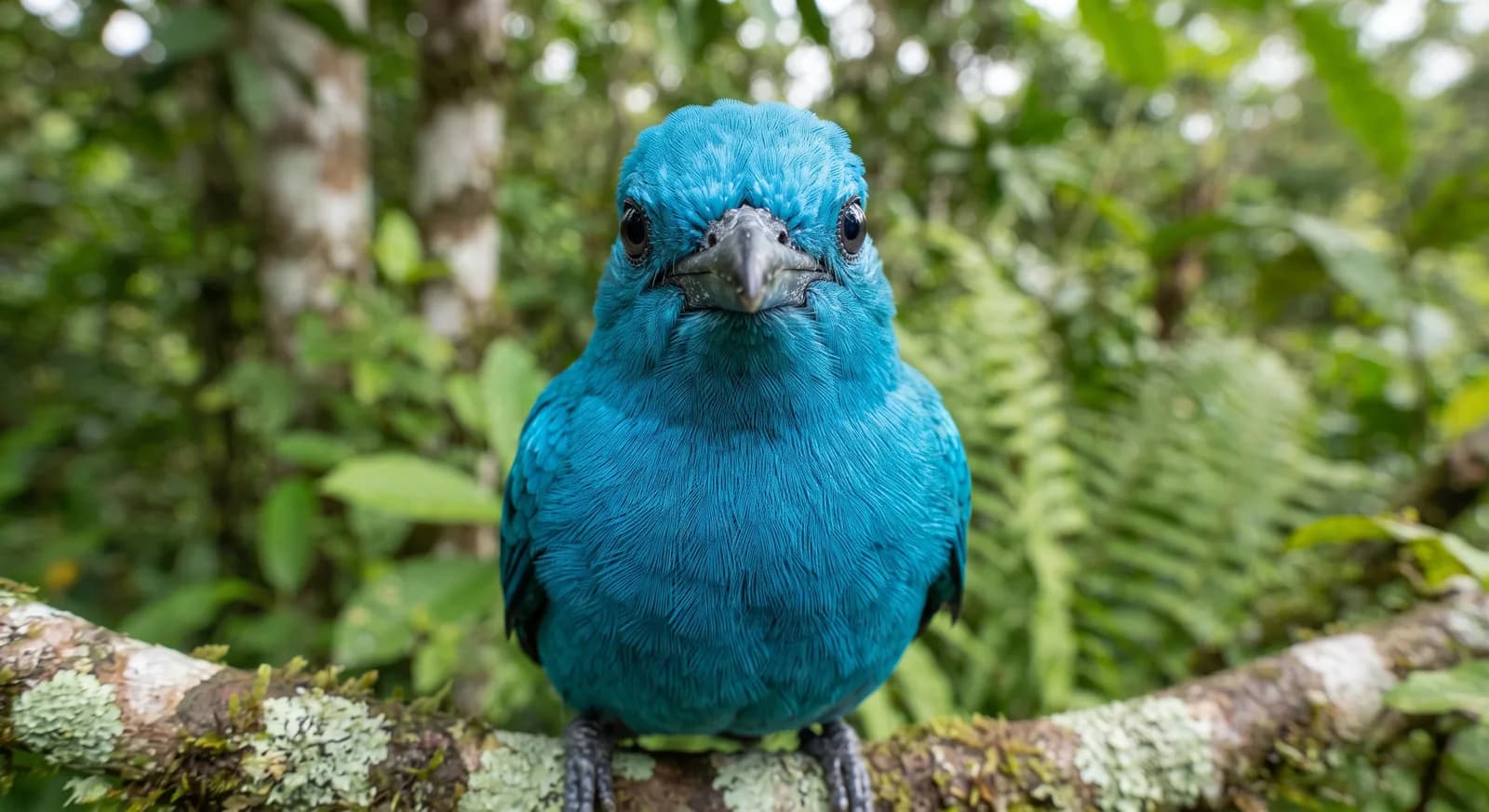
Plum-throated CotingaLeast Concern

Plum-throated Cotinga

Cotinga maynana

Least Concern

Horned Screamer

Anhima cornuta

Vulnerable

Northern Pygmy Marmoset

Cebuella pygmaea

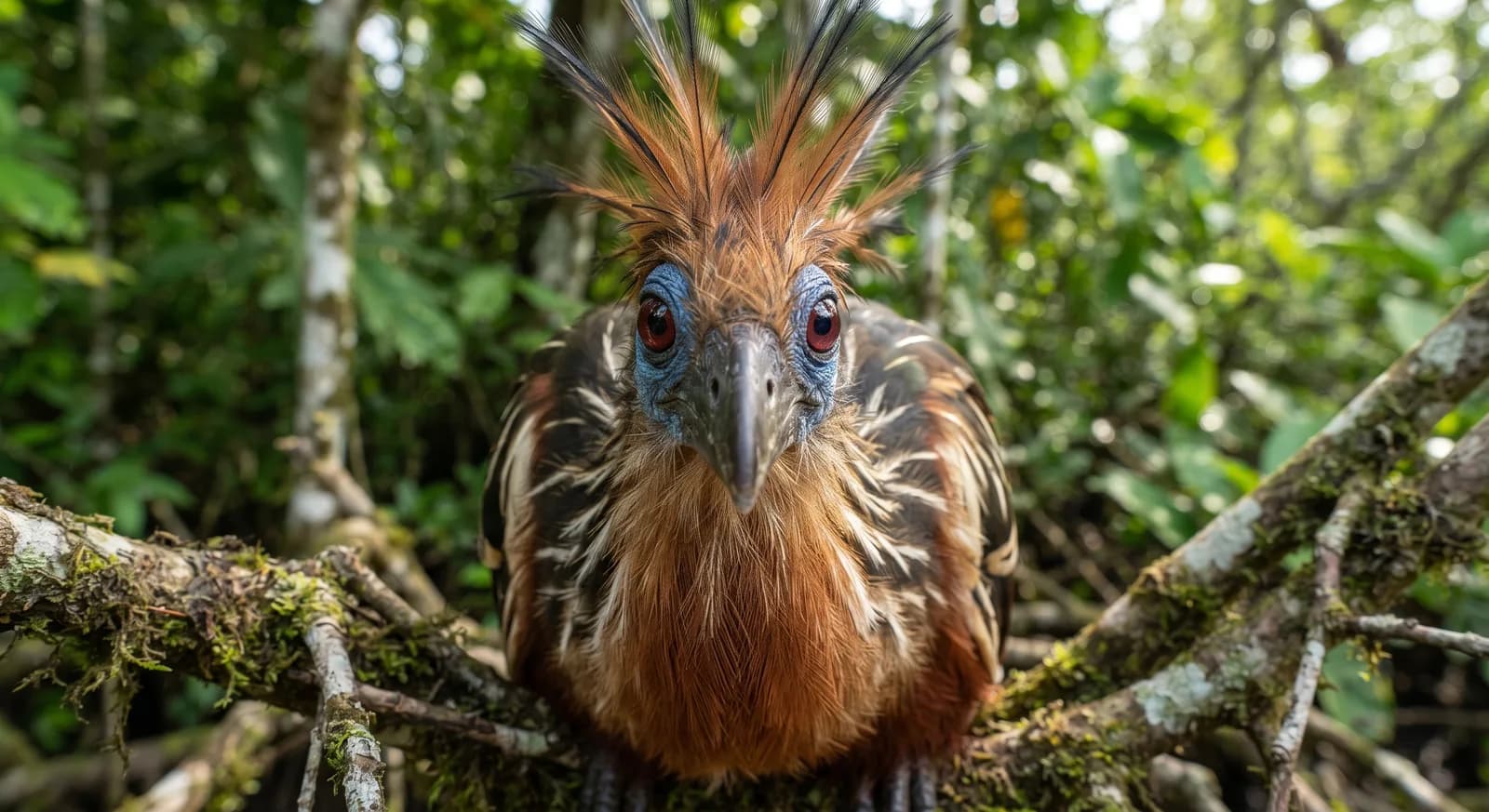
HoatzinLeast Concern

Hoatzin

Opisthocomus hoazin

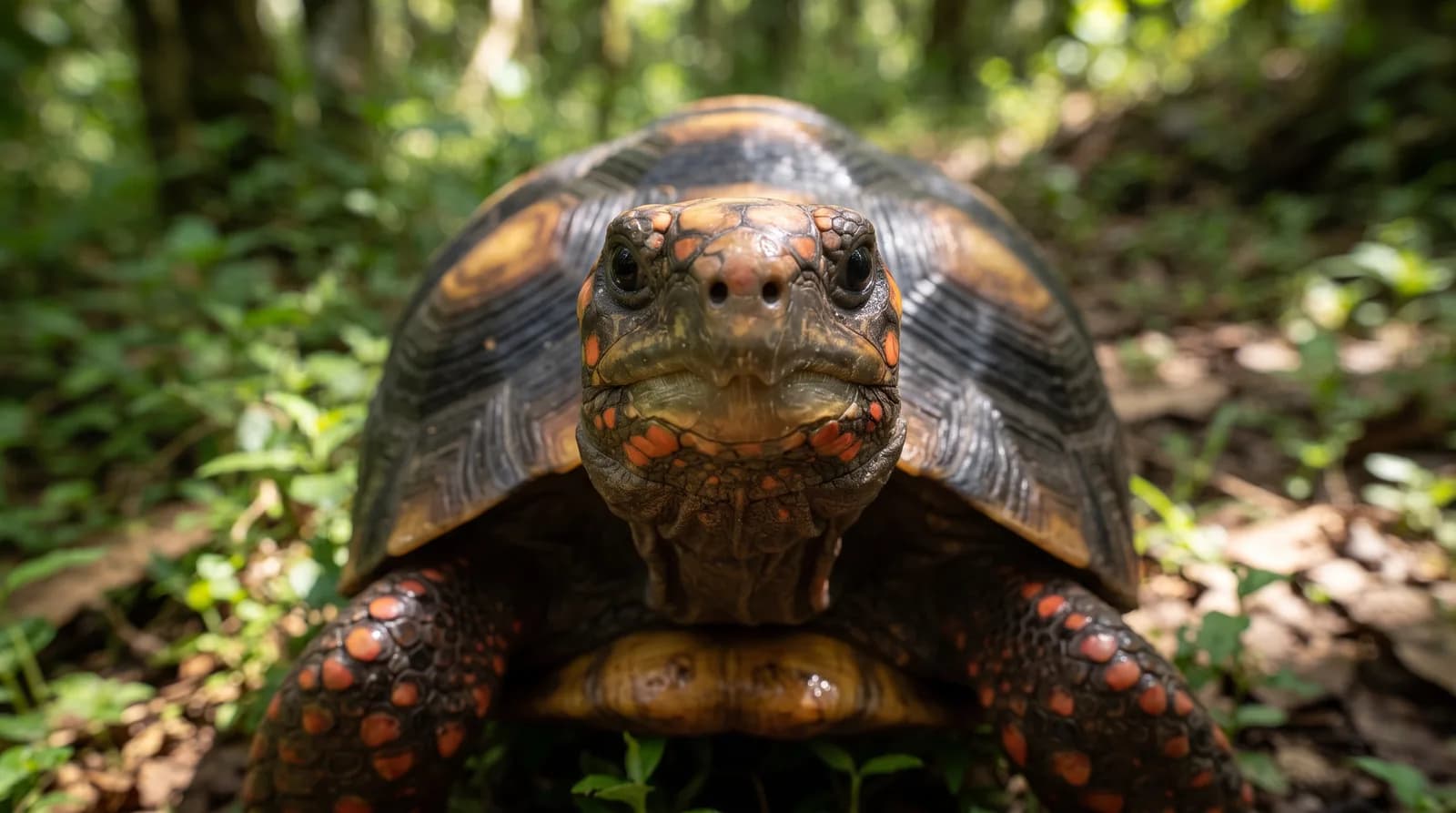
Red-Footed TortoiseVulnerable

Red-Footed Tortoise

Chelonoidis carbonarius

CountriesBrazil
ParksManuPeru
TagsHerbivore
Herbivore
Diurnal
Colonial
Critically Endangered
Reptile
Rainforest
Freshwater

South America11

North America1

Brazil
Peru
Bolivia
Colombia
Venezuela
Argentina
Argentina
Bolivia
Brazil
Colombia
Ecuador
French Guiana
Guyana
Paraguay
Peru
Suriname
Venezuela
Trinidad and Tobago