 Vulnerable
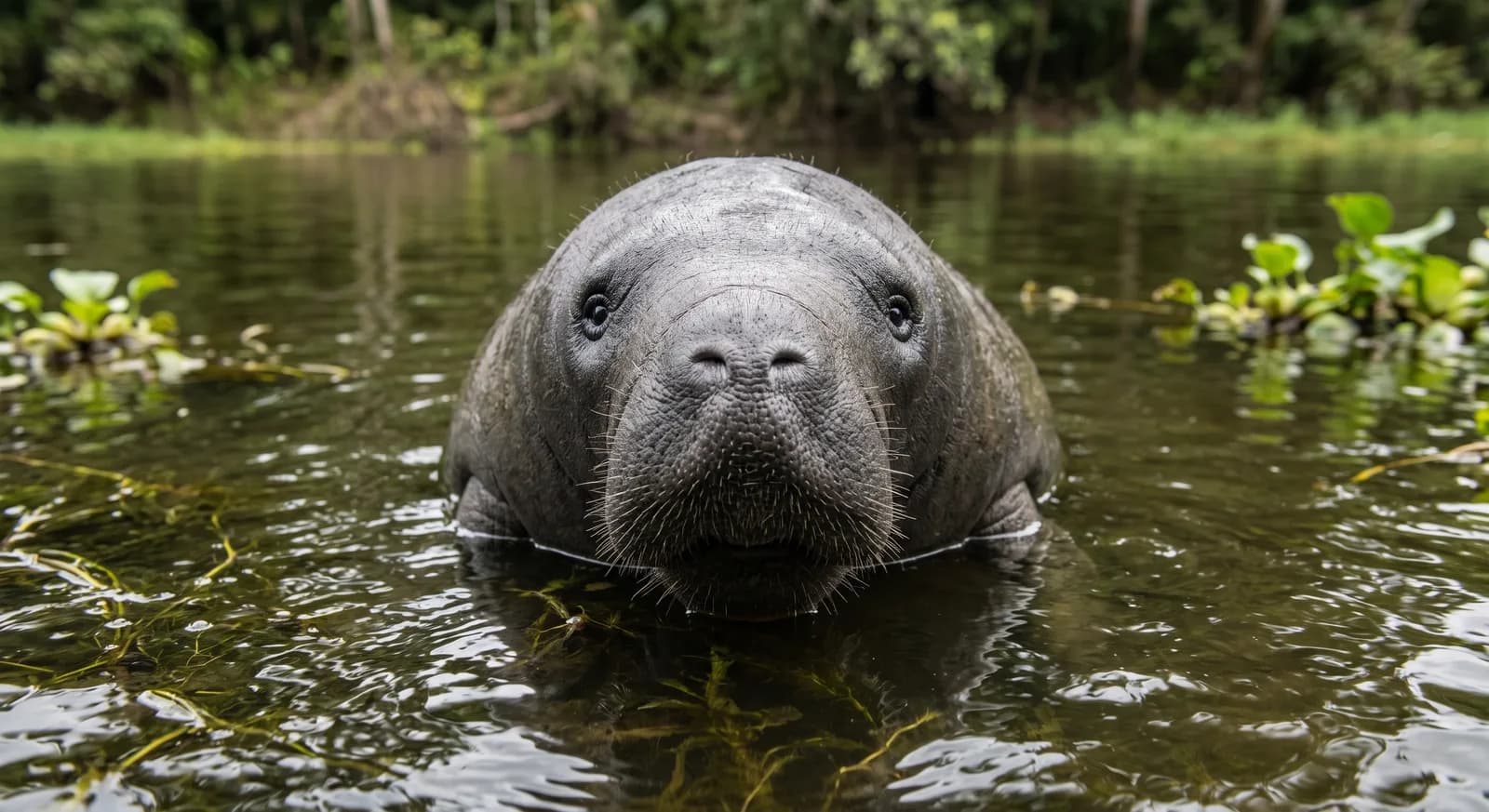
Amazonian Manatee
Trichechus inunguis
One of the 3 marmosets on WAnimals
Mammals · Primates · Callitrichidae
Cebuella pygmaea
At high risk of extinction in the wild over the medium term.
The pygmy marmoset is the smallest monkey in the world: an adult fits in the palm of a hand. It lives in the western Amazon, always close to watercourses, in family groups of between two and nine individuals. Its dietary speciality is gum: it opens holes in the bark of particular trees with adapted lower incisors and returns to them day after day to lick the oozing sap. It rounds out its diet with insects, nectar and small fruit.
Weight
85 g – 140 g
Size
12 cm – 16 cm
Life expectancy
12 years
Diet
Herbivore
Feeds mainly on plants.
Activity
Diurnal
Active mainly during the day.
Social structure
Family group
Lives in small family groups with close bonds.
Sources consulted: Wikipedia (es): Cebuella pygmaea
Best time: All year round in western Amazonia, by day; it is found on trunks by the rows of holes it gouges to extract gum.
The pins mark the parks where its presence is documented.
Parks and dive sites where this species has been documented.
Other species in the catalogue with the most in common with Northern Pygmy Marmoset — same habitat, park, country, tags or family.
The northern pygmy marmoset is classified as vulnerable. Organisations such as the IUCN, WWF and the Wildlife Conservation Society work specifically on its conservation and that of its habitat; looking into their programmes is a good starting point if you want to get involved.
It's documented in 8 protected areas — one reason why protecting these places matters for its conservation.
Based on what we already know about northern pygmy marmoset.