Skip to content
WAnimals
  • Map
  • Species
  • Parks
  • Diving
Log inCreate account
WAnimals

The guide for travellers and animal lovers: discover, plan and share your wild adventures around the world.

Discover wildlife

  • Species
  • Ecosystems
  • Glossary
  • Tags

Explore places

  • Map
  • Countries
  • Parks
  • Diving

Plan experiences

  • Guides

Learn

  • Blog

Resources

  • Help centre
  • Contact
  • Install the app

Follow us

Account

  • Log in
  • Create account

© 2026 WAnimals. All rights reserved.

About usHow we build our profilesTerms of servicePrivacyLegal notice
MapSpeciesParksDiving
  1. Home
  2. Species
  3. Emperor Tamarin

One of the 3 marmosets on WAnimals

Mammals · Primates · Callitrichidae

Emperor Tamarin

Saguinus imperator

Least Concern

The species is abundant and widely distributed; it faces no significant short-term risk.

Spotted something wrong?

The emperor tamarin is a small primate of the western Amazon, unmistakable for the extremely long white moustache that falls on either side of its mouth. It lives in family groups of between two and eight animals and feeds on fruit, nectar, sap and insects. It frequently forms mixed groups with Weddell's saddle-back tamarin, with which it shares territory, watchfulness and alarm calls: each species is better at detecting a different kind of predator.

Weight

300 g – 500 g

Size

23 cm – 26 cm

Life expectancy

17 years

Diet

Omnivore

Combines animal and plant food depending on availability.

Activity

Diurnal

Active mainly during the day.

Social structure

Family group

Lives in small family groups with close bonds.

Sighting difficulty

Easy

Rainforest
3countries5parks3same family

Fun facts

  • GeneralIts drooping white moustache gave it its name, because it resembled that of Kaiser Wilhelm II.
  • Its name comes from the German emperor Wilhelm II: the zoologist who described it gave it the epithet imperator half in jest, because its moustache resembled the Kaiser's, and the name ended up becoming official.
  • It forms stable mixed groups with another tamarin species: they travel and feed together and share alarm calls, an interspecific alliance that works because each of them watches a different layer of the forest.

Life cycle and biology

Skeleton type
Vertebrate - internal bony skeleton (mammal)
Habitat and environment
Middle storey of the rainforests of the south-western Amazon, secondary forest included
Birth weight
Born with its eyes open, clinging to its mother's fur from the first day
Size at birth
Born with its eyes open, clinging to its mother's fur from the first day
Sexual maturity
17.9 months
Gestation / incubation
4.8 months
Litter / clutch size
2

Sources consulted: https://es.wikipedia.org/wiki/Saguinus_imperator

Where to find it

Best time: All year round in south-western Amazonia, by day; it often travels alongside other tamarin species in mixed groups.

Loading map…

The pins mark the parks where its presence is documented.

Where to see it

Parks and dive sites where this species has been documented.

Related species

Other species in the catalogue with the most in common with Emperor Tamarin — same habitat, park, country, tags or family.

Same taxonomic family
Shares a park
Same taxonomic family
Shares a park
Shares a park

Keep exploring

Based on what we already know about emperor tamarin.

Comments

Share an experience, a fun fact or a tip for seeing the emperor tamarin.

Be the first to comment.
See full glossary
This page in other languages: Español · Deutsch · Français · Português · Italiano
See its range on the interactive map→
ManuPeru
TambopataPeru
MadidiBolivia
Bahuaja-SonenePeru
Alto PurúsPeru
Vulnerable

Northern Pygmy Marmoset

Cebuella pygmaea

Least Concern

Common Marmoset

Callithrix jacchus

Least Concern

Bolivian Squirrel Monkey

Saimiri boliviensis

Endangered

Golden Lion Tamarin

Leontopithecus rosalia

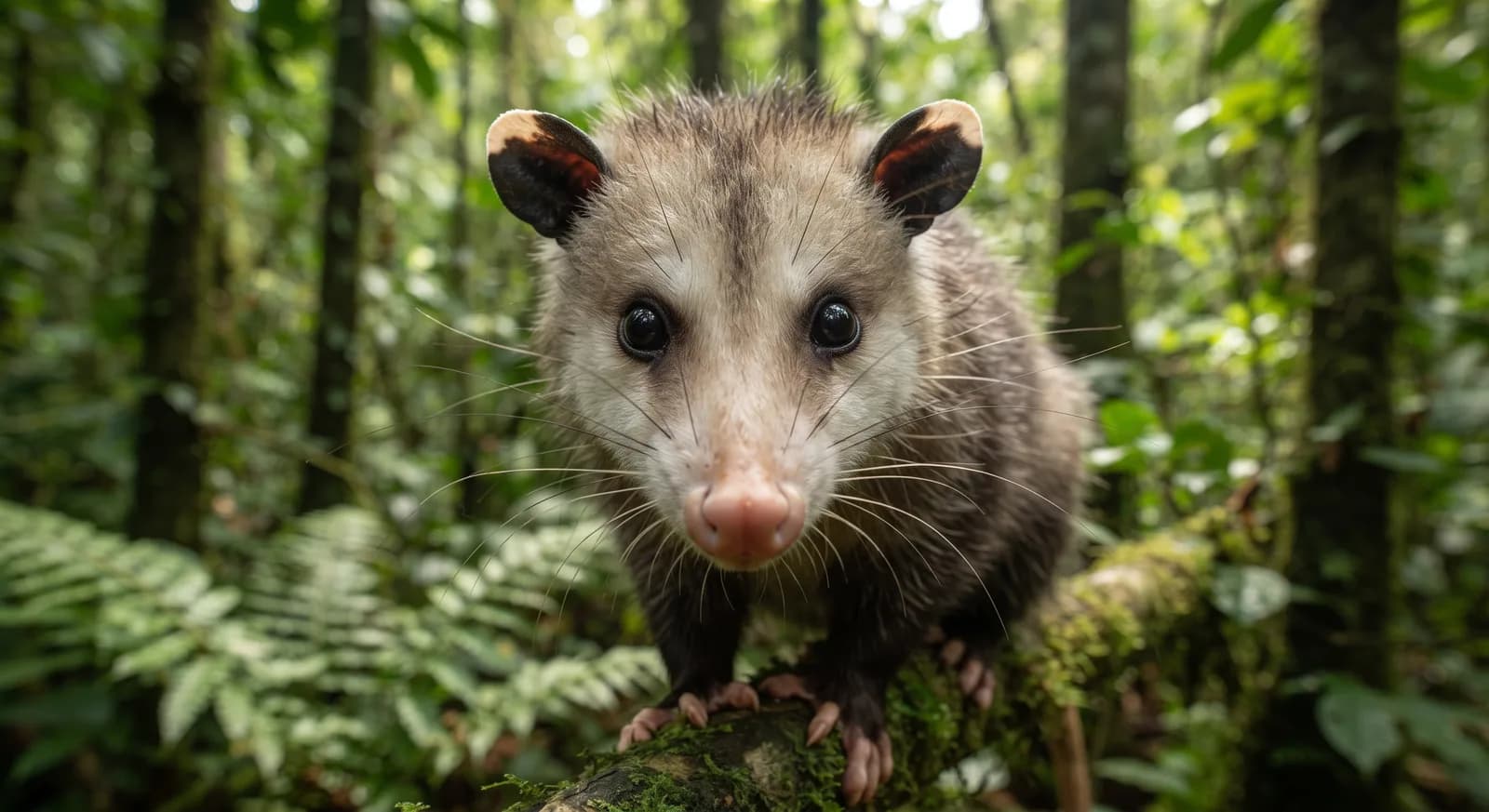
Common OpossumLeast Concern

Common Opossum

Didelphis marsupialis

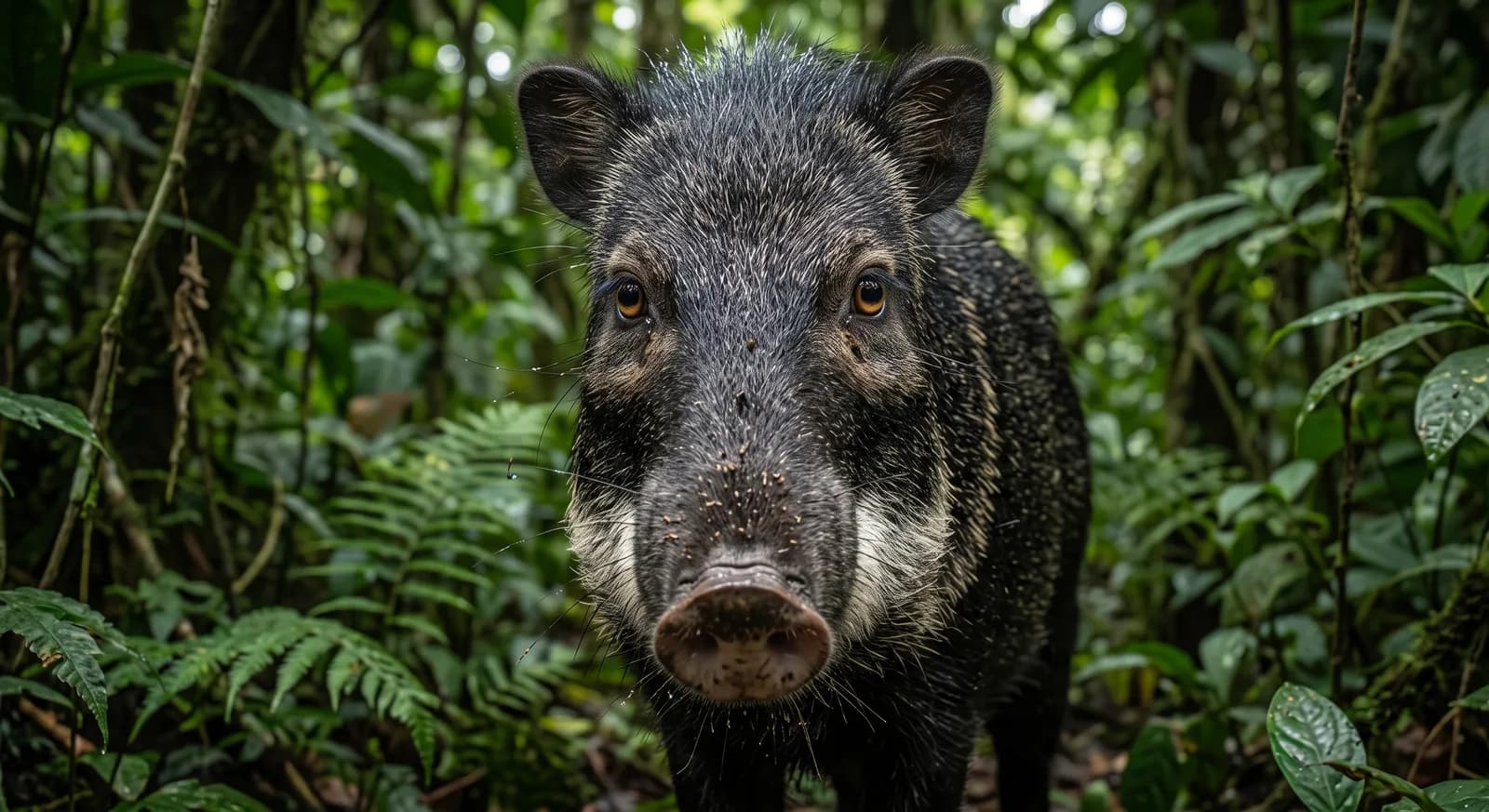
White-Lipped PeccaryVulnerable

White-Lipped Peccary

Tayassu pecari

CountriesPeru
ParksManuPeru
TagsOmnivore
Omnivore
Diurnal
Family group
Rainforest
Mammal
Peru
Bolivia
Brazil