Skip to content
WAnimals
  • Map
  • Species
  • Parks
  • Diving
Log inCreate account
WAnimals

The guide for travellers and animal lovers: discover, plan and share your wild adventures around the world.

Discover wildlife

  • Species
  • Ecosystems
  • Glossary
  • Tags

Explore places

  • Map
  • Countries
  • Parks
  • Diving

Plan experiences

  • Guides

Learn

  • Blog

Resources

  • About us
  • How we build our profiles
  • Help centre
  • Contact
  • Install the app

Follow us

Account

  • Log in
  • Create account

© 2026 WAnimals. All rights reserved.

Terms of servicePrivacyCookiesLegal notice
MapSpeciesParksDiving
  1. Home
  2. Species
  3. Red-Footed Tortoise

One of the 41 turtles and tortoises on WAnimals
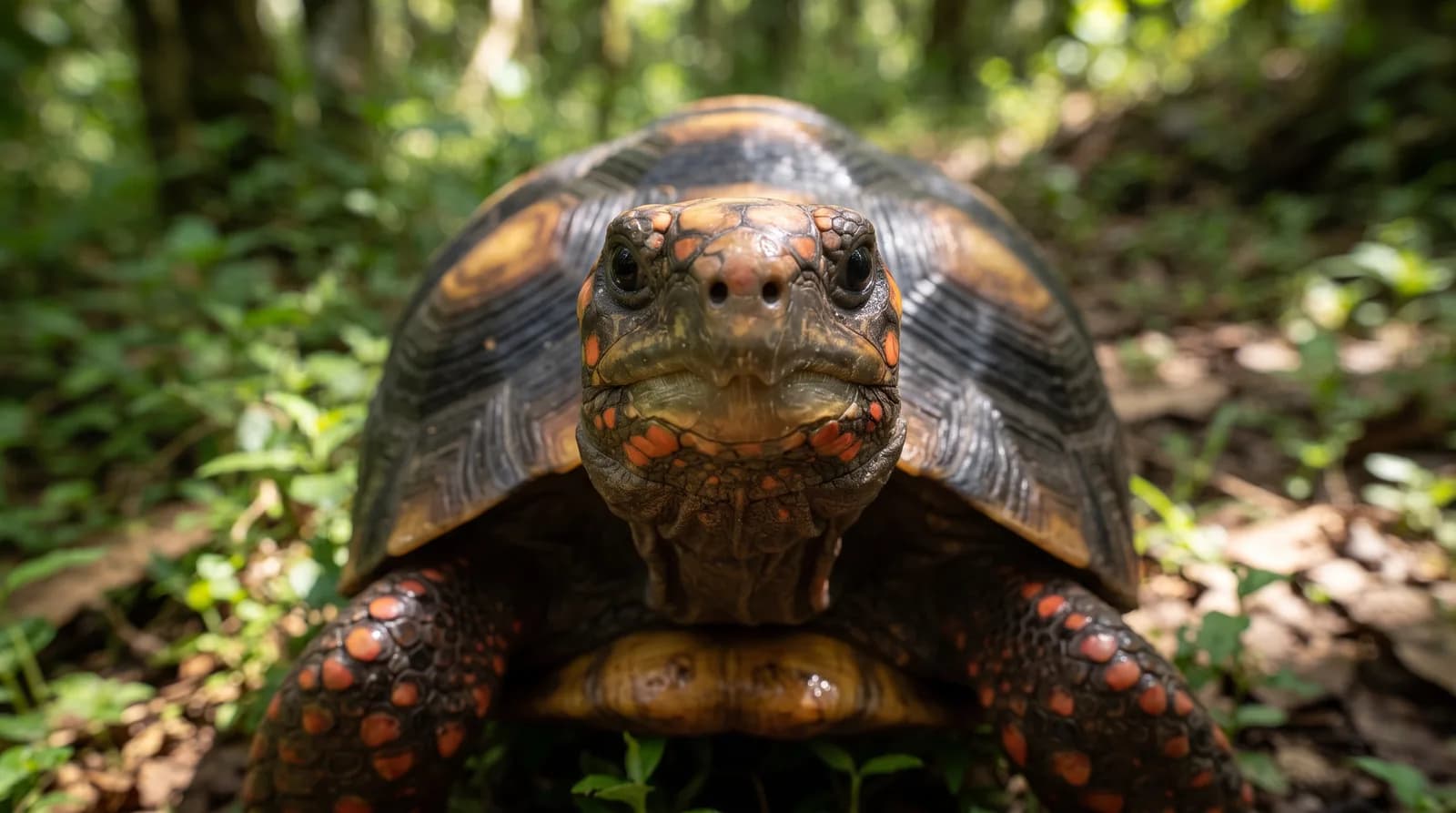
Red-Footed Tortoise (Chelonoidis carbonarius)

Reptiles · Testudines · Testudinidae

Red-Footed Tortoise

Chelonoidis carbonarius

Vulnerable

At high risk of extinction in the wild over the medium term.

Spotted something wrong?

The red-footed tortoise or morrocoy is a South American land tortoise with red or orange markings on its legs and head. It is omnivorous and a first-rate seed disperser in the forests where it lives. It is caught in large numbers for human consumption, above all during Holy Week in several countries of the continent.

Weight

10 kg – 25 kg

Size

30 cm – 50 cm

Life expectancy

60 years
Diet

Herbivore

Feeds mainly on plants.

Activity

Diurnal

Active mainly during the day.

Social structure

Solitary

Lives and hunts alone, joining others only to breed.

SavannaRainforestTemperate forest
10countries44parks13same family

AI-generated images: illustrations, not photographs.

Fun facts

  • GeneralThe males cluck like a hen in courtship.
  • It is a key seed disperser: it swallows fruit whole and deposits the seeds far from the parent tree, and several plants of Amazonia and the cerrado germinate better after passing through its gut.
  • Its capture for food soars during Holy Week in several South American countries, when it is traditionally regarded as meat permitted during abstinence, and that seasonal pressure is one of its main threats.
  • It has been shown experimentally that it learns by watching other tortoises and that it solves mazes by remembering the route, cognitive abilities that were underestimated in chelonians.

Life cycle and biology

Skeleton type
Vertebrate - internal bony skeleton with a shell (reptile)
Habitat and environment
Dry forest, wooded savannah, cerrado and forest edges of northern and central South America
Sexual maturity
6 years
Gestation / incubation
140 days of incubation
Litter / clutch size
8 eggs

Sources consulted: Wikipedia (en): Red-footed tortoise

Where to find it

Loading map…

Where to see it

Parks and dive sites where this species has been documented — showing 10 of 44.

Related species

Other species in the catalogue with the most in common with Red-Footed Tortoise — same habitat, park, country, tags or family.

Shares a park
Shares a park
Shares a park
Shares a park
Shares a park
Shares a park

How to help

The red-footed tortoise is classified as vulnerable. Organisations such as the IUCN, WWF and the Wildlife Conservation Society work specifically on its conservation and that of its habitat; looking into their programmes is a good starting point if you want to get involved.

It's documented in 8 protected areas — one reason why protecting these places matters for its conservation.

Keep exploring

Based on what we already know about red-footed tortoise.

Share an experience, a fun fact or a tip for seeing the red-footed tortoise.
See full glossary
This page in other languages: Español · Deutsch · Français · Português · Italiano

The pins mark the parks where its presence is documented.

See its range on the interactive map→
Tobago Main RidgeTrinidad and Tobago
TalampayaArgentina
Ischigualasto (Valley of the Moon)Argentina
IberáArgentina
El PalmarArgentina
Pantanal MatogrossenseBrazil
Chapada DiamantinaBrazil
Lencois MaranhensesBrazil
TayronaColombia
AmacayacuColombia
See all 44 parks
Giant ArmadilloVulnerable

Giant Armadillo

Priodontes maximus

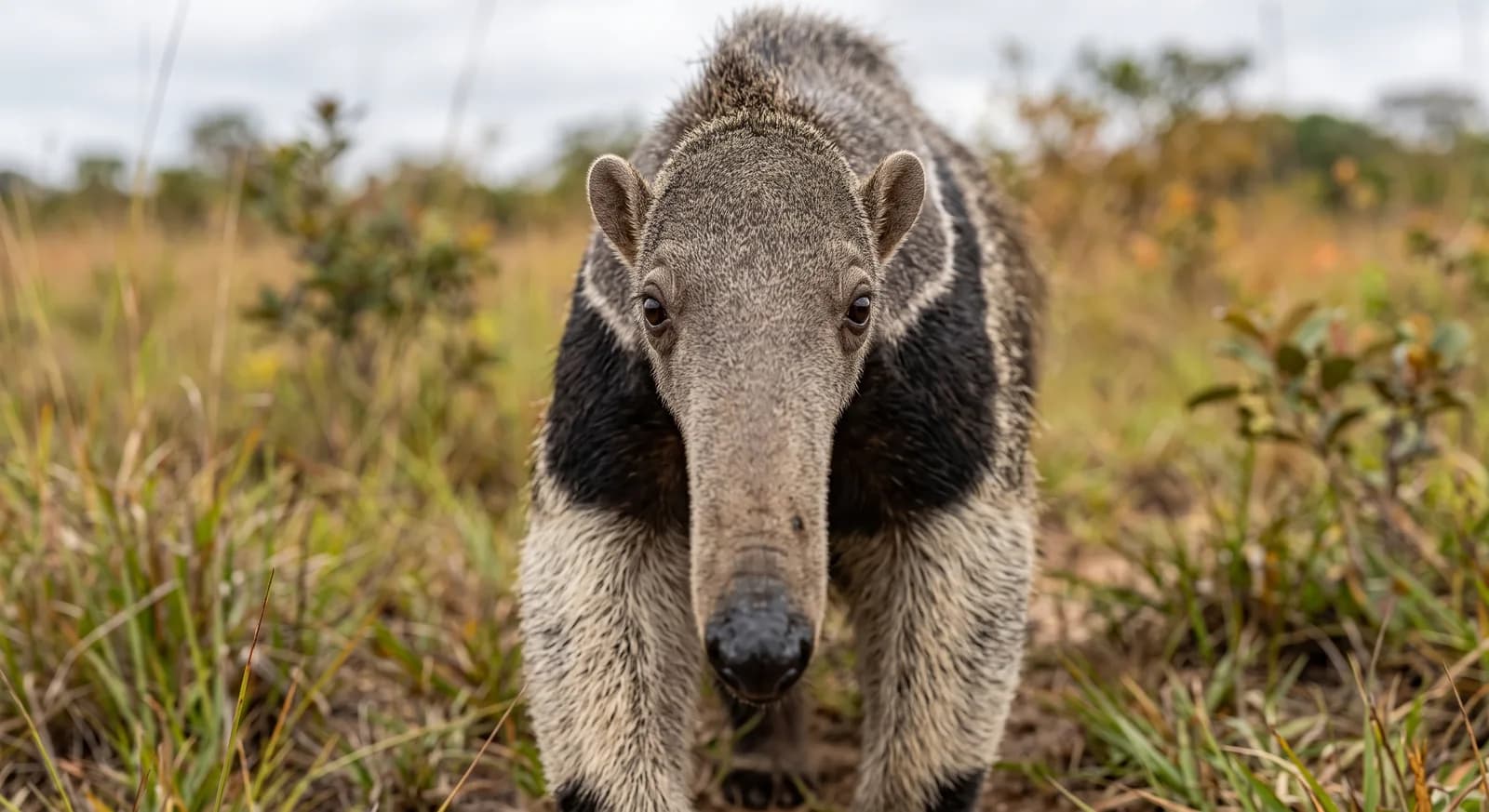
Giant AnteaterVulnerable

Giant Anteater

Myrmecophaga tridactyla

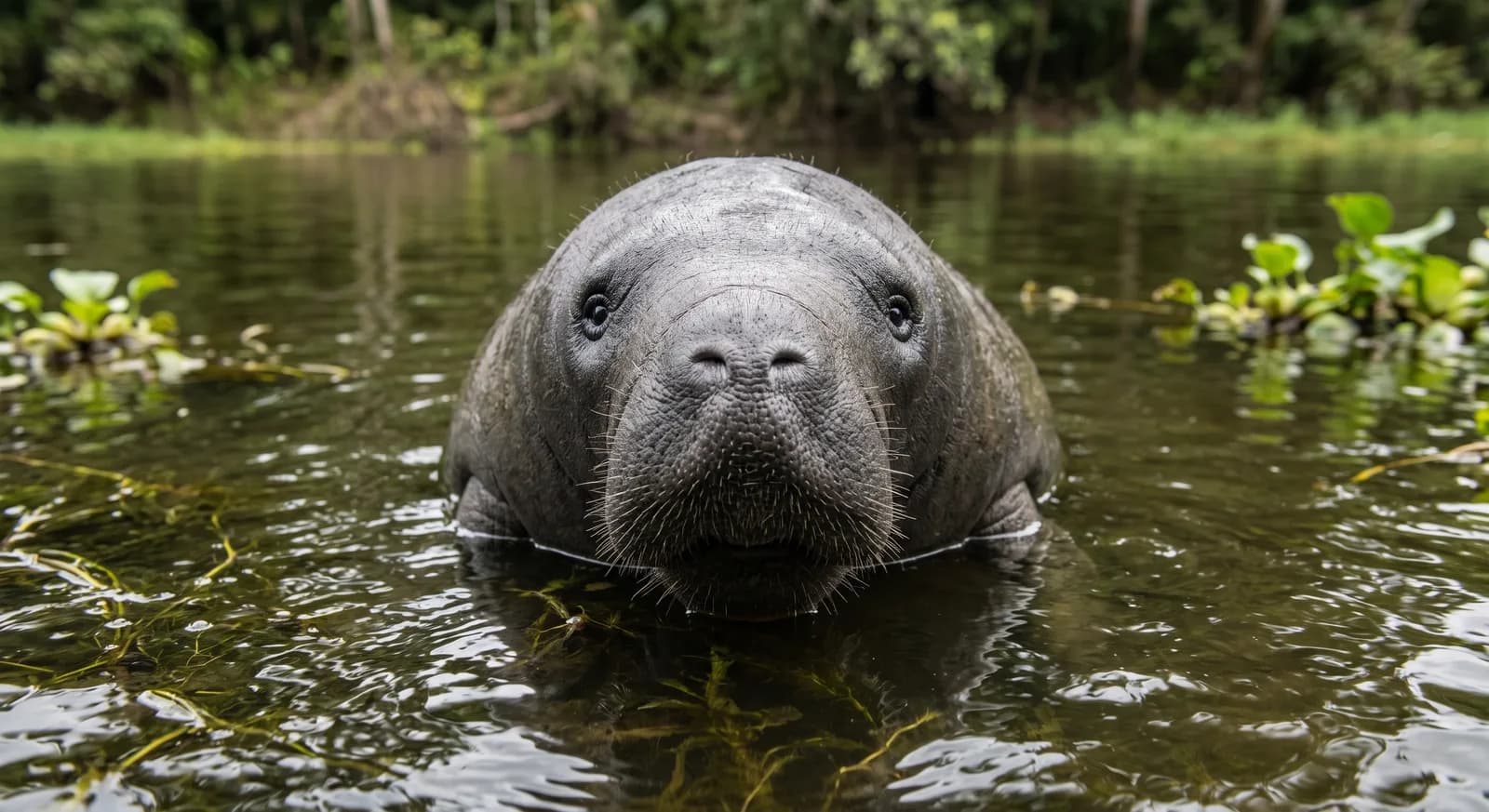
Amazonian ManateeVulnerable

Amazonian Manatee

Trichechus inunguis

Vulnerable

White Bald-headed Uakari

Cacajao calvus

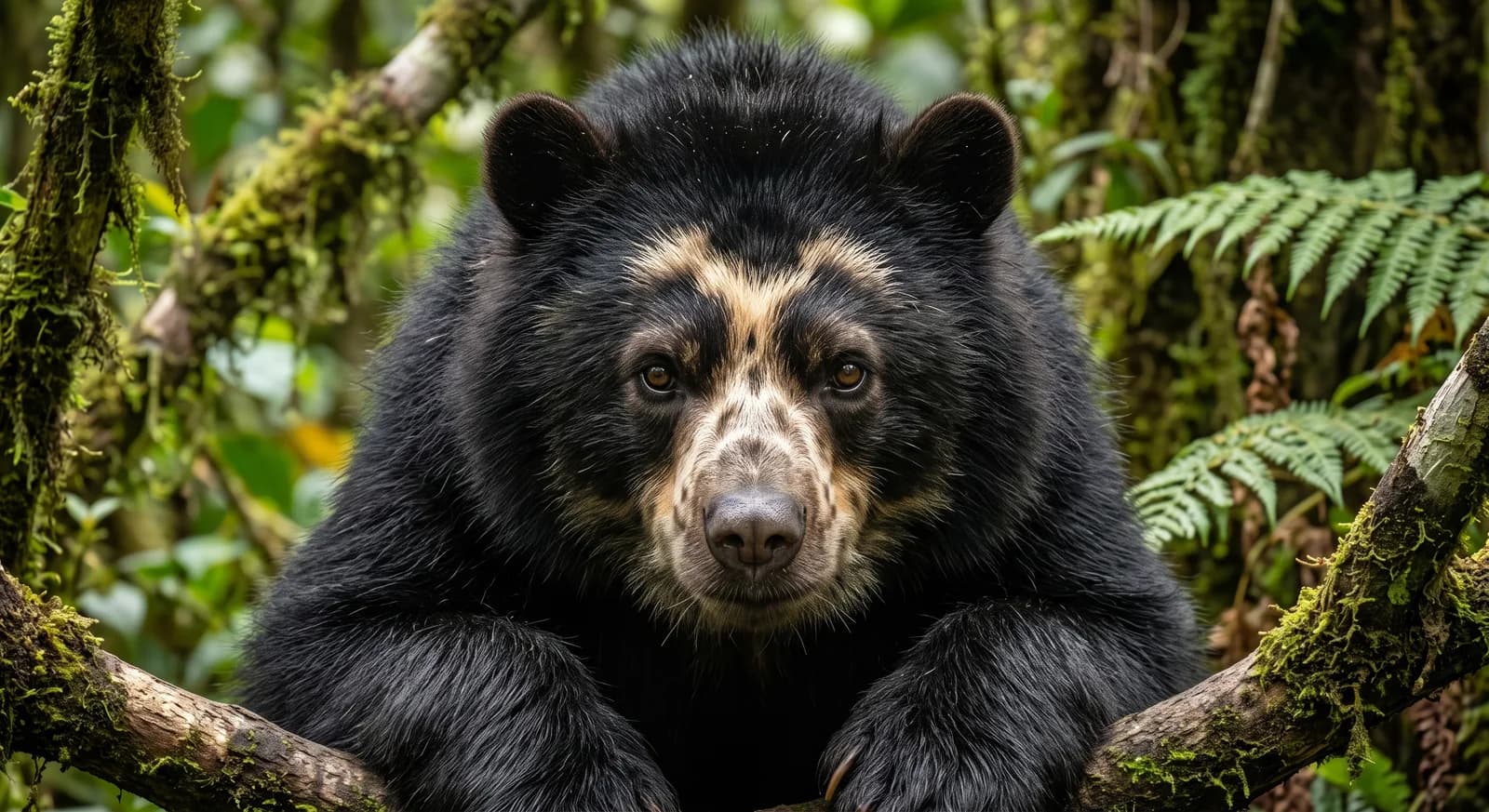
Andean BearVulnerable

Andean Bear

Tremarctos ornatus

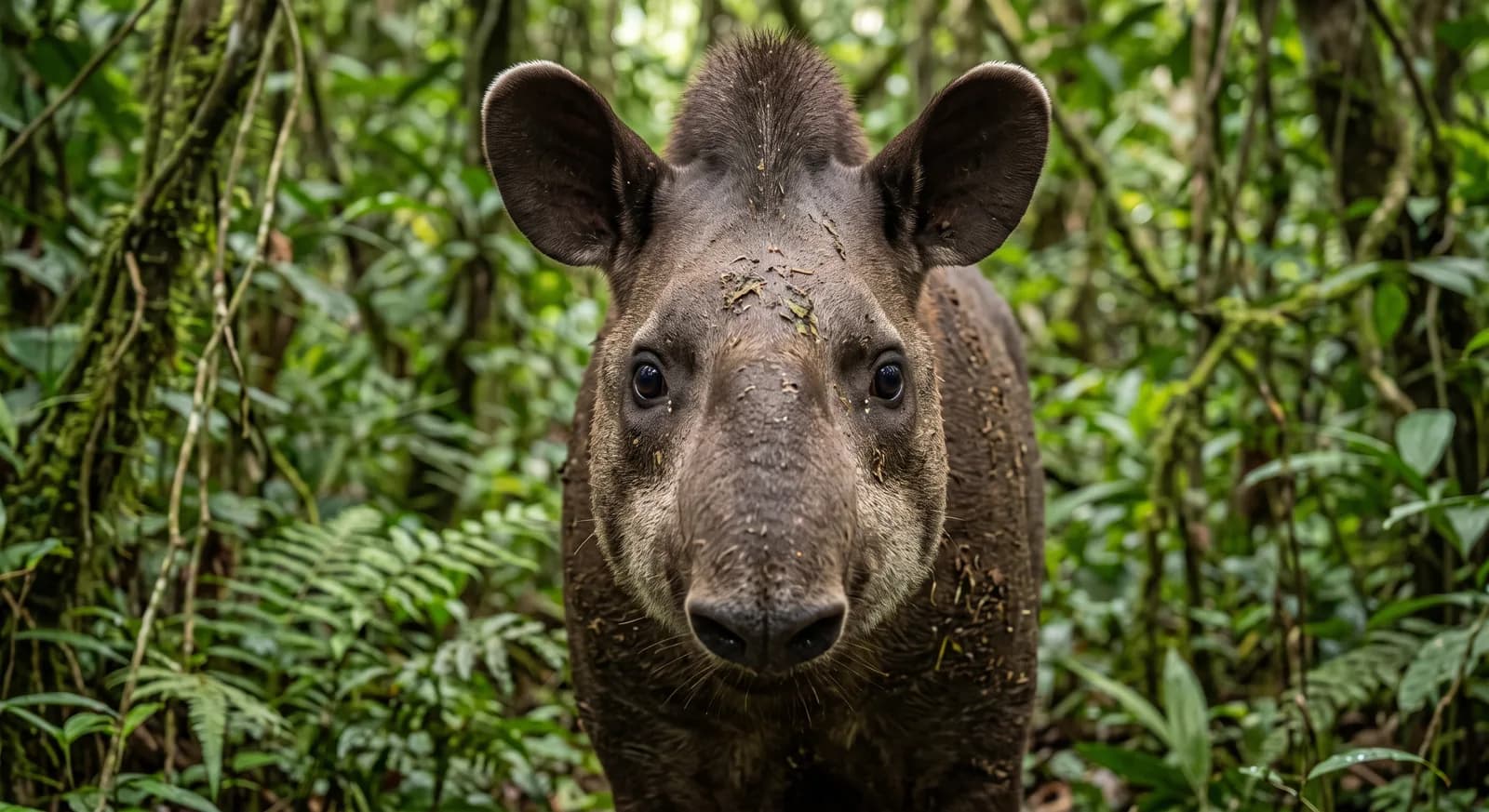
Lowland TapirVulnerable

Lowland Tapir

Tapirus terrestris

CountriesBrazil
ParksTobago Main RidgeTrinidad and Tobago
TagsHerbivore
Herbivore
Omnivore
Diurnal
Solitary
Vulnerable
Reptile
Savanna
Rainforest
Temperate forest

South America8

North America2

Brazil
Argentina
Bolivia
Colombia
Suriname
Paraguay
Argentina
Bolivia
Brazil
Colombia
Guyana
Paraguay
Suriname
Venezuela
Panama
Trinidad and Tobago