Skip to content
WAnimals
  • Map
  • Species
  • Parks
  • Diving
Log inCreate account
WAnimals

The guide for travellers and animal lovers: discover, plan and share your wild adventures around the world.

Discover wildlife

  • Species
  • Ecosystems
  • Glossary
  • Tags

Explore places

  • Map
  • Countries
  • Parks
  • Diving

Plan experiences

  • Guides

Learn

  • Blog

Resources

  • About us
  • How we build our profiles
  • Help centre
  • Contact
  • Install the app

Follow us

Account

  • Log in
  • Create account

© 2026 WAnimals. All rights reserved.

Terms of servicePrivacyCookiesLegal notice
MapSpeciesParksDiving
  1. Home
  2. Species
  3. Giant Anteater

One of the 3 tamanduas on WAnimals
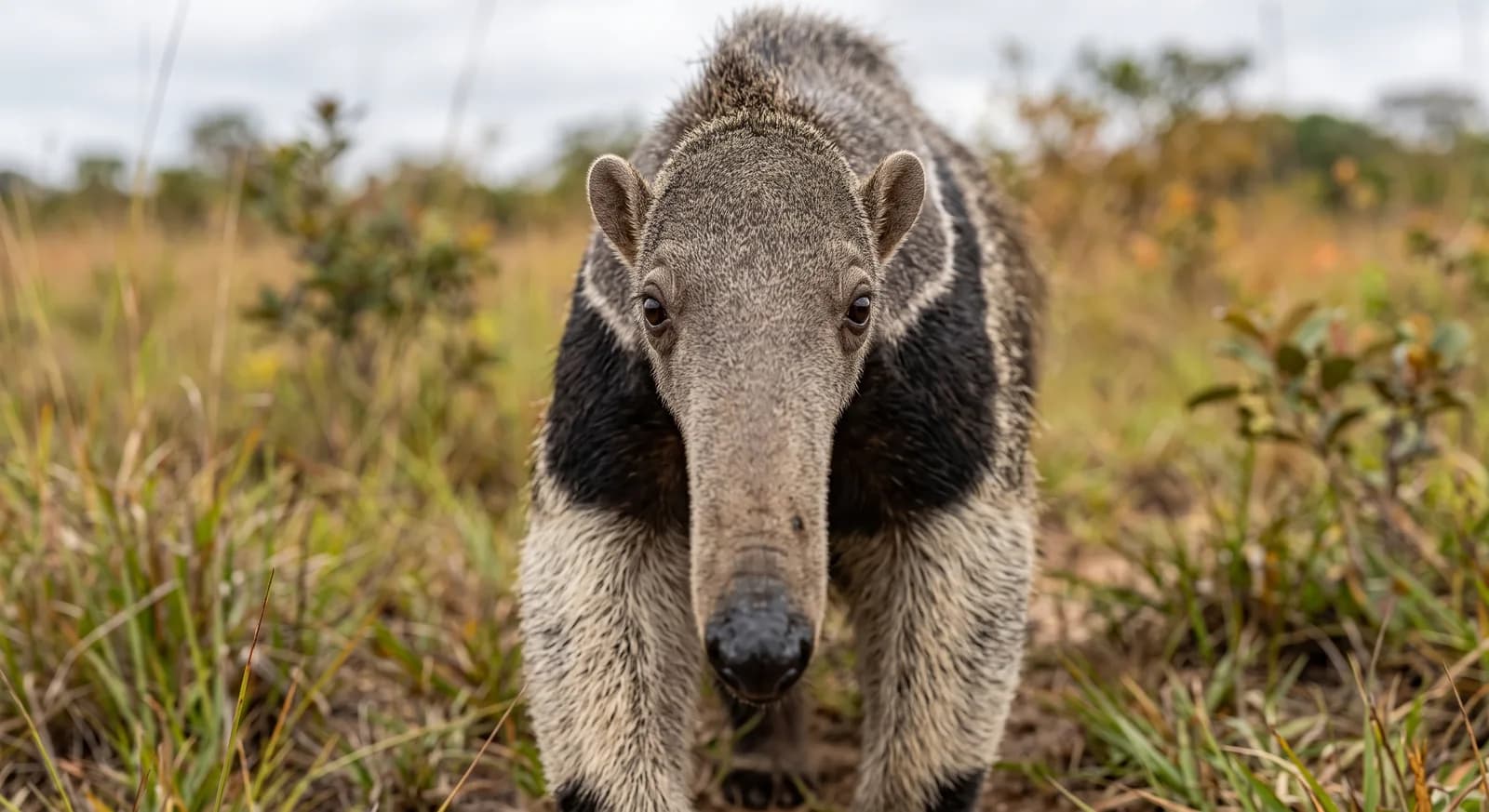
Giant Anteater (Myrmecophaga tridactyla)

Mammals · Pilosa · Myrmecophagidae

Giant Anteater

Myrmecophaga tridactyla

Vulnerable

At high risk of extinction in the wild over the medium term.

Spotted something wrong?

It eats up to 30,000 ants and termites a day, and never destroys a nest completely so that it can come back and feed from the same colony later.

Weight

18 kg – 45.5 kg

Size

1.8 m – 2.2 m

Life expectancy

15 years

Diet

Insectivore

Feeds mainly on insects and other invertebrates.

Activity

Irregular activity

Active at irregular times, by day or night depending on circumstances.

Social structure

Solitary

Lives and hunts alone, joining others only to breed.

SavannaRainforest
20countries23parks2same family1featured routes

AI-generated images: illustrations, not photographs.

Fun facts

  • It eats up to 30,000 ants and termites a day with a tongue that extends up to 61 cm.
  • It carries its pup on its back for about a year, the youngster's stripes lining up with its own as camouflage.
  • It never destroys a nest completely, so that it can come back and feed from the same colony.
  • anatomíaIt has no teeth, and its tongue — up to 60 cm long — flicks in and out of a nest as often as 150 times a minute.

Life cycle and biology

Skeleton type
Vertebrate - internal bony skeleton (mammal)
Habitat and environment
Tropical forest, savannah and grassland of Central and South America
Birth weight
1.3-1.6 kg at birth, fully furred and already in the adult pattern
Size at birth
1.3-1.6 kg at birth
Sexual maturity
2.5-4 years
Gestation / incubation
171-190 days (~6 months), possibly with delayed implantation
Litter / clutch size
1 pup per birth, carried on its mother's back for up to a year
Life expectancy in captivity
Documented record of up to 31 years

Sources consulted: Encyclopedia of Life · AnAge (genomics.senescence.info) · Wikipedia (Giant anteater) · PMC (threats conservation Cerrado study) · Animal Diversity Web · Zoo Thailand · SeaWorld/United Parks · Cleveland Metroparks · PMC (fecal hormone delayed implantation study)

Where to find it

Loading map…

The pins mark the parks where its presence is documented.

Where to see it

Parks and dive sites where this species has been documented — showing 10 of 23.

Related species

Other species in the catalogue with the most in common with Giant Anteater — same habitat, park, country, tags or family.

Same taxonomic family
Shares a park
Shares a park
Shares a park
Shares a park
Shares a park

How to help

The giant anteater is classified as vulnerable. Organisations such as the IUCN, WWF and the Wildlife Conservation Society work specifically on its conservation and that of its habitat; looking into their programmes is a good starting point if you want to get involved.

It's documented in 10 protected areas — one reason why protecting these places matters for its conservation.

Keep exploring

Based on what we already know about giant anteater.

Share an experience, a fun fact or a tip for seeing the giant anteater.
See full glossary
This page in other languages: Español · Deutsch · Français · Português · Italiano
See its range on the interactive map→
IberáArgentina
Iguaçu (Brazilian side)Brazil
Pantanal MatogrossenseBrazil
Chapada DiamantinaBrazil
TambopataPeru
MadidiBolivia
Noel Kempff MercadoBolivia
CanaimaVenezuela
Defensores del ChacoParaguay
South Suriname Nature ReserveSuriname
See all 23 parks
Southern TamanduaLeast Concern

Southern Tamandua

Tamandua tetradactyla

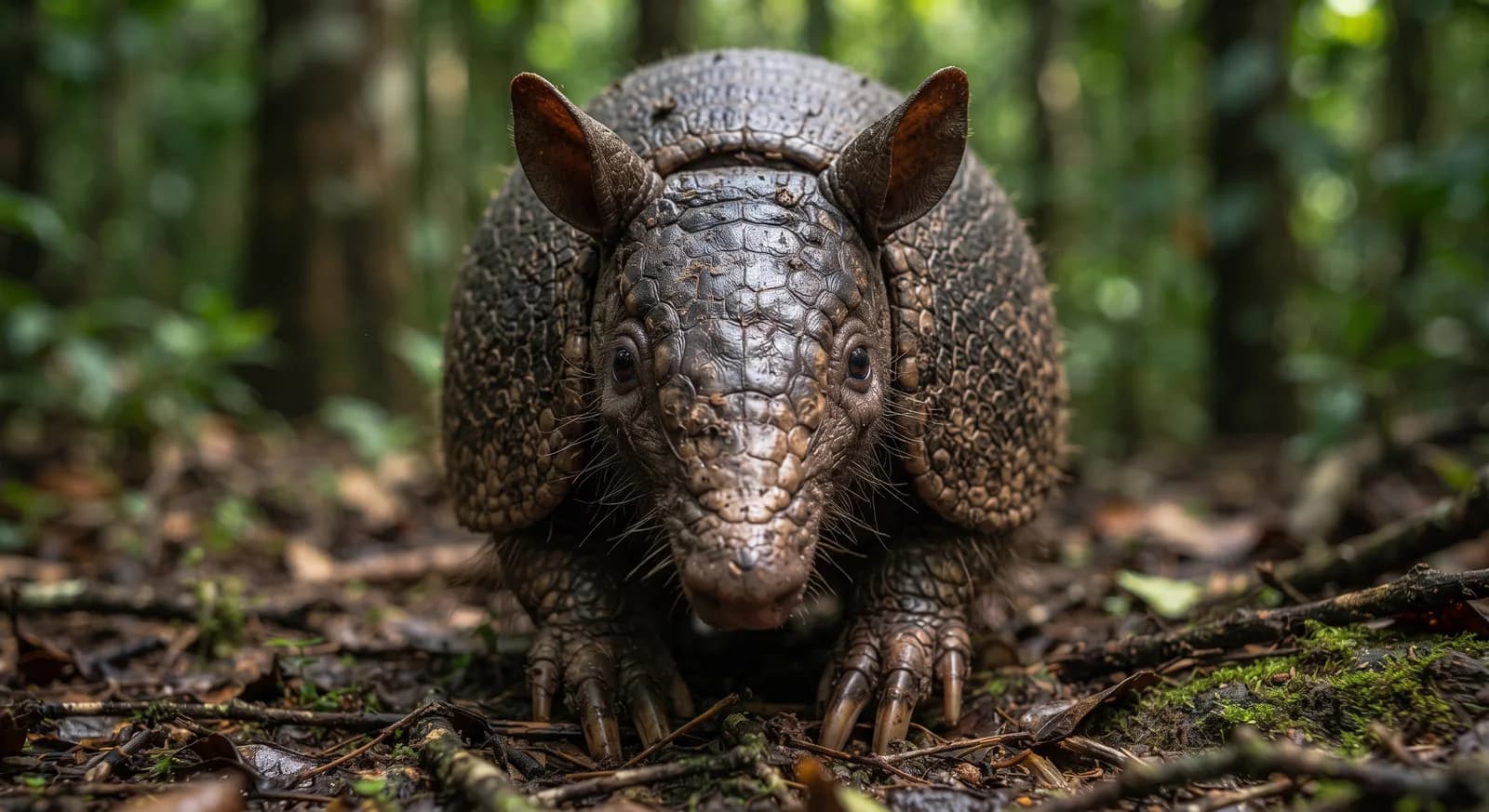
Giant ArmadilloVulnerable

Giant Armadillo

Priodontes maximus

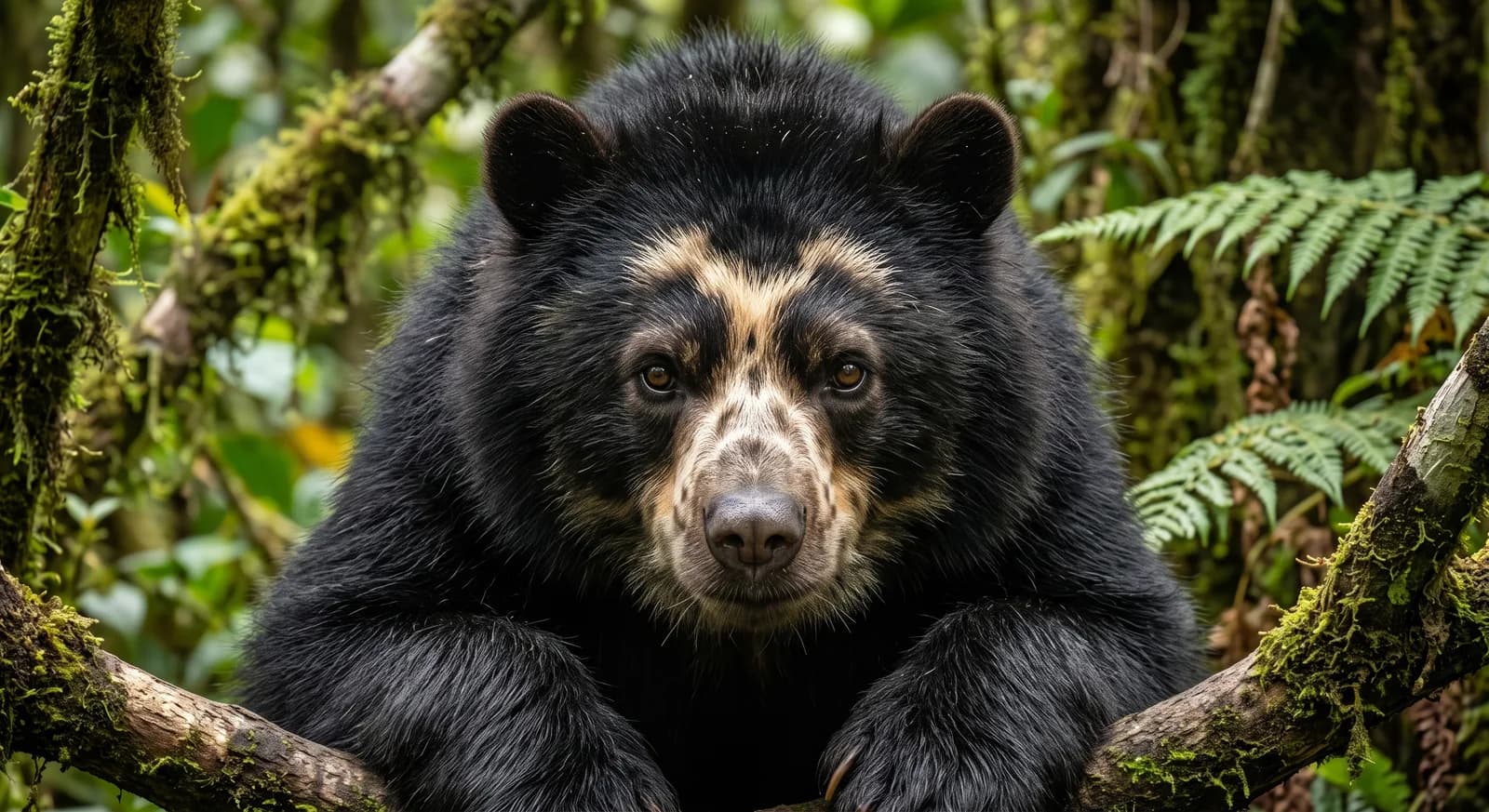
Andean BearVulnerable

Andean Bear

Tremarctos ornatus

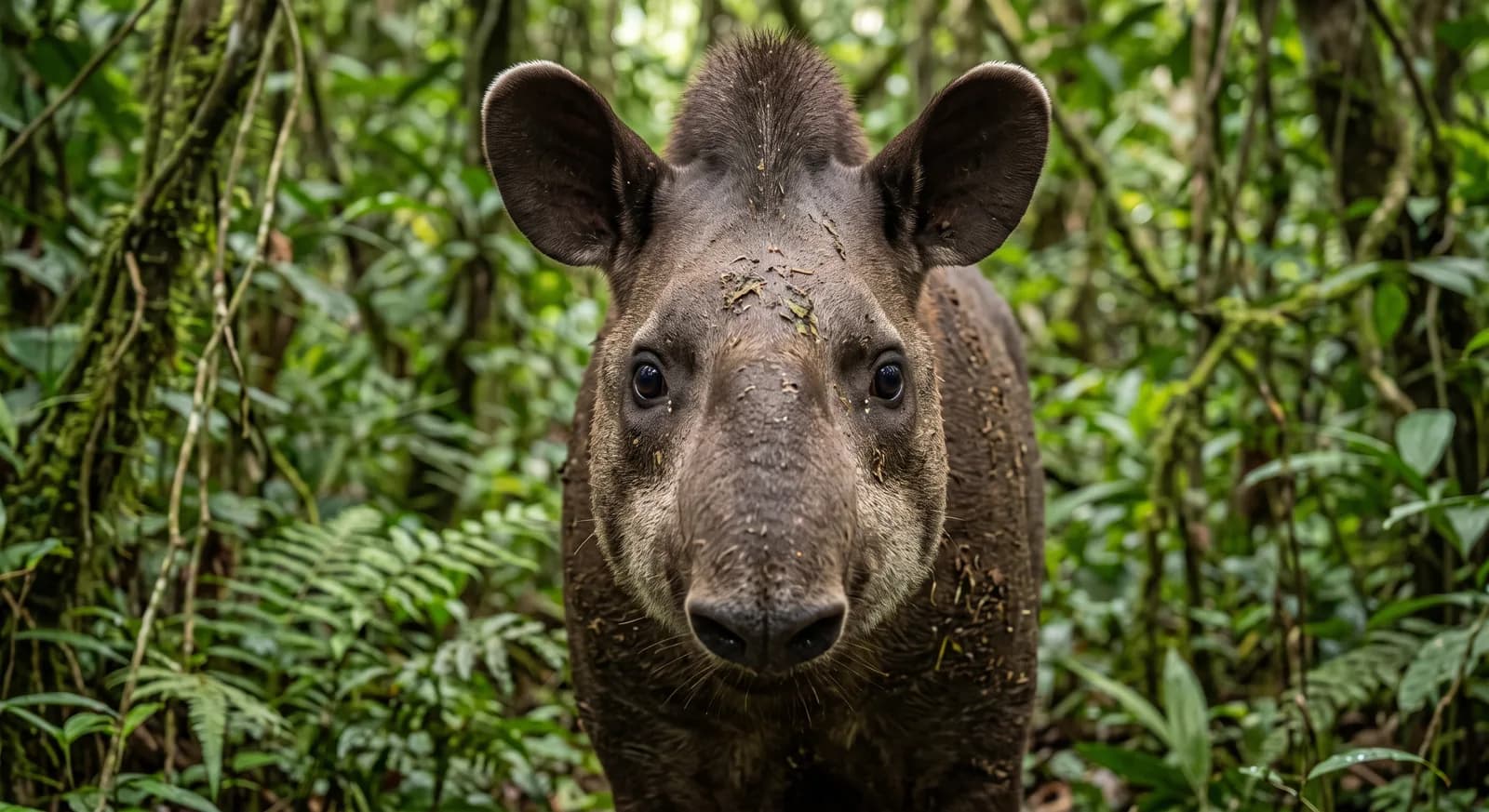
Lowland TapirVulnerable

Lowland Tapir

Tapirus terrestris

Vulnerable

Northern Tiger Cat

Leopardus tigrinus

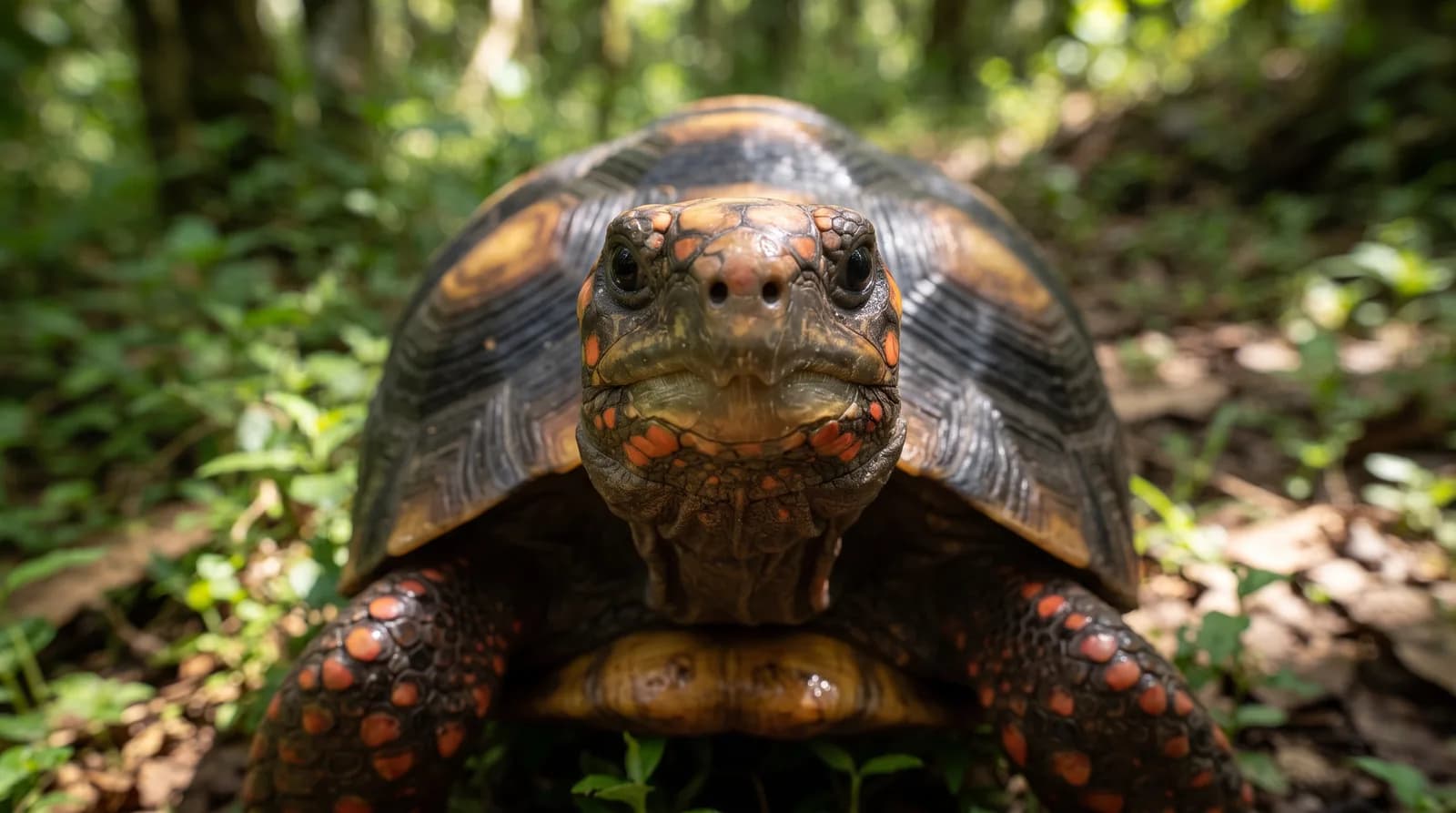
Red-Footed TortoiseVulnerable

Red-Footed Tortoise

Chelonoidis carbonarius

CountriesBrazil
ParksIberáArgentina
TagsInsectivore
Insectivore
Variable activity
Solitary
Vulnerable
Savanna
Rainforest
Mammal

South America11

North America9

Brazil
Argentina
Bolivia
Colombia
Peru
Suriname
Argentina
Bolivia
Brazil
Colombia
Ecuador
French Guiana
Guyana
Paraguay
Peru
Suriname
Venezuela
Belize
Costa Rica
El Salvador
Guatemala
Honduras
Mexico
Nicaragua
Panama
Trinidad and Tobago