The largest body of Aboriginal rock art in Victoria; its indigenous name, Gariwerd, has regained joint official recognition
Area
1,672 km²
Designated in
1984
Region
Victoria
Declared in 1984, Grampians National Park — also known by its indigenous name Gariwerd, in joint official recognition since the 1990s — protects a range of sedimentary sandstone folded millions of years ago, celebrated both for its panoramic viewpoints and for holding the largest body of Aboriginal rock art in the state of Victoria, with more than 90% of the region's known painting sites concentrated within its boundaries, created by the Jardwadjali and Djab Wurrung peoples over thousands of years.
1 dive site within 300 km is also shown.
Ecosystems found in Australia, where Grampians (Gariwerd) lies.
Where can I dive near here?
218 km away
What is worth looking out for this month in Australia?
Now is a good time: The Humpback Highway on Australia's east coast (May to November (northbound May to August, southbound return August to November))
Now is a good time: Red crab migration on Christmas Island (October to January (spawning Nov-Dec))
Which other parks are like this one?
Same country: Australia
Based on what we already know about this park.
Climate
Tropical, Arid / desert, Temperate, Mediterranean
Best season
March to May
Threatened:Koala,Brush-tailed Rock Wallaby
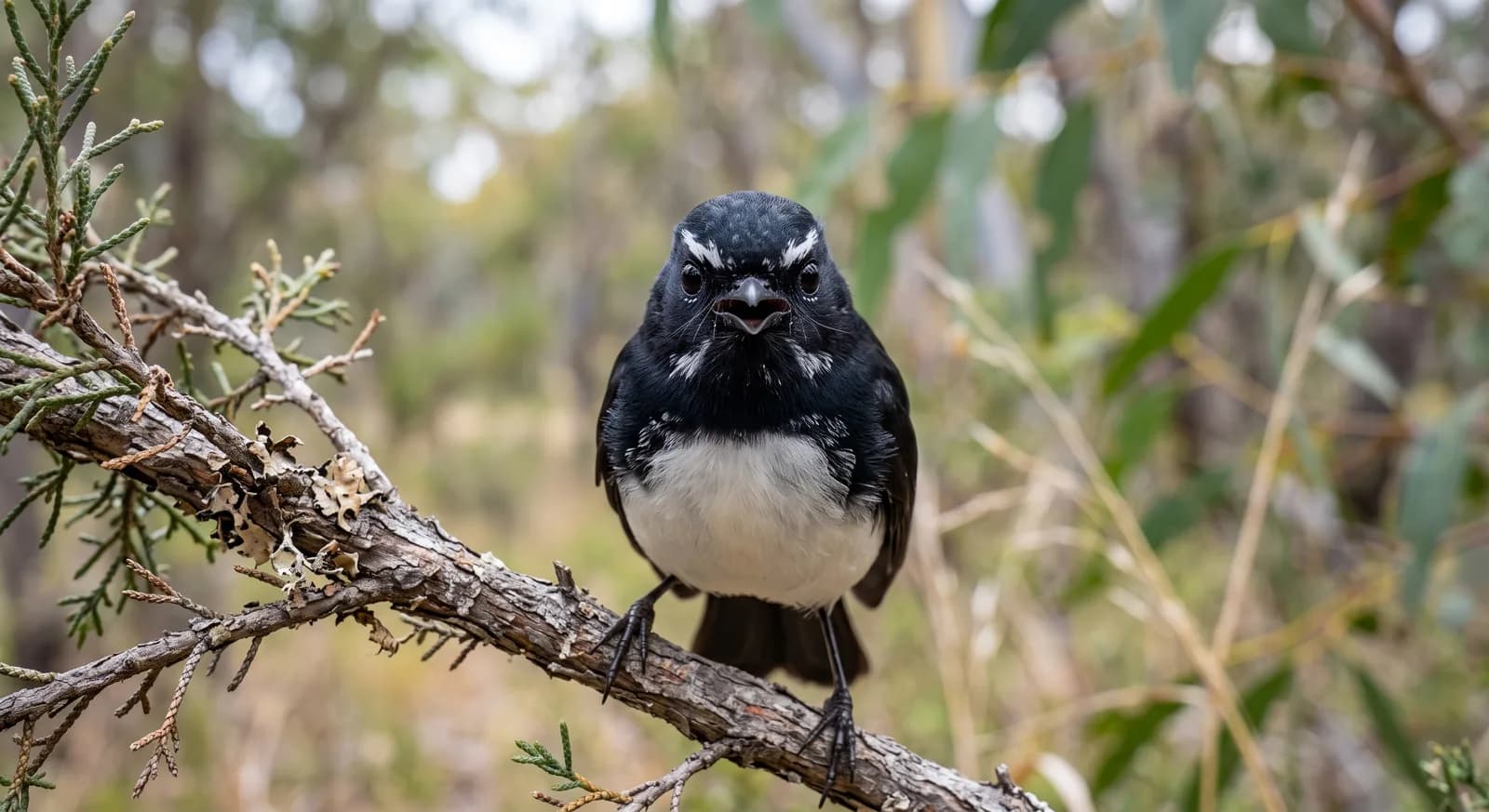
Least ConcernWillie Wagtail
Rhipidura leucophrys
Least ConcernWedge-tailed Eagle
Aquila audax
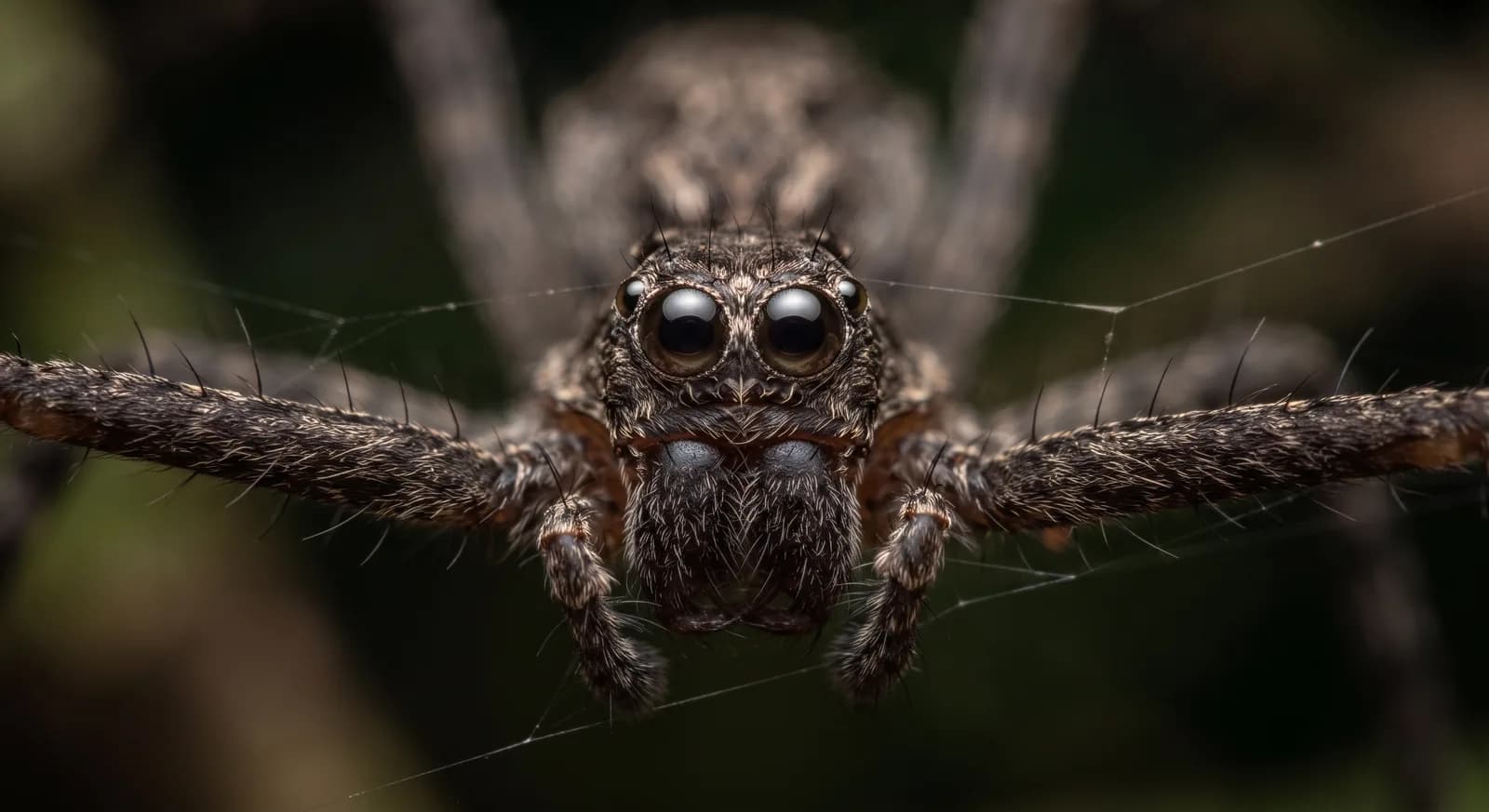
Not EvaluatedOgrefaced Spider
Deinopis spinosa
Least ConcernWestern Gray Kangaroo
Macropus fuliginosus
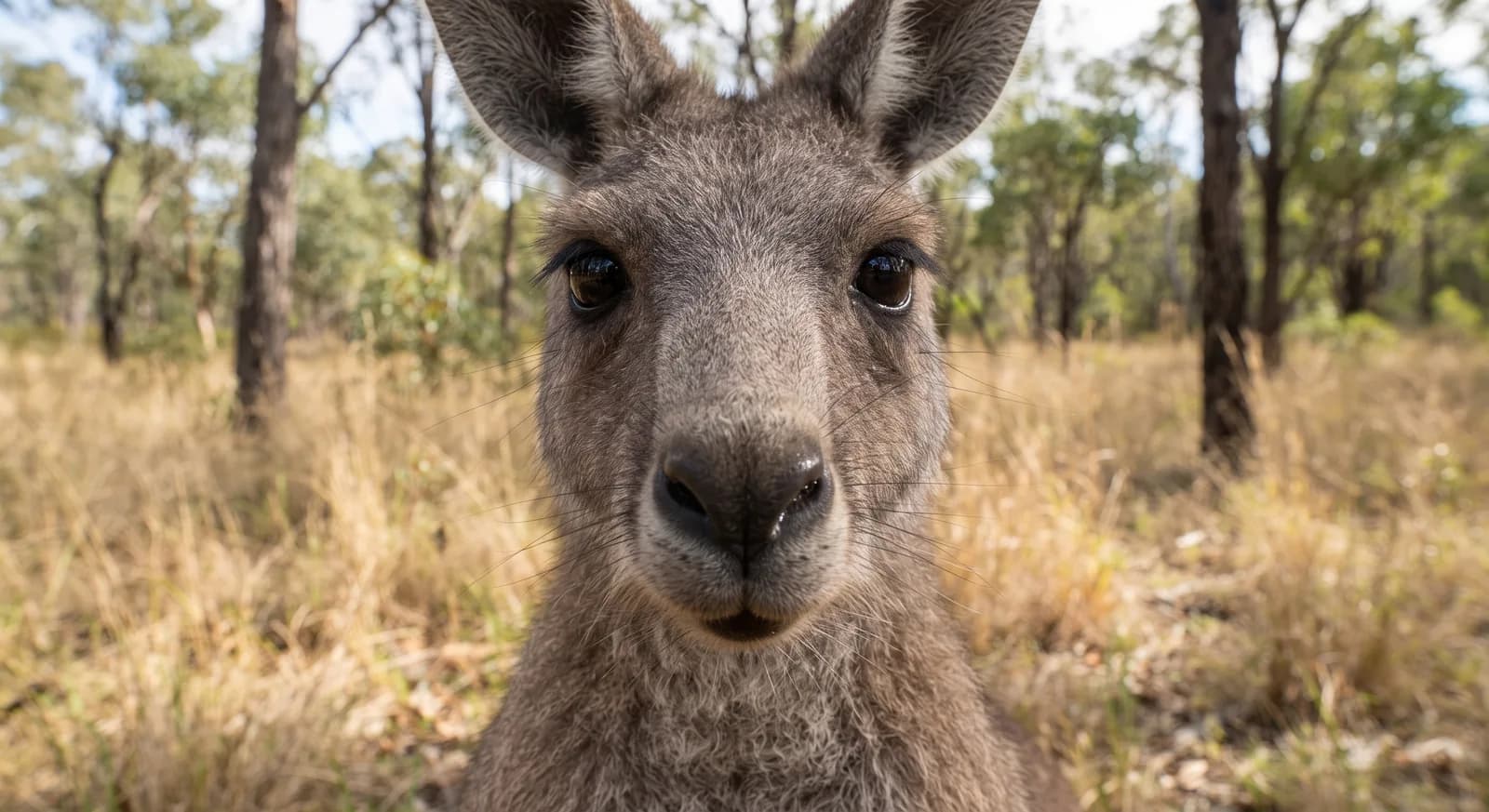
Least ConcernEastern Grey Kangaroo
Macropus giganteus
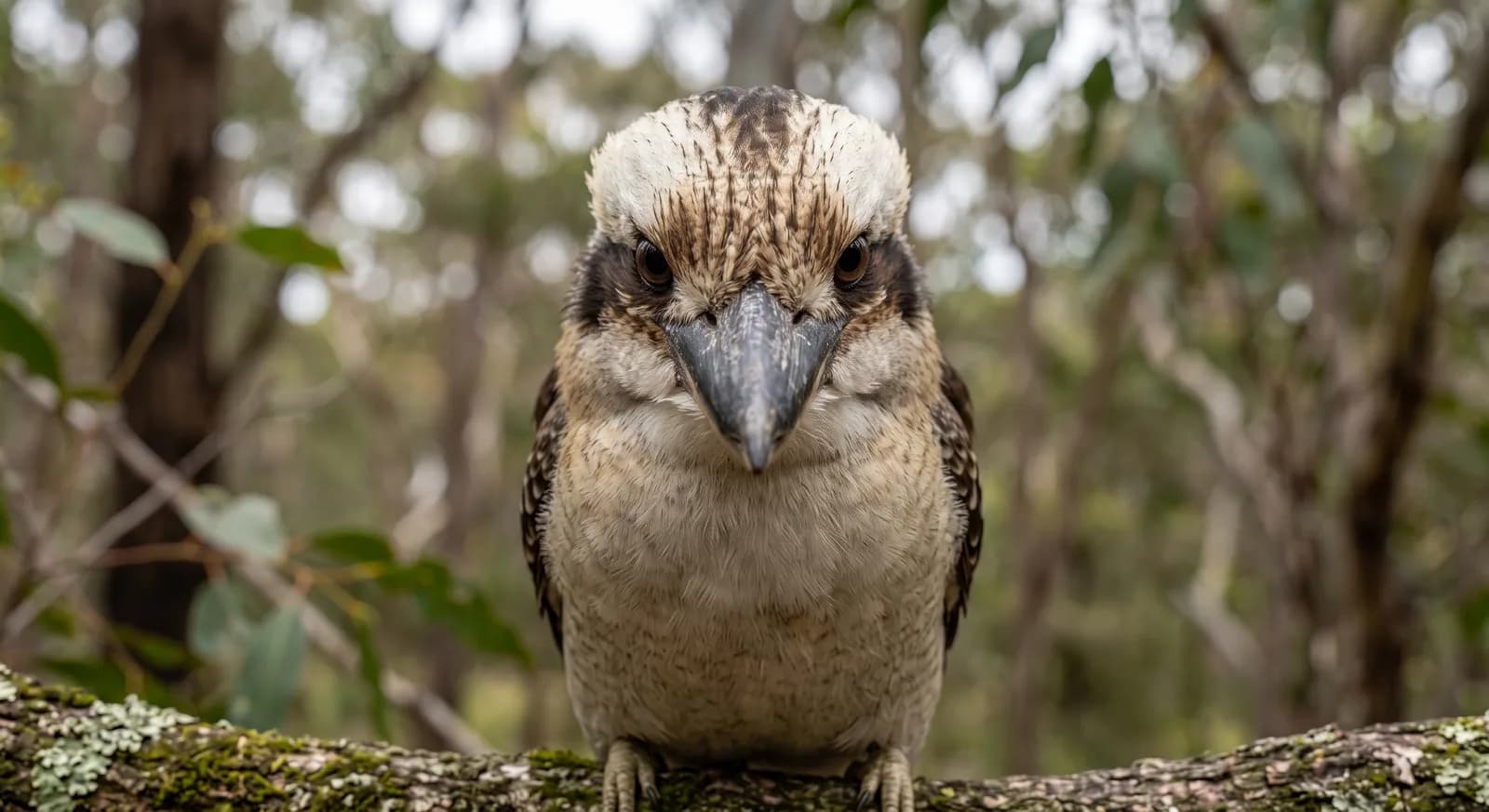
Least ConcernLaughing Kookaburra
Dacelo novaeguineae
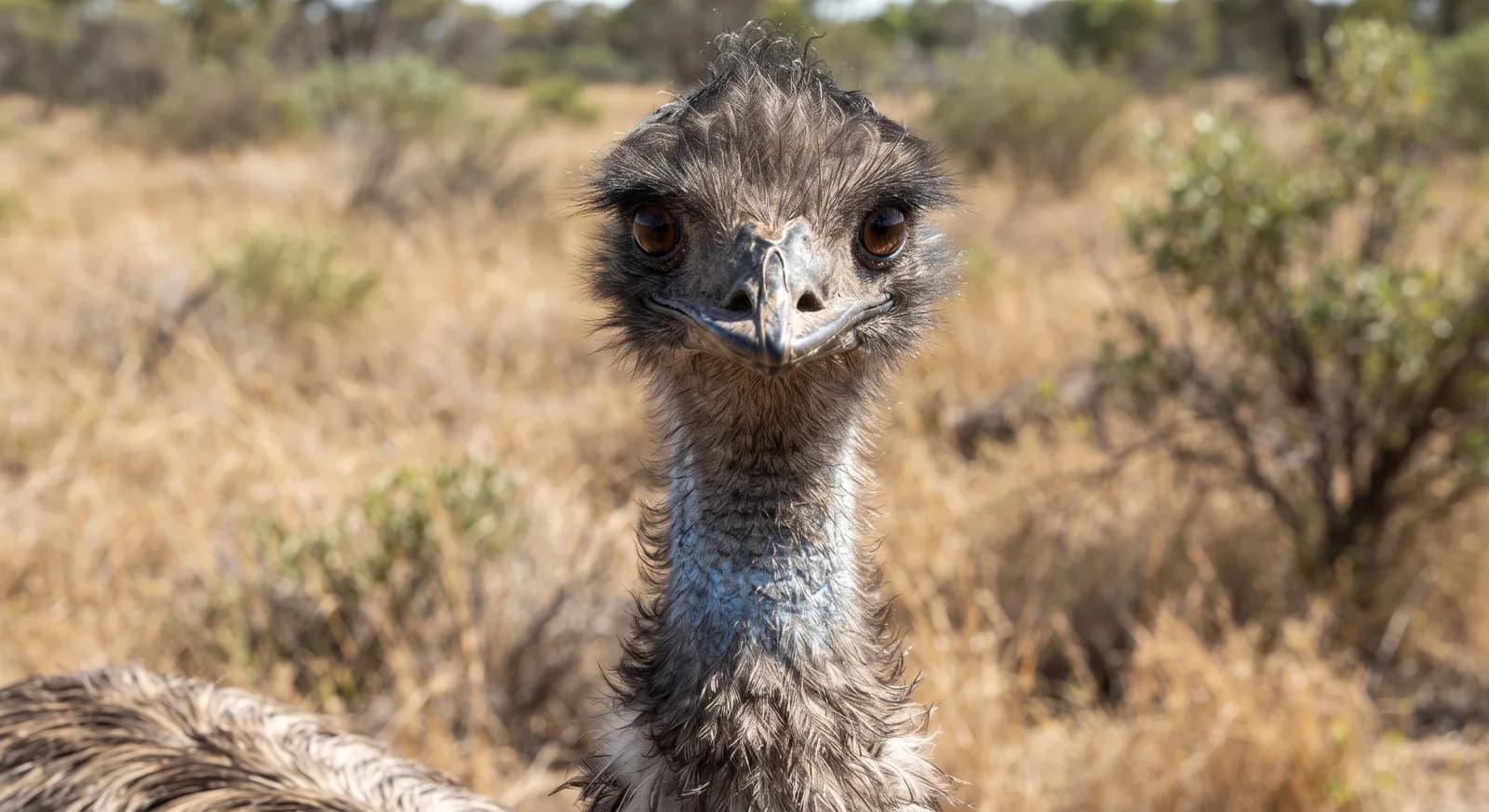
Least ConcernEmu
Dromaius novaehollandiae
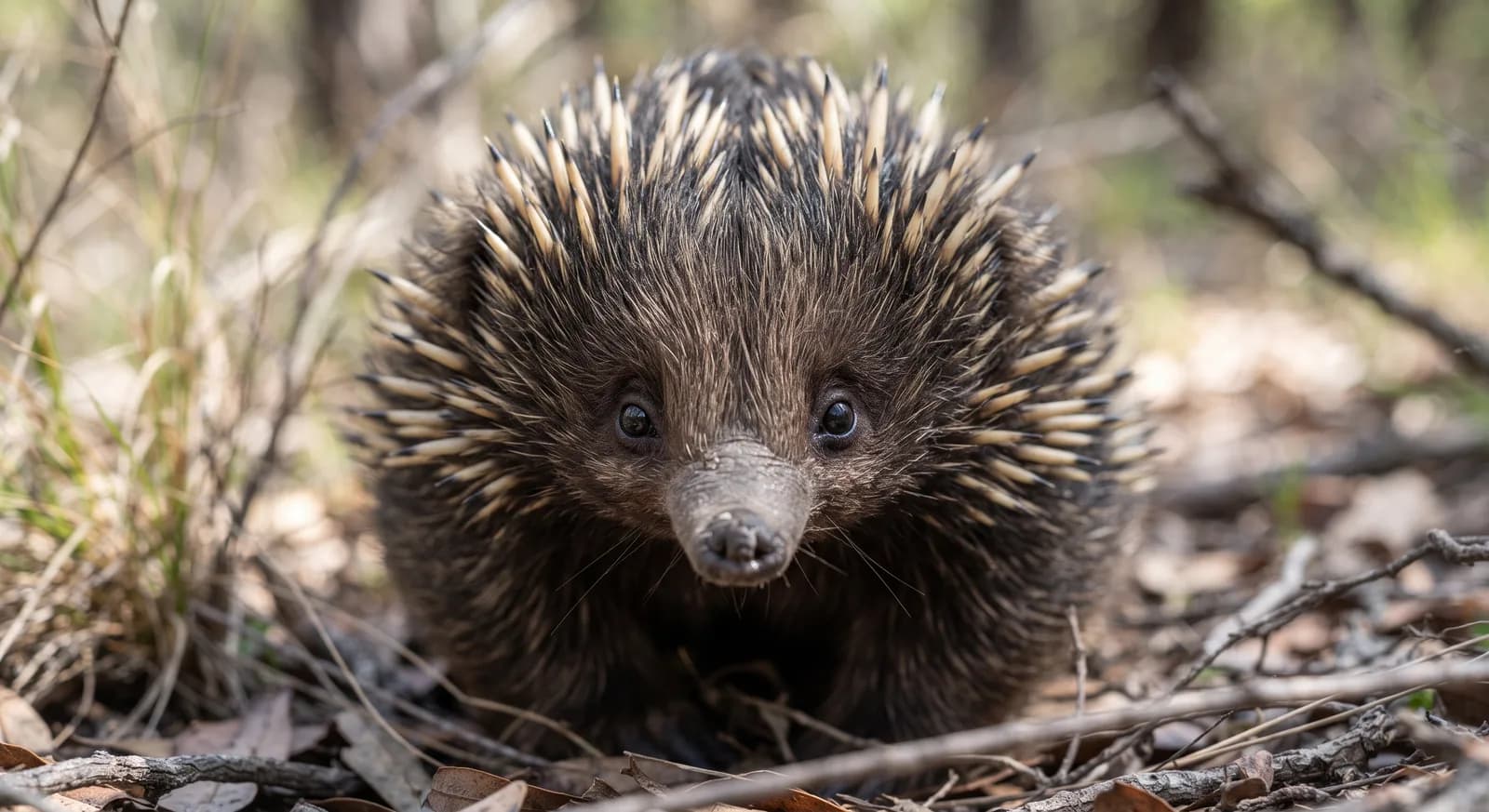
Least ConcernShort-beaked Echidna
Tachyglossus aculeatus
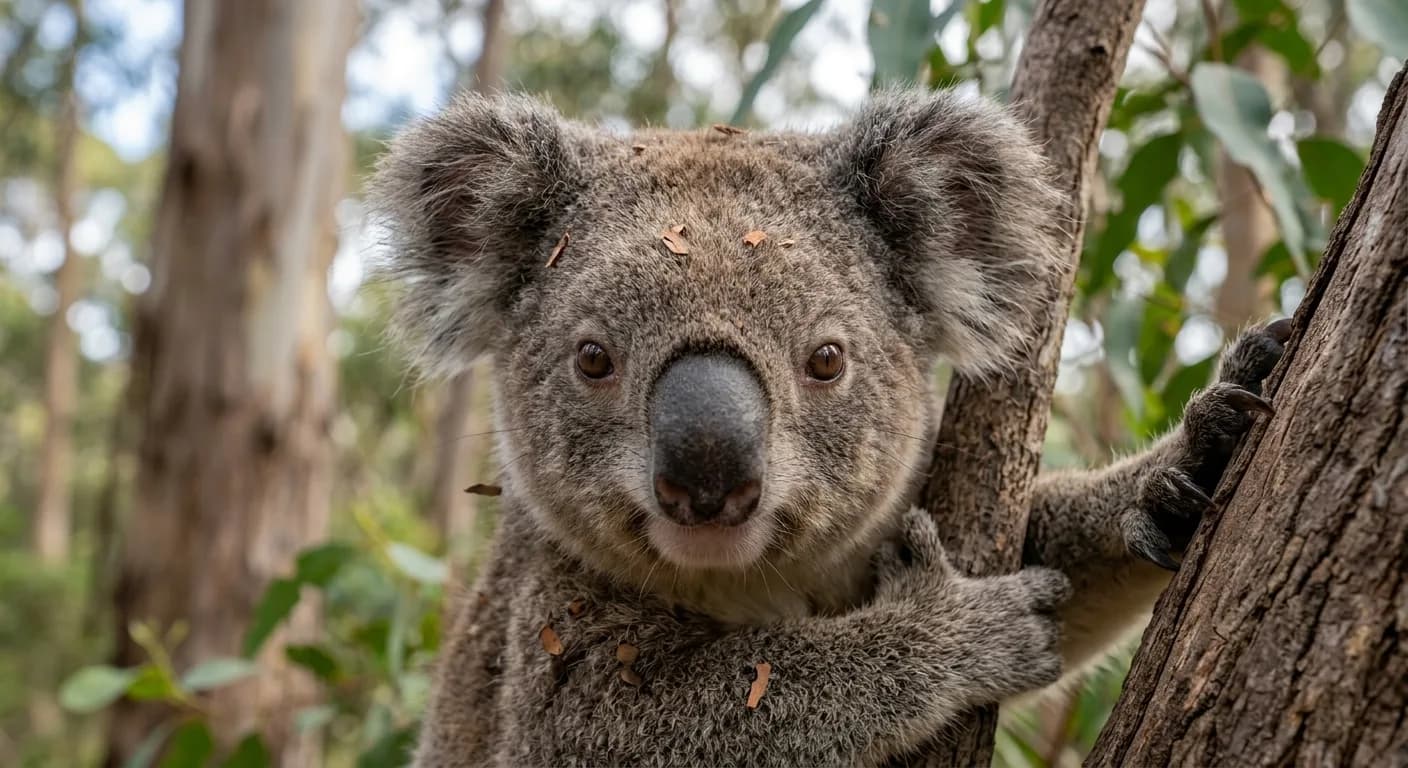
VulnerableKoala
Phascolarctos cinereus
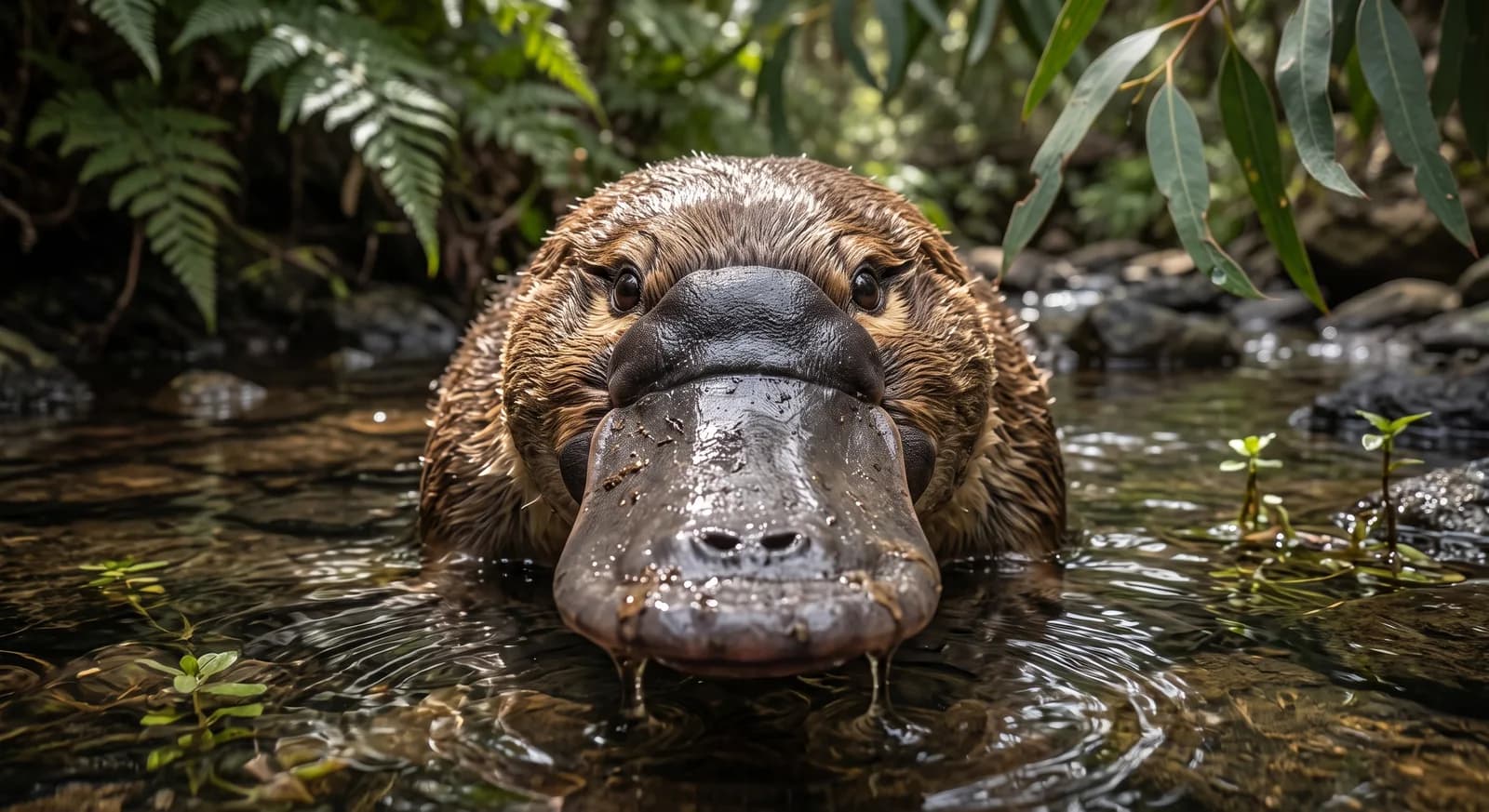
Near ThreatenedPlatypus
Ornithorhynchus anatinus
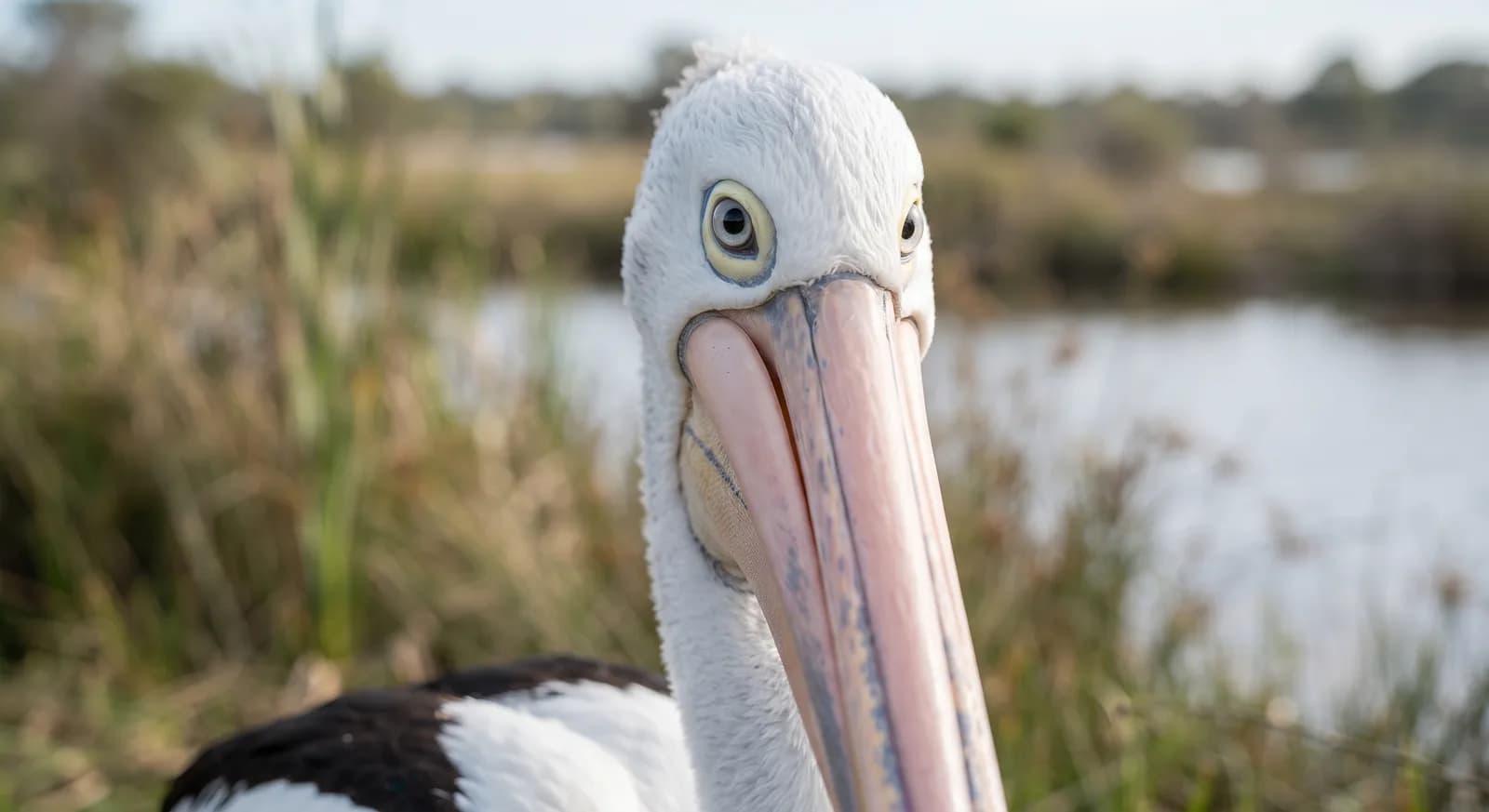
Least ConcernAustralian Pelican
Pelecanus conspicillatus
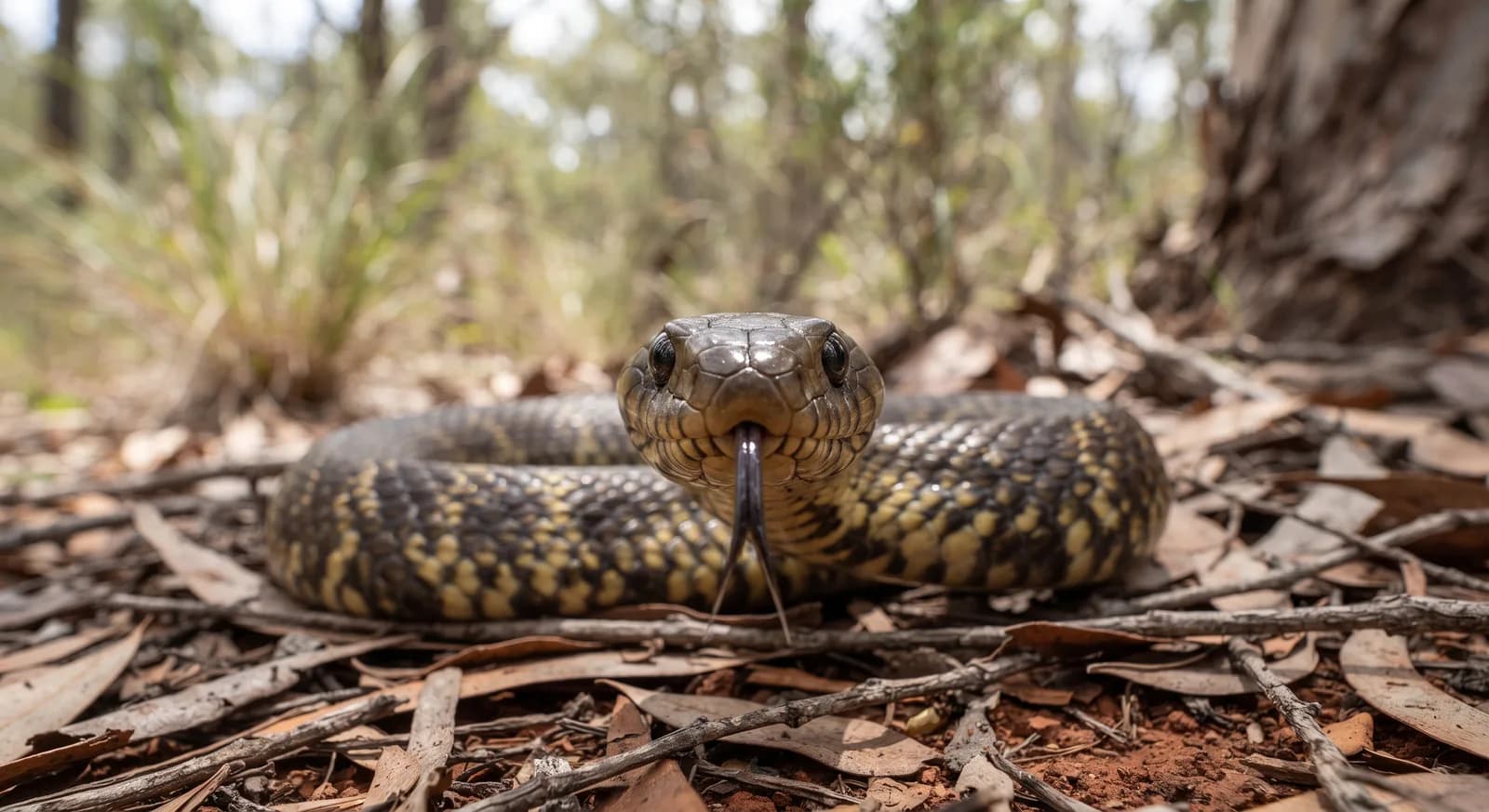
Least ConcernTiger Snake
Notechis scutatus