Skip to content
WAnimals
  • Map
  • Species
  • Parks
  • Diving
Log inCreate account
WAnimals

The guide for travellers and animal lovers: discover, plan and share your wild adventures around the world.

Discover wildlife

  • Species
  • Ecosystems
  • Glossary
  • Tags

Explore places

  • Map
  • Countries
  • Parks
  • Diving

Plan experiences

  • Guides

Learn

  • Blog

Resources

  • Help centre
  • Contact
  • Install the app

Follow us

Account

  • Log in
  • Create account

© 2026 WAnimals. All rights reserved.

About usHow we build our profilesTerms of servicePrivacyLegal notice
MapSpeciesParksDiving
  1. Home
  2. Parks
  3. Australia
  4. Whitsunday Islands

Whitsunday Islands

National Park
AustraliaDesignated in 1944175 km²
Spotted something wrong?

An archipelago of continental islands within the Great Barrier Reef, with the silica sand of Whitehaven Beach.

Area

175 km²

Designated in

1944

Region

Australia

Highlight

Continental islands of the Great Barrier Reef and silica beaches

Whitsunday Islands National Park was declared in 1944 and protects much of an archipelago of seventy-four islands off the central coast of Queensland, between the mainland and the Great Barrier Reef. They are not coral islands but continental ones: the summits of a coastal range left isolated when sea level rose after the last glaciation, hence their mountainous relief and their cover of eucalypt woodland with rainforest in the gullies.

Its best-known feature is Whitehaven Beach, on Whitsunday Island: seven kilometres of silica sand of unusual purity, almost white, which does not hold the heat and whose exact origin is still a matter of geological debate. At its northern end, Hill Inlet forms an estuary where the tides mix sand and water in shifting patterns.

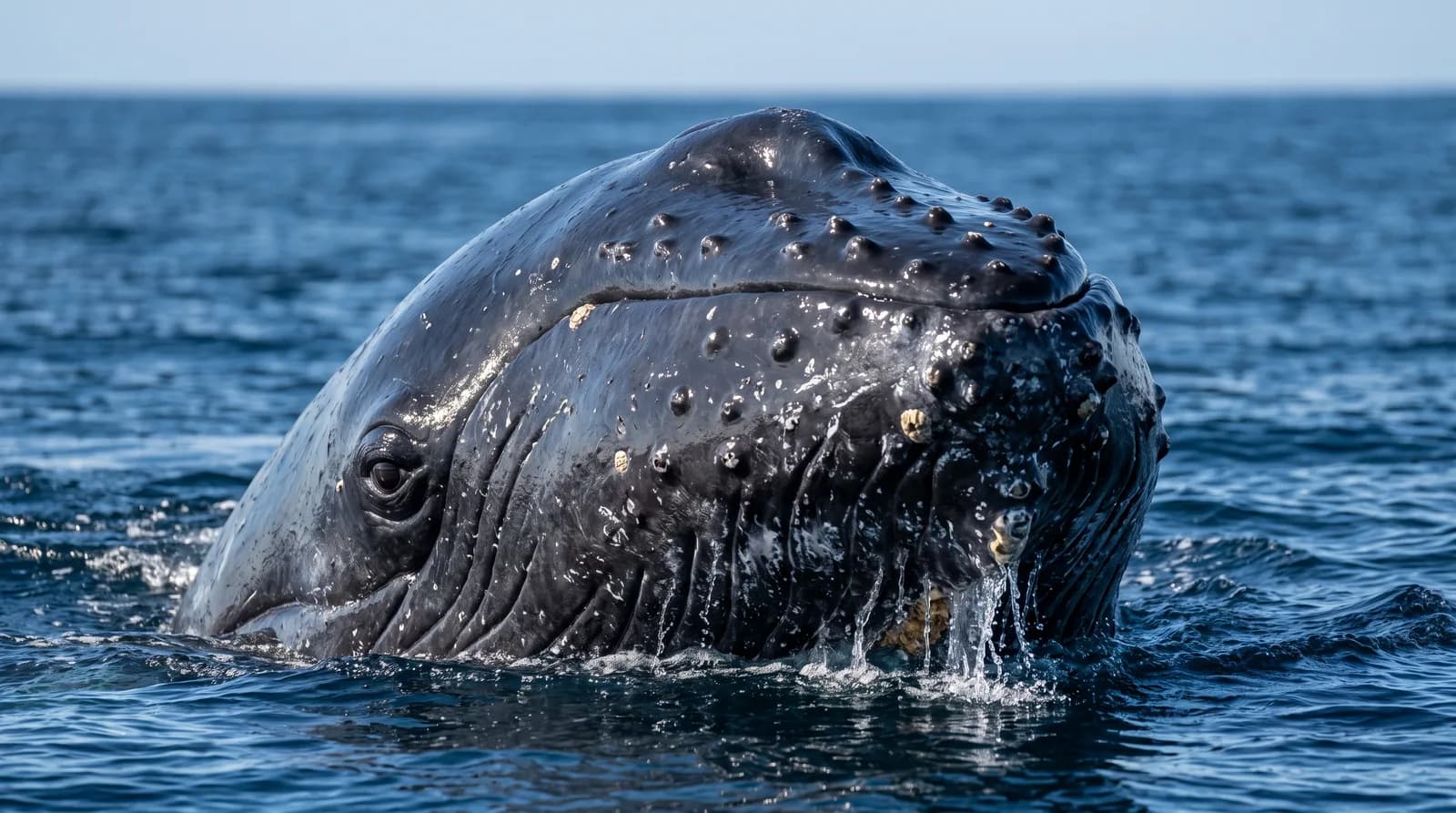
The waters of the archipelago lie within the Great Barrier Reef Marine Park and hold coastal fringing reefs, seagrass meadows that feed dugongs and green turtles, and a migration route of the humpback whale, which uses these sheltered waters to calve between June and September. The islands preserve sites and paintings of the Ngaro people, seafarers who occupied the archipelago for thousands of years, and today boating tourism is the main economic activity and also the main pressure on the area.
Location

Loading map…

2 dive sites within 300 km are also shown.

Whitsunday Islands: 74 documented species

Mammals7Birds3Reptiles3Cartilaginous fish

Flora and ecosystems

Ecosystems found in Australia, where Whitsunday Islands lies.

Tropical rainforestSavannahDesertMarine / coastal

Experiences in this park

Diving and snorkellingBirdwatching

Nearby dive sites

Where can I dive near here?

28 km away

175 km away

Wildlife you can see now

What is worth looking out for this month in Australia?

Now is a good time: The Humpback Highway on Australia's east coast (May to November (northbound May to August, southbound return August to November))

Now is a good time: Red crab migration on Christmas Island (October to January (spawning Nov-Dec))

Similar parks

Which other parks are like this one?

Same country: Australia

Same country: Australia

Same country: Australia

Same country: Australia

Keep exploring

Based on what we already know about this park.

Comments

Share your experience visiting Whitsunday Islands, or a tip for other travellers.

Be the first to comment.

Climate

Tropical, Arid / desert, Temperate, Mediterranean

Best season

March to May

Plan your visit

Best season
March to May
Area
175 km²
More places in AustraliaSee location
7
Fish23
Bivalvia2
Anthozoa6
Cephalopoda3
Gastropoda6
Malacostraca5
Asteroidea2
Polychaeta2
Turbellaria1
Holothuroidea2
Cubozoa2

Threatened:Giant Clam,Spotted Eagle Ray,Indo-Pacific Humpback Dolphin,Reef Manta Ray,Grey Reef Shark,Grayfish,Spotted Seahorse,Golden Sandfish,Sailfish,Blacktip Reef Shark

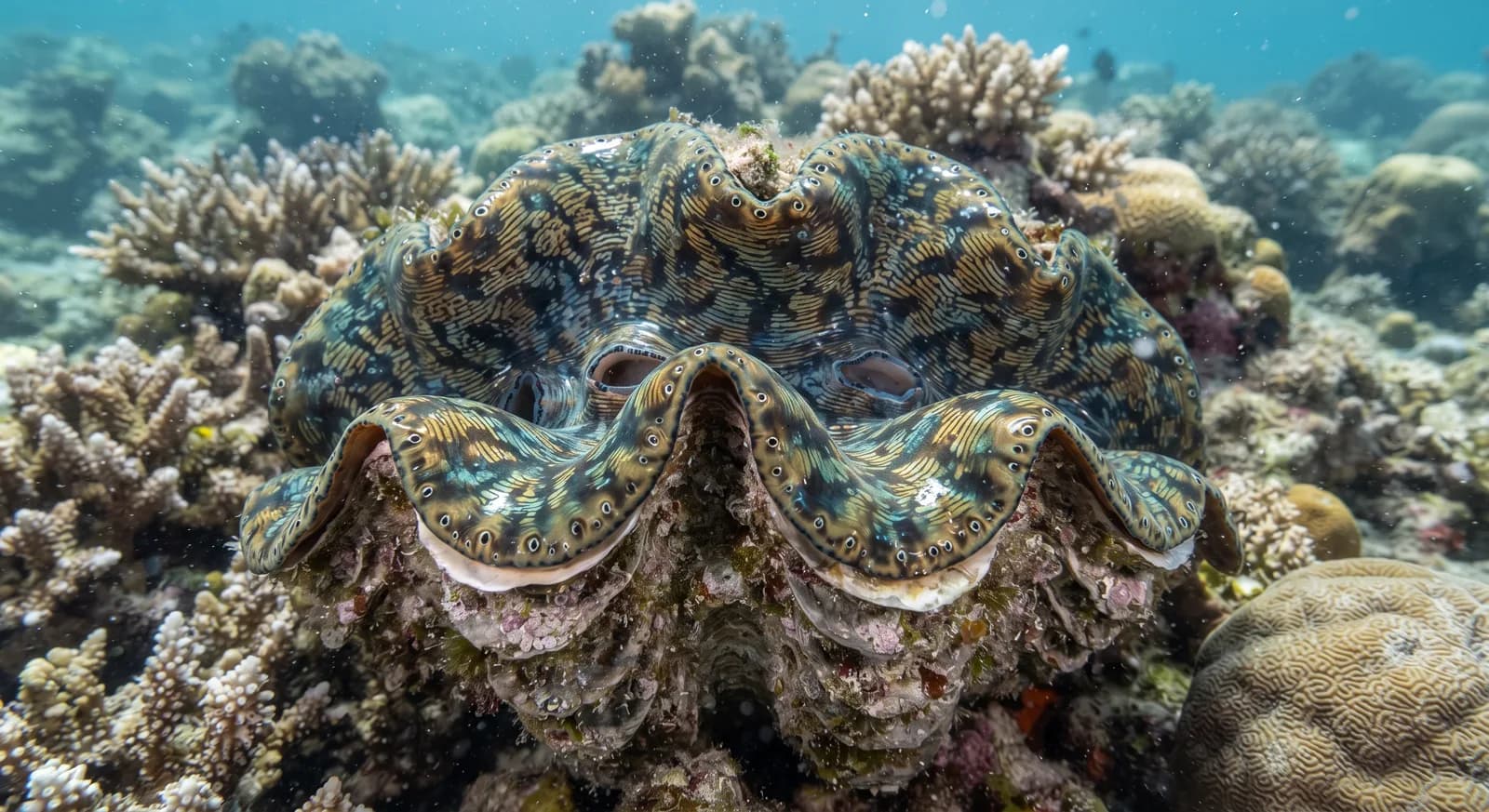
Giant ClamCritically Endangered

Giant Clam

Tridacna gigas

Giant AnemoneNot Evaluated

Giant Anemone

Stichodactyla gigantea

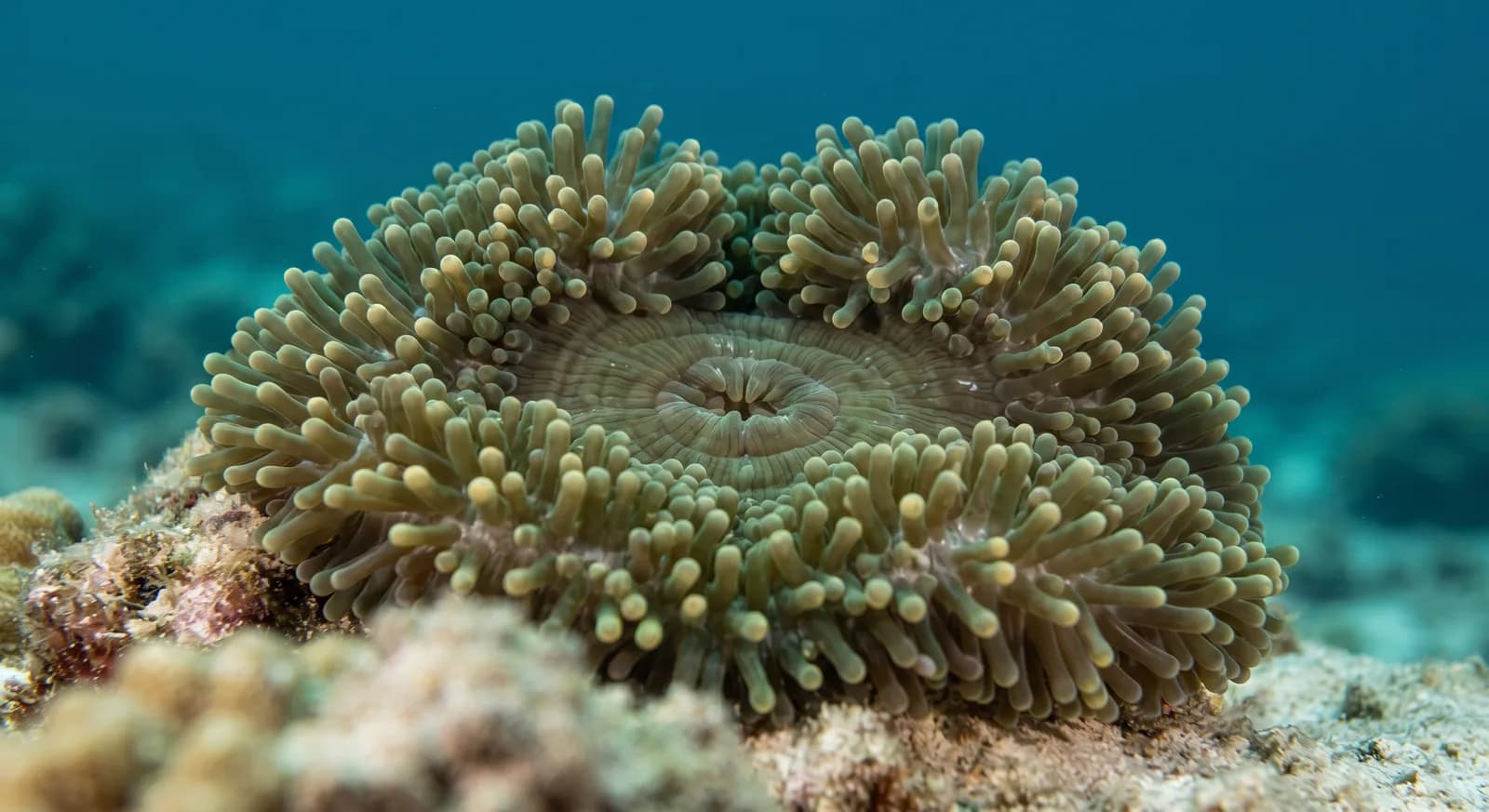
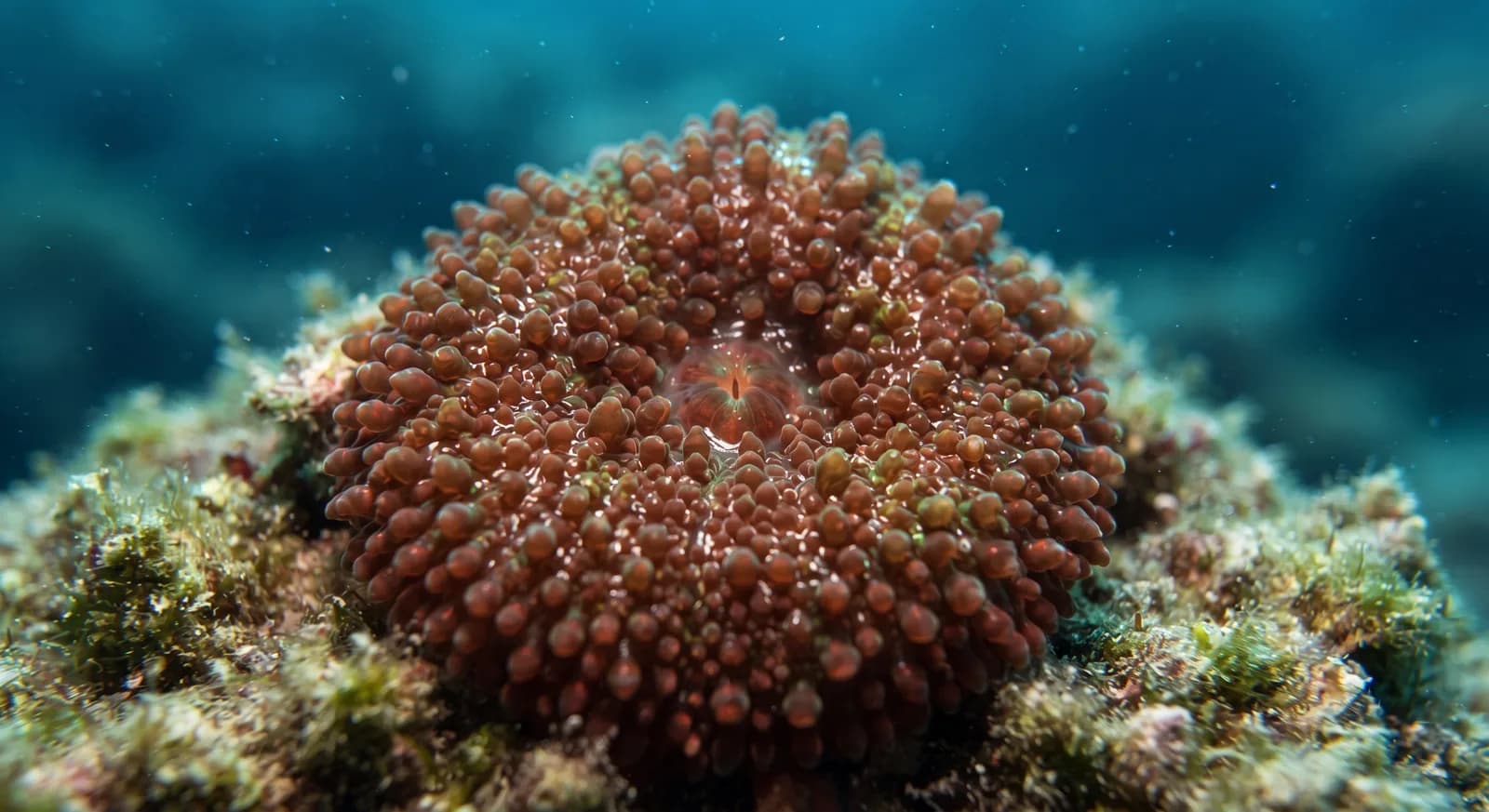
Disc AnemoneNot Evaluated

Disc Anemone

Discosoma nummiforme

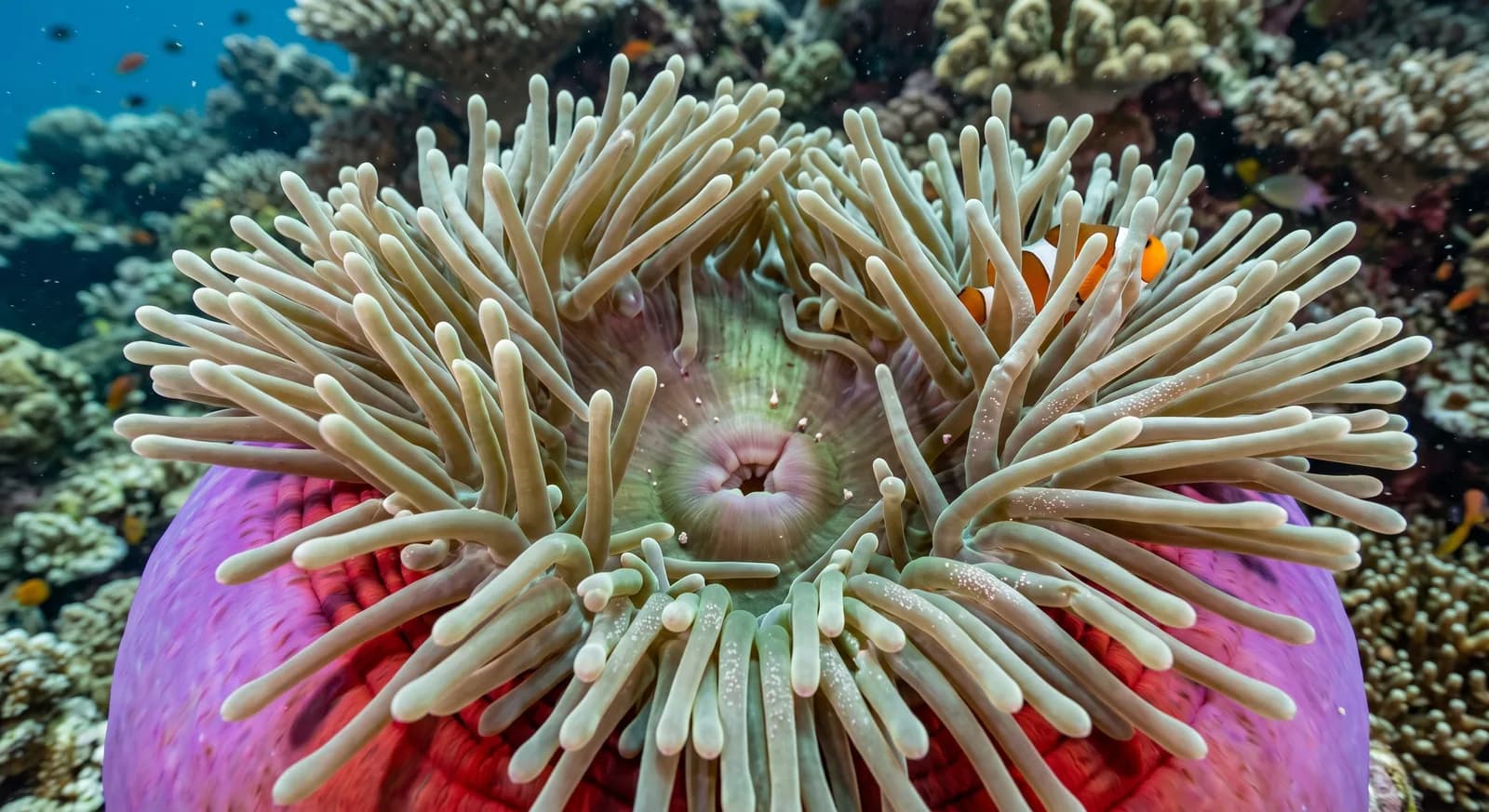
Ritteri AnemoneNot Evaluated

Ritteri Anemone

Heteractis magnifica

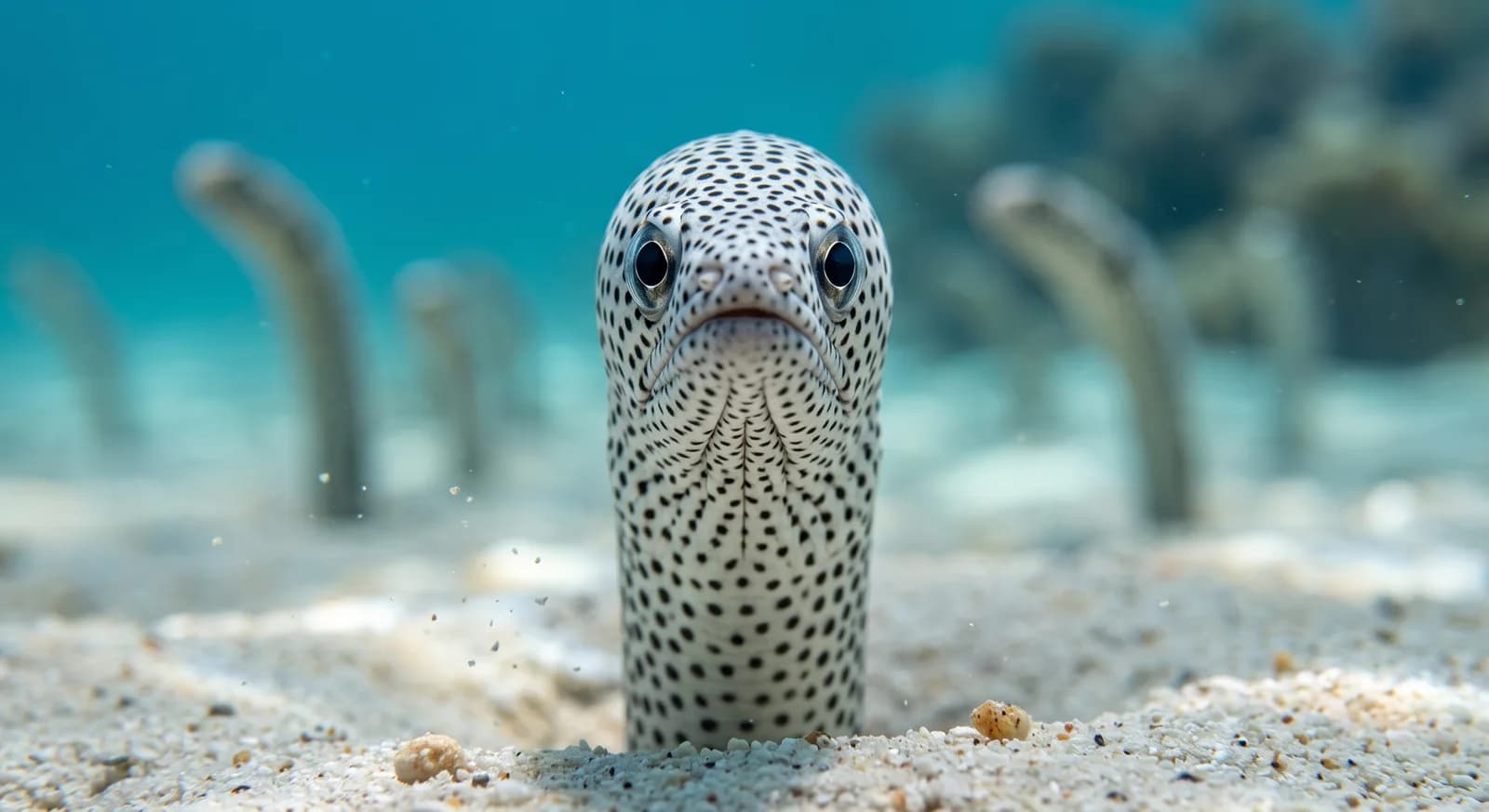
Spotted Garden EelLeast Concern

Spotted Garden Eel

Heteroconger hassi

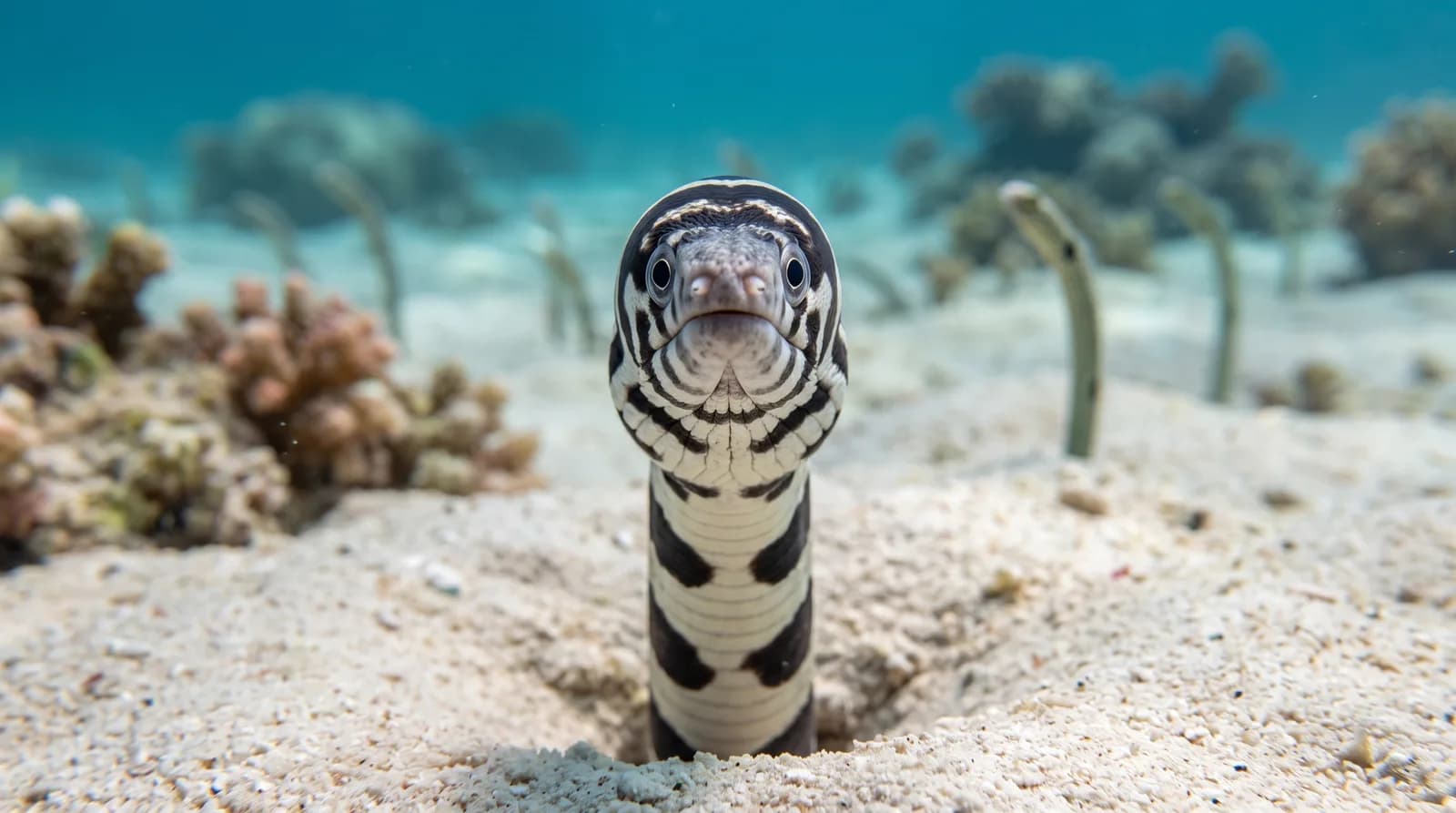
Harlequin Snake EelLeast Concern

Harlequin Snake Eel

Myrichthys colubrinus

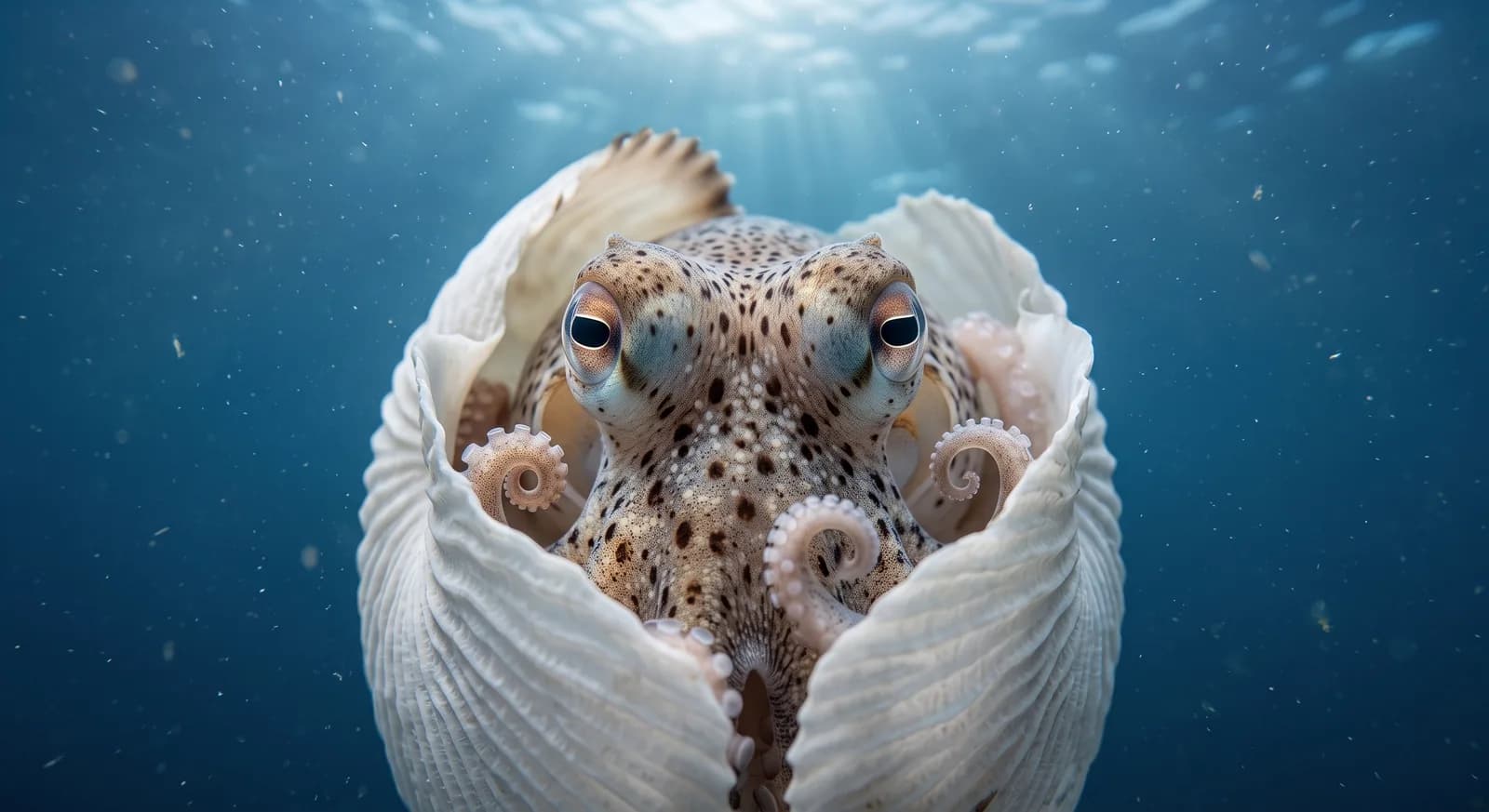
Greater ArgonautLeast Concern

Greater Argonaut

Argonauta argo

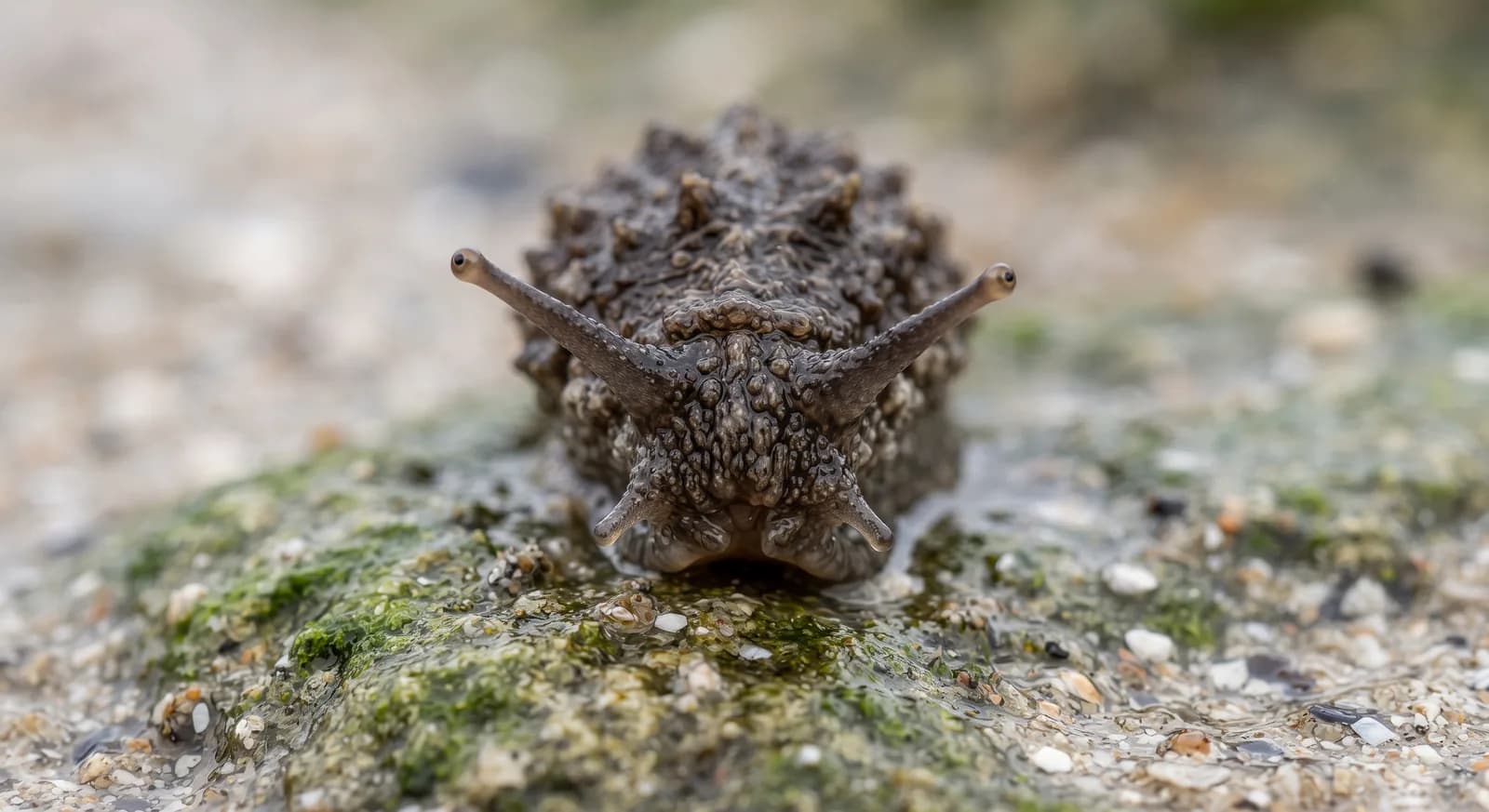
Warty SlugNot Evaluated

Warty Slug

Onchidium verruculatum

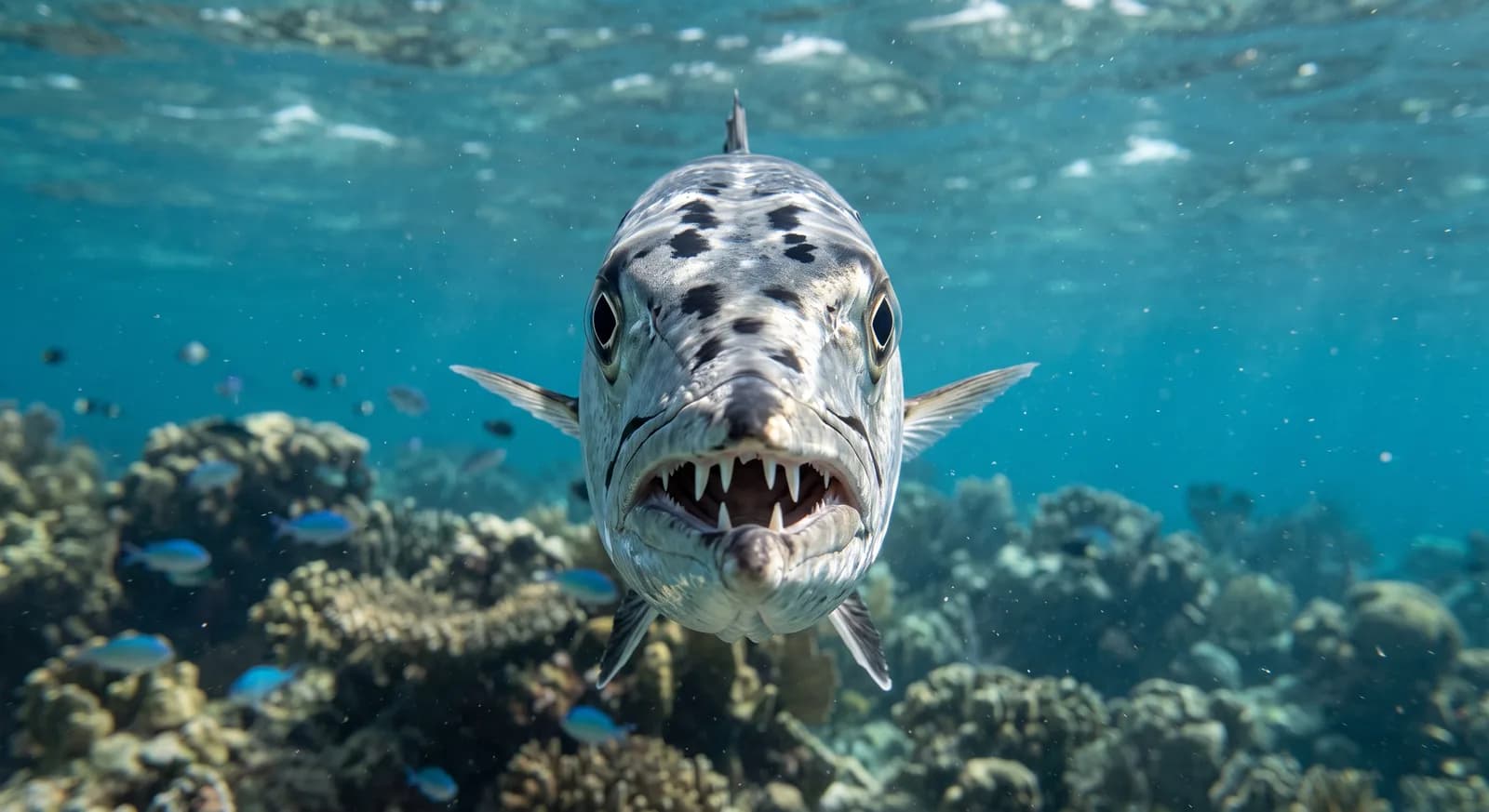
Great BarracudaLeast Concern

Great Barracuda

Sphyraena barracuda

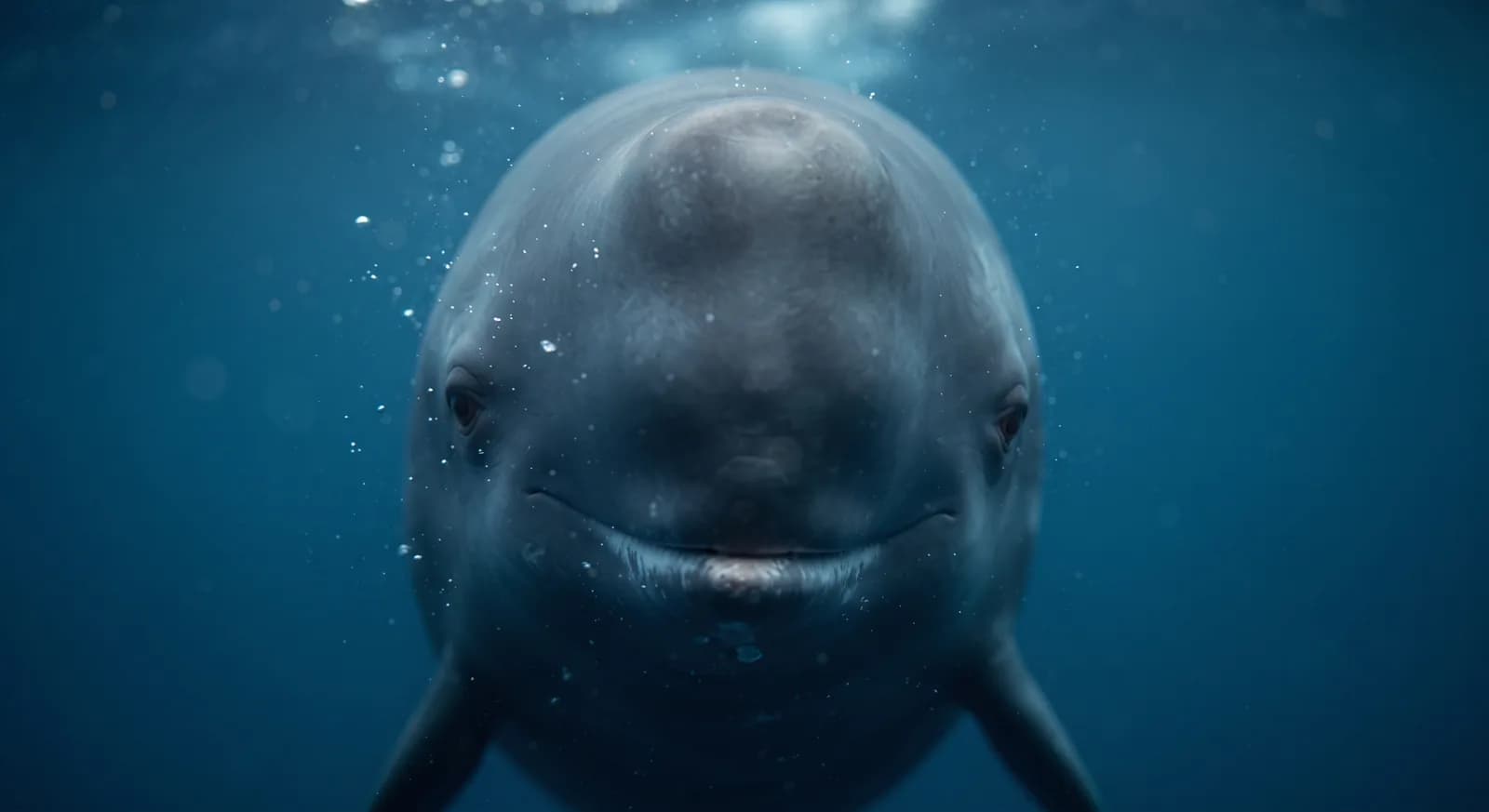
Pygmy Sperm WhaleData Deficient

Pygmy Sperm Whale

Kogia breviceps

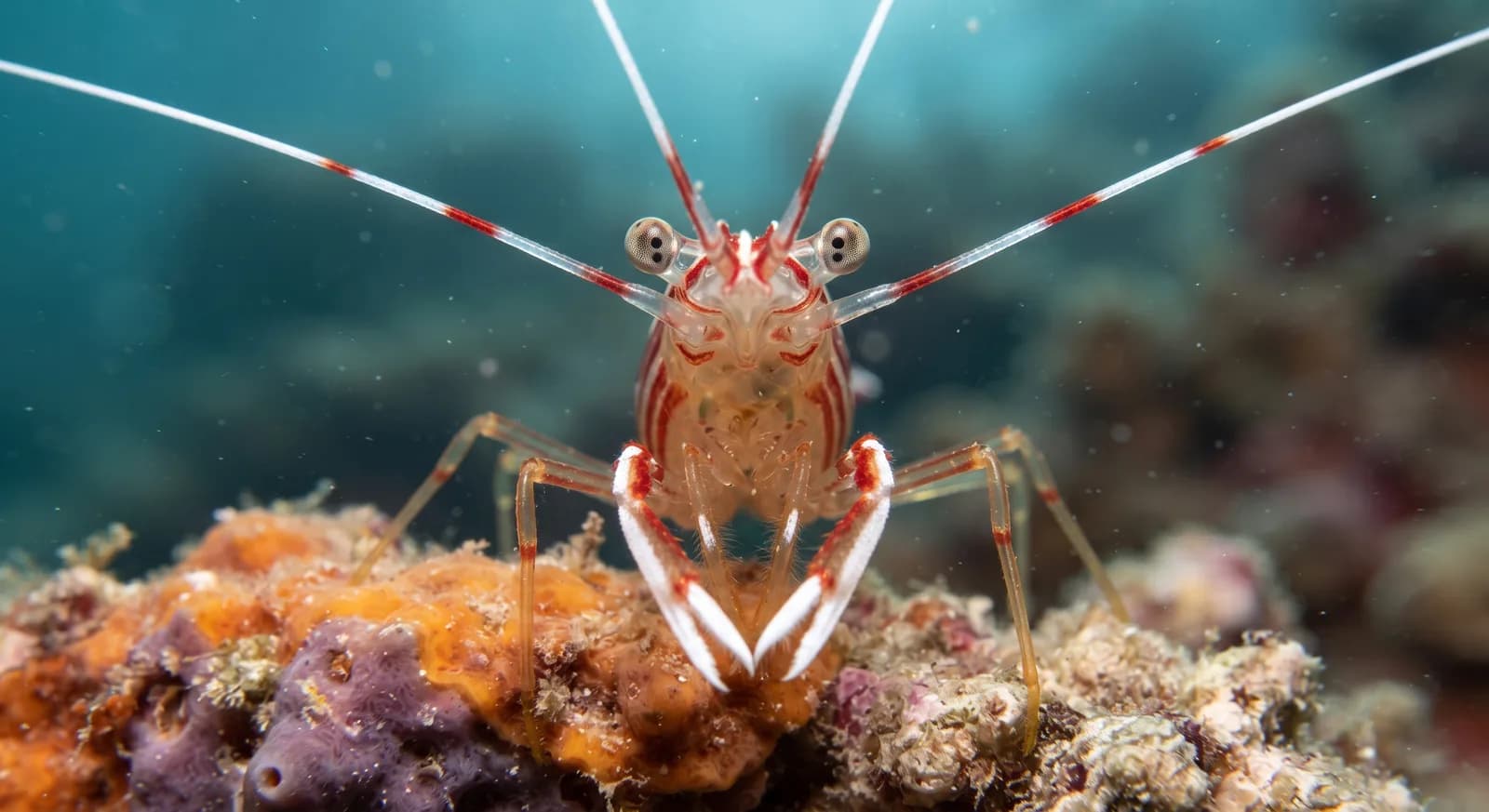
Scarlet Cleaner ShrimpNot Evaluated

Scarlet Cleaner Shrimp

Lysmata amboinensis

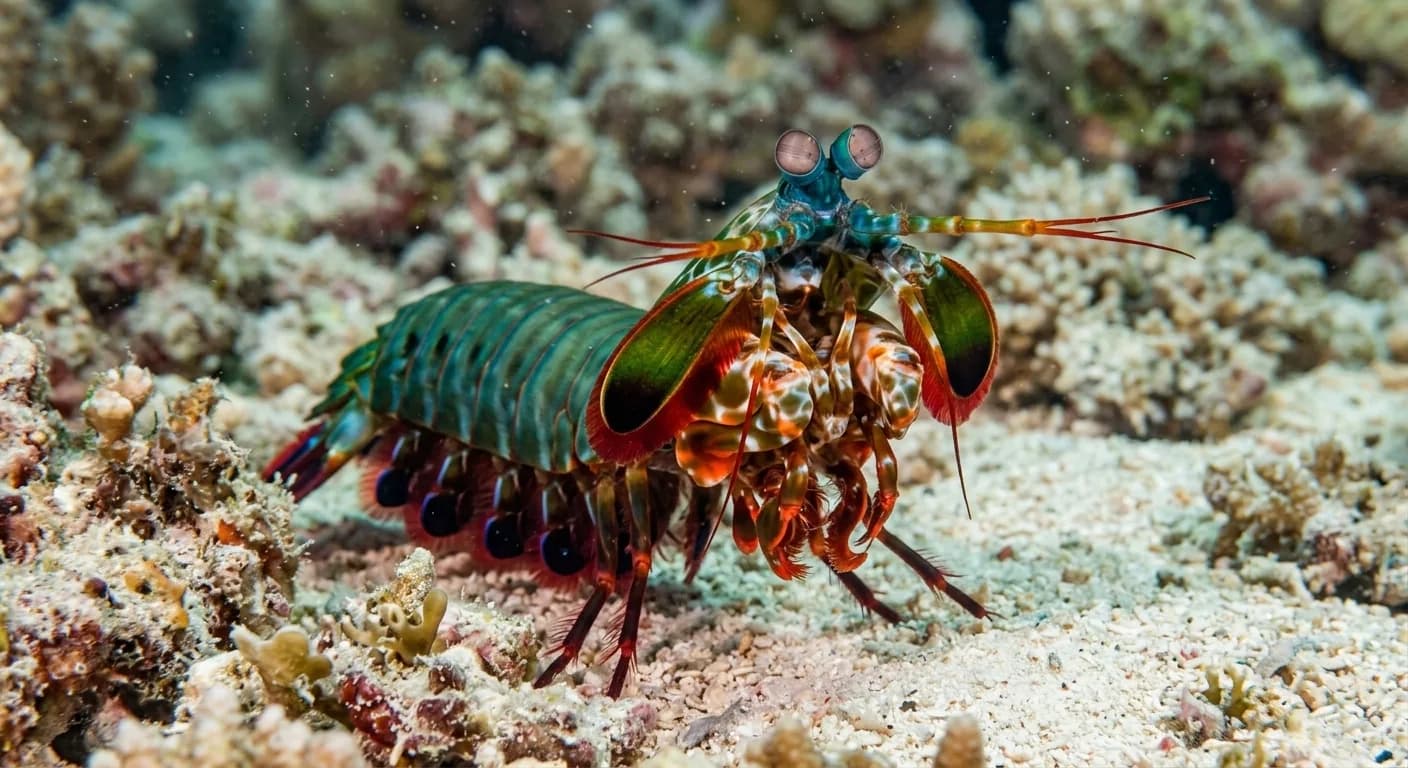
Peacock Mantis ShrimpNot Evaluated

Peacock Mantis Shrimp

Odontodactylus scyllarus

See all 74 species found here

Australia · Australia
See on the interactive map→

Whitsunday Islands (Chalkies Beach)

SS Yongala

Humpback WhaleLeast Concern

Humpback Whale

Megaptera novaeangliae

Christmas Island Red CrabNot Evaluated

Christmas Island Red Crab

Gecarcoidea natalis

National Park

Maria Island

Australia

Bare-nosed Wombat · Cape Barren Goose

March to May

See park
National Park

Freycinet

Australia

Tasmanian devil · Bennett's wallaby

March to May

See park
UNESCO
National Park

Cradle Mountain-Lake St Clair

Australia

Wombat · Tasmanian Devil

March to May

See park
National Park

Flinders Ranges

Australia

Yellow-footed Rock Wallaby · Emu

March to May

See park
DivingWhitsunday Islands (Chalkies Beach)28 km away
CountryAustralia
This page in other languages: Español · Deutsch · Français · Português · Italiano
Rainforest
Ocean