Skip to content
WAnimals
  • Map
  • Species
  • Parks
  • Diving
Log inCreate account
WAnimals

The guide for travellers and animal lovers: discover, plan and share your wild adventures around the world.

Discover wildlife

  • Species
  • Ecosystems
  • Glossary
  • Tags

Explore places

  • Map
  • Countries
  • Parks
  • Diving

Plan experiences

  • Guides

Learn

  • Blog

Resources

  • About us
  • How we build our profiles
  • Help centre
  • Contact
  • Install the app

Follow us

Account

  • Log in
  • Create account

© 2026 WAnimals. All rights reserved.

Terms of servicePrivacyCookiesLegal notice
MapSpeciesParksDiving
  1. Home
  2. Species
  3. Peacock Mantis Shrimp

One of the 8 shrimps on WAnimals
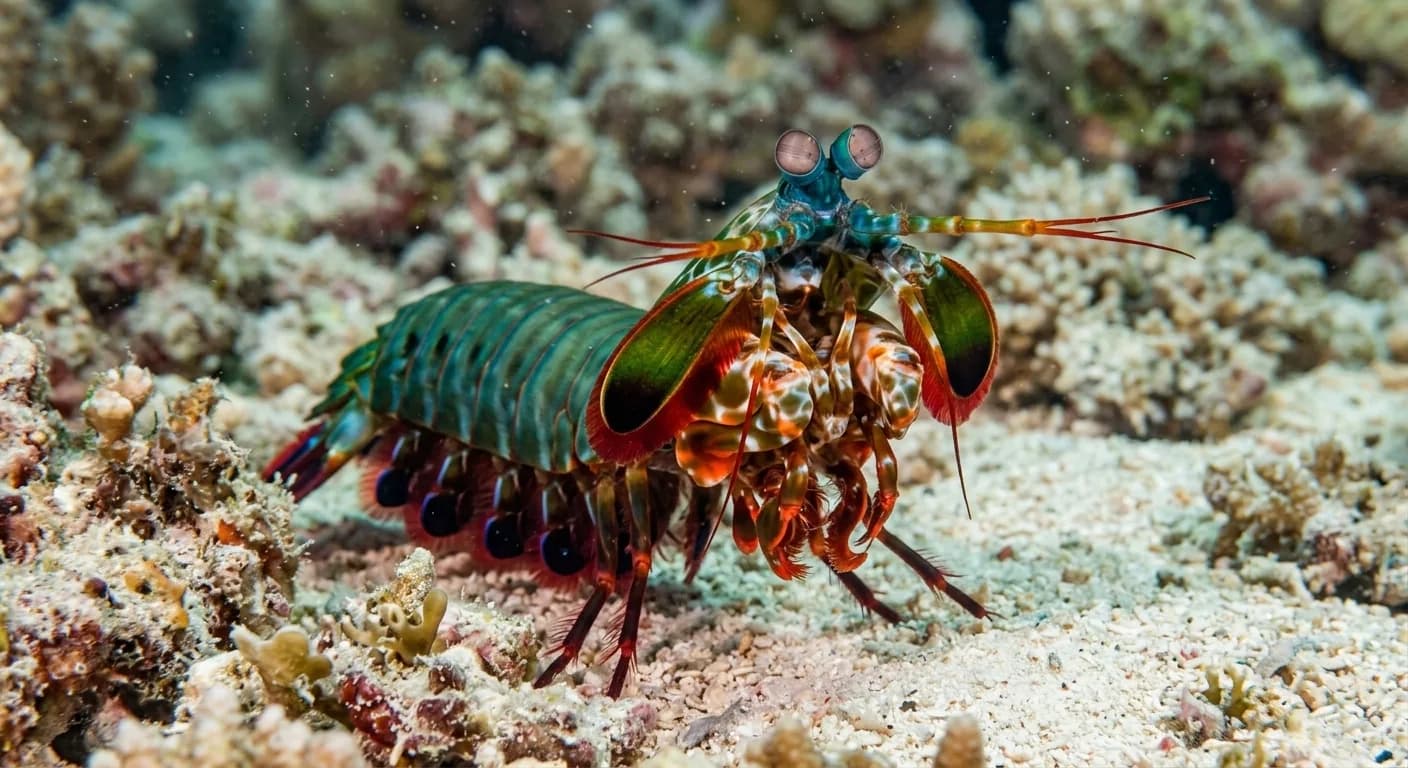
Peacock Mantis Shrimp (Odontodactylus scyllarus)

Malacostracans · Stomatopoda · Odontodactylidae

Peacock Mantis Shrimp

Odontodactylus scyllarus

Not Evaluated

It has not yet been assessed against the IUCN criteria.

Spotted something wrong?

Odontodactylus scyllarus, commonly known as the peacock mantis shrimp, harlequin mantis shrimp, painted mantis shrimp, clown mantis shrimp or rainbow mantis shrimp, is a large stomatopod native to the epipelagic seabed across the Indo-Pacific, ranging from Guam to East Africa.

Size

3 cm – 18 cm

Life expectancy

6 years

Diet

Carnivore

Feeds mainly on other animals.
Activity

Diurnal

Active mainly during the day.

Social structure

Solitary

Lives and hunts alone, joining others only to breed.

Ocean
59countries35parks235dive sites

AI-generated images: illustrations, not photographs.

Fun facts

  • fisiologíaIt strikes with its front limbs so fast that it creates cavitation bubbles, whose collapse gives off a momentary flash of light and heat.
  • Its eyes, mounted on independently mobile stalks, have between twelve and sixteen types of photoreceptor, against three in the human eye, and detect polarised and ultraviolet light.
  • The collapse of the bubble delivers a second impact that reaches the prey even if the first blow misses.
  • It has been known to break aquarium glass with a single strike.
  • Its strike is one of the fastest movements in the animal kingdom: it accelerates the appendage to more than 20 metres per second, with an acceleration comparable to that of a .22 calibre bullet.
  • And it lands two blows with a single strike. The speed is such that it causes cavitation: vapour bubbles form and collapse immediately, releasing a second impact in the form of a shock wave, heat and light. On average the cavitation forces amount to half those of the strike itself, and they can even exceed it.
  • That means it can kill prey even if it narrowly misses, because the bubble arrives all the same.
  • It breaks glass, which is why it is feared in the aquarium hobby: large specimens have cracked aquarium walls.
  • The strike is not delivered directly by the muscles: it stores energy in an elastic structure of the limb, like a crossbow, and releases it all at once, which lets it exceed the power limit of muscle.
  • Its eyes are among the most complex known: they have between 12 and 16 classes of photoreceptor, against three in humans, and they detect ultraviolet and polarised light. Each eye moves independently and has trinocular vision on its own.
  • And a surprise: behavioural studies suggest that, despite those receptors, it does not tell colours apart any better than we do. Its system is thought not to compare signals as ours does, but to recognise colours directly — a faster, less precise kind of processing.

Life cycle and biology

Skeleton type
Invertebrate - chitin exoskeleton (crustacean)
Habitat and environment
Burrows in sand and rubble bottoms on Indo-Pacific reefs

Sources consulted: Wikipedia (es): Odontodactylus scyllarus

Where to find it

Loading map…

Where to see it

Parks and dive sites where this species has been documented — showing 20 of 270.

Related species

Other species in the catalogue with the most in common with Peacock Mantis Shrimp — same habitat, park, country, tags or family.

Shares a park
Shares a park
Shares a park
Shares a park
Shares a park
Shares a park

Keep exploring

Based on what we already know about peacock mantis shrimp.

Share an experience, a fun fact or a tip for seeing the peacock mantis shrimp.
See full glossary
This page in other languages: Español · Deutsch · Français · Português · Italiano

The pins mark the parks and dive sites where its presence is documented.

See its range on the interactive map→
KomodoIndonesia
AldabraSeychelles
YakushimaJapan
Ras MohammedEgypt
Great Barrier ReefAustralia
NingalooAustralia
Rock Islands of PalauPalau
East RennellSolomon Islands
FakaravaFrench Polynesia
Mohéli Marine National ParkComoros
Blue Hole DahabEgypt
Ras Mohammed National ParkEgypt
Thistlegorm wreckEgypt
Elphinstone ReefEgypt
Brothers Islands (El Akhawein)Egypt
Sha'ab Rumi (Cousteau)Sudan
Eilat Coral ReserveIsrael
Aqaba Marine ParkJordan
Musandam PeninsulaOman
Daymaniyat IslandsOman
See all 35 parks
See all 235 dive sites
Vulnerable

Blacktip Reef Shark

Carcharhinus melanopterus

Great HammerheadCritically Endangered

Great Hammerhead

Sphyrna mokarran

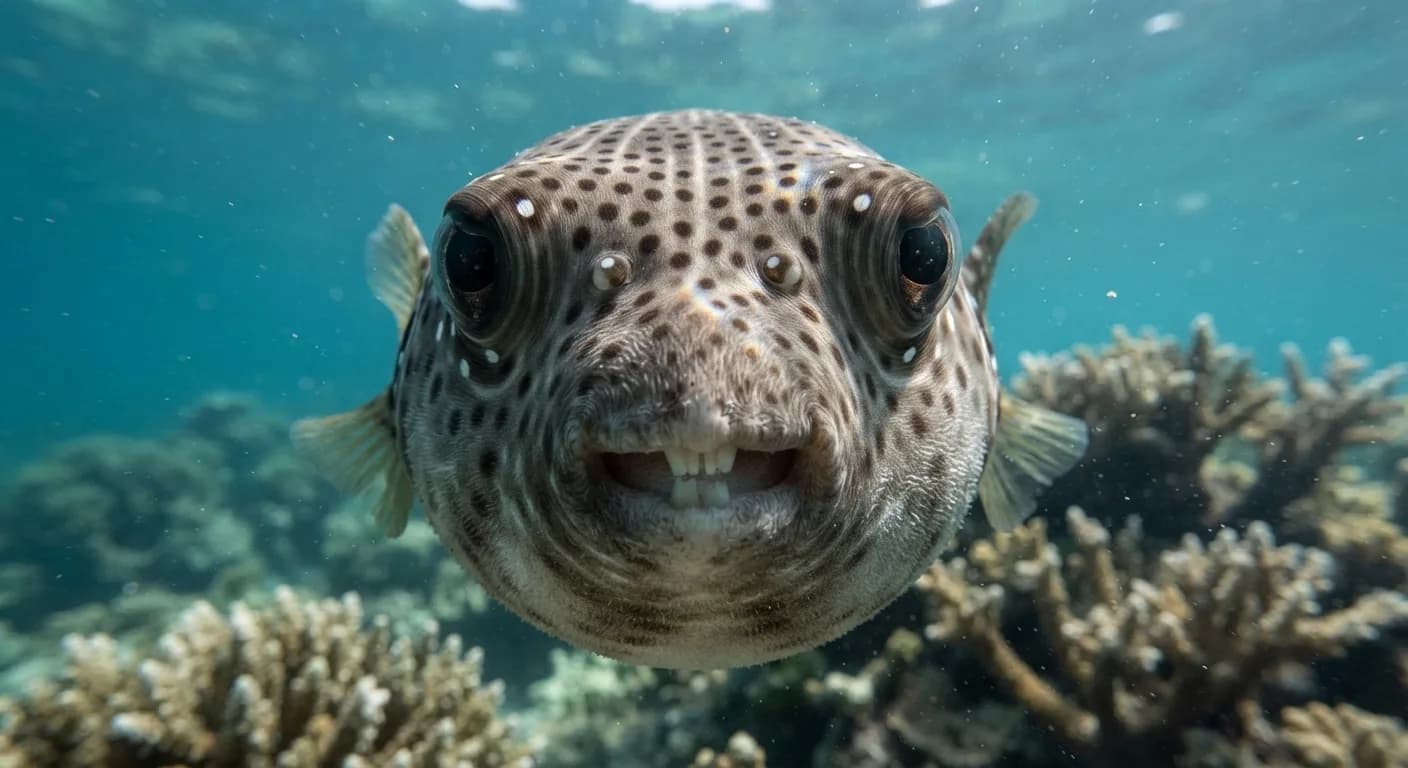
White-spotted PufferLeast Concern

White-spotted Puffer

Arothron hispidus

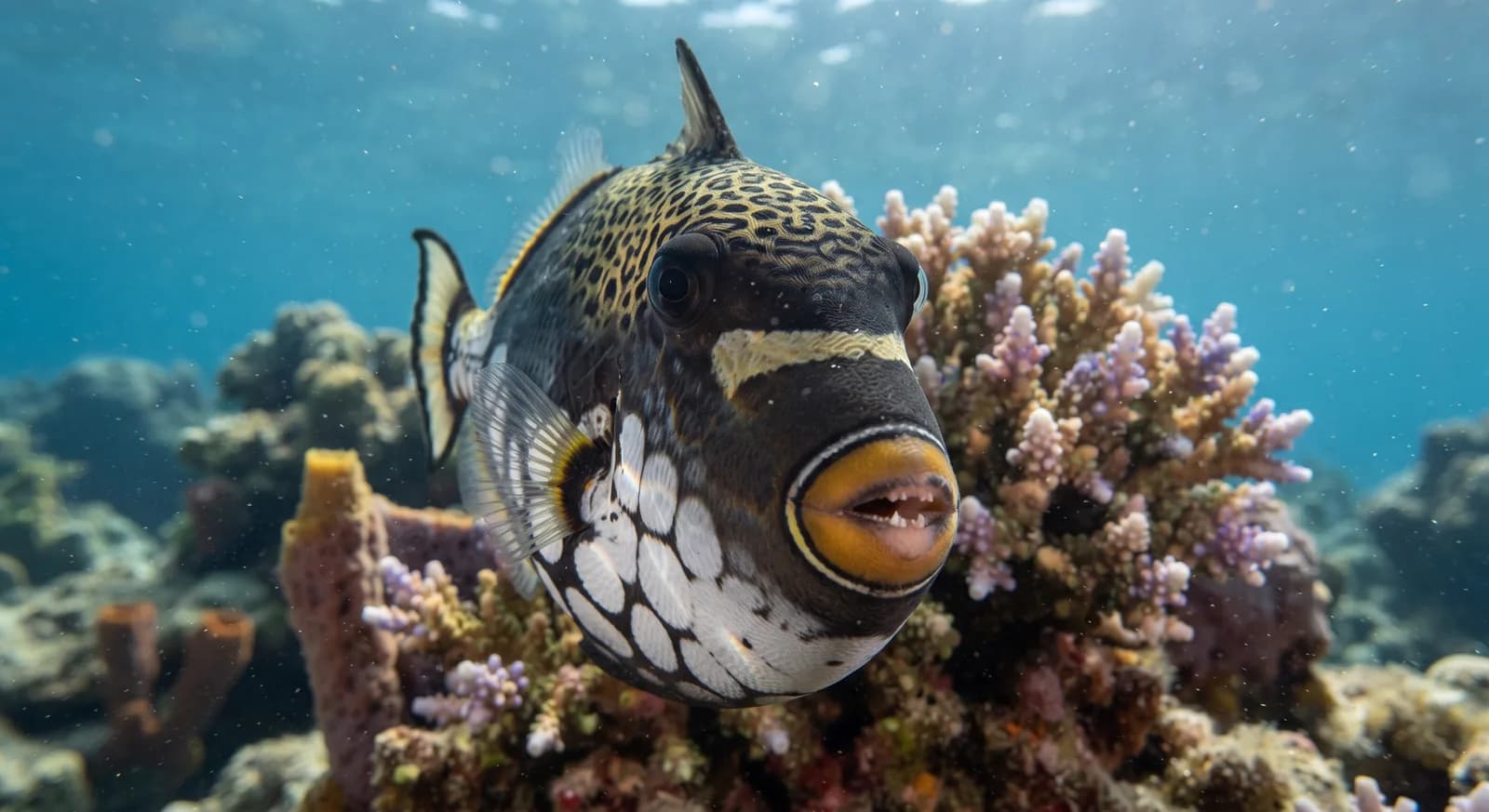
Clown TriggerfishLeast Concern

Clown Triggerfish

Balistoides conspicillum

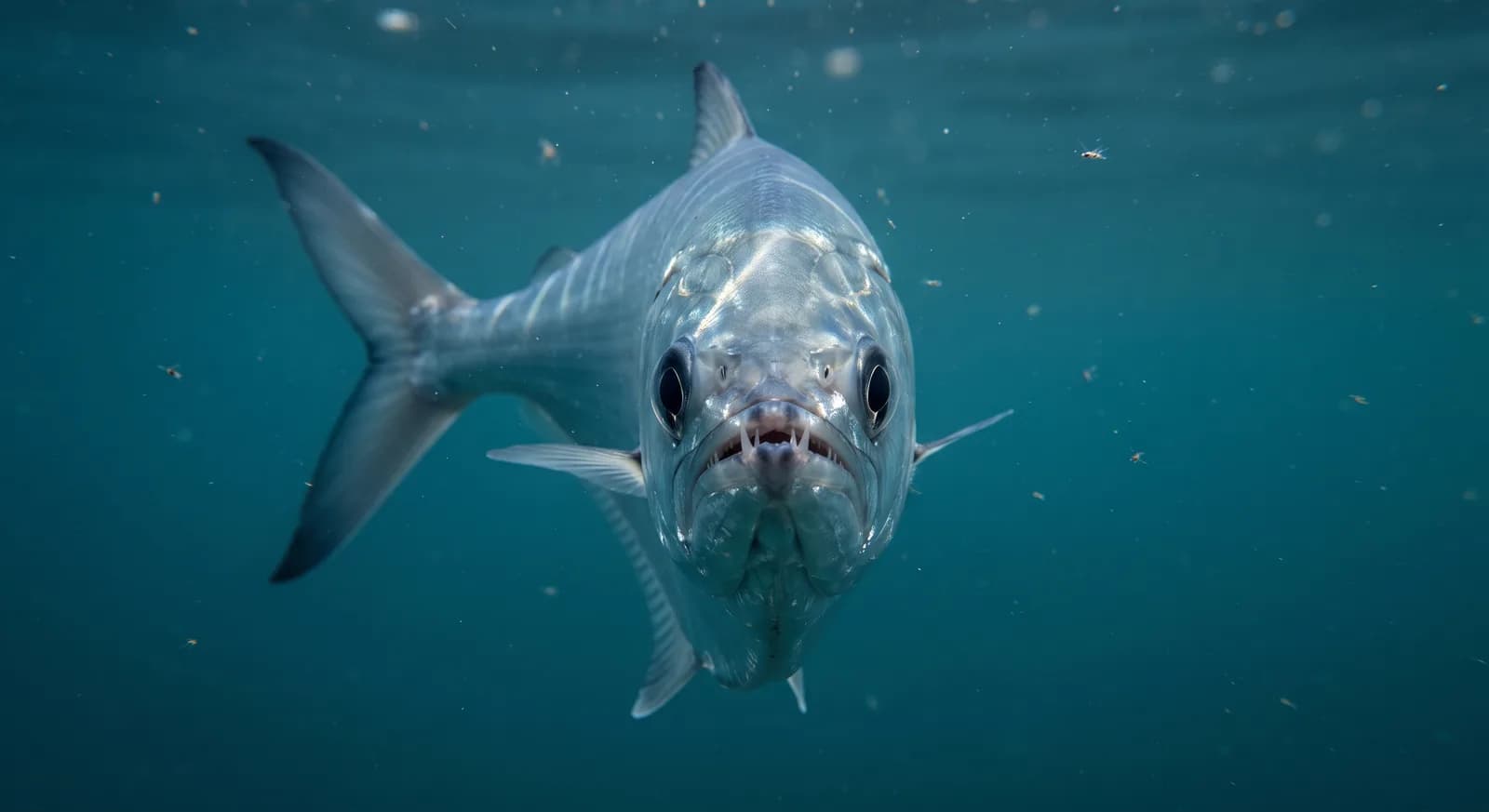
Dorab Wolf HerringLeast Concern

Dorab Wolf Herring

Chirocentrus dorab

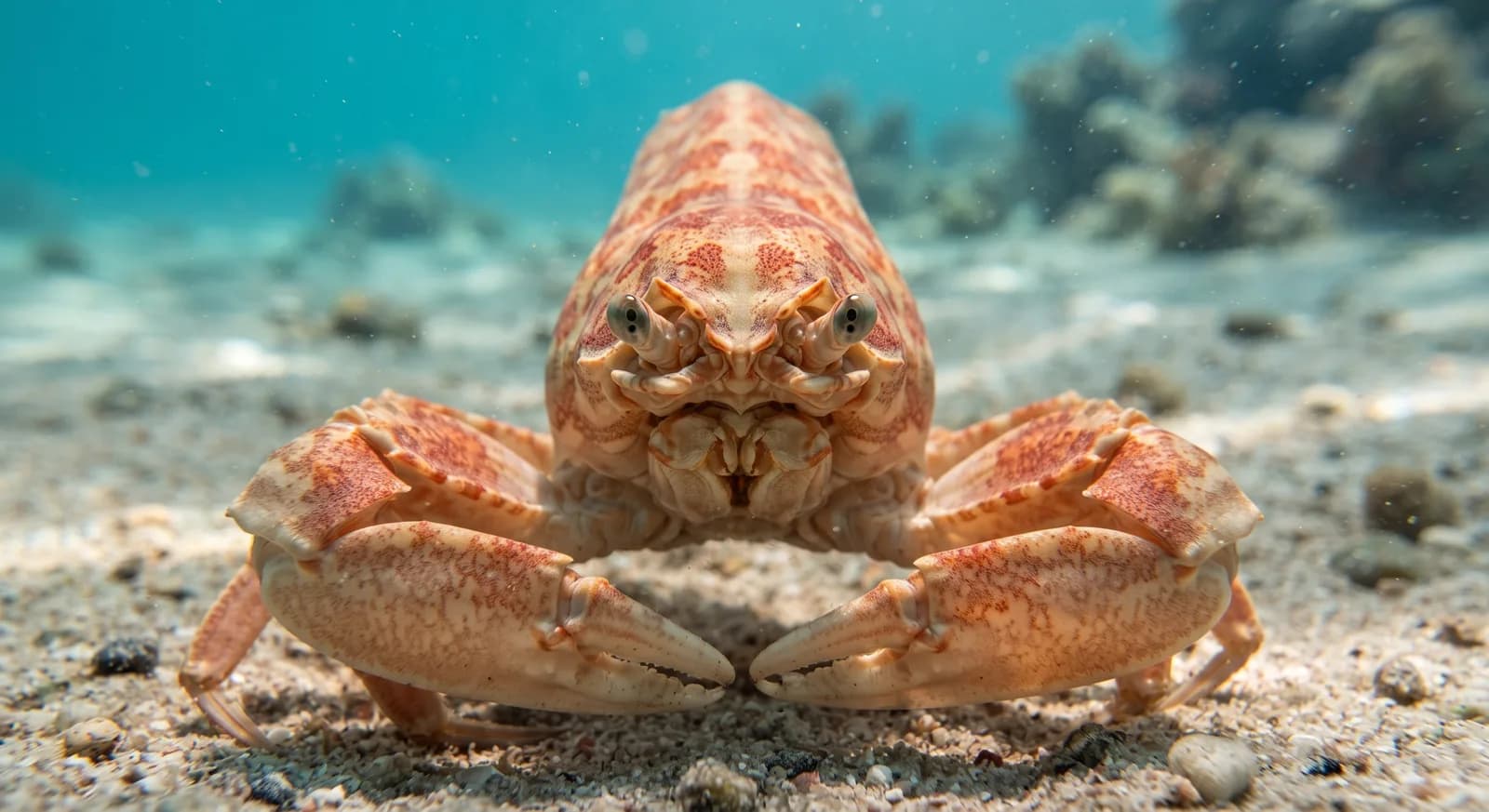
Spanner CrabNot Evaluated

Spanner Crab

Ranina ranina

CountriesIndonesia
ParksKomodoIndonesia
TagsCarnivore
Carnivore
Diurnal
Solitary
Ocean
Crustacean

Asia24

Oceania20

Africa15

Indonesia
Egypt
Philippines
Australia
Thailand
Fiji
Bangladesh
Brunei
Cambodia
China
India
Indonesia
Israel
Japan
Jordan
Malaysia
Maldives
Myanmar
Oman
Pakistan
Philippines
Saudi Arabia
Singapore
Sri Lanka
Taiwan
Thailand
Timor-Leste
United Arab Emirates
Vietnam
Yemen
American Samoa
Australia
Cook Islands
Fiji
French Polynesia
Guam
Kiribati
Marshall Islands
Micronesia
Nauru
New Caledonia
Niue
Northern Mariana Islands
Palau
Papua New Guinea
Samoa
Solomon Islands
Tonga
Tuvalu
Vanuatu
Comoros
Djibouti
Egypt
Eritrea
Kenya
Madagascar
Mauritius
Mayotte
Mozambique
Réunion
Seychelles
Somalia
South Africa
Sudan
Tanzania