Skip to content
WAnimals
  • Map
  • Species
  • Parks
  • Diving
Log inCreate account
WAnimals

The guide for travellers and animal lovers: discover, plan and share your wild adventures around the world.

Discover wildlife

  • Species
  • Ecosystems
  • Glossary
  • Tags

Explore places

  • Map
  • Countries
  • Parks
  • Diving

Plan experiences

  • Guides

Learn

  • Blog

Resources

  • About us
  • How we build our profiles
  • Help centre
  • Contact
  • Install the app

Follow us

Account

  • Log in
  • Create account

© 2026 WAnimals. All rights reserved.

Terms of servicePrivacyCookiesLegal notice
MapSpeciesParksDiving
  1. Home
  2. Species
  3. Harlequin Snake Eel

One of the 6 eels on WAnimals

Harlequin Snake Eel (Myrichthys colubrinus)

Bony fish · Anguilliformes · Ophichthidae

Harlequin Snake Eel

Myrichthys colubrinus

Least Concern

The species is abundant and widely distributed; it faces no significant short-term risk.

Spotted something wrong?

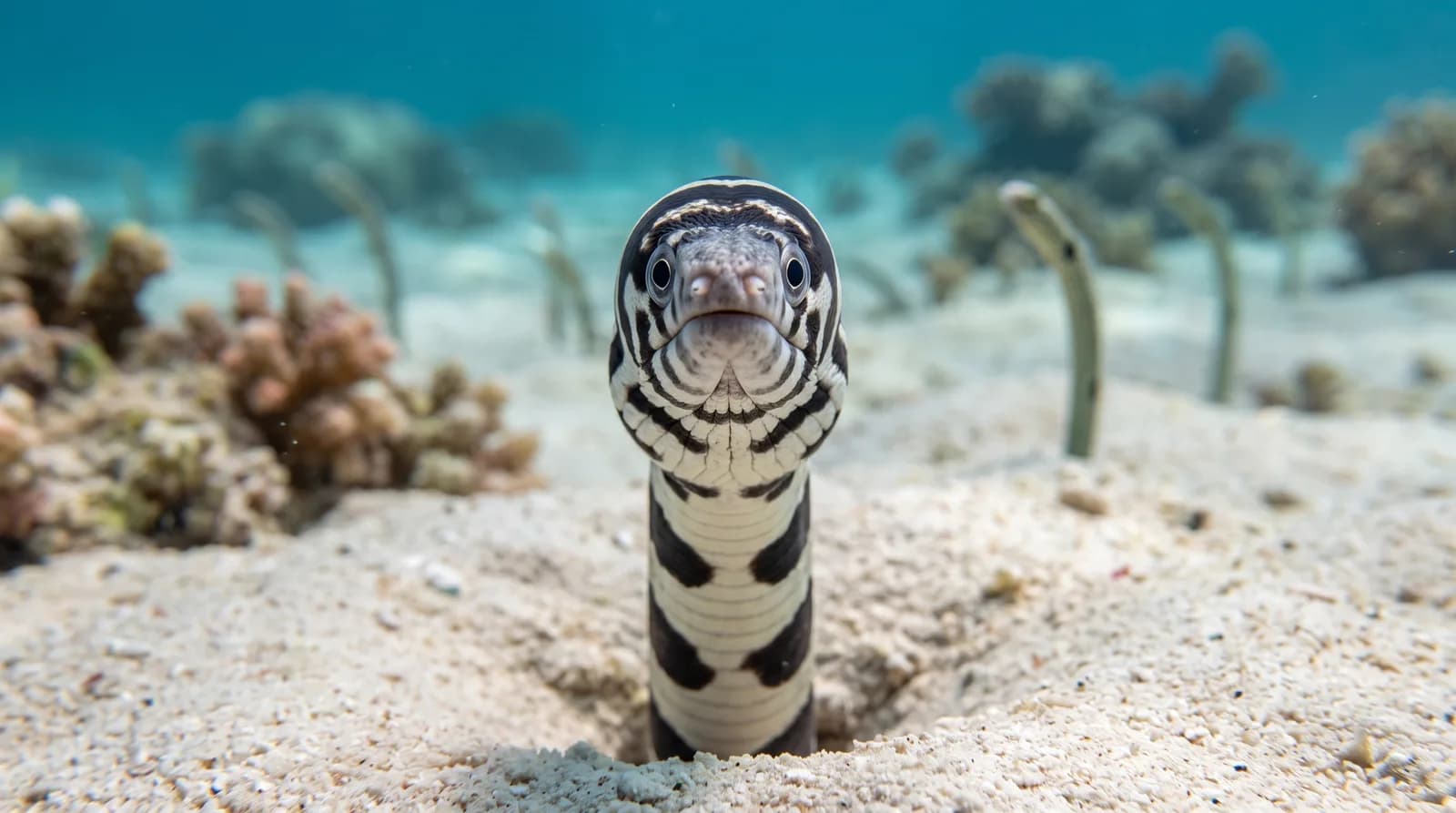
A snake eel ringed in black and white that glides over the sandy bottoms of Indo-Pacific reefs. It searches for crustaceans and small fish by probing the sediment with its pointed snout, and usually buries itself leaving only its head exposed.

Size

60 cm – 97 cm

Diet

Carnivore

Feeds mainly on other animals.

Activity

Nocturnal

Active mainly at night.
Social structure

Solitary

Lives and hunts alone, joining others only to breed.

Ocean
61countries35parks235dive sites1same family

AI-generated images: illustrations, not photographs.

Fun facts

  • Its ringed livery mimics that of the highly venomous banded sea krait, which protects it from predators that avoid the snake: a case of Batesian mimicry.
  • It buries itself tail first, backing into the sand with the hardened tip of its tail rather than digging with its head.
  • Unlike the moray eels, with which it is confused, it has no tail fin.
  • It mimics a venomous sea snake. Its black-and-white bands and its way of swimming copy the yellow-lipped sea krait, Laticauda colubrina, which is extremely venomous. The eel itself is completely harmless: it is a case of Batesian mimicry.
  • The deception works even at close quarters. Researchers who have watched the two animals in the same area describe how hard it is to tell them apart from a distance.
  • The mimicry changes its life: where it lives alongside the snake it feeds openly by day, whereas in areas where the snake is absent it becomes nocturnal.
  • Its snout and tail are hard and pointed for digging in the sand. Hence a well-documented macabre story: mummified specimens have been found inside the body cavity of large fish, having been swallowed whole and having pierced the predator's stomach from within.
  • It has between 190 and 202 vertebrae.
  • In 2021 it was recorded for the first time in Hawaiian waters, extending its known range.

Life cycle and biology

Skeleton type
Vertebrate - internal bony skeleton (fish)
Habitat and environment
Sandy and coral-rubble bottoms of the Indo-Pacific, from 0 to 30 m

Sources consulted: FishBase (Froese & Pauly, eds.) · Lista Roja de la UICN · Heemstra · Reef Life Survey

Where to find it

Loading map…

Where to see it

Parks and dive sites where this species has been documented — showing 20 of 270.

Related species

Other species in the catalogue with the most in common with Harlequin Snake Eel — same habitat, park, country, tags or family.

Shares a park
Shares a park
Shares a park
Shares a park
Shares a park
Shares a park

Keep exploring

Based on what we already know about harlequin snake eel.

Share an experience, a fun fact or a tip for seeing the harlequin snake eel.
See full glossary
This page in other languages: Español · Deutsch · Français · Português · Italiano

The pins mark the parks and dive sites where its presence is documented.

See its range on the interactive map→
KomodoIndonesia
AldabraSeychelles
YakushimaJapan
Ras MohammedEgypt
Great Barrier ReefAustralia
NingalooAustralia
Rock Islands of PalauPalau
East RennellSolomon Islands
FakaravaFrench Polynesia
Mohéli Marine National ParkComoros
Blue Hole DahabEgypt
Ras Mohammed National ParkEgypt
Thistlegorm wreckEgypt
Elphinstone ReefEgypt
Brothers Islands (El Akhawein)Egypt
Sha'ab Rumi (Cousteau)Sudan
Musandam PeninsulaOman
Daymaniyat IslandsOman
Raja AmpatIndonesia
Komodo National ParkIndonesia
See all 35 parks
See all 235 dive sites
Saltwater CrocodileLeast Concern

Saltwater Crocodile

Crocodylus porosus

Least Concern

Yellow-bellied Sea Snake

Hydrophis platurus

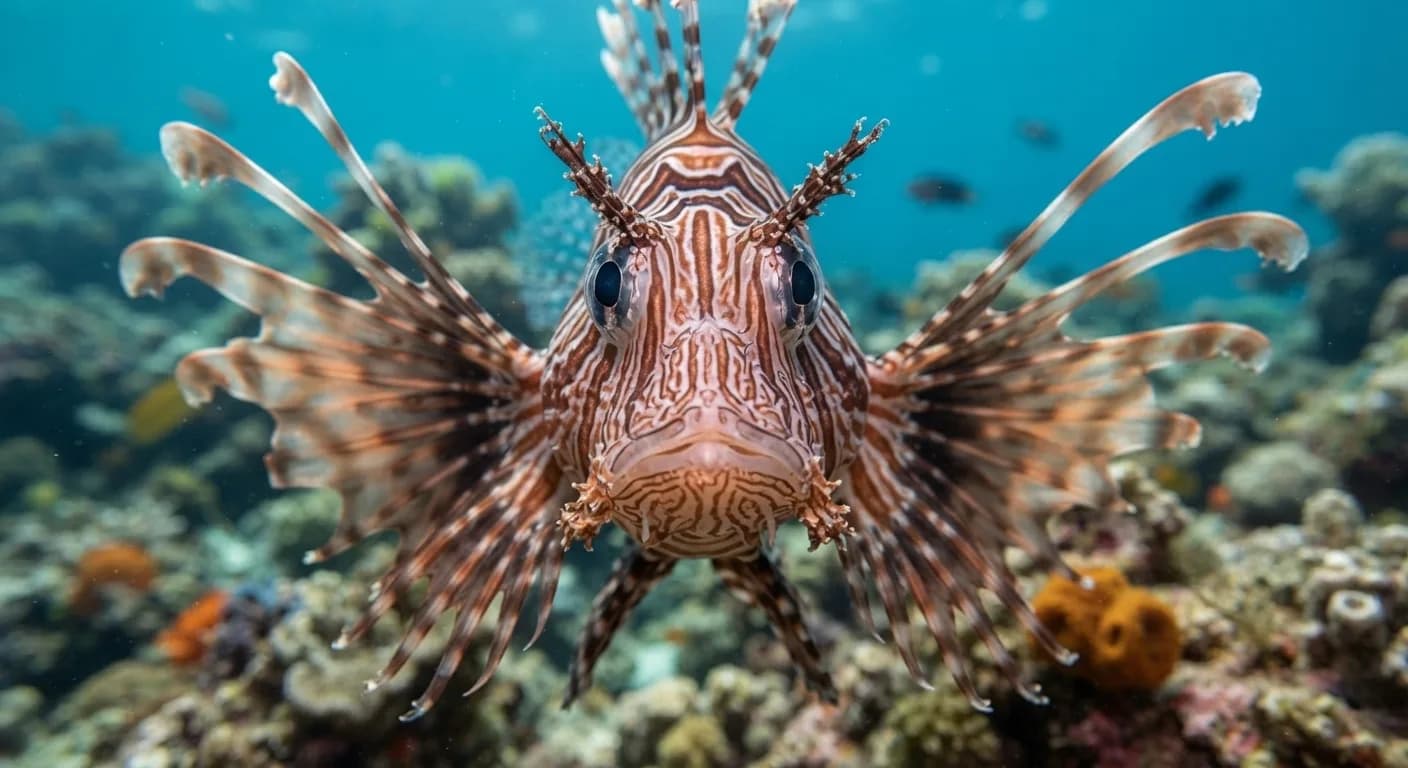
Red LionfishLeast Concern

Red Lionfish

Pterois volitans

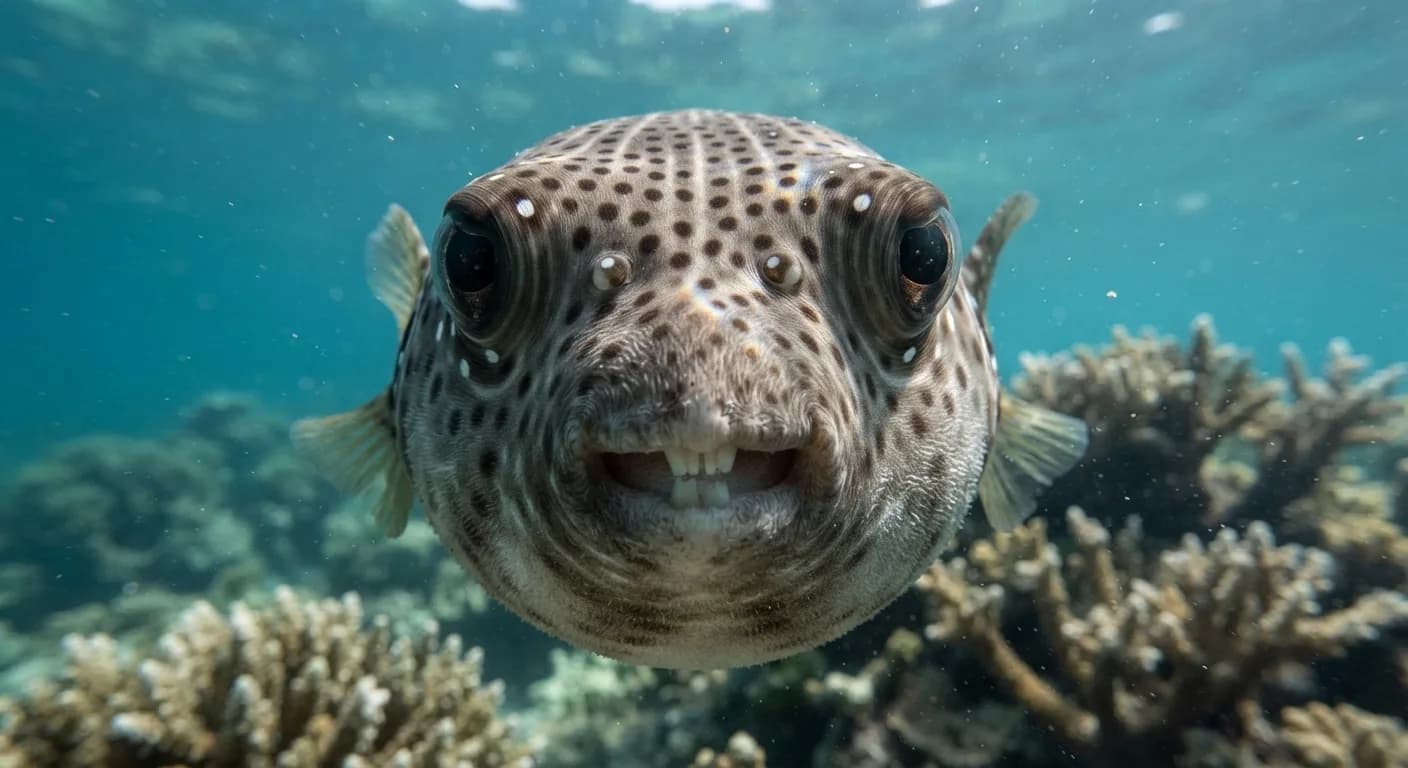
White-spotted PufferLeast Concern

White-spotted Puffer

Arothron hispidus

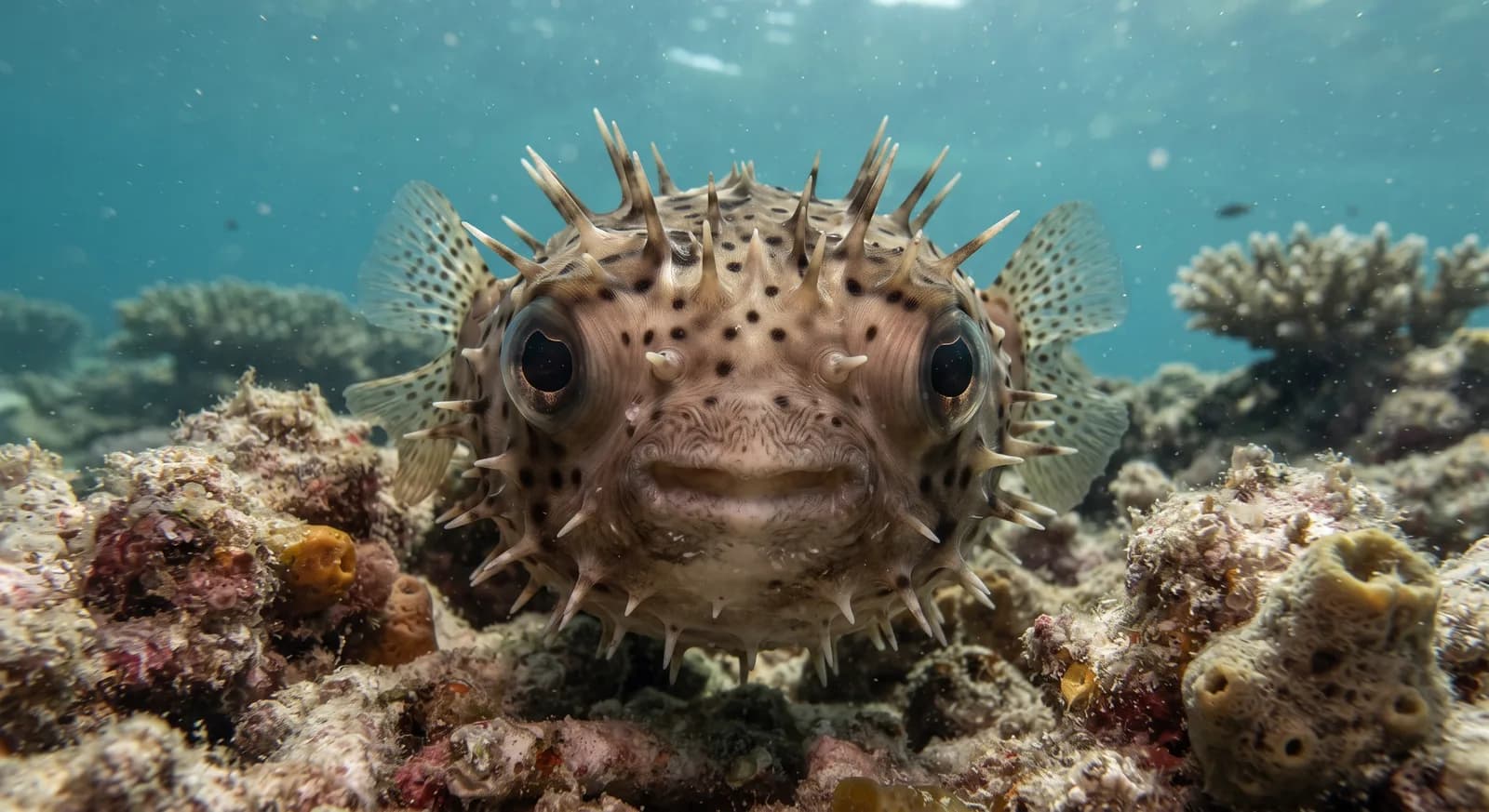
Spot-fin PorcupinefishLeast Concern

Spot-fin Porcupinefish

Diodon hystrix

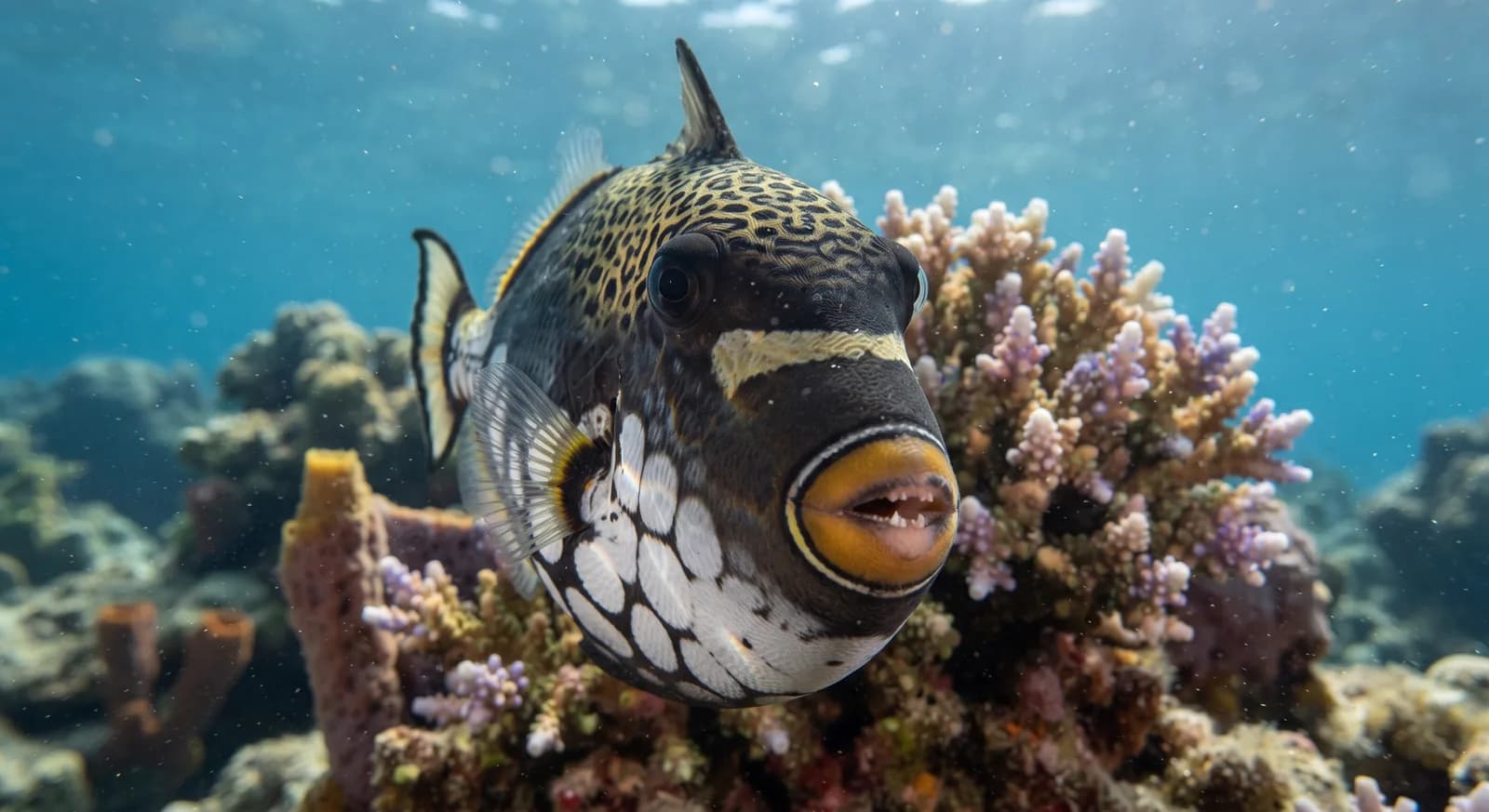
Clown TriggerfishLeast Concern

Clown Triggerfish

Balistoides conspicillum

CountriesIndonesia
ParksKomodoIndonesia
TagsCarnivore
Carnivore
Nocturnal
Solitary
Fish
Ocean

Asia26

Oceania20

Africa15

Indonesia
Egypt
Philippines
Australia
Thailand
Fiji
Bahrain
Bangladesh
Brunei
Cambodia
China
India
Indonesia
Iran
Japan
Kuwait
Malaysia
Maldives
Myanmar
Oman
Pakistan
Philippines
Qatar
Saudi Arabia
Singapore
Sri Lanka
Taiwan
Thailand
Timor-Leste
United Arab Emirates
Vietnam
Yemen
American Samoa
Australia
Cook Islands
Fiji
French Polynesia
Guam
Kiribati
Marshall Islands
Micronesia
Nauru
New Caledonia
Niue
Northern Mariana Islands
Palau
Papua New Guinea
Samoa
Solomon Islands
Tonga
Tuvalu
Vanuatu
Comoros
Djibouti
Egypt
Eritrea
Kenya
Madagascar
Mauritius
Mayotte
Mozambique
Réunion
Seychelles
Somalia
South Africa
Sudan
Tanzania