 Critically Endangered
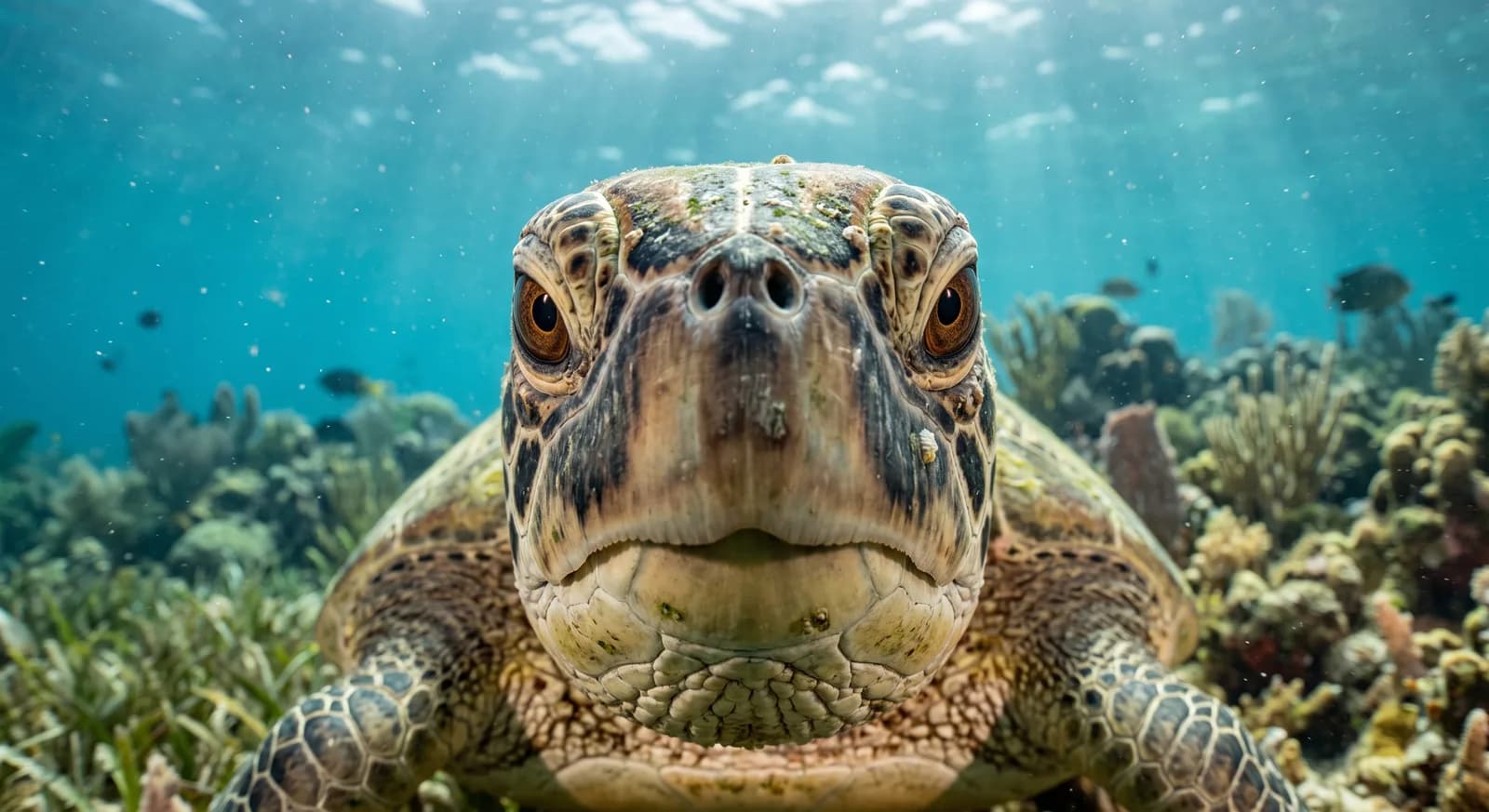
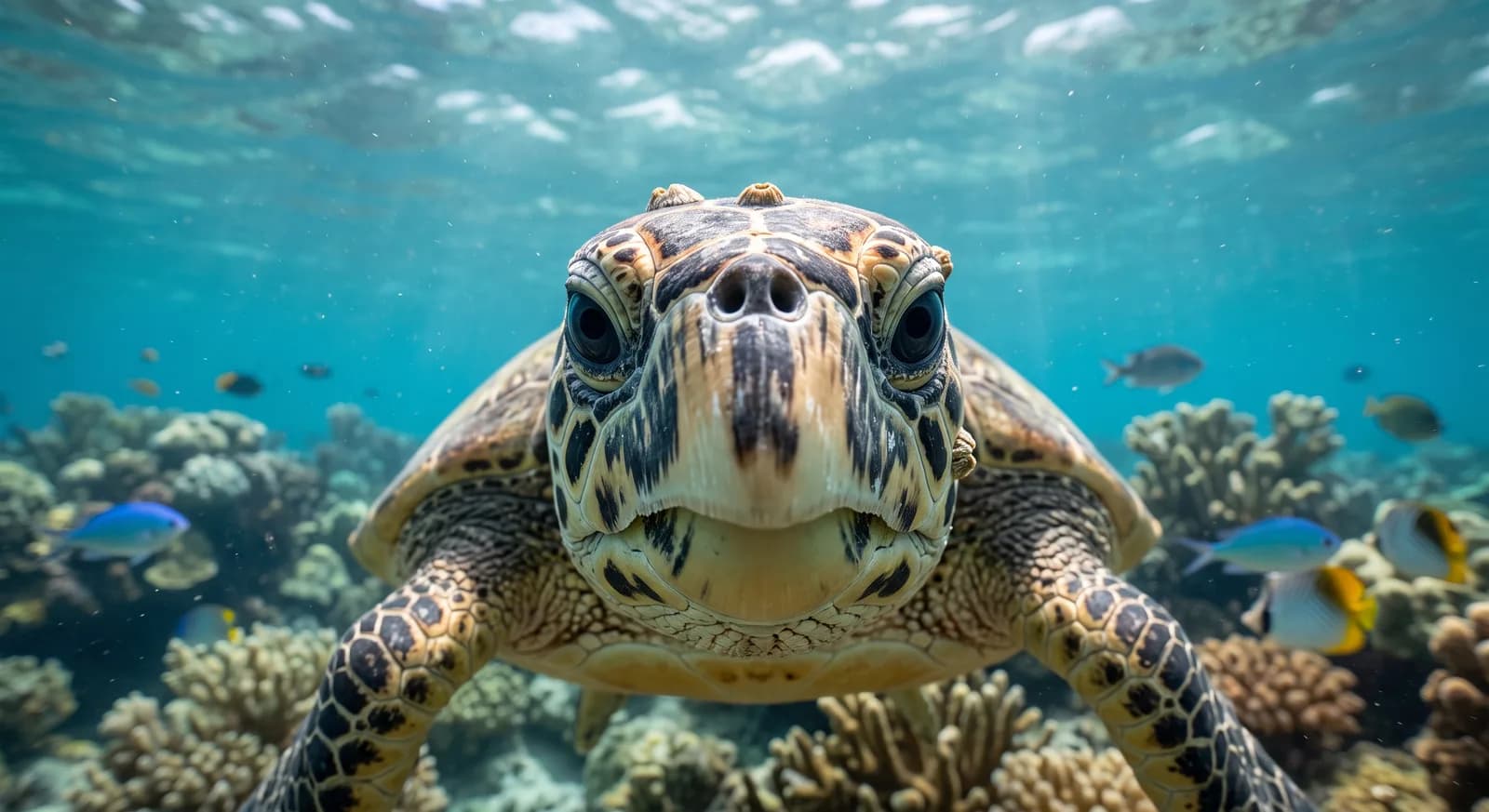
Hawksbill Turtle
Eretmochelys imbricata
Asia
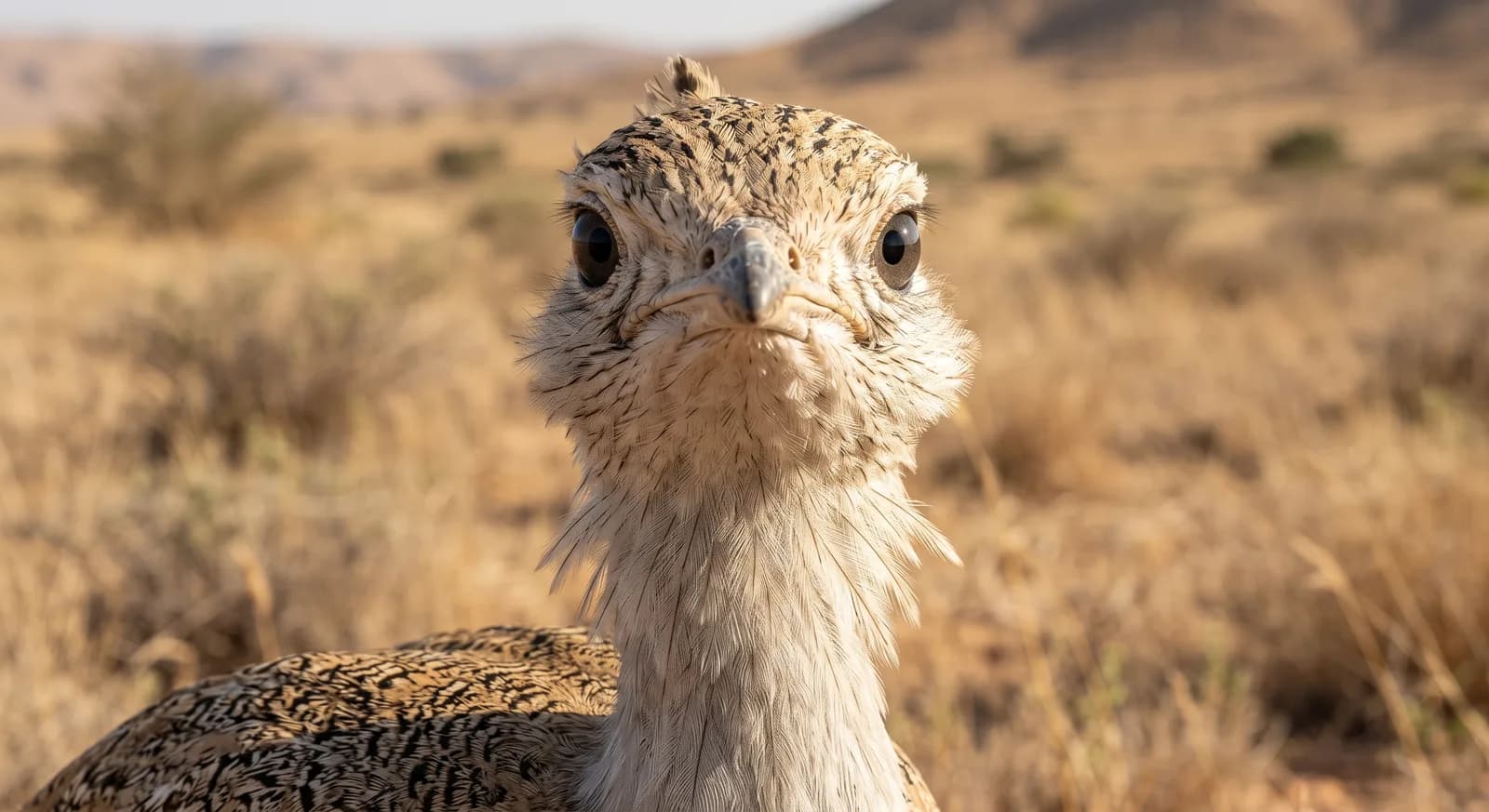
Bahrain is a low, arid archipelago in the Persian Gulf whose name means two seas, in reference to the freshwater springs that welled up beneath the salt sea and that for thousands of years supported palm groves, agriculture and one of the largest pearling industries in the world. Those springs have largely run dry through over-extraction from the aquifers, and today the interior is above all stony desert, with the famous Tree of Life growing alone in the middle of nowhere. The country's natural wealth is marine: pearl oyster beds, seagrass meadows and shallow bottoms where dugongs and turtles feed. To the south, the almost uninhabited Hawar archipelago is a nature reserve and one of the most important seabird sites in the whole Gulf.
National animal: The Arabian oryx, the country's national animal
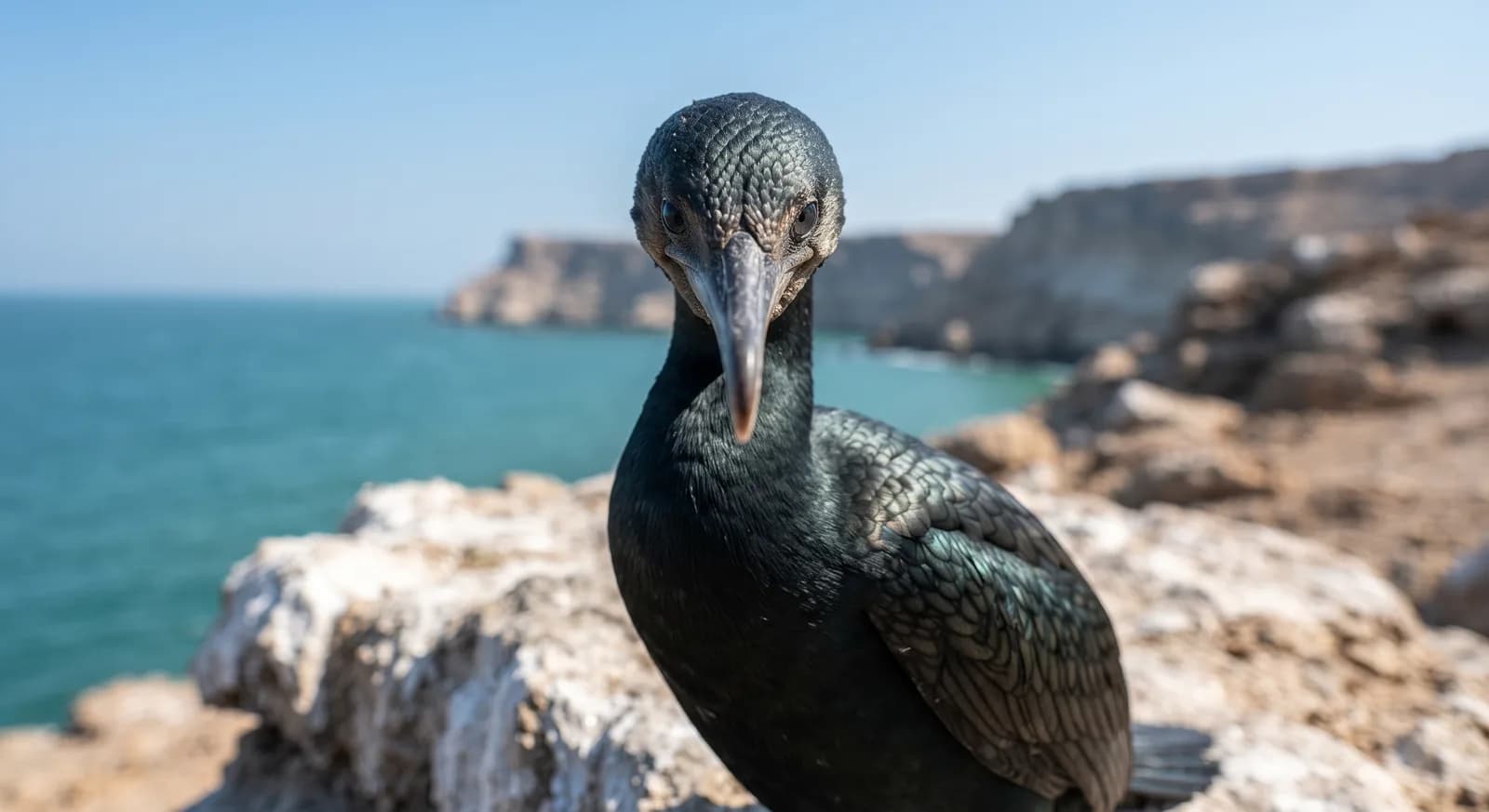
The Hawar islands hold the largest breeding colony in the world of the Socotra cormorant, a seabird exclusive to the Persian Gulf and the Arabian Sea that nests on the ground at enormous densities. Tens of thousands of pairs gather there every winter, to the point that a very significant share of the entire world population of the species depends on a handful of islets in this archipelago.
Coastal land reclamation has drastically reduced the shallow bottoms and the mangroves of Tubli bay. The historic pearl oyster beds are protected as a World Heritage Site for their cultural and ecological value.
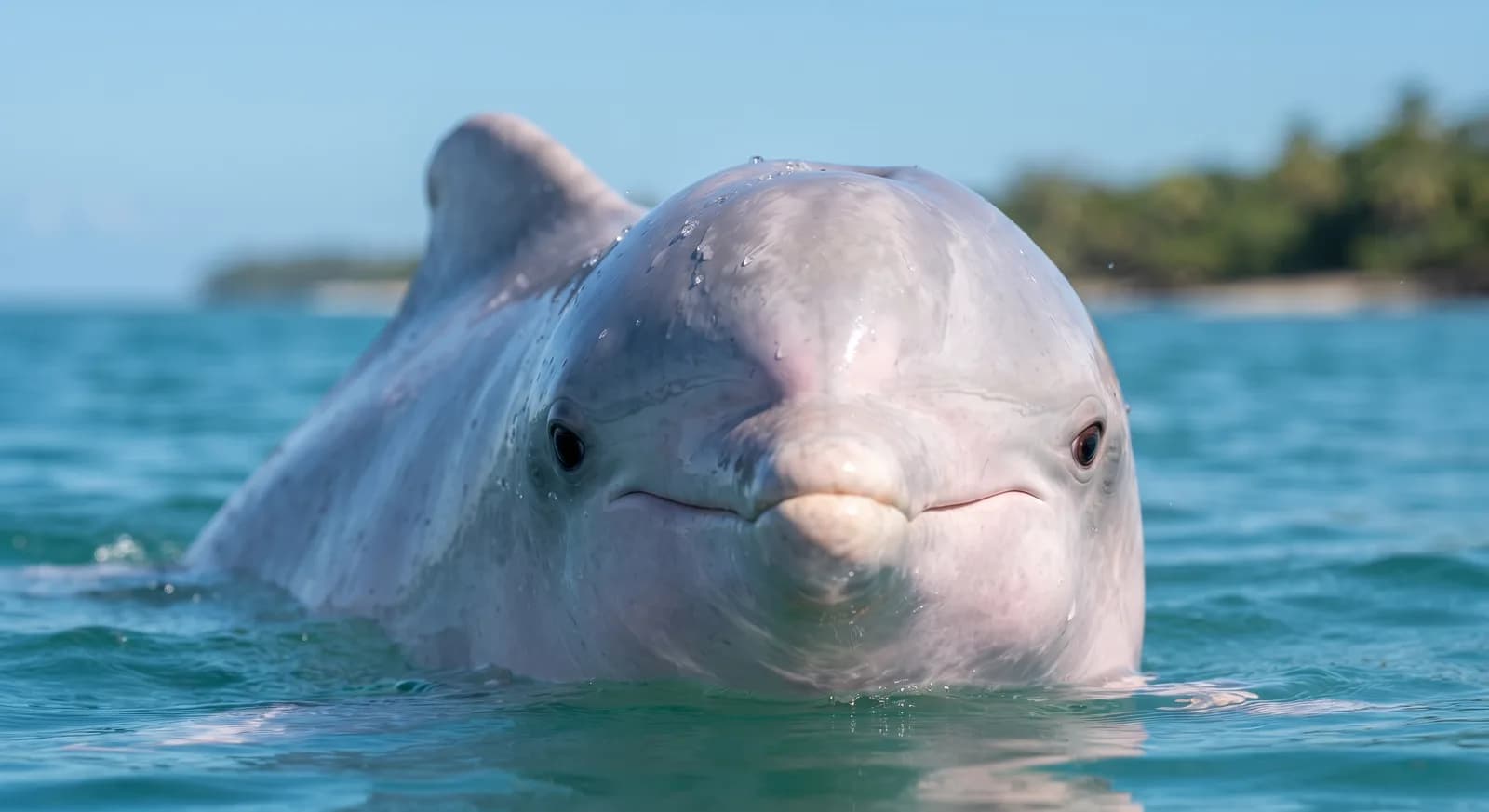
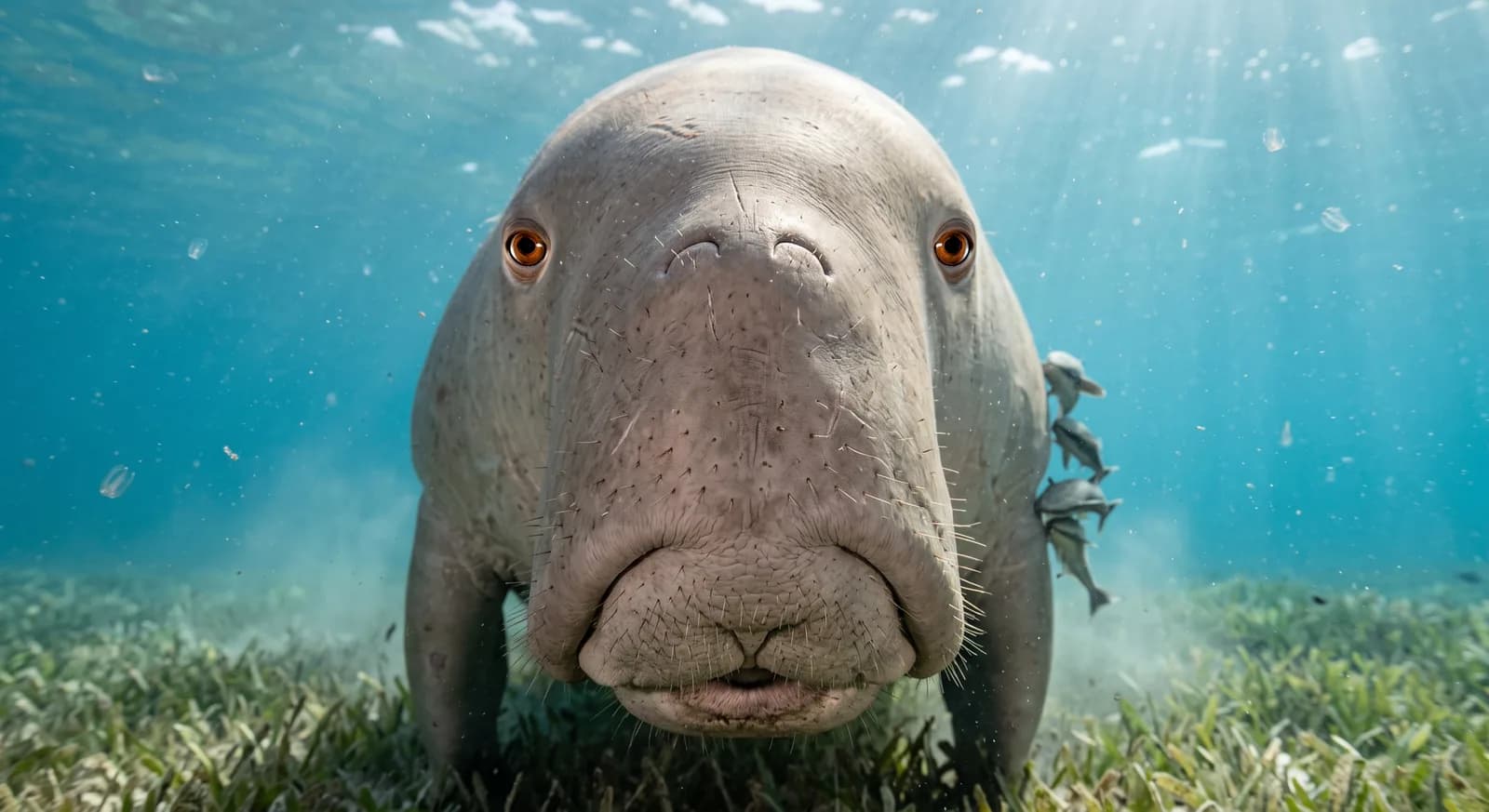
Hawar between October and March for Socotra cormorants and seabirds. Tubli bay in winter for flamingos and waders. The southern waters for dugongs and turtles.
Where else might I want to travel?
Same region: Middle East and Western Asia
Same region: Middle East and Western Asia
Same region: Middle East and Western Asia
120 species found
Based on what we already know about Bahrain.