 Critically Endangered
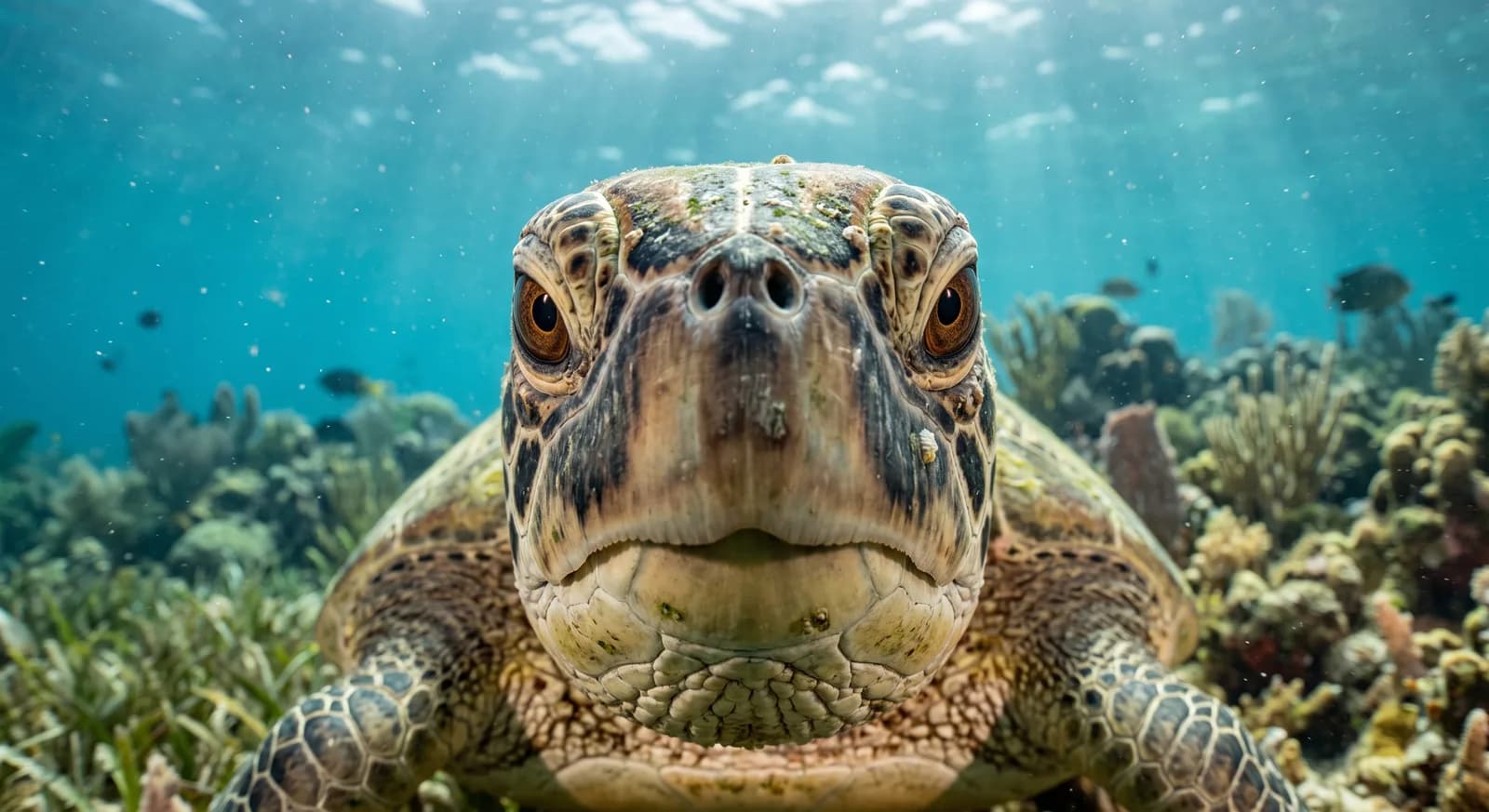
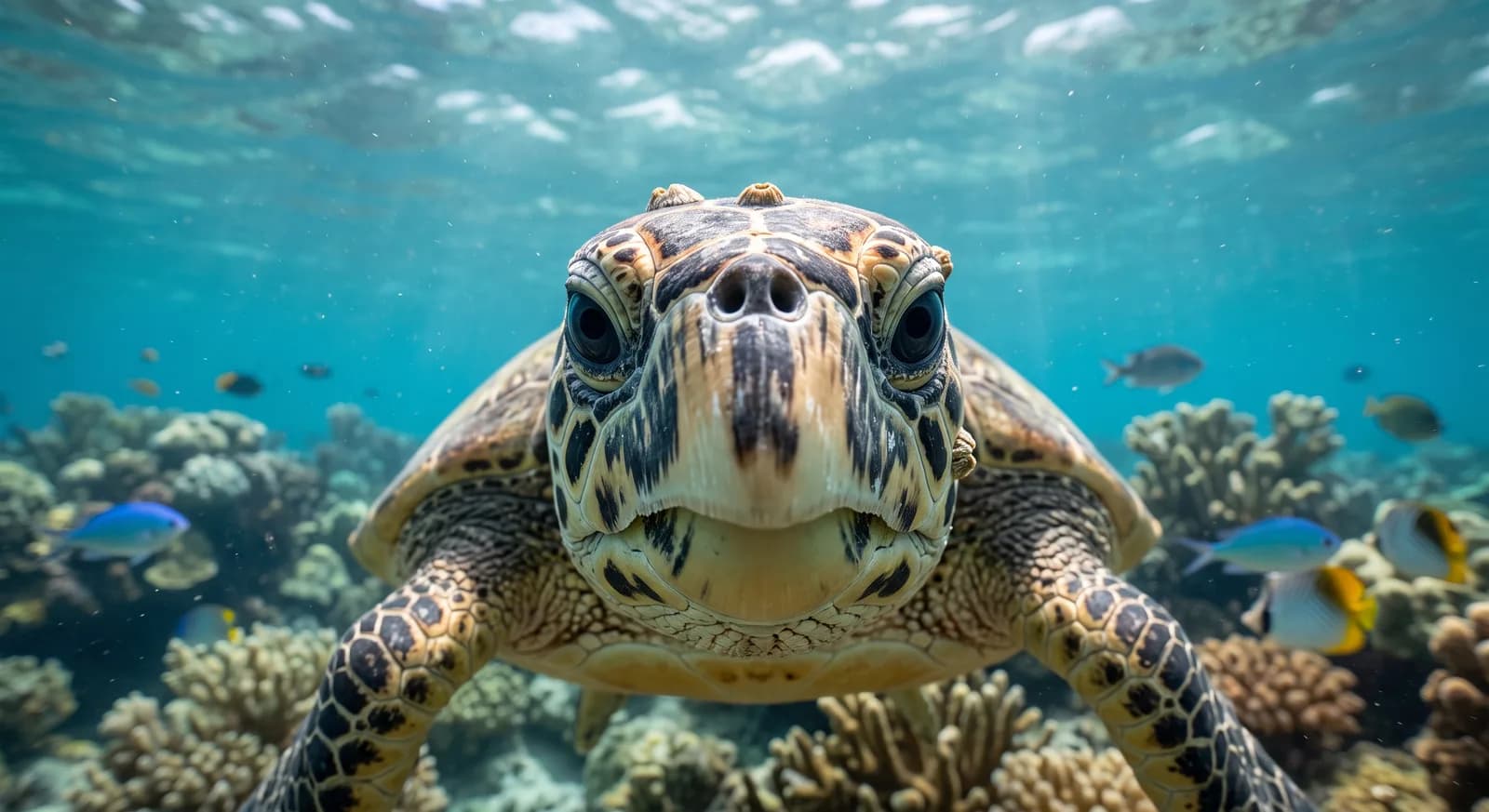
Hawksbill Turtle
Eretmochelys imbricata
Asia
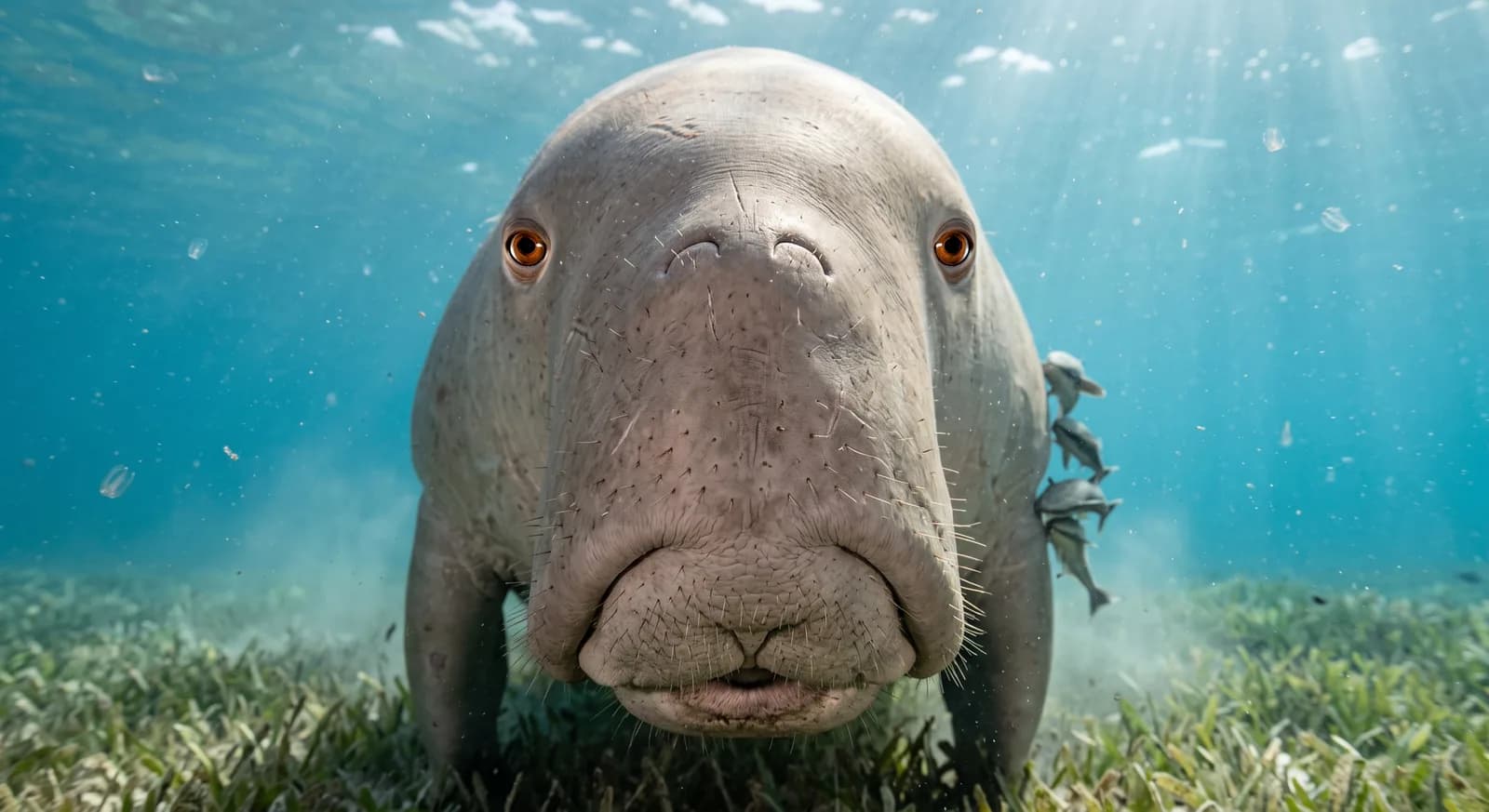
Qatar is a low, arid peninsula in the Persian Gulf, with a landscape of limestone plains, dunes and sabkhas, the salt depressions that flood intermittently. In the southeast, the Khor Al Adaid inland sea is an arm of the sea that pushes in between dunes to form a lagoon surrounded by sand, a phenomenon uncommon anywhere in the world. The north of the country is protected by the Al Reem reserve, with acacia and ghaf steppe where reintroduced Arabian oryx and gazelles graze. The east coast keeps grey mangrove stands at Al Thakira, a nursery for fish, crabs and herons, and seagrass meadows that support one of the largest dugong populations in the world. Its warm, shallow waters also concentrate one of the most remarkable aggregations of large fish on the planet.
National animal: The Arabian oryx, the country's national animal
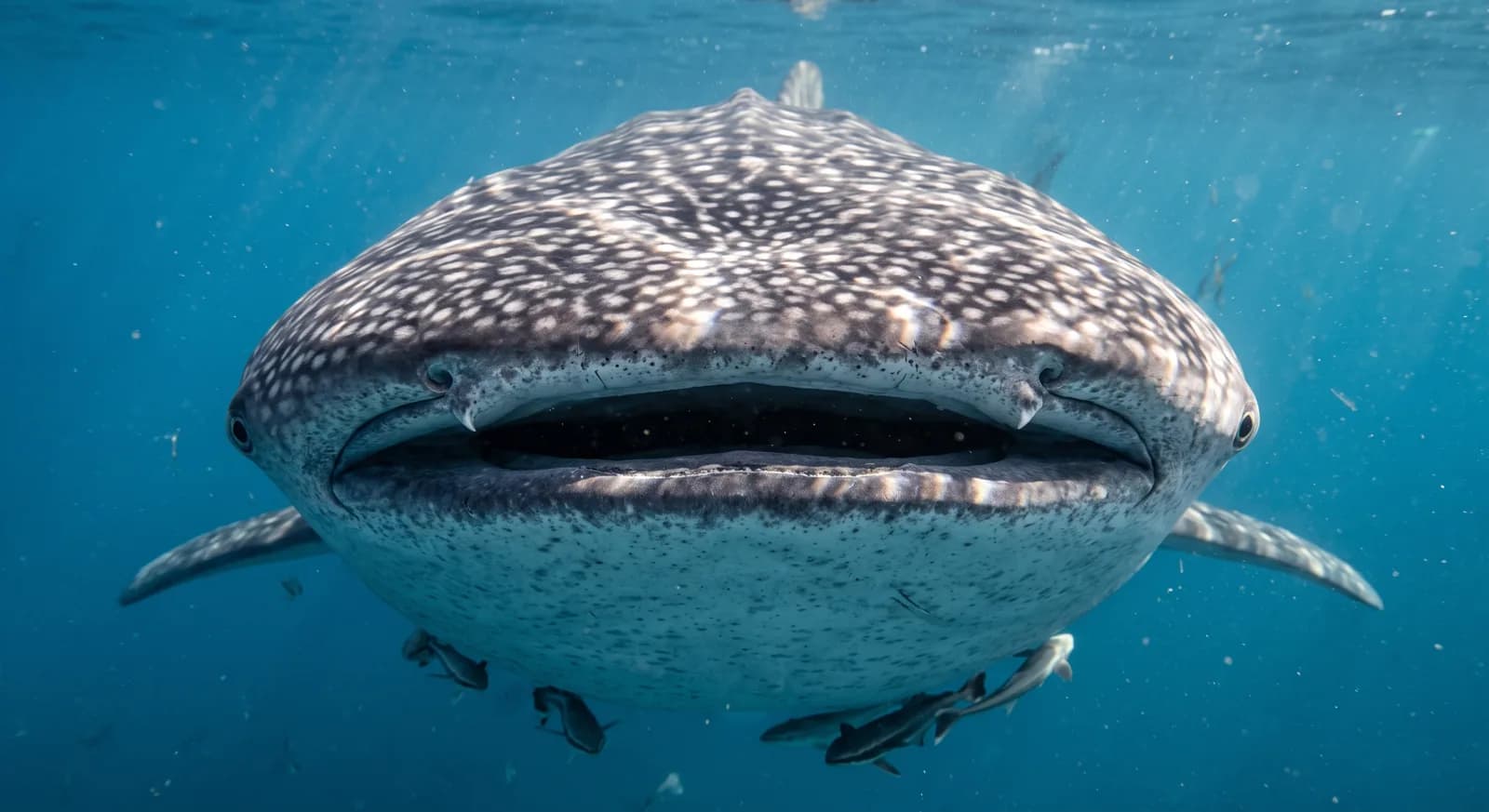
Every summer, off the north coast of Qatar, hundreds of whale sharks, the largest fish in the world, gather in one of the largest known concentrations of the species. They do not go there by chance: they come to feed on the eggs released by spawning tuna shoals, filtering the water with their mouths open near the surface, and they disperse when the spawning ends.
The country has reintroduced the Arabian oryx, its national symbol, in several enclosed reserves. Port and industrial expansion and dredging are putting pressure on the seagrass meadows the dugong depends on.
The northern waters between May and September for whale sharks. Al Thakira year-round for mangroves and coastal birds. Al Reem in winter for oryx and gazelles.
Where else might I want to travel?
Same region: Middle East and Western Asia
Same region: Middle East and Western Asia
Same region: Middle East and Western Asia
122 species found
Based on what we already know about Qatar.