Skip to content
WAnimals
  • Map
  • Species
  • Parks
  • Diving
Log inCreate account
WAnimals

The guide for travellers and animal lovers: discover, plan and share your wild adventures around the world.

Discover wildlife

  • Species
  • Ecosystems
  • Glossary
  • Tags

Explore places

  • Map
  • Countries
  • Parks
  • Diving

Plan experiences

  • Guides

Learn

  • Blog

Resources

  • About us
  • How we build our profiles
  • Help centre
  • Contact
  • Install the app

Follow us

Account

  • Log in
  • Create account

© 2026 WAnimals. All rights reserved.

Terms of servicePrivacyCookiesLegal notice
MapSpeciesParksDiving
  1. Home
  2. Species
  3. Ritteri Anemone

One of the 3 anemones on WAnimals
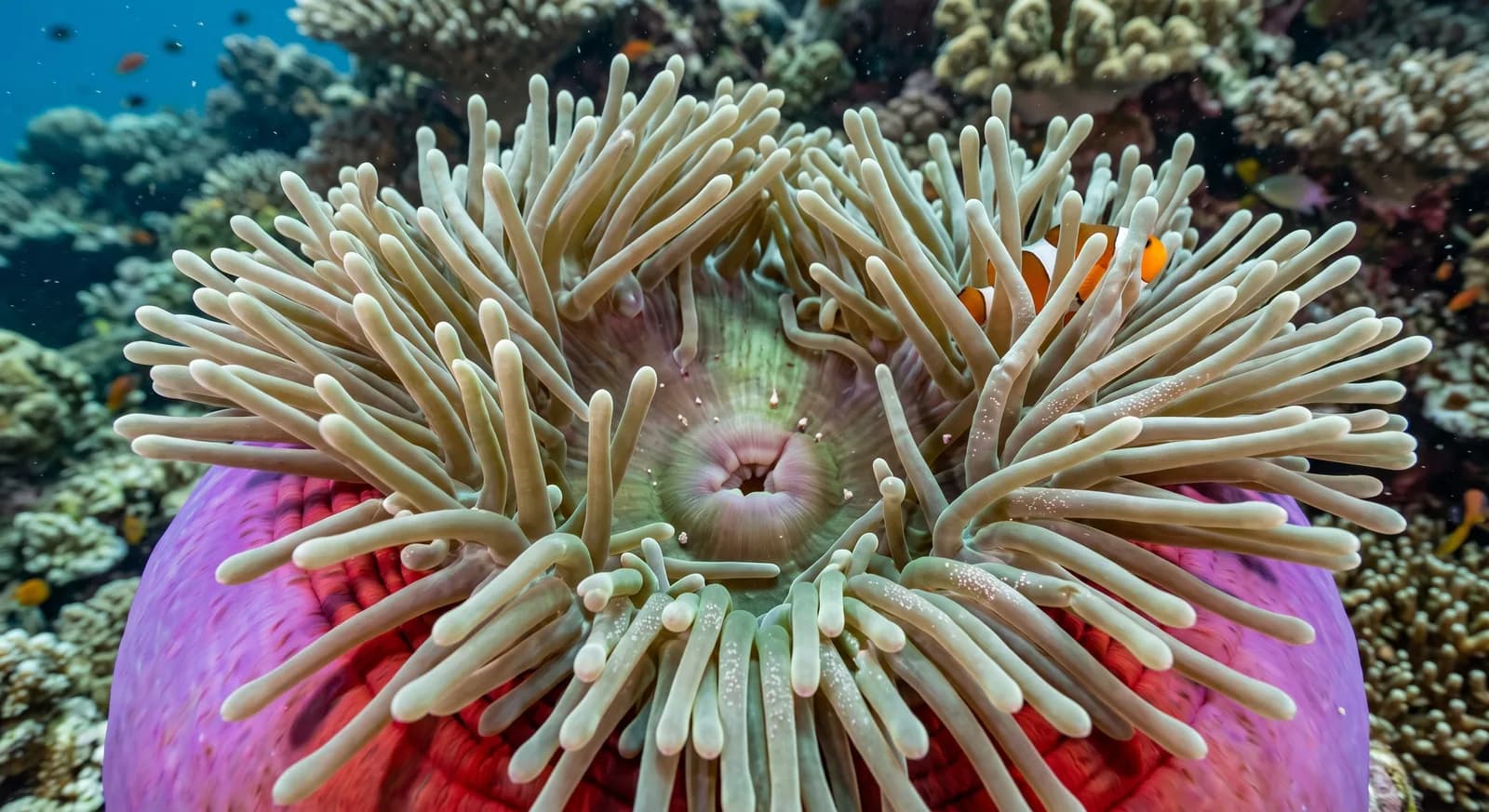
Ritteri Anemone (Heteractis magnifica)

Anthozoans · Actiniaria · Actiniidae

Ritteri Anemone

Heteractis magnifica

Not Evaluated

It has not yet been assessed against the IUCN criteria.

Spotted something wrong?

It is the most photographed anemone in the world and a regular host to several clownfish species, which are immune to its potent nematocysts thanks to a protective layer of mucus.

Size

20 cm – 1 m

Life expectancy

60 years

Diet

Carnivore

Feeds mainly on other animals.
Activity

Irregular activity

Active at irregular times, by day or night depending on circumstances.

Social structure

Solitary

Lives and hunts alone, joining others only to breed.

Ocean
61countries35parks235dive sites1same family

AI-generated images: illustrations, not photographs.

Fun facts

  • It is the second largest anemone in the world, with an oral disc up to a metre across in exceptional specimens.
  • It eats small invertebrates and young fish, along with nutrients produced by symbiotic zooxanthellae.
  • It resists cellular ageing remarkably well, with documented individuals over 60 to 80 years old.
  • It is the second largest of the anemones that host clownfish and one of the showiest: its column is an intense magenta, blue or green, and often shows beneath the disc of tentacles.
  • It hosts more than ten species of clownfish, more than any other anemone, and a single specimen can shelter an entire group.
  • It closes into a compact ball when it feels threatened or at night, hiding its tentacles completely, and its clownfish are left without shelter until it opens again.
  • It reproduces by fission: it splits in two, so a group of neighbouring anemones may in fact be a single cloned individual.
  • It harbours zooxanthellae and depends on them, so it bleaches as the water warms just as corals do; and when it bleaches it loses its fish.
  • Collection for the aquarium trade has reduced its populations in accessible areas, and it is difficult to keep in captivity.

Life cycle and biology

Skeleton type
Invertebrate - no skeleton (soft-bodied cnidarian)
Habitat and environment
Coral reefs of the tropical Indo-Pacific, from the Red Sea to Polynesia, in shallow, well-lit water
Birth weight
Microscopic planula larva after fertilisation
Size at birth
Microscopic planula larva after fertilisation
Litter / clutch size
Numerous eggs and sperm released into the water at once (sexual reproduction), alongside asexual reproduction by fission

Sources consulted: Animal Diversity Web · CreationWiki · MonsterFishKeepers · Seaunseen · Reeflings Care Guide · Animalia.bio · A-Z Animals (sea anemone) · Bay Nature · AnimalFact.com

Where to find it

Loading map…

Where to see it

Parks and dive sites where this species has been documented — showing 20 of 270.

Related species

Other species in the catalogue with the most in common with Ritteri Anemone — same habitat, park, country, tags or family.

Shares a park
Shares a park
Shares a park
Shares a park
Shares a park
Shares a park

Keep exploring

Based on what we already know about ritteri anemone.

Share an experience, a fun fact or a tip for seeing the ritteri anemone.
See full glossary
This page in other languages: Español · Deutsch · Français · Português · Italiano

The pins mark the parks and dive sites where its presence is documented.

See its range on the interactive map→
KomodoIndonesia
AldabraSeychelles
YakushimaJapan
Ras MohammedEgypt
Great Barrier ReefAustralia
NingalooAustralia
Rock Islands of PalauPalau
East RennellSolomon Islands
FakaravaFrench Polynesia
Mohéli Marine National ParkComoros
Blue Hole DahabEgypt
Ras Mohammed National ParkEgypt
Thistlegorm wreckEgypt
Elphinstone ReefEgypt
Brothers Islands (El Akhawein)Egypt
Sha'ab Rumi (Cousteau)Sudan
Musandam PeninsulaOman
Daymaniyat IslandsOman
Raja AmpatIndonesia
Komodo National ParkIndonesia
See all 35 parks
See all 235 dive sites
Humpback WhaleLeast Concern

Humpback Whale

Megaptera novaeangliae

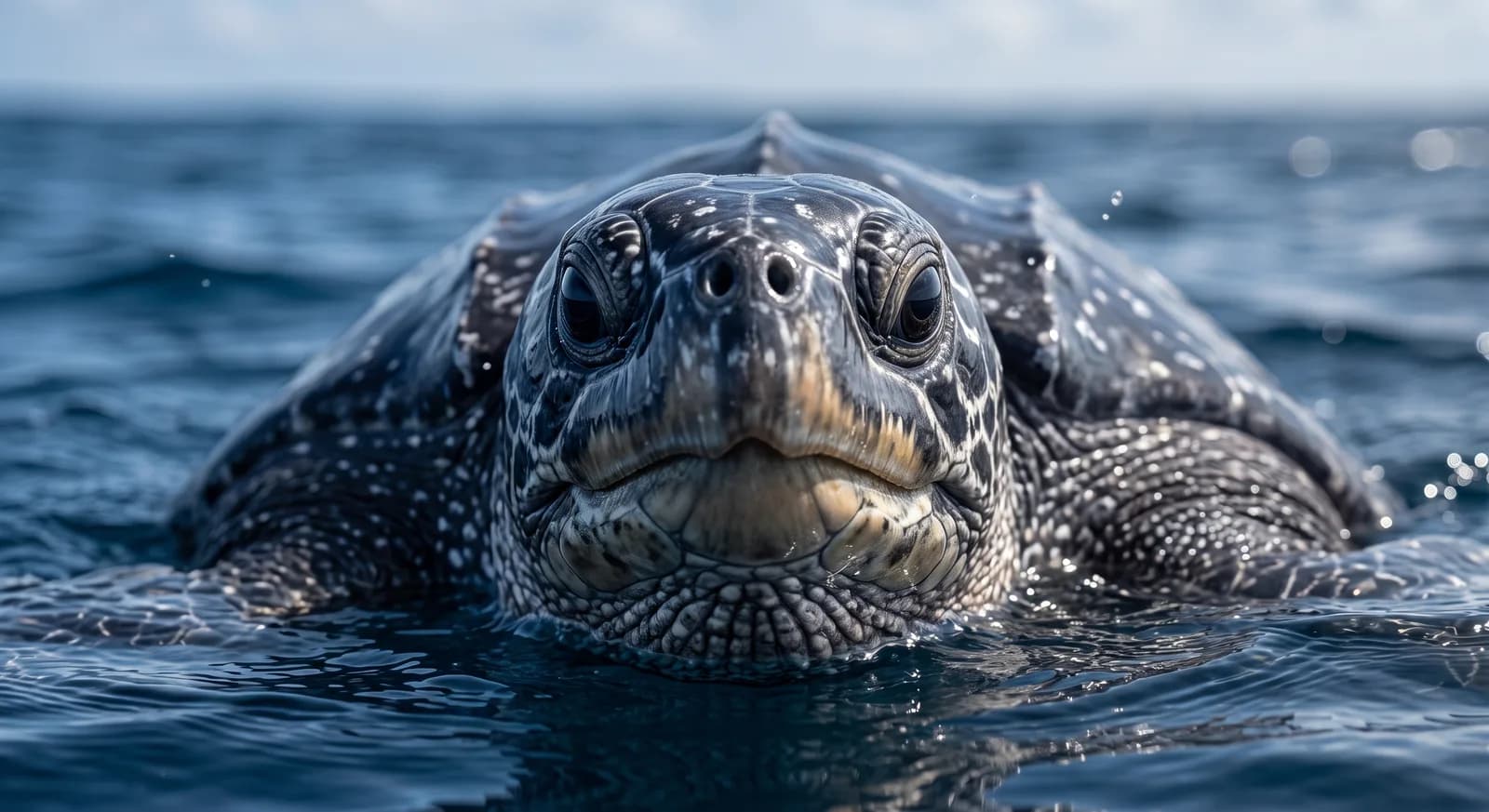
Leatherback Sea TurtleVulnerable

Leatherback Sea Turtle

Dermochelys coriacea

Least Concern

Yellow-bellied Sea Snake

Hydrophis platurus

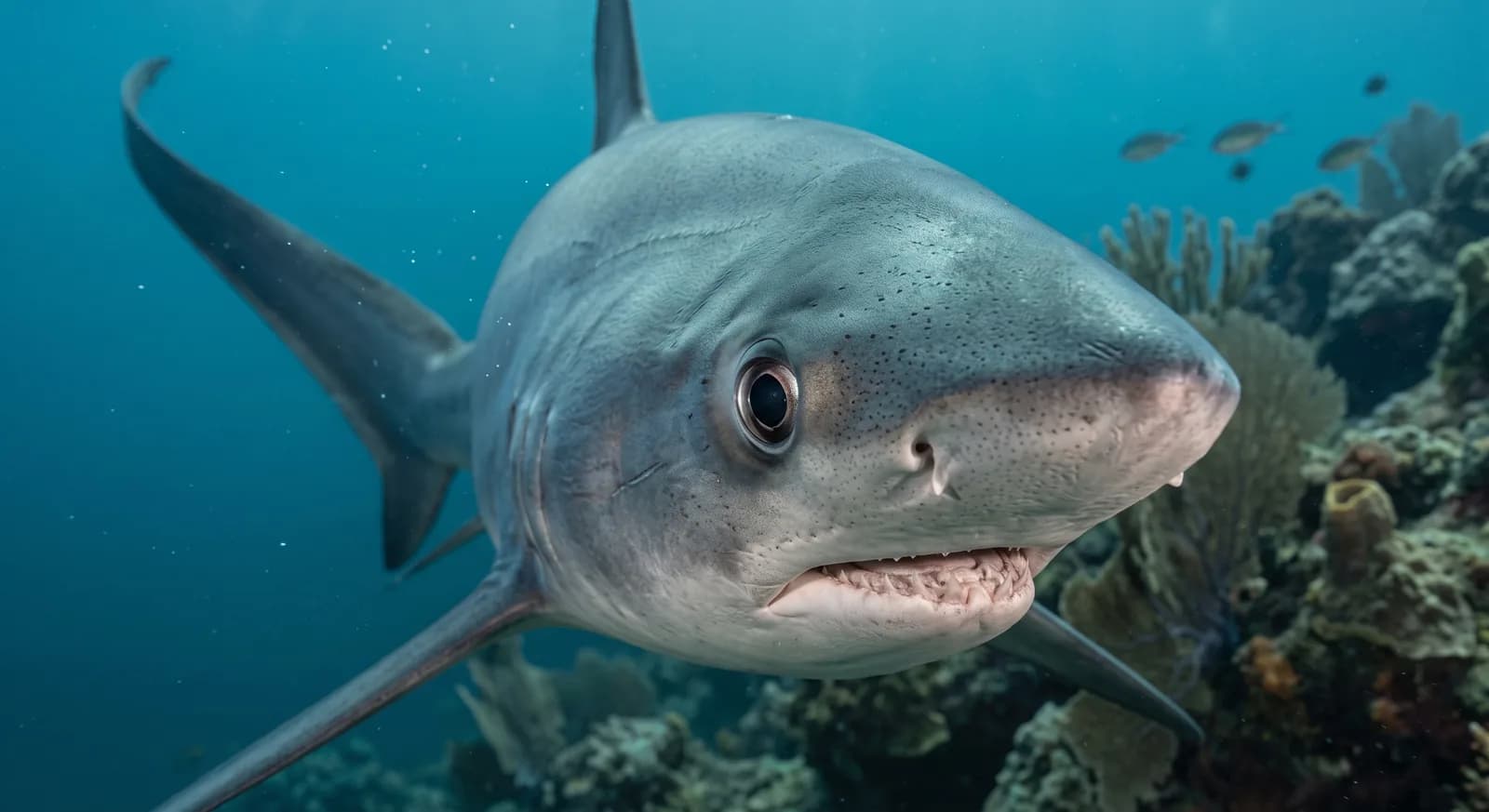
Common Thresher SharkVulnerable

Common Thresher Shark

Alopias vulpinus

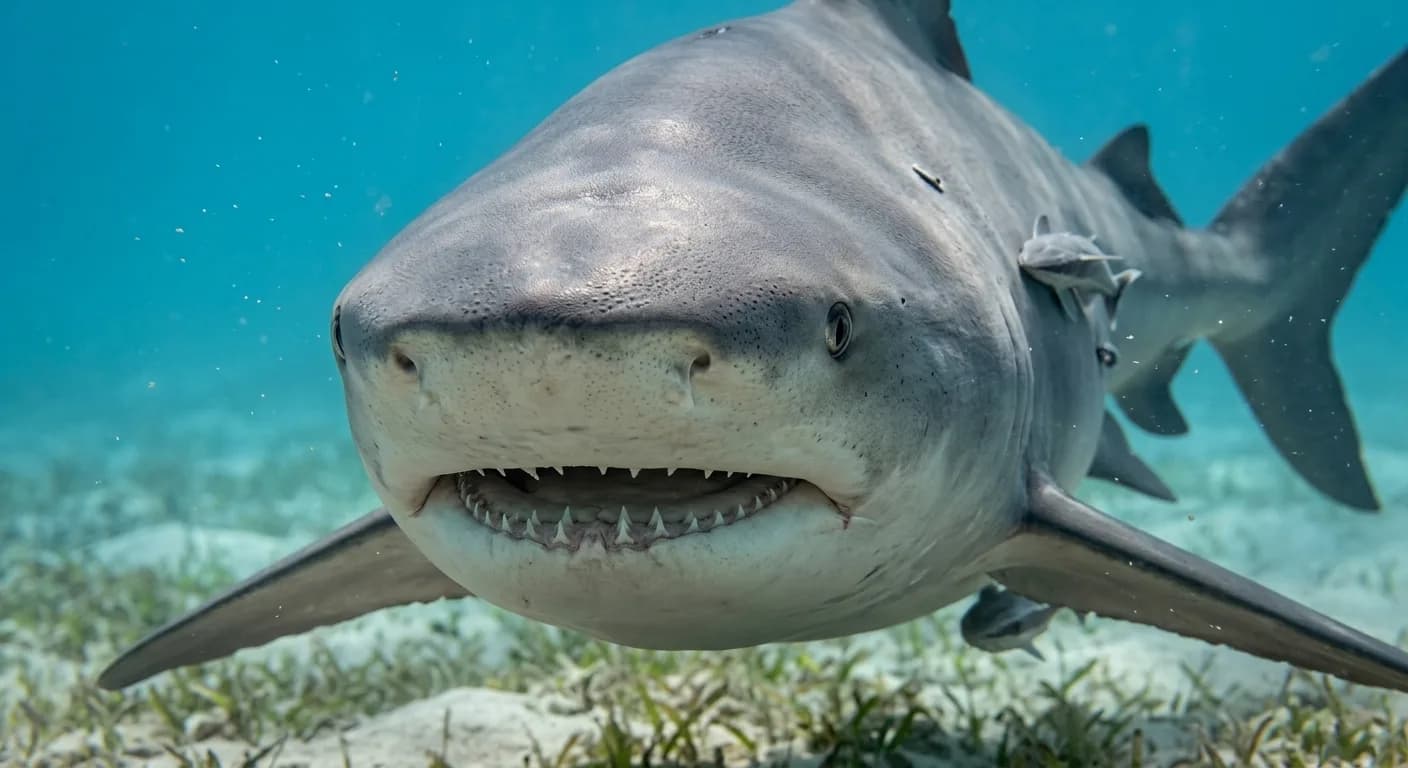
Bull SharkNear Threatened

Bull Shark

Carcharhinus leucas

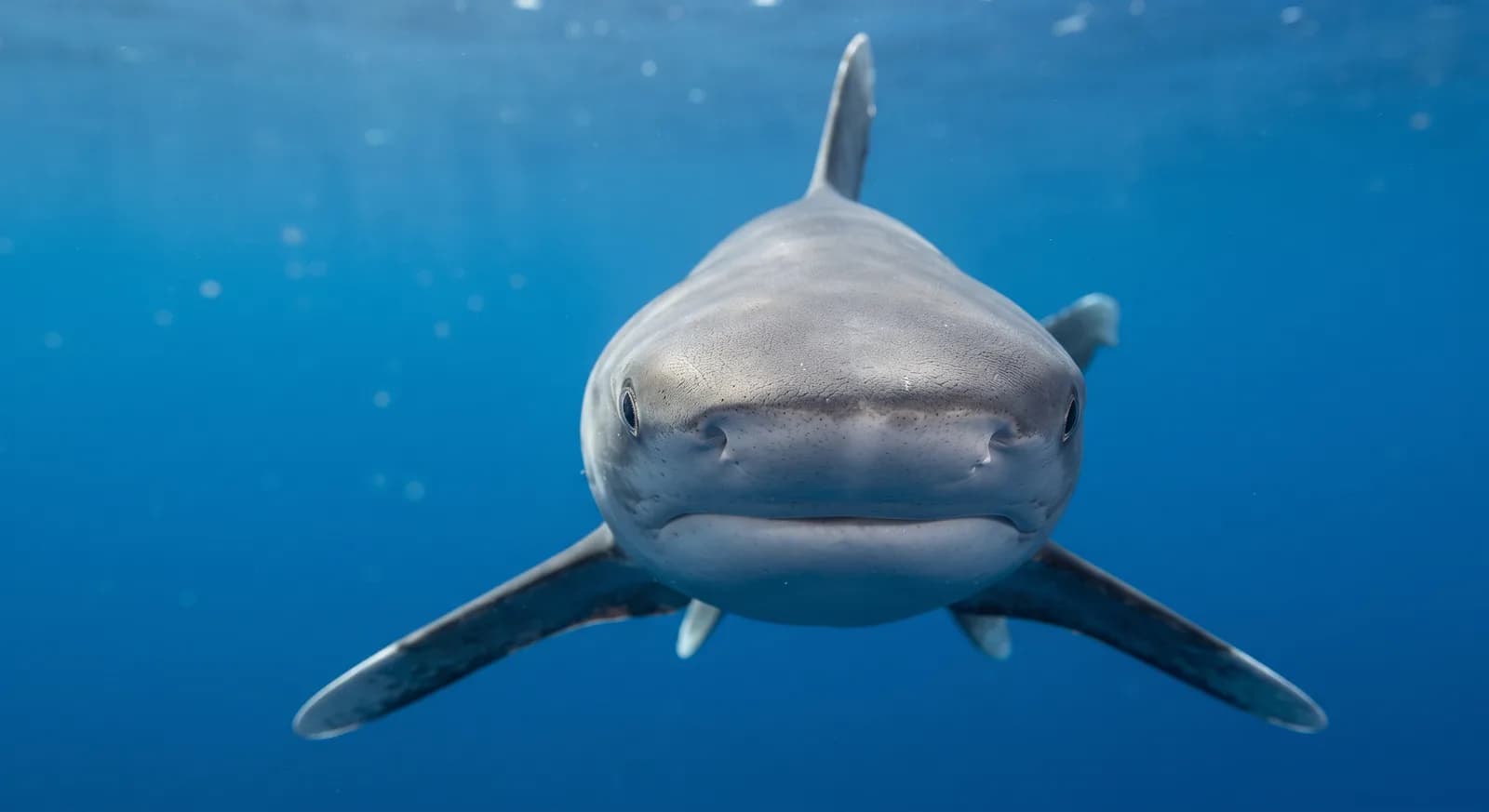
Oceanic Whitetip SharkCritically Endangered

Oceanic Whitetip Shark

Carcharhinus longimanus

CountriesIndonesia
ParksKomodoIndonesia
TagsCarnivore
Carnivore
Variable activity
Solitary
Ocean
Cnidarian

Asia26

Oceania20

Africa15

Indonesia
Egypt
Philippines
Australia
Thailand
Fiji
Bahrain
Bangladesh
Brunei
Cambodia
China
India
Indonesia
Iran
Japan
Kuwait
Malaysia
Maldives
Myanmar
Oman
Pakistan
Philippines
Qatar
Saudi Arabia
Singapore
Sri Lanka
Taiwan
Thailand
Timor-Leste
United Arab Emirates
Vietnam
Yemen
American Samoa
Australia
Cook Islands
Fiji
French Polynesia
Guam
Kiribati
Marshall Islands
Micronesia
Nauru
New Caledonia
Niue
Northern Mariana Islands
Palau
Papua New Guinea
Samoa
Solomon Islands
Tonga
Tuvalu
Vanuatu
Comoros
Djibouti
Egypt
Eritrea
Kenya
Madagascar
Mauritius
Mayotte
Mozambique
Réunion
Seychelles
Somalia
South Africa
Sudan
Tanzania