 Not Evaluated
Ritteri Anemone
Heteractis magnifica
61 countries35 parks235 dive sites
Species group · Anthozoans
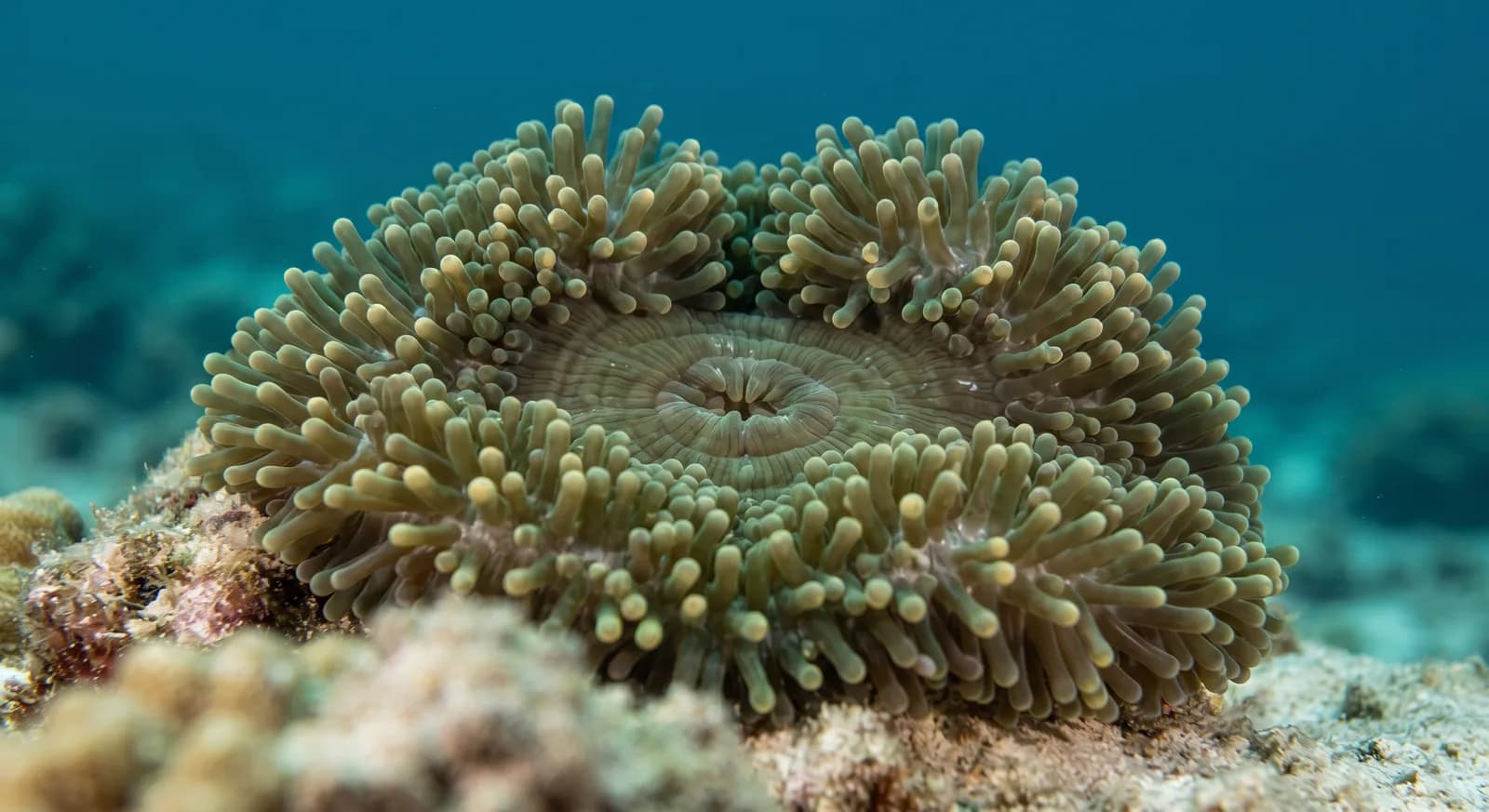
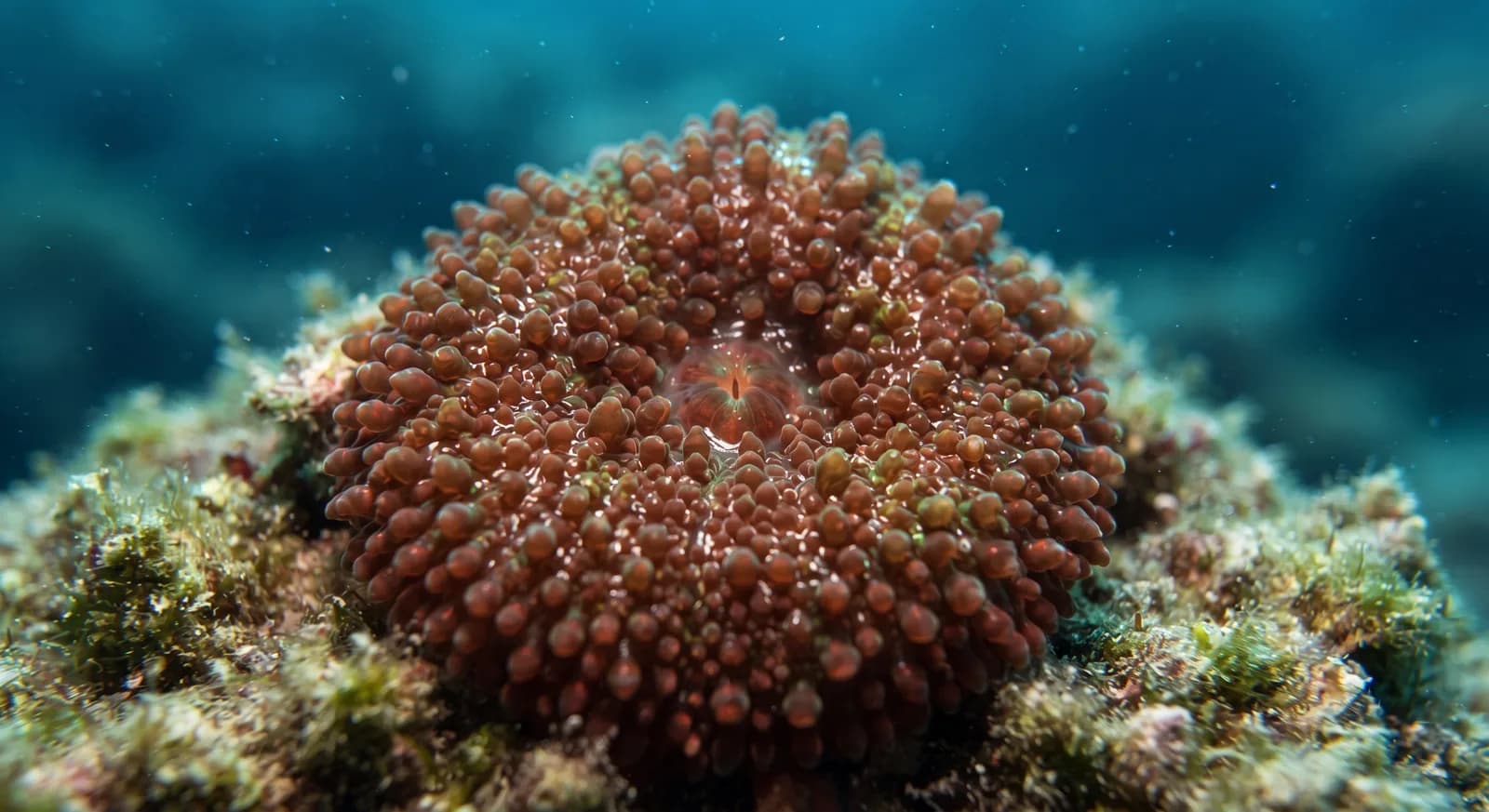
WAnimals has 3 species of anemone, spread across 3 families (Actiniidae, Discosomatidae, Stichodactylidae).
Ranges calculated from the profiles that record the figure, not from all 3.
Each one has its own full profile. This group does not replace them: it brings them together.
No species documented in this group is genuinely at risk according to the IUCN, with the data available today.
Recorded in 61 countries. The ones with the most species in the group:
It eats small invertebrates and young fish, along with nutrients produced by symbiotic zooxanthellae.
From
It resists cellular ageing remarkably well, with documented individuals over 60 to 80 years old.
From
It is the second largest anemone in the world, with an oral disc up to a metre across in exceptional specimens.
From
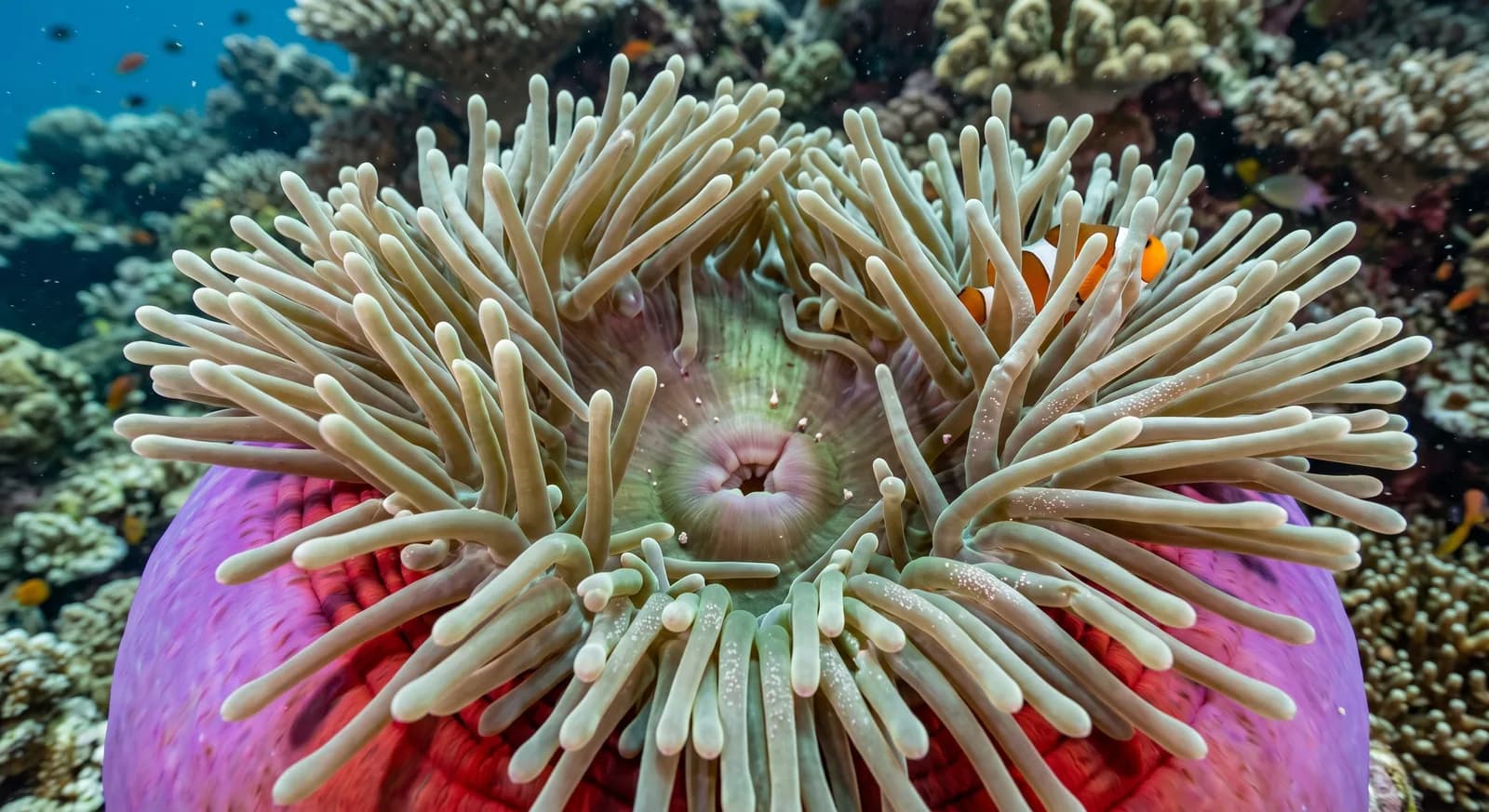
It hosts clownfish that shelter among its tentacles: the fish acquires a coating on its mucus that stops the anemone recognising it as prey, and in return it defends the anemone from the butterflyfish that nibble at it.
From
Its sting is among the most powerful of any anemone and can inflict painful burns on a diver.
From
It contracts until it disappears into the sand when it feels threatened, leaving only a hole in the bottom.
From
It is, in essence, a coral that has lost its skeleton: its anatomy is that of a coral polyp, but its body is entirely soft.
From
It can move very slowly and multiply by division, covering large areas of the reef.
·
From