Skip to content
WAnimals
  • Map
  • Species
  • Parks
  • Diving
Log inCreate account
WAnimals

The guide for travellers and animal lovers: discover, plan and share your wild adventures around the world.

Discover wildlife

  • Species
  • Ecosystems
  • Glossary
  • Tags

Explore places

  • Map
  • Countries
  • Parks
  • Diving

Plan experiences

  • Guides

Learn

  • Blog

Resources

  • About us
  • How we build our profiles
  • Help centre
  • Contact
  • Install the app

Follow us

Account

  • Log in
  • Create account

© 2026 WAnimals. All rights reserved.

Terms of servicePrivacyCookiesLegal notice
MapSpeciesParksDiving
  1. Home
  2. Parks
  3. Japan
  4. Amami Gunto
National ParkUNESCO World Heritage

Amami Gunto

East AsiaDesignated in 2017424 km²
Spotted something wrong?

Subtropical islands between Kyushu and Okinawa, a refuge for the Amami rabbit and for a unique island laurel forest.

Area

424 km²

Designated in

2017

Region

East Asia

Highlight

Subtropical island laurel forest and Ryukyu mangroves

Amami Gunto National Park was declared in 2017 and protects the Amami archipelago, lying between Kyushu and Okinawa, in the arc of the Ryukyu Islands. In 2021 its islands of Amami-Oshima and Tokunoshima became part, together with northern Okinawa and Iriomote, of the natural property inscribed by UNESCO under the biodiversity criterion.

The Ryukyus broke away from the Asian mainland millions of years ago and each island was left isolated, which produced a very marked pattern of endemism with minute distributions. The dominant vegetation is dense subtropical laurel forest, accompanied at the river mouths by some of the best-preserved mangroves in Japan and, along the shore, by coral reefs.

The flagship species is the Amami rabbit (Pentalagus furnessi), a lagomorph with short ears, dark fur and nocturnal habits regarded as a living fossil: it is the surviving representative of a lineage that vanished from the Asian mainland millions of years ago, and it lives only on Amami-Oshima and Tokunoshima. With it come Lidth's jay, endemic to Amami, alongside amphibians, reptiles and birds with equally restricted distributions. The main threats have been introduced predators, above all the mongoose and feral cats; the mongoose eradication programme on Amami-Oshima is reckoned one of the great recent successes of island conservation in Japan.
Location

Loading map…

Amami Gunto: 61 documented species

Mammals6Birds1Reptiles2Cartilaginous fish

Flora and ecosystems

Ecosystems found in Japan, where Amami Gunto lies.

Temperate forestMarine / coastalTundra / polarWetland

Experiences in this park

Birdwatching

Similar parks

Which other parks are like this one?

Same country: Japan

Same country: Japan

Same country: Japan

Same country: Japan

Keep exploring

Based on what we already know about this park.

Share your experience visiting Amami Gunto, or a tip for other travellers.

Climate

Tropical, Temperate, Polar / cold

Best season

March to May

Plan your visit

Best season
March to May
Area
424 km²
More places in JapanSee location
4
Fish22
Bivalvia2
Anthozoa5
Gastropoda5
Malacostraca6
Asteroidea2
Polychaeta2
Turbellaria1
Holothuroidea2
Cephalopoda1

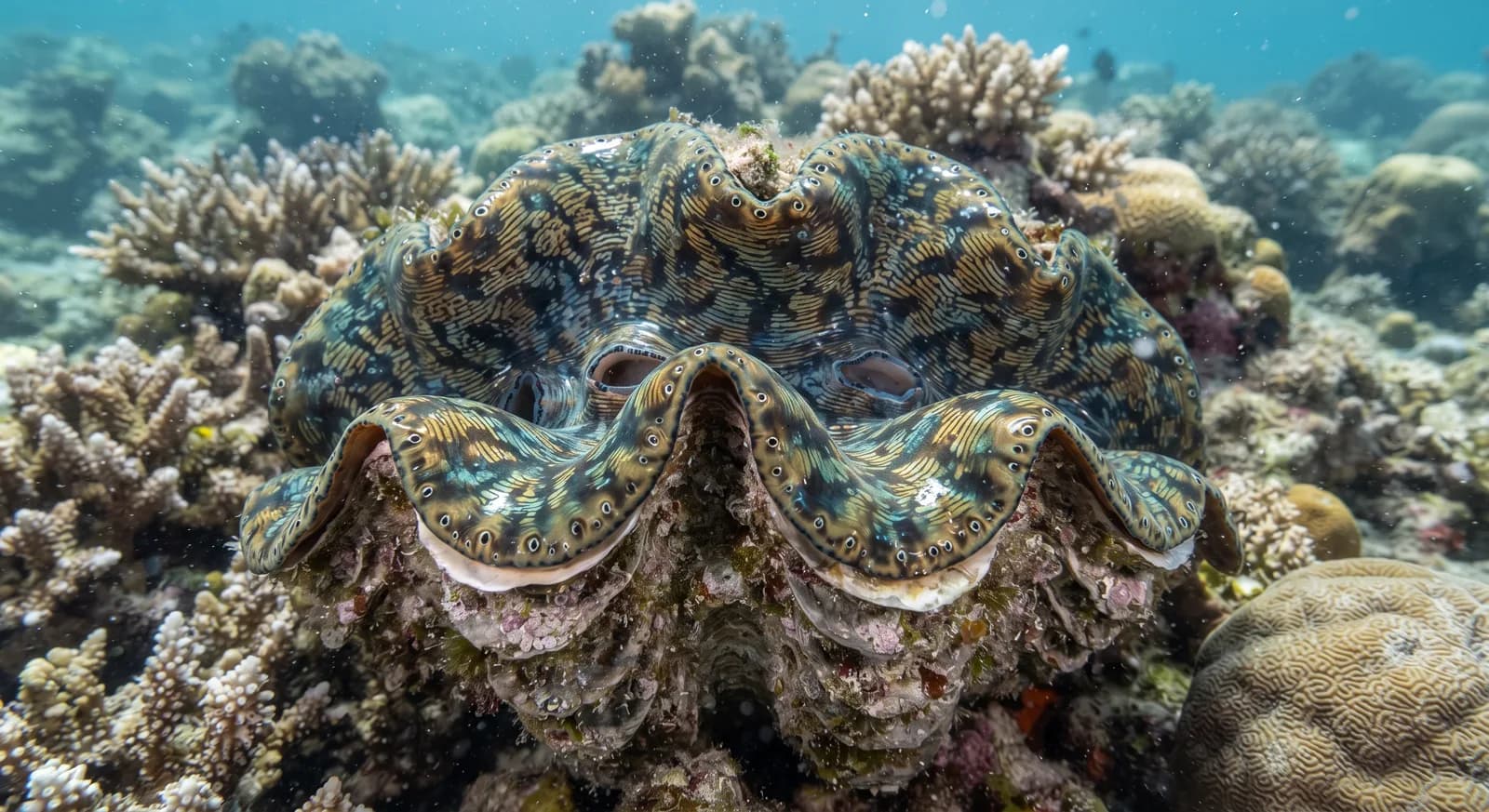
Threatened:Giant Clam,Coconut Crab,Spotted Eagle Ray,Reef Manta Ray,Common Thresher Shark,Spotted Seahorse,Golden Sandfish,Sailfish,Blacktip Reef Shark

Giant ClamCritically Endangered

Giant Clam

Tridacna gigas

Giant Carpet AnemoneNot Evaluated

Giant Carpet Anemone

Stichodactyla gigantea

Disc AnemoneNot Evaluated

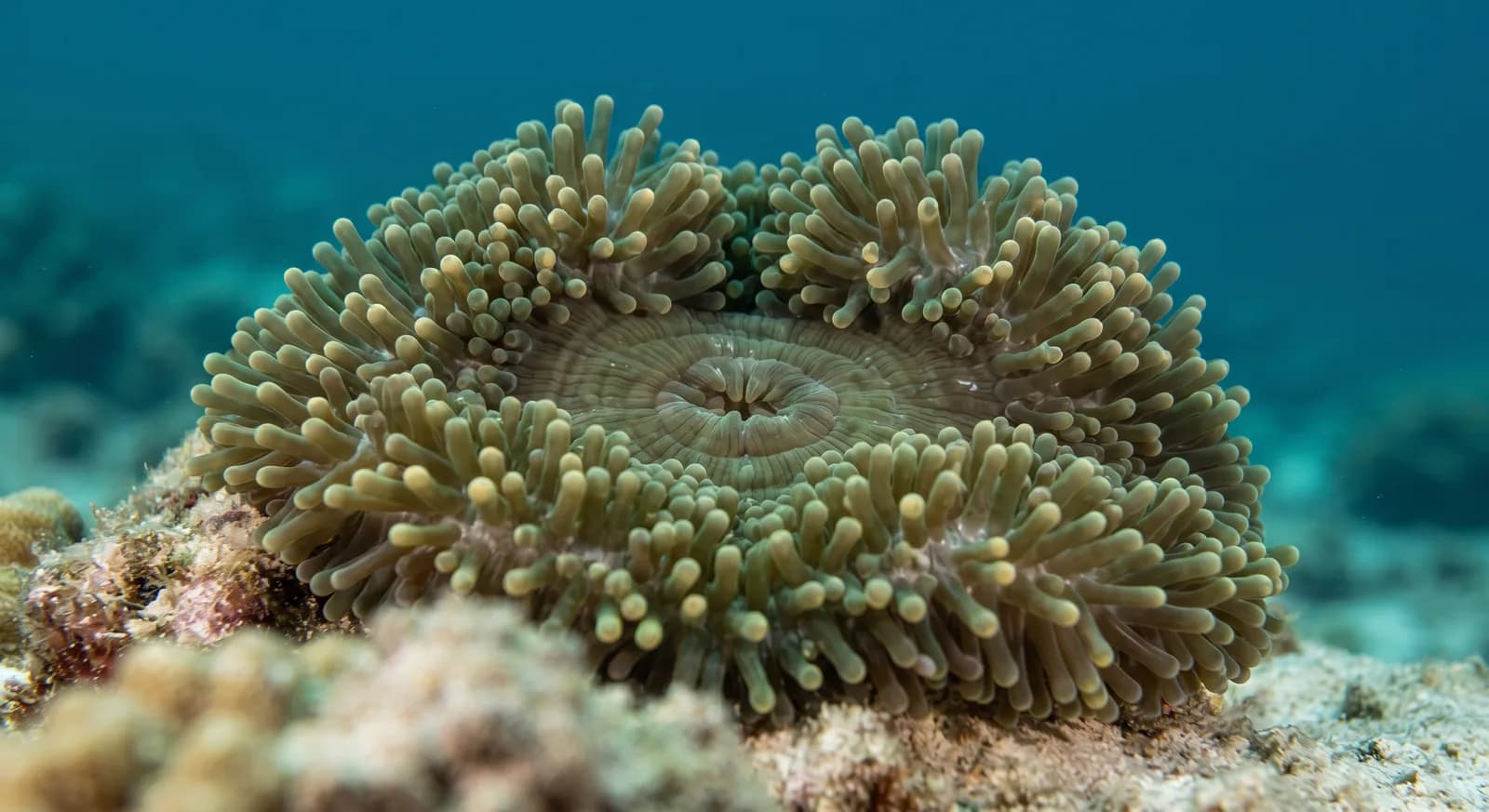
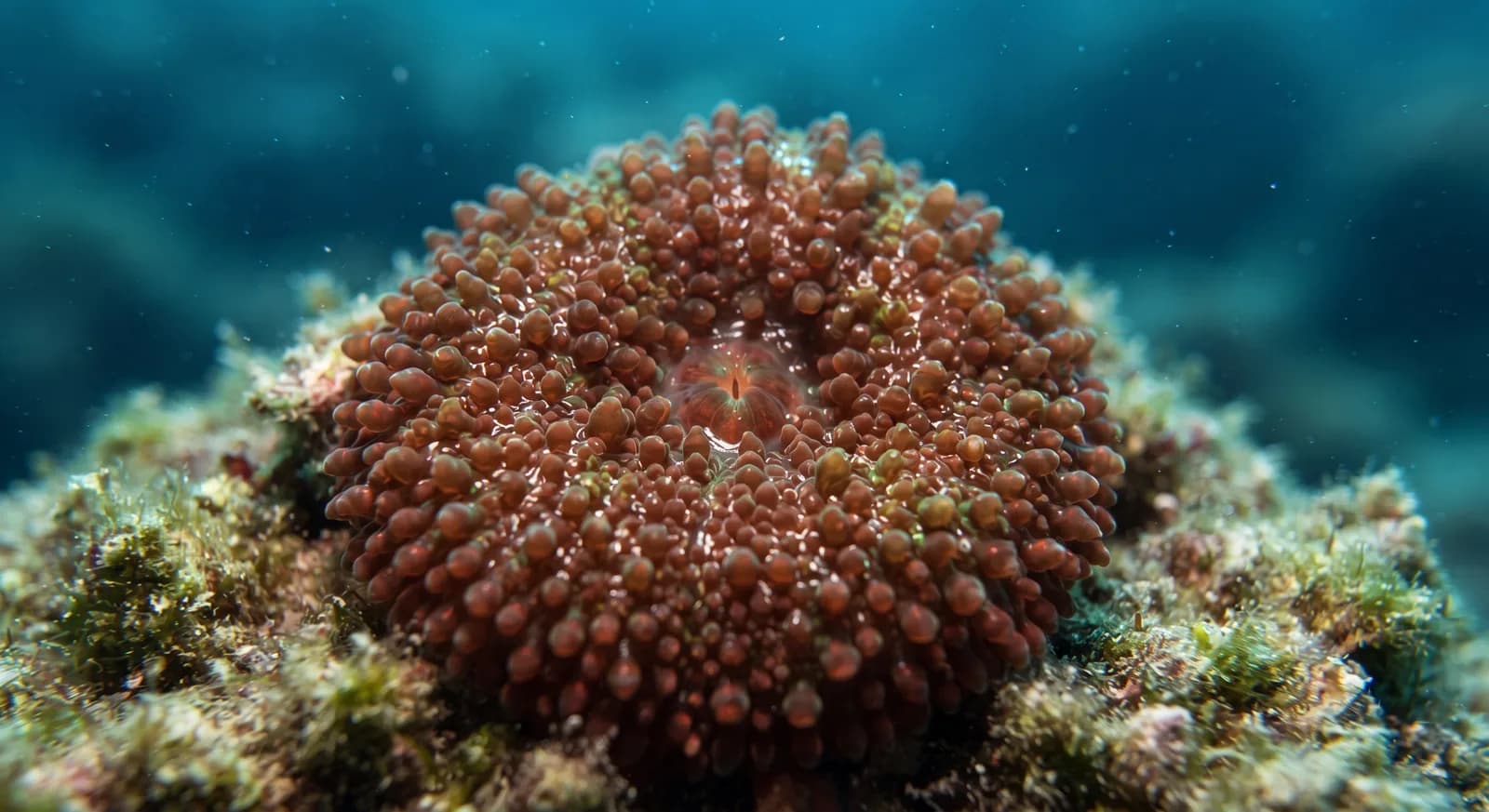
Disc Anemone

Discosoma nummiforme

Ritteri AnemoneNot Evaluated

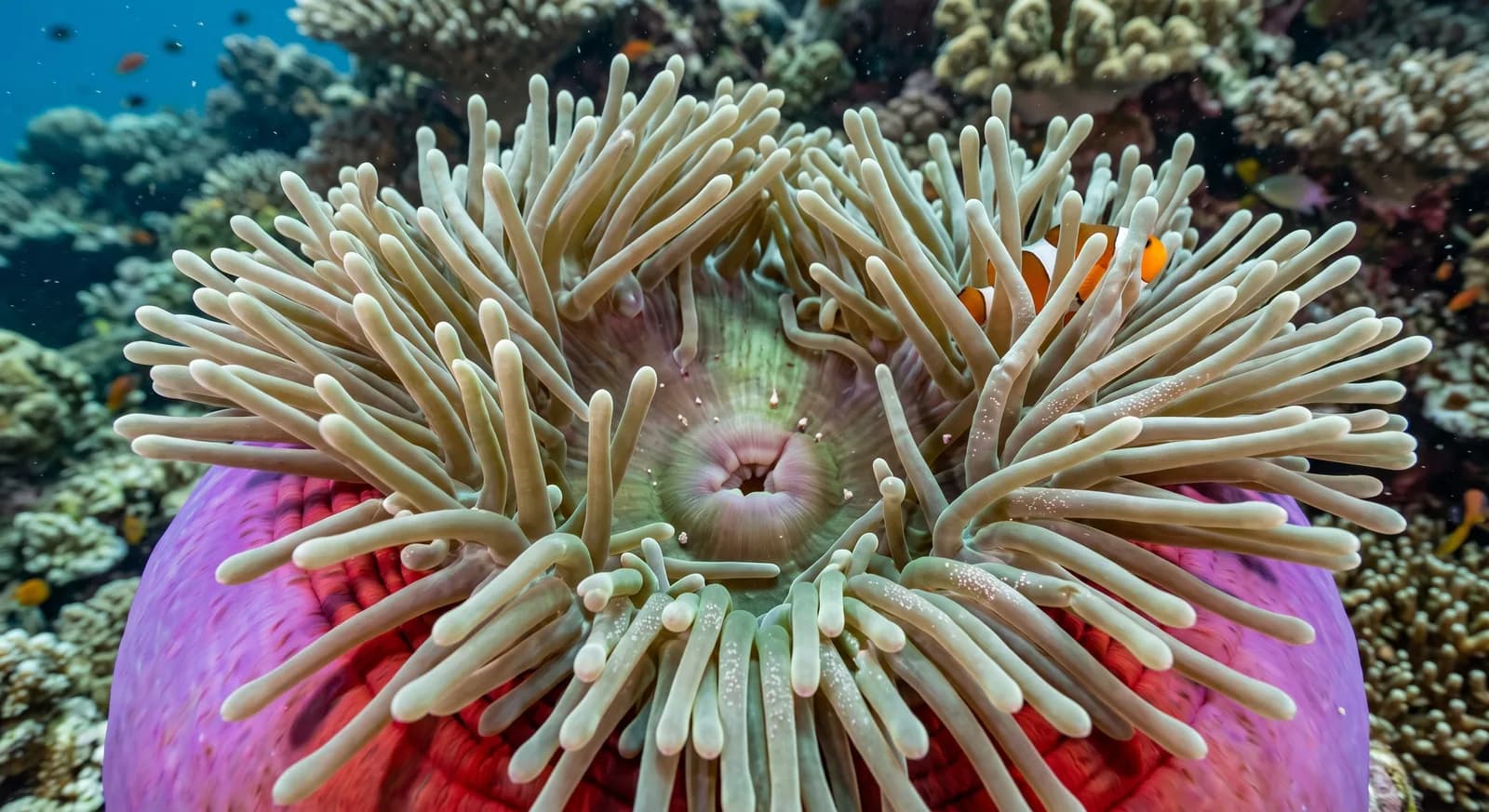
Ritteri Anemone

Heteractis magnifica

Spotted Garden EelLeast Concern

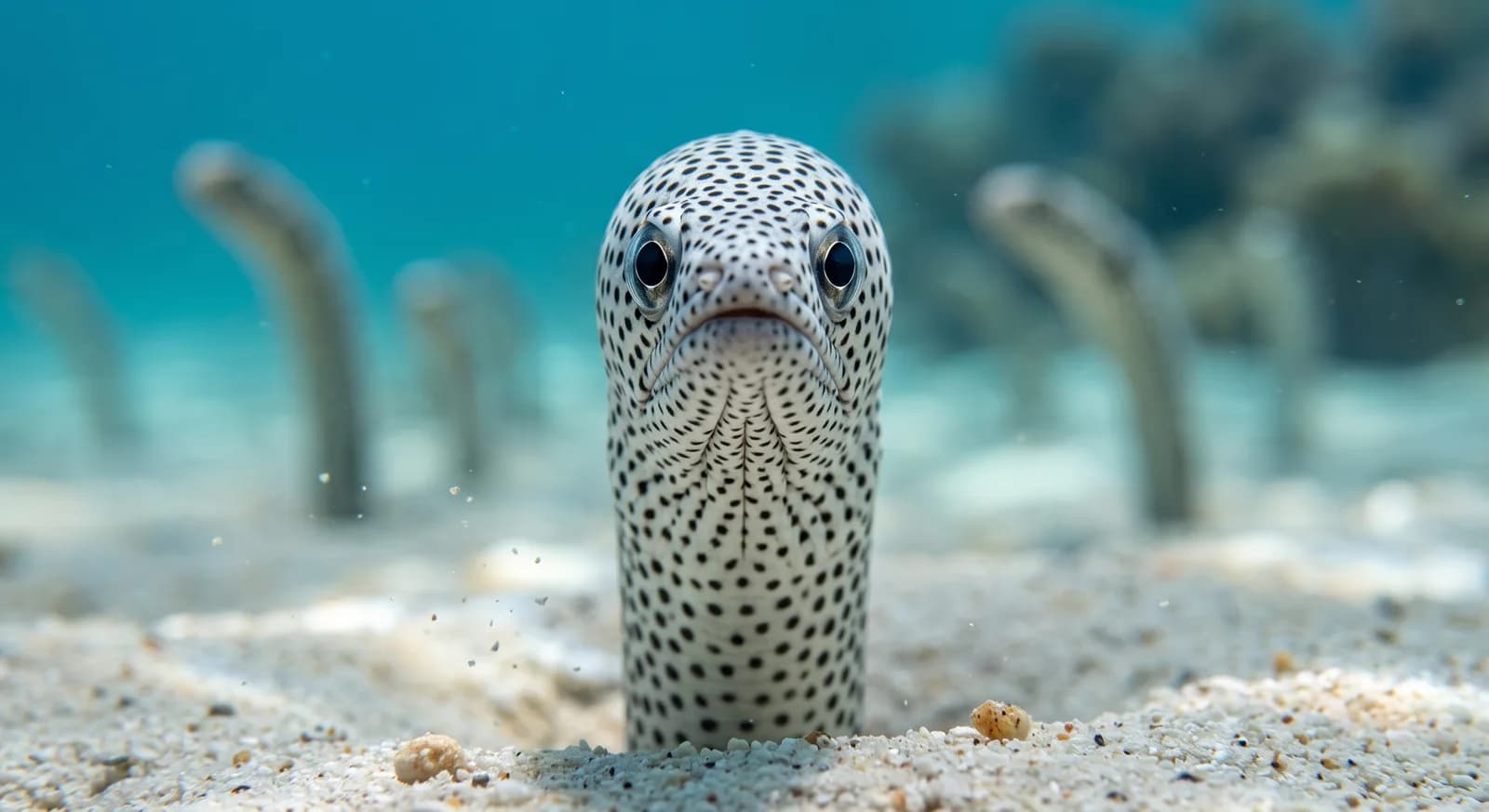
Spotted Garden Eel

Heteroconger hassi

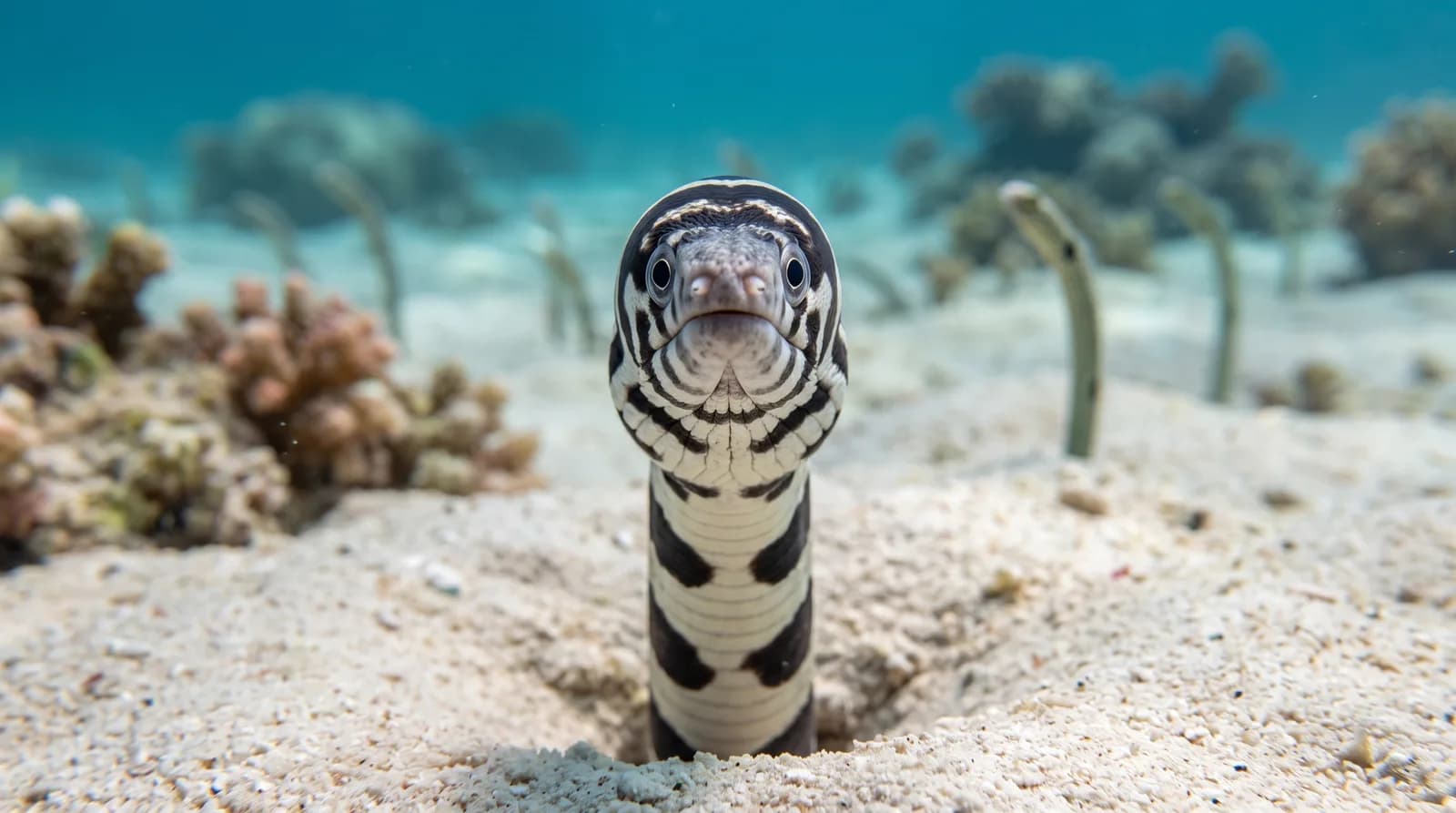
Harlequin Snake EelLeast Concern

Harlequin Snake Eel

Myrichthys colubrinus

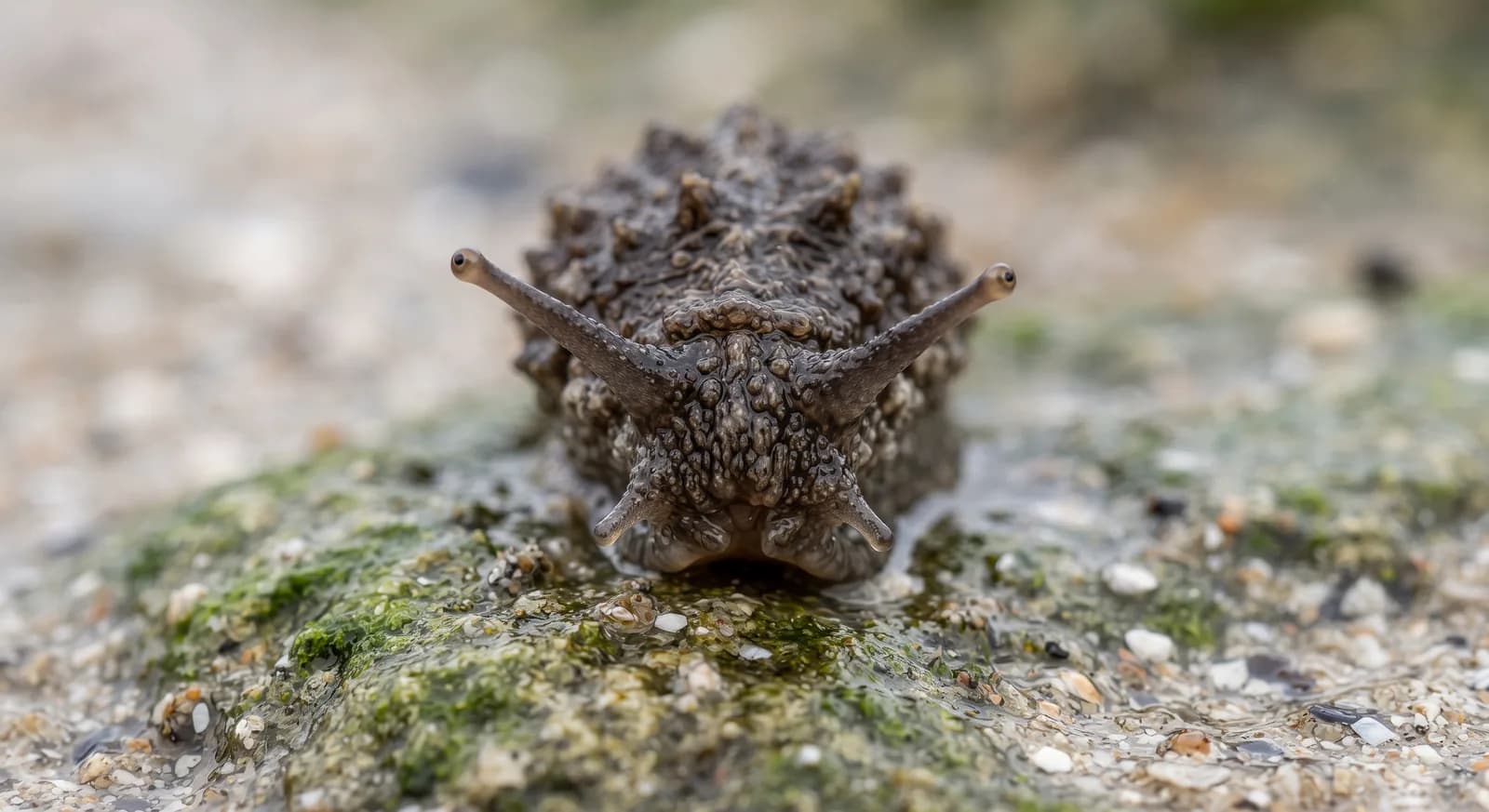
Warty SlugNot Evaluated

Warty Slug

Onchidium verruculatum

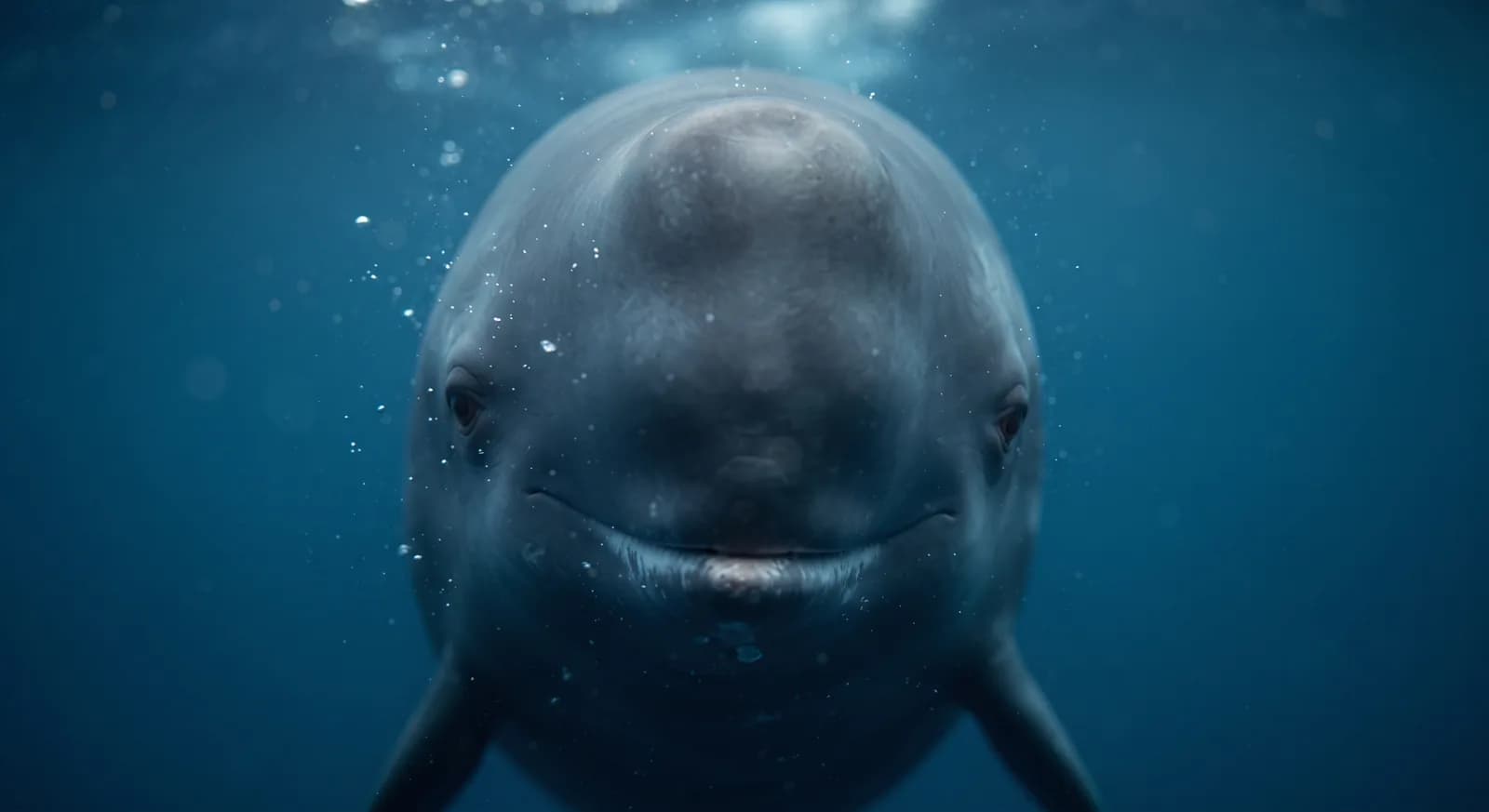
Pygmy Sperm WhaleData Deficient

Pygmy Sperm Whale

Kogia breviceps

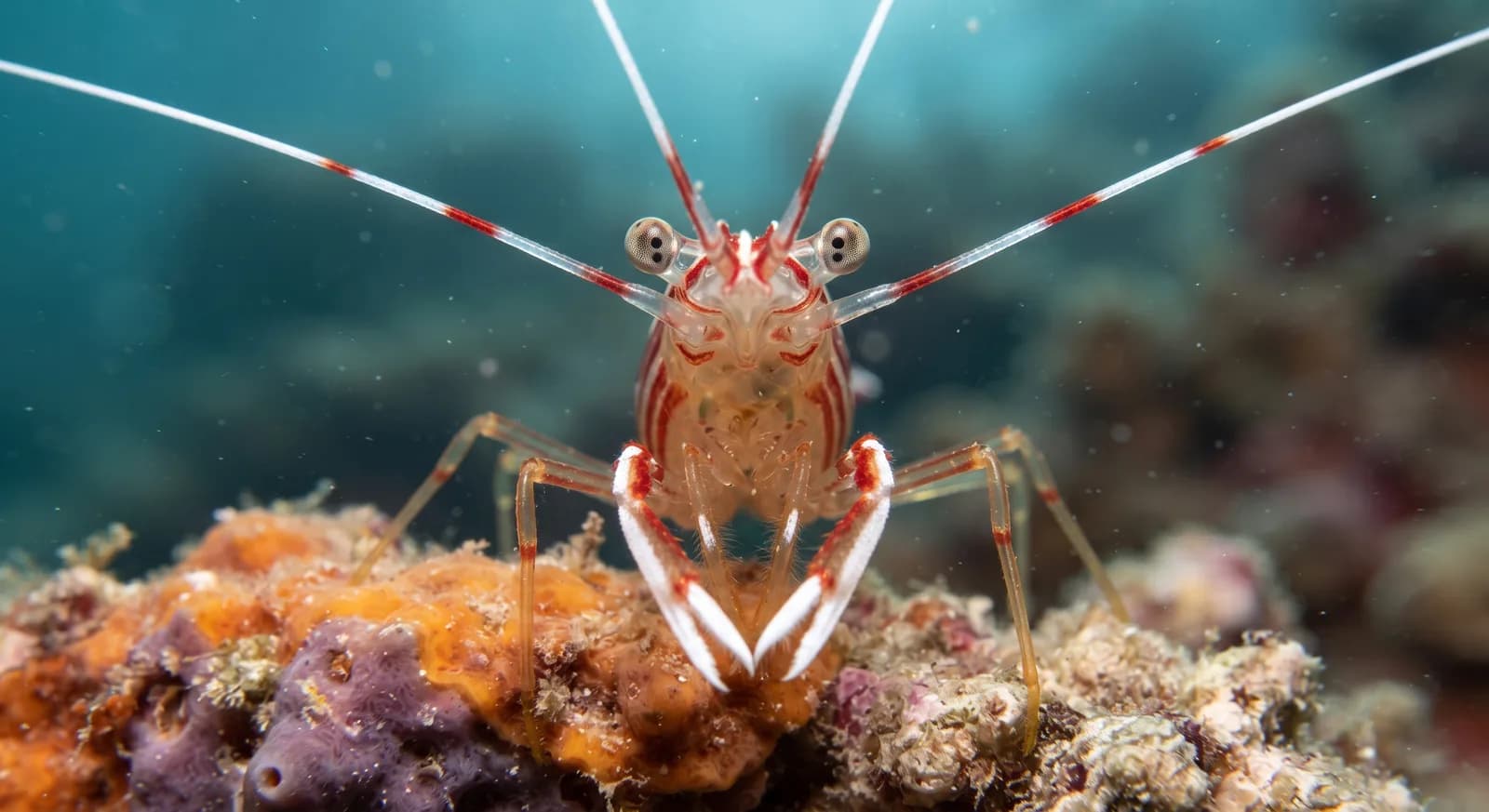
Scarlet Cleaner ShrimpNot Evaluated

Scarlet Cleaner Shrimp

Lysmata amboinensis

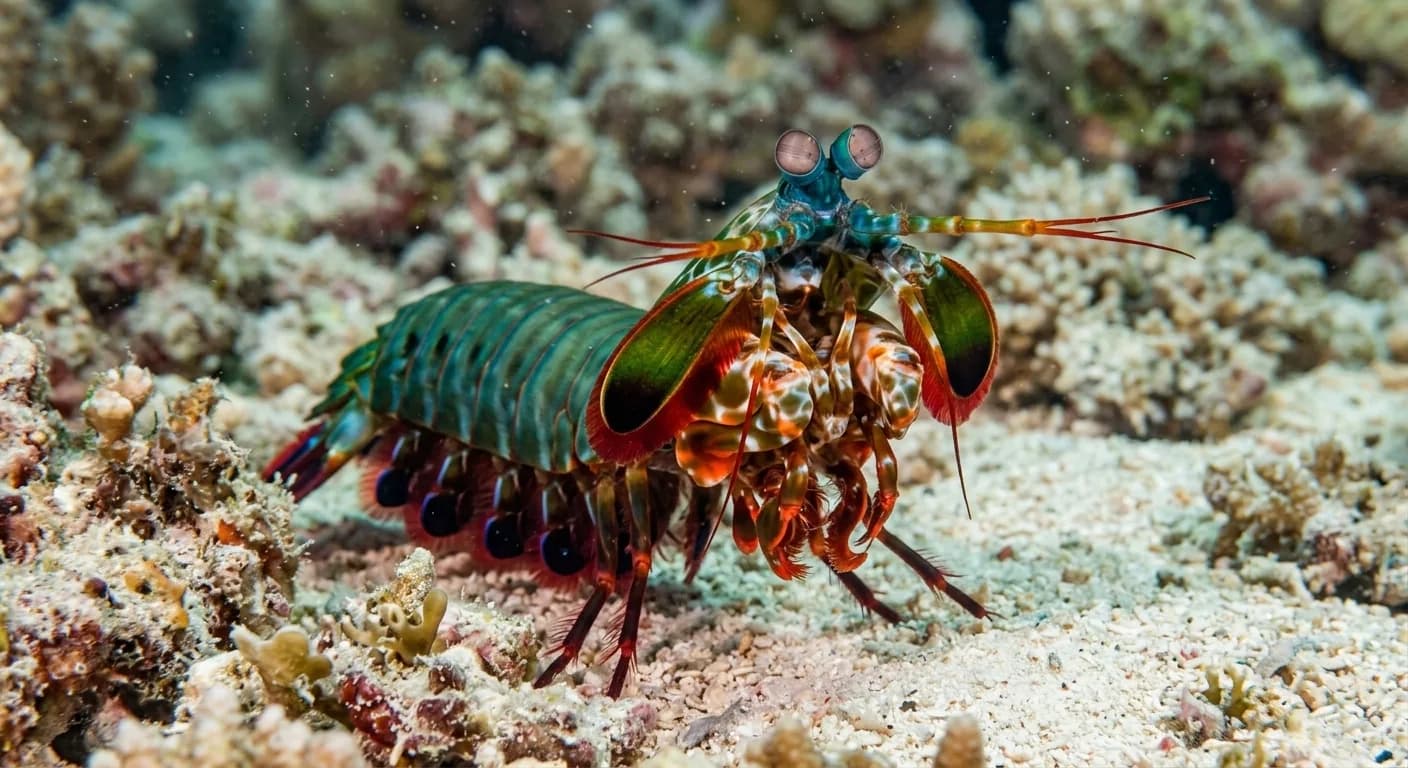
Peacock Mantis ShrimpNot Evaluated

Peacock Mantis Shrimp

Odontodactylus scyllarus

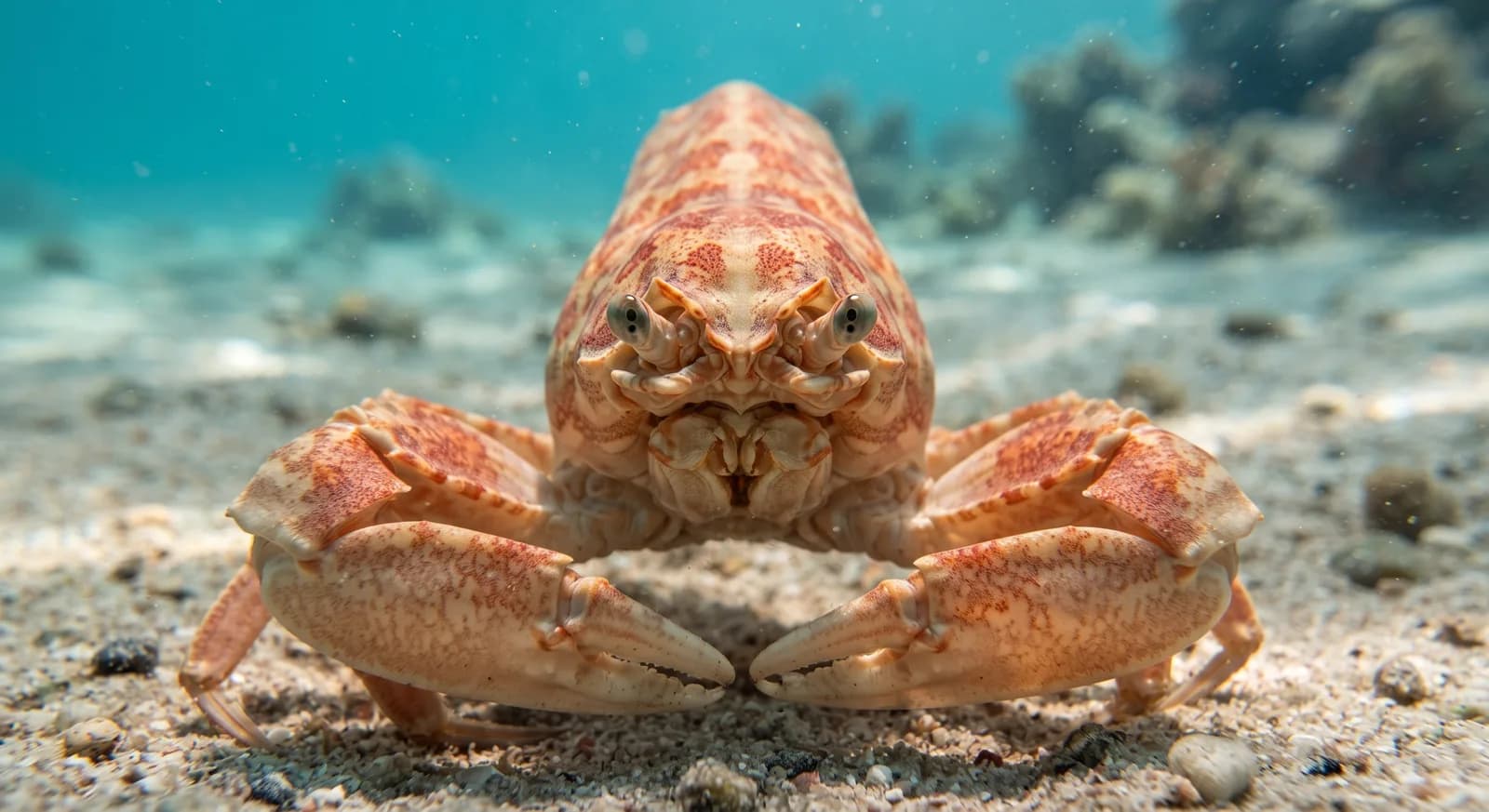
Spanner CrabNot Evaluated

Spanner Crab

Ranina ranina

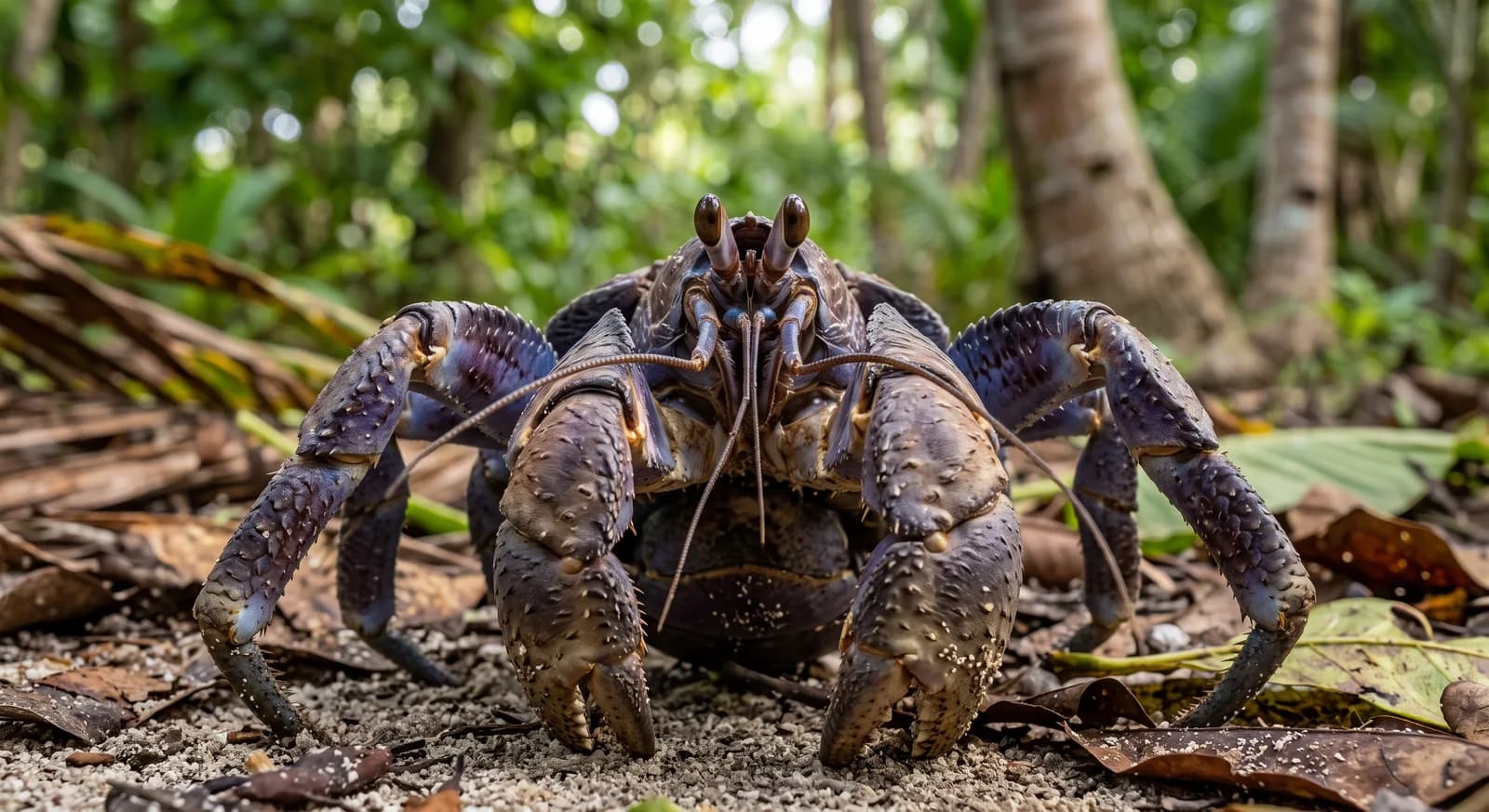
Coconut CrabVulnerable

Coconut Crab

Birgus latro

See all 61 species found here

Japan · East Asia
See on the interactive map→
National Park

Hakusan

Japan

Japanese black bear · Japanese serow

March to May

See park
National Park

Kushiroshitsugen

Japan

Red-crowned Crane · Siberian Salamander

March to May

See park
UNESCO
National Park

Ogasawara

Japan

Endemic Land Snails · Bonin Flying Fox

March to May

See park
National Park

Rishiri-Rebun-Sarobetsu

Japan

Japanese Murrelet · Kuril Harbour Seal

March to May

See park
CountryJapan
This page in other languages: Español · Deutsch · Français · Português · Italiano
Ocean
World Heritage